

Learn how to rig and fish every style of swimbait so you can catch more bass in any season.
Best for: Intermediate to Advanced anglers
What you need: Medium-heavy to heavy rod, quality swimbait hooks or jigheads, fluorocarbon or braid-to-fluoro leader, paddle tails in natural colors
Do this first: Tie on a 3.8" Keitech Swing Impact FAT in a shad pattern on a 1/4 oz weighted swimbait hook. Cast toward a point or bank and slow roll it back just above the bottom. That single combo catches fish almost everywhere.
Quick Answer: How to Use Swimbaits
- Lure choice: Soft paddle tail in the 3.8-5" range. Shad and bluegill colors cover 90% of situations.
- Where to fish it: Points, riprap banks, bluffs, grass edges and anywhere baitfish school up.
- Retrieve: Slow and steady. Reel just fast enough to feel the tail kick.
- Best conditions: Clear to lightly stained water. Low light periods are prime time for big bites.
- Depth range: Adjust weight to match depth. 1/8 oz for shallow flats. 3/8 oz or heavier for deeper structure.
Get Personalized Fishing Advice
Want real-time conditions for your exact location? Tackle provides live tide data, wind forecasts, and AI-powered fishing advice tailored to where you fish.
✓ Real-time tide charts • ✓ Wind & weather forecasts • ✓ AI fish identification
Tackle Box Snapshot: Swimbait Setup
- Soft paddle tails: Keitech Swing Impact FAT 3.8" and Strike King Rage Swimmer 4.75"
- Hard swimbaits: Megabass Magdraft 6" (jointed) and River2Sea S Waver 168 (glide bait)
- Hooks/heads: 3/0-5/0 weighted swimbait hooks (1/8 to 3/8 oz). Round jigheads in 1/4 and 3/8 oz. Underspin heads for flash.
- Line: 12-15 lb fluorocarbon for finesse sizes. 50 lb braid to 20 lb fluoro leader for big swimbaits.
- Rod/reel: 7' medium-heavy fast for paddle tails (6.3-7.1:1 reel). 7'6"+ heavy for glide baits (5.3:1 reel for torque).
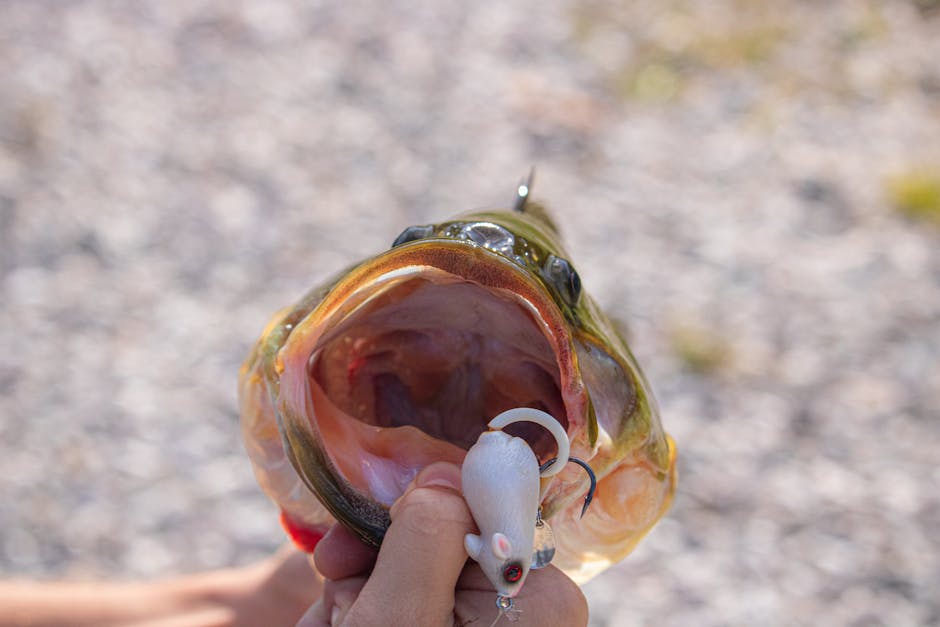 Start with the 3.8" paddle tails and work your way up as you gain confidence with bigger profiles.
What Are Swimbaits?
Swimbaits are soft or hard bodied lures that imitate baitfish with a natural swimming action. They are the most realistic lures in your tackle box. Bass eat them because they genuinely believe it is food.
If you have been fishing soft plastics on Texas rigs or shaky heads, swimbaits are the logical next step.
Types of Swimbaits
Paddle Tail - The most versatile type. The boot-shaped tail kicks side to side on retrieve and creates a thumping vibration bass key in on. Keitech Swing Impact FAT and Strike King Rage Swimmer own this category. The Rage Swimmer also doubles as a killer chatterbait trailer too.
Glide Baits - Hard bodied and single jointed. Twitch the rod and the bait glides in a wide S-curve then pauses. That pause is where the bite happens. The River2Sea S Waver 168 is the legend here.
Jointed Hard Swimbaits - Multi-segment bodies with a realistic rolling action. The Megabass Magdraft is premium but worth every penny.
Hollow Body - Soft shell that collapses on the bite for better hookup ratios. The 6th Sense Whale Swimbait fits here. Fish hold on longer because the soft body feels natural.
Full Body (Solid) - Dense soft plastic with incredible detail. The Huddleston Deluxe is the trophy bait in this class. Slow sinking and ultra realistic.
Size Selection: Match the Mission
2-3" (Finesse) - Match small baitfish like minnows and young shad. Great on pressured waters with light jigheads and spinning gear.
3.8-5" (The Sweet Spot) - Big enough for quality bass but small enough to get bit all day. Buy this size first.
6-8" (Big Bass) - Fewer bites but bigger fish. Baitcasting gear and heavier line. The Magdraft 6" is the go-to.
9-12"+ (Trophy Hunting) - You need a swimbait rod rated for 2-6 oz lures and a reel with serious drag. One bite per day is a good day but it might be the fish of a lifetime.
Step-by-Step: How to Fish a Swimbait
- Choose your rig based on depth and cover. Weighted swimbait hook for grass and timber. Jighead for open water. Underspin for flash over baitfish schools.
- Make a long cast. Bass need time to track the bait before committing.
- Let it sink to your target depth. Count it down. One second per foot with a 1/4 oz head.
- Retrieve slow and steady. Feel the tail thump. Keep it near the bottom.
- Reel down and sweep set. Bass often pin swimbaits sideways first so a sweep drives the hook home better than a snap.
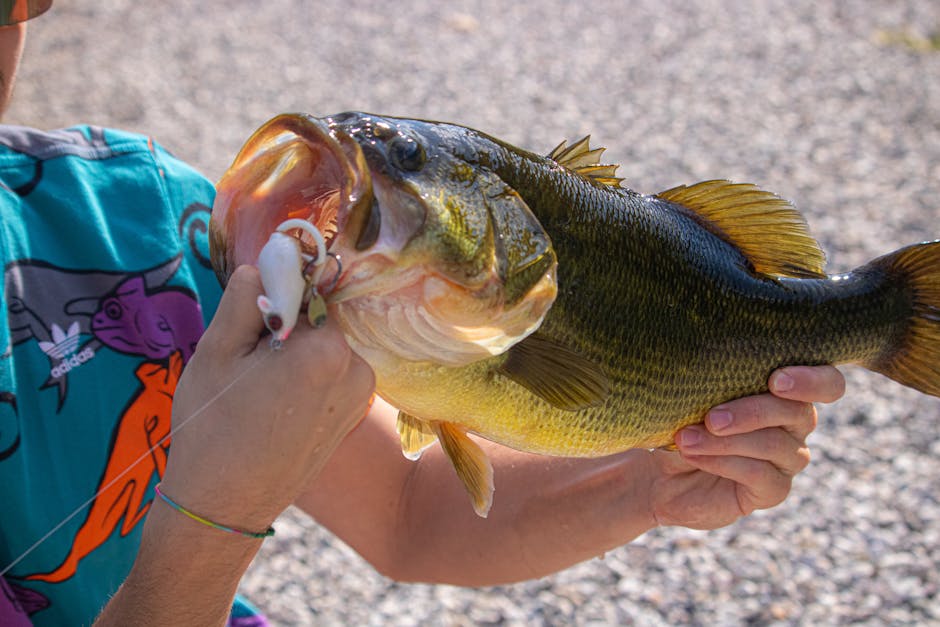 Long casts along banks and points give bass time to track the swimbait. Keep the rod tip low during retrieve for better hooksets.
Rigging Options
Weighted Swimbait Hook - Most versatile for soft paddle tails. Rides hook-point-up for snag resistance.
Round or Football Jighead - Exposed hook for open water. Football heads for rocky bottoms.
Underspin Head - Jighead with a small willow blade below. Adds flash without changing bait profile.
Umbrella/Alabama Rig - Multiple swimbaits on a wire frame mimicking a baitfish school. Banned in some tournaments but legal recreationally. Our umbrella rigs guide covers legal setups and rigging details.
Weightless - Wide gap hook with no weight for shallow water.
Retrieval Techniques
Slow Roll - Steady retrieve just above the bottom. This catches the most fish.
Burn and Kill - Fast reel for 3-4 cranks then dead stop. Strikes come on the pause.
Twitch and Glide - For glide baits like the S Waver. Sharp twitches make the bait dart side to side.
Hop Along Bottom - For jighead rigs in cold water. Pop and drop along the bottom.
Decision Tree: Adjusting to Conditions
- If water is clear - downsize to natural colors (ayu, ghost minnow). Use lighter line.
- If water is stained - go bigger with bold colors (chartreuse shad, white pearl). Slow your retrieve.
- If fish follow but will not bite - add a pause or switch to an underspin for flash.
- If you are getting short strikes - try a hollow body swimbait or switch to a treble hook jighead.
- If no bites after 20 minutes - change your depth zone before changing your bait.
Spot Playbook: Where Bass Stage for Swimbaits
- Main lake points - Slow roll from shallow to deep along these transitions.
- Riprap and seawalls - Cast parallel and keep tight to the wall.
- Grass edges - The grass-to-open-water transition is a feeding lane.
- Bluff walls - Let the bait sink along the face. Bass suspend here and track falling swimbaits.
- Brush piles - Mark these on your graph and cast past them.
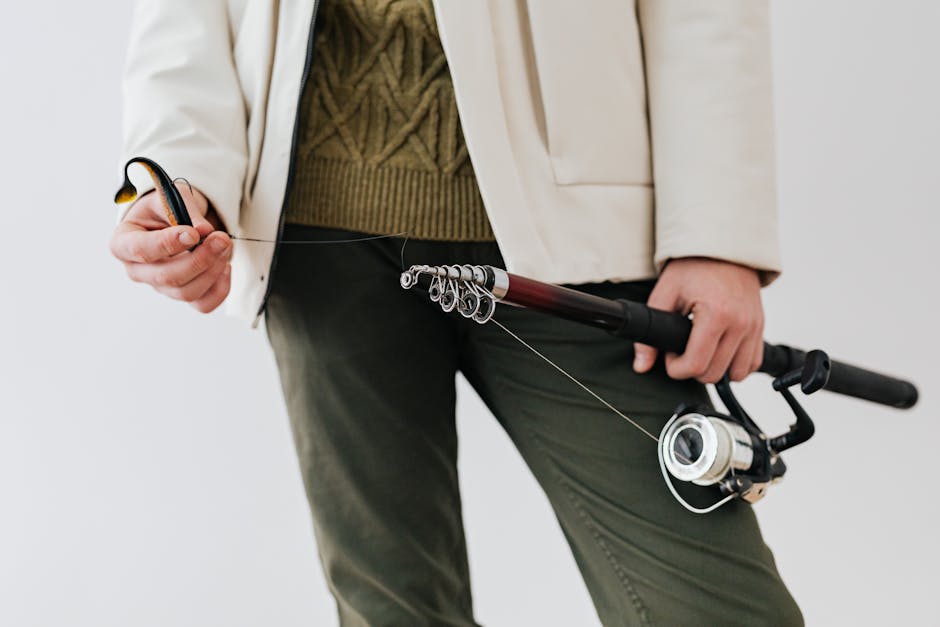 Grass edges and submerged timber are prime swimbait water. Cast parallel to these transitions and keep your retrieve just above the cover.
Seasonal Usage
Spring - Prespawn bass feed aggressively. Paddle tails on weighted hooks are deadly on secondary points.
Summer - Fish move deeper. Size up to 5-6" swimbaits on heavier jigheads for offshore structure.
Fall - Bass chase shad. Alabama rigs and underspin heads shine when fish scatter. This is also prime season for trolling lures if you are covering big water from a boat.
Winter - Slow everything down. Big swimbaits crawled along the bottom. Fewer bites but the biggest fish.
5 Mistakes That Kill the Bite
- Reeling too fast. The number one swimbait mistake. Slow down. Then slow down again.
- Fishing the wrong depth. If you are not occasionally ticking bottom, you are probably too high.
- Using the wrong hook size. Too small and you miss fish. Too large and the bait will not swim right.
- Not rigging straight. A crooked swimbait spins instead of swimming. Slice the belly with a razor if plastic bunches around the hook bend.
- Giving up too soon. Swimbaits reward patience. That one bite is often the best fish of the day.
Want to dial in your patterns? The Tackle app lets you log catches with conditions so you build a real playbook for next time.
FAQs
What is the best swimbait for beginners?
Start with a Keitech Swing Impact FAT 3.8" on a 1/4 oz weighted swimbait hook. It swims perfectly at any speed and the heavy salt content gives it natural action that is hard to mess up.
Can you fish swimbaits on spinning gear?
Swimbaits in the 2-4" range fish great on medium spinning rods with 8-10 lb fluorocarbon. This finesse approach catches a ton of fish on pressured waters.
What is the difference between a swimbait and a paddle tail?
A paddle tail is a type of swimbait. The category also includes glide baits, jointed hard baits and hollow bodies. Paddle tails are the most popular because they are versatile and affordable.
Do swimbaits work in muddy water?
They can but they are not the first choice. Swimbaits rely on visual appeal. In truly muddy water a chatterbait or spinnerbait puts out more vibration.
How much should I spend on swimbaits?
Soft paddle tails run $5-10 per pack. Hard swimbaits like the Magdraft cost $20-30. Premium glide baits run $25-40. Start with soft plastics and upgrade once you are confident in the technique.
1-Minute Action Plan
- Rig to tie on: Keitech Swing Impact FAT 3.8" on a 3/0 weighted swimbait hook (1/4 oz) in sexy shad
- Two places to try first: A main lake point and any riprap bank near a boat ramp
- Retrieve: Slow roll. Steady reel just fast enough to feel the tail thump. Near the bottom.
- If no bites in 15 minutes: Slow down and change your angle. Cast parallel to the bank instead of toward it.
What to Read Next
- Fishing bladed jigs? Learn how to use chatterbaits for a similar power fishing approach.
- Want more soft plastic techniques? Our soft plastic lures guide covers Texas rigs, wacky rigs and more.
- Building a complete bass arsenal? Check the best bass lures guide for top picks in every category.
Download the Tackle app to log your swimbait catches and track what works in your local waters.
Regulations change. Always check local rules before fishing.

Tackle Team
The Tackle Fishing Team is a collective of anglers, data scientists, and fishing enthusiasts dedicated to making fishing more accessible and successful for everyone.
View profileSources Consulted
The following sources were consulted in creating this guide:
- Wired2Fish – www.wired2fish.com (retrieved Mar 2026)
- Bass Resource – www.bassresource.com (retrieved Mar 2026)
- In-Fisherman – www.in-fisherman.com (retrieved Mar 2026)
Note: Information is summarized and explained in our own words. Always verify current regulations with official sources.
Frequently Asked Questions
What is the best swimbait for beginners?
Start with a Keitech Swing Impact FAT 3.8" on a 1/4 oz weighted swimbait hook. It swims perfectly at any retrieve speed and the heavy salt content gives it a natural action that is hard to mess up. Stick with shad colors until you learn the presentation.
Can you fish swimbaits on spinning gear?
Absolutely. Swimbaits in the 2-4" range fish great on medium or medium-light spinning rods with 8-10 lb fluorocarbon. This is the finesse swimbait approach and it catches a ton of fish on pressured waters where bass ignore bigger presentations.
What is the difference between a swimbait and a paddle tail?
A paddle tail is a type of swimbait. The term swimbait covers the entire category including paddle tails, glide baits, jointed hard baits and hollow bodies. Paddle tails are the most popular subcategory because they are versatile and affordable.
Do swimbaits work in muddy water?
They can but they are not the first choice. Swimbaits rely heavily on visual appeal. In stained water go with a larger profile and darker colors to create a stronger silhouette. In truly muddy water you are better off with a chatterbait or spinnerbait that puts out more vibration.
How much should I spend on swimbaits?
Soft paddle tails run $5-10 per pack and are the best value in the category. Hard jointed swimbaits like the Megabass Magdraft cost $20-30 each. Premium glide baits like the S Waver 168 run $25-40. Start with soft plastics and upgrade to hard baits once you are confident in the technique.
Plan Your Next Fishing Trip
Download Tackle to compare tide charts, wind conditions, and practical fishing guidance for your location before you go.
✓ Real-time tide charts • ✓ Wind & weather forecasts • ✓ AI fish identification
See local regulations — Find regulations for your area
Want weekly fishing windows delivered to your inbox?
Get personalized fishing forecasts based on weather, tides, and moon phases.
RELATED CONTENT
KEEP READING