

How to Use Soft Plastic Lures: The Ultimate Bass Fishing Guide
More bass have been caught on soft plastic lures than any other bait category. Period. They are cheap, versatile and work in every lake, pond and river where bass swim. A $4 bag of plastic worms will outfish a $15 crankbait on most days because soft plastics let you slow down, fish precisely and put a bait exactly where bass live.
This guide covers every major type of soft plastic, the best models in each category, how to rig them and a color selection system that takes the guesswork out of your tackle bag. Consider this your hub. Each rigging method links to a dedicated guide with step-by-step detail.
Why Soft Plastics Are the #1 Bass Bait
Soft plastics dominate bass fishing for three reasons. They feel natural when a bass bites, so the fish holds on longer instead of spitting the bait. They can be rigged weedless to fish the nastiest cover on the lake. And they work at every speed from dead still on the bottom to swimming through the water column.
Tournament pros carry more soft plastics than any other bait type. A single bag of 5-inch Senkos has won more money in professional bass fishing than most hard bait brands combined. If you are new to bass fishing and only buy one thing, buy soft plastics.
Do this first: Grab a pack of 5-inch stick baits in green pumpkin and a pack of wacky rig hooks. That one combination catches bass everywhere. When pressured fish refuse it, dial back the weight and lean on finesse fishing techniques to coax bites in clear or heavily fished water.
Get Personalized Fishing Advice
Want real-time conditions for your exact location? Tackle provides live tide data, wind forecasts, and AI-powered fishing advice tailored to where you fish.
✓ Real-time tide charts • ✓ Wind & weather forecasts • ✓ AI fish identification
Quick Setup Summary
- Best all-around bait: 5-inch Yamamoto Senko (green pumpkin)
- Best rig for beginners: Wacky rig on a spinning rod
- Best rig for cover: Texas rig with a 1/4 oz bullet weight
- Universal color: Green pumpkin (works in any water clarity)
- Rod: 7-foot medium power spinning or medium-heavy baitcaster
- Line: 8 to 10 pound fluorocarbon (spinning) or 15 to 17 pound (baitcaster)
Types of Soft Plastics and the Best Models
Soft plastics come in dozens of shapes. Each one imitates something bass eat or triggers a reaction strike through movement and profile. Here are the eight categories that matter.
Stick Baits (Senkos)
The Yamamoto Senko is the greatest soft plastic ever made. It sinks on a subtle side-to-side shimmy with zero rod input. Bass cannot resist it. The salt-impregnated body gives it a dense weight that casts well and falls at the perfect speed.
Best models: Yamamoto Senko (the GOAT), YUM Dinger, Strike King Ocho.
How to fish them: Rig them wacky style through the middle with a hook through the egg sac, or fish them weightless on a Texas rig. Cast. Let it sink. Do nothing. The bait does all the work on the fall. Most bites come before it hits bottom. Our Senko stick baits guide covers every rigging variation and color pattern in detail.
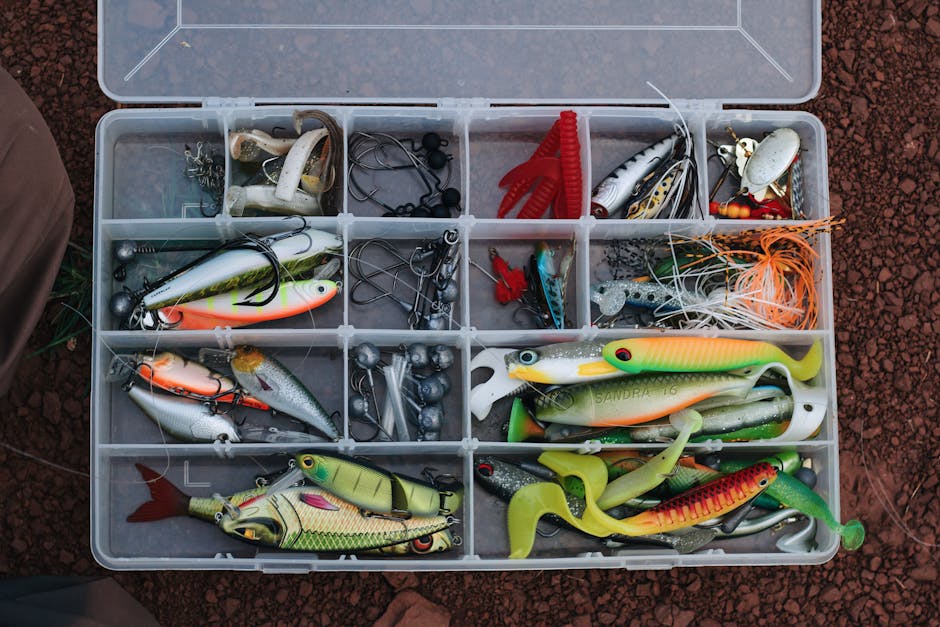 Stick baits in green pumpkin and watermelon. These two colors account for more bass than every other soft plastic color combined.
Ribbon Tail Worms
The original soft plastic bass bait. A long worm with a flat ribbon tail that kicks and undulates on the fall and during a slow drag across the bottom. The ribbon tail creates vibration that bass detect through their lateral line. For a deeper breakdown on all worm styles and rigs, read our fishing plastic worms guide.
Best models: Zoom Trick Worm (6.5 inch), Zoom Ol Monster (10.5 inch).
How to fish them: Texas rig and drag slowly across the bottom. Cast to a piece of cover, let the worm sink and then crawl it back with slow pulls of the rod tip. A 10-inch worm on a Texas rig is a trophy bass magnet that smaller fish leave alone.
Creature Baits
Creature baits have multiple appendages that flap, kick and vibrate as the bait falls or moves. They create a big profile with lots of action, making them ideal for flipping into heavy cover where you need a bait that announces its presence.
Best models: Zoom Brush Hog, Strike King Rage Bug, NetBait Paca Chunk.
How to fish them: Texas rig for flipping and pitching into laydowns, brush piles and grass mats. They also work as jig trailers to add bulk and movement to a bass jig. Thread the creature onto the jig hook so the appendages extend past the skirt. For the full rundown on this bait category, read our creature baits guide.
Crawfish Imitators
Crawfish are the number one forage for bass in most lakes. A soft plastic crawfish bounced along a rocky bottom is one of the most natural presentations you can make. The pincer claws float and wave as the bait sits on the bottom.
Best models: Strike King Rage Craw, Zoom Speed Craw, Berkley PowerBait Chigger Craw.
How to fish them: Texas rig or Carolina rig along rock transitions, gravel banks and chunk rock shorelines. For a deep dive into this bait type, see our crawfish lures guide. Hop them slowly with short pops of the rod tip. Bass pick up crawfish imitators when they are sitting still between hops, so pause often.
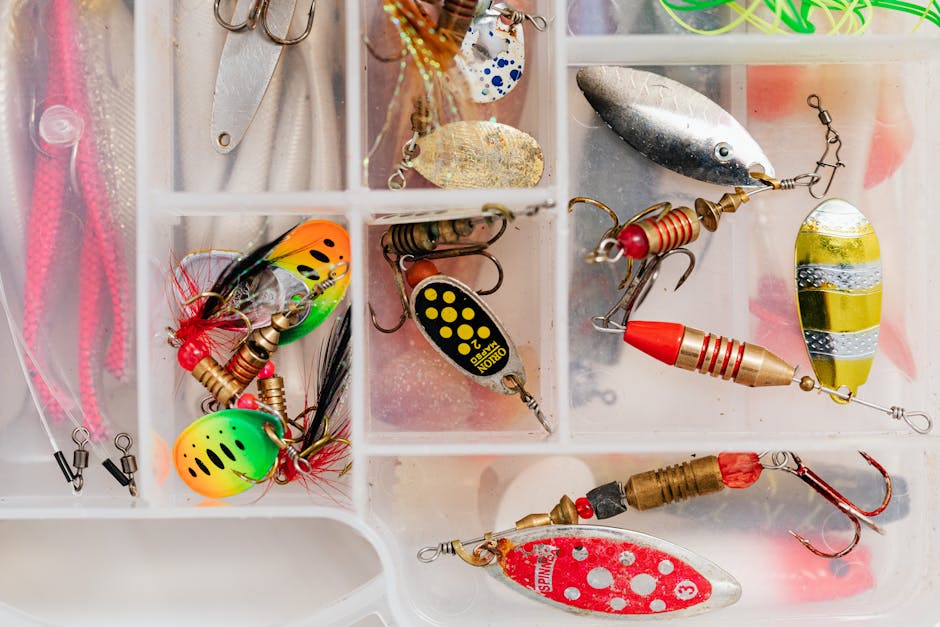 Soft plastics shine around structure. Docks, laydowns, brush piles and grass edges are where you want to put these baits.
Paddle Tail Swimbaits
A paddle tail swimbait has a boot-shaped tail that kicks back and forth on a steady retrieve, imitating a swimming baitfish. These are the soft plastic answer to a crankbait but with a more subtle, natural profile.
Best models: Keitech Swing Impact FAT, Strike King Rage Swimmer, Zoom Swimmin Super Fluke.
How to fish them: Rig on a weighted swimbait hook or a jighead and swim them on a steady retrieve. Vary your speed until you find what triggers bites. They also work on an underspin jig or as a swimbait trailer. Great for covering water when bass are feeding on shad.
Tubes
Tubes have a hollow body with tentacle-like appendages on the tail end. They fall on a spiral that looks like a dying baitfish or fleeing crawfish. Smallmouth bass absolutely destroy tubes. Largemouth eat them too, especially around rocky structure.
Best models: Gitzit Original, Strike King Coffee Tube.
How to fish them: Rig on an internal tube jighead and fish them on the fall around rock piles, bluff walls and deep points. The spiral fall is the key action. Let it sink on a semi-tight line and watch for the line to jump or go slack. Our full tube baits guide covers rigging options and color selection.
Grubs
Old school but still deadly. A 4-inch curly tail grub on a 1/4-ounce jighead is one of the most effective and underrated bass baits in existence. The curly tail thumps as it swims and flutters on the fall.
Best models: 4-inch curly tail grubs (any brand), Zoom Fat Albert.
How to fish them: Thread onto a round jighead and swim it with a slow steady retrieve. Cast to a point or along a bluff wall and swim it back at a moderate pace. Grubs also work great hopped along the bottom like a Ned rig style presentation.
Flukes and Soft Jerkbaits
Flukes are flat-bodied soft plastics that dart erratically when twitched. Fished weightless, they mimic a wounded baitfish struggling near the surface. The erratic darting action triggers aggressive reaction strikes.
Best models: Zoom Super Fluke, Berkley PowerBait Jerk Shad.
How to fish them: Rig weightless on a wide gap hook and fish with sharp twitches of the rod tip followed by pauses. The bait darts left and right like a dying shad. This is a topwater-adjacent technique that works especially well over submerged grass and around docks in clear water. For more on this style, read our flukes and soft jerkbaits guide.
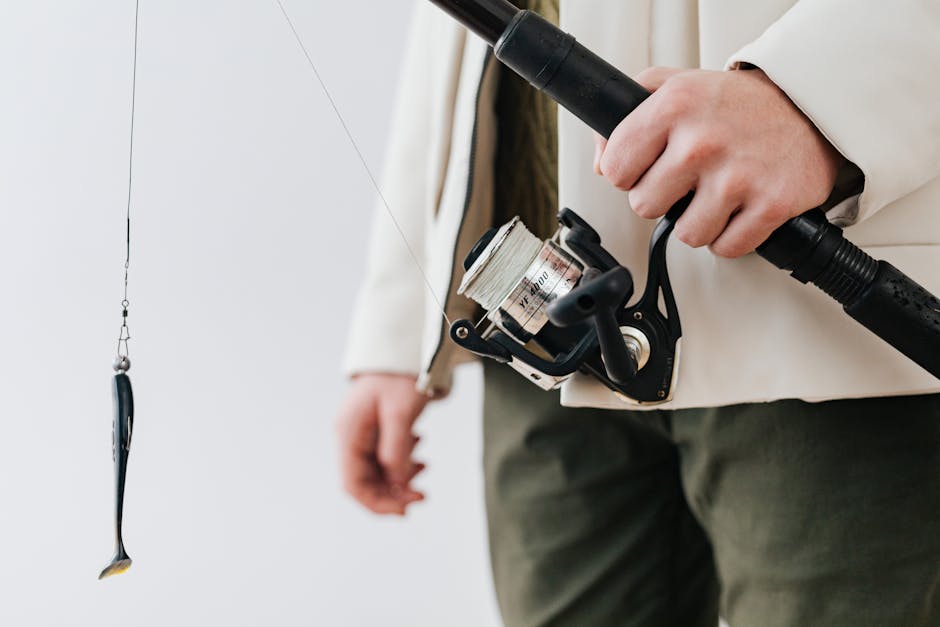 Different soft plastic shapes serve different purposes. Match the bait profile to what bass are eating in your lake.
Rigging Options at a Glance
Every soft plastic rig solves a specific problem. Here is the overview. Each one links to a full step-by-step guide.
- Texas Rig: Weedless. Fish heavy cover, grass and wood. The most versatile rig in bass fishing.
- Wacky Rig: Hook through the middle of a stick bait. Incredible fall action. Best for clear water and pressured fish.
- Ned Rig: Small mushroom jighead with a cut-down stick bait. Finesse technique that catches bass when nothing else works.
- Carolina Rig: Heavy weight separated from the bait by a long leader. Covers water and keeps the bait floating off the bottom.
- Drop Shot: Weight on the bottom with the bait suspended above it on the line. Deadly for suspended or finicky bass.
- Shaky Head: Small worm on a jighead with a flat bottom. Shakes and quivers in place when you twitch the rod. Great on rocky bottoms.
- Neko Rig: Weighted nail in the nose of a stick bait with a wacky hook through the middle. The nose sinks while the tail floats, creating a unique stand-up action.
- Jig Trailer: Thread a creature bait or crawfish onto a jig hook to add bulk and action to your bass jig.
- Weightless: No weight at all. The bait sinks slowly on its own action. Maximum natural movement.
Color Selection: Keep It Simple
Forget the 200-color wall at the tackle shop. You need five colors and a simple system.
Green pumpkin: The universal soft plastic color. It works in clear water, stained water, sunny days, cloudy days. If you only own one color, make it green pumpkin. When in doubt, green pumpkin.
Watermelon red flake: Clear water and sunny conditions. The red flake adds a subtle flash that imitates gill plates or crawfish markings.
Junebug: The dark horse. A dark purple with green flake that shines in stained water. Bass crush junebug-colored plastics in water with 1 to 3 feet of visibility. It looks like nothing natural but it flat-out works.
Black and blue: Muddy water and night fishing. Maximum contrast and silhouette. Bass find it by profile alone in zero-visibility conditions.
White or pearl: Match the shad. When bass are feeding on threadfin shad or gizzard shad, a white or pearl swimbait or fluke is the right call.
The rule: Clear water gets natural colors. Dirty water gets dark colors. Shad present means white. Everything else means green pumpkin.
Scent and Salt: Do They Matter?
Yes, but maybe not for the reasons you think.
Salt adds weight to the plastic, which helps it cast farther and fall slower. A heavily salted bait like a Yamamoto Senko sinks at the perfect rate for a dying baitfish shimmy. The salt also makes the bait feel more natural in the bass's mouth, so the fish holds on a fraction of a second longer before spitting it. That extra moment is often the difference between a hookup and a missed bite.
Scent formulas like Berkley PowerBait and MaxScent take it further. The amino acid-based scents trigger a feeding response that makes bass bite harder and hold on longer. MaxScent baits are noticeably more effective in tough conditions like cold fronts, heavy pressure and ultra-clear water. The trade-off is durability. Scented baits tear up faster and cost more per fish.
Are they worth it? In tough conditions, absolutely. On a normal day with active fish, standard plastics catch just as many bass.
Storage Tips That Save Your Baits
Soft plastics are made with plasticizers that keep them flexible. Different brands use different formulas, and when you mix brands in the same bag or box, those chemicals react. The baits melt together into a fused blob.
Keep baits in their original bags. This is the single most important storage rule. Do not dump everything into one big Plano box.
Use Plano StowAway boxes with dividers if you want to organize baits by color or type. Put each color in its own compartment and never mix brands in the same space.
Store bags flat, not standing up. Gravity pulls plasticizer to the bottom of the bag over time, making the bottom baits softer and the top baits harder.
Keep out of direct sunlight and heat. A tackle bag in a hot truck bed will warp and melt your plastics in a single afternoon.
FAQs
What is the best soft plastic lure for bass?
The 5-inch Yamamoto Senko in green pumpkin. It catches largemouth and smallmouth in every type of water across the country. Rig it wacky or weightless Texas and let it sink. More tournament bass have been weighed on Senkos than any other single bait.
What is the difference between a Texas rig and a wacky rig?
A Texas rig threads the hook through the head of the bait with the point buried for a weedless presentation. A wacky rig hooks through the middle of a stick bait so both ends flap freely on the fall. Texas rigs fish heavy cover. Wacky rigs fish open water and light cover with maximum action.
How do I choose the right soft plastic color?
Start with green pumpkin. It works in almost every condition. Use watermelon red flake in clear water, junebug in stained water, black and blue in muddy water and white when bass are feeding on shad. Match darker colors to dirtier water and lighter colors to clearer water.
Do soft plastic lures work in cold water?
Yes. Soft plastics are some of the best cold water bass baits because you can fish them extremely slowly. A Ned rig or a drop shot with a small finesse worm catches bass in water temperatures below 50 degrees when reaction baits get ignored.
How long do soft plastic lures last?
A single soft plastic bait usually lasts 3 to 10 bass before the body tears enough to affect the action. Heavily salted baits like Senkos tear faster. Scented baits like Berkley MaxScent tear the fastest. Standard plastics without heavy salt last the longest. At $4 to $6 per bag, soft plastics are still the cheapest way to catch bass.
Build Your Soft Plastics Playbook
Soft plastics reward anglers who pay attention to the details. Which worm catches fish on that one rocky point, what color works in your lake's stained water, which rig produces when the bite gets tough. The Tackle app helps you log those details after every trip so you stop guessing and start building a personal playbook based on real catches.
Ready to track your soft plastic catches and find the patterns? Download Tackle free.
Sources
- Wired2Fish - Soft Plastic Fishing Guide
- Bass Resource - Soft Plastic Techniques
- Tackle Warehouse - Soft Plastic Lures
Regulations change. Always check local rules before fishing.

Tackle Team
The Tackle Fishing Team is a collective of anglers, data scientists, and fishing enthusiasts dedicated to making fishing more accessible and successful for everyone.
View profileSources Consulted
The following sources were consulted in creating this guide:
- Wired2Fish – www.wired2fish.com (retrieved Mar 2026)
- Bass Resource – www.bassresource.com (retrieved Mar 2026)
- Tackle Warehouse – www.tacklewarehouse.com (retrieved Mar 2026)
Note: Information is summarized and explained in our own words. Always verify current regulations with official sources.
Frequently Asked Questions
What is the best soft plastic lure for bass?
The 5-inch Yamamoto Senko in green pumpkin. It catches largemouth and smallmouth in every type of water across the country. Rig it wacky or weightless Texas and let it sink. More tournament bass have been weighed on Senkos than any other single bait.
What is the difference between a Texas rig and a wacky rig?
A Texas rig threads the hook through the head of the bait with the point buried for a weedless presentation. A wacky rig hooks through the middle of a stick bait so both ends flap freely on the fall. Texas rigs fish heavy cover. Wacky rigs fish open water and light cover with maximum action.
How do I choose the right soft plastic color?
Start with green pumpkin. It works in almost every condition. Use watermelon red flake in clear water, junebug in stained water, black and blue in muddy water and white when bass are feeding on shad. Match darker colors to dirtier water and lighter colors to clearer water.
Do soft plastic lures work in cold water?
Yes. Soft plastics are some of the best cold water bass baits because you can fish them extremely slowly. A Ned rig or a drop shot with a small finesse worm catches bass in water temperatures below 50 degrees when reaction baits get ignored.
How long do soft plastic lures last?
A single soft plastic bait usually lasts 3 to 10 bass before the body tears enough to affect the action. Heavily salted baits like Senkos tear faster. Scented baits like Berkley MaxScent tear the fastest. Standard plastics without heavy salt last the longest. At $4 to $6 per bag, soft plastics are still the cheapest way to catch bass.
Plan Your Next Fishing Trip
Download Tackle to compare tide charts, wind conditions, and practical fishing guidance for your location before you go.
✓ Real-time tide charts • ✓ Wind & weather forecasts • ✓ AI fish identification
See local regulations — Find regulations for your area
Want weekly fishing windows delivered to your inbox?
Get personalized fishing forecasts based on weather, tides, and moon phases.
RELATED CONTENT
KEEP READING