

Crankbaits can help you cover water and may trigger reaction strikes when they match the depth, forage, and conditions. They are one hard-bait option to consider alongside spinnerbaits and finesse presentations. (Though spinnerbaits are a close second.)
This guide breaks down every type of crankbait, when to throw each one, how to work them and the mistakes that cost most anglers fish.
What Makes Crankbaits Work
A crankbait is a hard-bodied lure with a plastic lip (called a bill) that forces it to dive when you reel. The bill also makes the bait wobble side to side, imitating an injured baitfish. Bass are wired to attack wounded prey. That wobble is the trigger.
The size and angle of the bill determines how deep the bait runs. Steep bills dive shallow. Flat bills dive deep. Simple as that.
Get Personalized Fishing Advice
Want real-time conditions for your exact location? Tackle provides live tide data, wind forecasts, and AI-powered fishing advice tailored to where you fish.
✓ Real-time tide charts • ✓ Wind & weather forecasts • ✓ AI fish identification
Types of Crankbaits
Shallow Diving (Square Bills)
Square bill crankbaits run 1 to 5 feet deep. The squared-off lip deflects off cover instead of digging in, which makes them perfect for fishing around laydowns, stumps, docks and riprap.
Best situations: Prespawn when bass are shallow. Fall when they push up to feed. Anytime fish are holding tight to shallow wood or rock.
Key models: Strike King KVD 1.5, Rapala DT-6, Berkley Frittside.
Medium Diving Crankbaits
These run 5 to 12 feet and are the most versatile crankbaits you can own. They reach the depth zone where bass spend most of their time during spring through fall.
Best situations: Rock piles, channel swings, submerged timber in 6 to 10 feet. Great from late spring through early fall when bass are transitioning between shallow and deep.
Key models: Rapala DT-10, Strike King 5XD, Bomber Fat Free Shad.
Deep Diving Crankbaits
Deep divers reach 12 to 20 feet. They require long casts (you need distance for the bait to reach maximum depth) and heavier gear to handle the resistance.
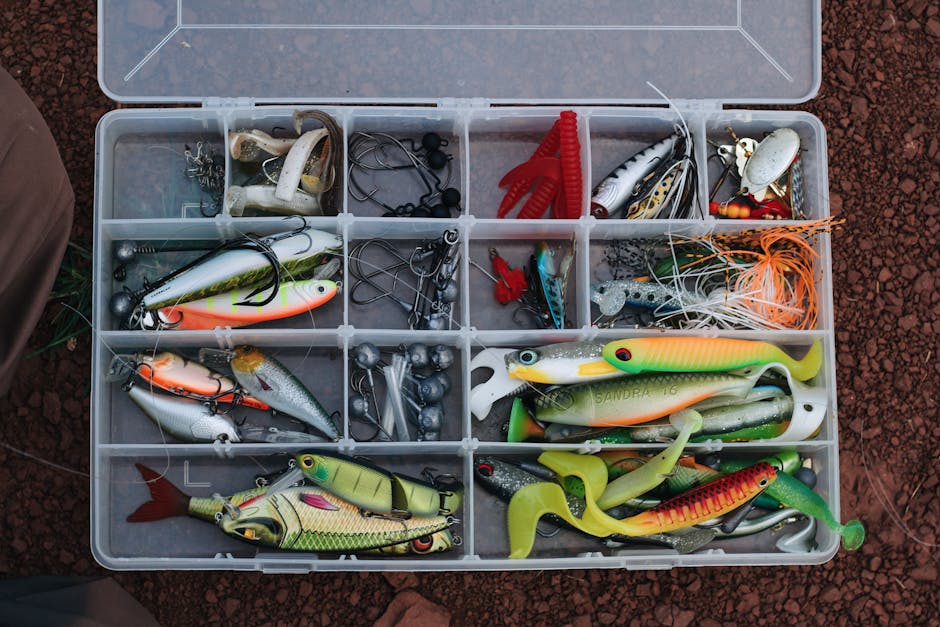
Best situations: Summer and winter when bass hold on deep structure. Offshore humps, points that drop into creek channels, deep rock transitions.
Key models: Strike King 6XD, Rapala DT-16, Norman DD22.
Lipless Crankbaits
No bill. They sink on a tight shimmy and vibrate hard on the retrieve. You control the depth by how fast you reel and how long you let them sink. For a deeper breakdown on this style, check out our lipless crankbait guide.
Best situations: Grass flats (rip them through vegetation tops), prespawn staging areas, anytime bass are feeding over submerged grass. They also work great for "yo-yo" retrieves in cold water.
Key models: Rat-L-Trap, Strike King Red Eye Shad, Booyah One Knocker.
Retrieval Techniques That Actually Work
The retrieve is where most anglers go wrong. A crankbait is not a "cast and reel" lure. How you work it matters more than what model you buy.
The Steady Retrieve
Reel at a consistent speed. Keep your rod tip pointed down toward the water to maximize depth. This is your bread-and-butter retrieve for covering water and finding active fish.
When to use it: Start here every time you hit the water. If bass are feeding and active, a steady retrieve is all you need.
Stop and Go
Reel 6 to 10 cranks, then pause for 1 to 3 seconds. The bait floats up on the pause (if it's a floating model) or suspends in place. Bass often hit during the pause or the second the bait starts moving again.
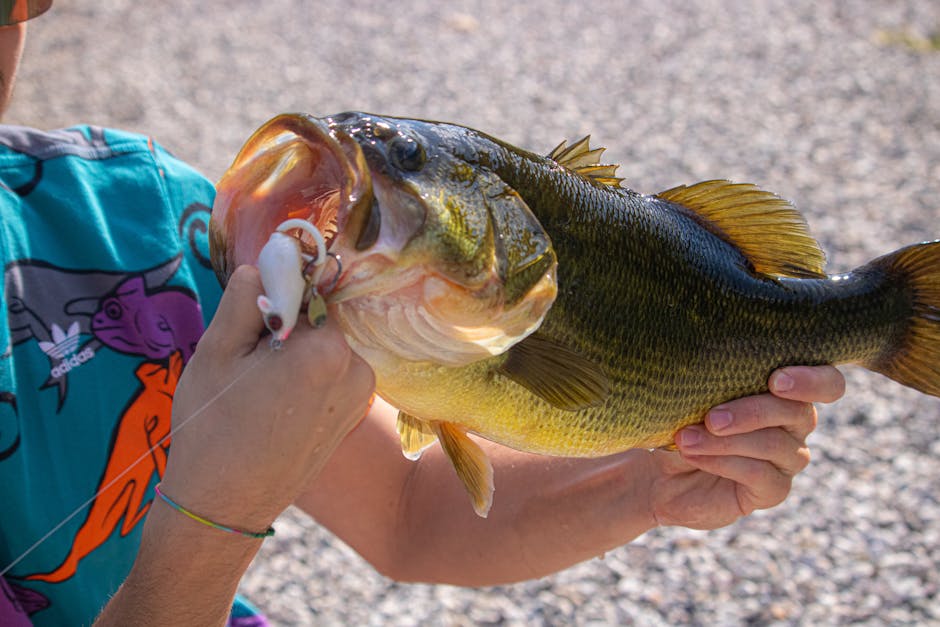
When to use it: Tough bites. Post-frontal conditions. Cold water where bass want a slower presentation but won't chase a worm.
Deflection Retrieve
This is the money technique. Cast so your crankbait contacts cover, rocks, stumps, or the bottom on every retrieve. When the bait hits something and kicks off at a random angle, that erratic movement triggers strikes from bass that would ignore a clean retrieve.
When to use it: Always, honestly. If your crankbait isn't hitting something, you're probably not in the right spot.
Burning (Speed Retrieve)
Reel as fast as you can with a lipless crankbait or shallow runner. The bait rips across the surface or just below it. This is a reaction-strike technique. Bass don't have time to inspect the bait. They just eat it.
When to use it: Fall feeding frenzies. Warm water when bass are aggressive. Over grass flats where you want to keep the bait above the vegetation.
Color Selection Made Simple
Forget the tackle shop wall of 200 colors. You need three categories:
Clear water: Natural shad patterns. Chrome, silver sides with a white or gray belly. Translucent finishes. Bass can see the bait clearly, so it needs to look realistic.
Stained water: Chartreuse and white combos. Firetiger. Anything with some brightness that bass can pick up through reduced visibility.
Muddy water: Dark colors with rattle. Black and blue, dark crawfish patterns. In dirty water bass rely on vibration more than sight, so the rattling matters more than the color. But dark silhouettes help them zero in.
Pro tip: When in doubt, crawfish-colored crankbaits work almost everywhere bass swim. Bass eat crawfish year-round.
Rod, Reel and Line Setup
Crankbait gear is different from your standard bass setup. (If you need help picking a rod first, see our fishing rod selection guide.) The rod does most of the work.
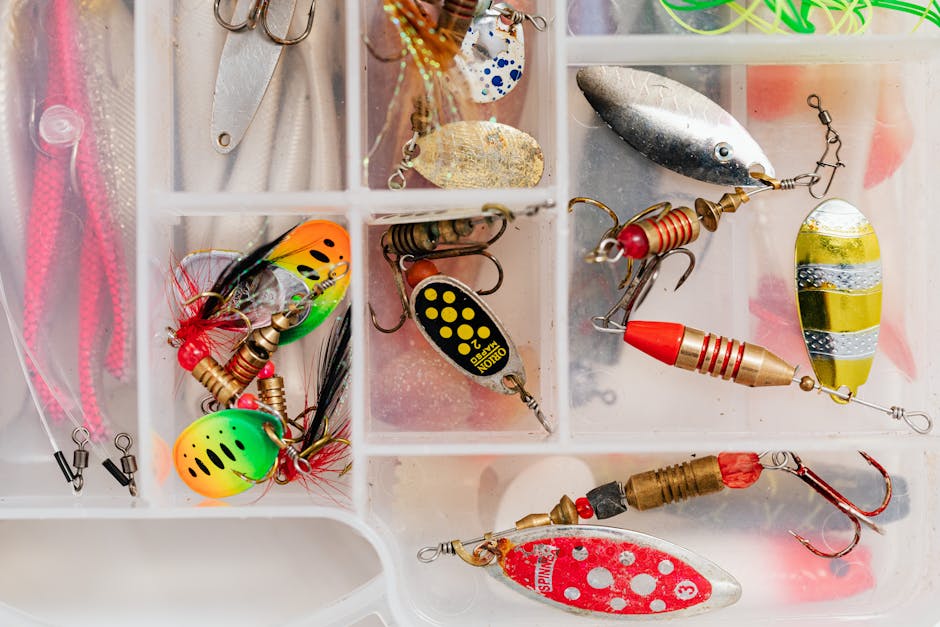
Rod: 7-foot medium power with moderate (parabolic) action. The slow taper lets the rod load and absorb head shakes so bass don't throw the bait. A fast-action rod rips treble hooks out of mouths.
Reel: Baitcaster with a 5.4:1 to 6.3:1 gear ratio. You don't want a high-speed reel because you'll naturally reel too fast.
Line: 10 to 12 pound fluorocarbon for medium and deep divers (it sinks, helping the bait reach max depth). 12 to 15 pound for square bills around heavy cover where you need to muscle fish out. Heavier line also keeps shallow crankbaits running higher in the water column.
5 Mistakes That Cost You Fish
-
Cranking in open water. Crankbaits are designed to hit things. If your bait isn't contacting bottom, rocks, wood, or grass on every cast, find a better spot or switch to a deeper-running model.
-
Using the same speed all day. Water temperature, time of day and bass mood all change. Vary your retrieve speed until you figure out what triggers bites that day.
-
Wrong bill for the depth. If bass are at 8 feet and you're throwing a square bill that runs 3 feet deep, you're fishing above them. Match your crankbait's diving depth to where the fish actually are.
-
Setting the hook like a worm bite. Crankbaits have treble hooks. You don't need a massive hookset. Just reel down and sweep the rod to the side. Hard hooksets straighten trebles and pull them free.
-
Never retying. Crankbaits put enormous stress on your line. The lip pulls against structure all day. Check for nicks and abrasion every 15 to 20 casts. Retie if anything feels rough.
Seasonal Crankbait Playbook
Early Spring (water 48-55 degrees): Lipless crankbaits over emerging grass. For a broader look at all bass lure types, check out our best bass lures guide. Slow yo-yo retrieve. Let it fall to the grass tops and rip it free.
Late Spring (55-68 degrees): Square bills around spawning flats and shallow cover. Steady to medium speed. Deflection off anything you can find.
Summer (70+ degrees): Deep divers on offshore structure. Long casts, rod tip in the water, steady grind. Focus on points, humps and creek channel bends. If you are targeting largemouth specifically, our how to catch largemouth bass guide covers the full seasonal playbook.
Fall (60-70 degrees): Everything works. Bass are aggressive and feeding up for winter. Burn lipless baits over grass. Crank square bills through shallow wood. Medium divers on transition banks.
Winter (below 50 degrees): Tight-wobble crankbaits with a very slow retrieve. Deep structure. Patience. The bites will be subtle.
FAQs
What is the best crankbait for beginners?
A medium-diving crankbait in a shad pattern. It covers the most versatile depth range (5-12 feet) and works in nearly every bass fishing scenario. The Strike King KVD 1.5 square bill is also beginner-friendly because it deflects off cover instead of getting snagged.
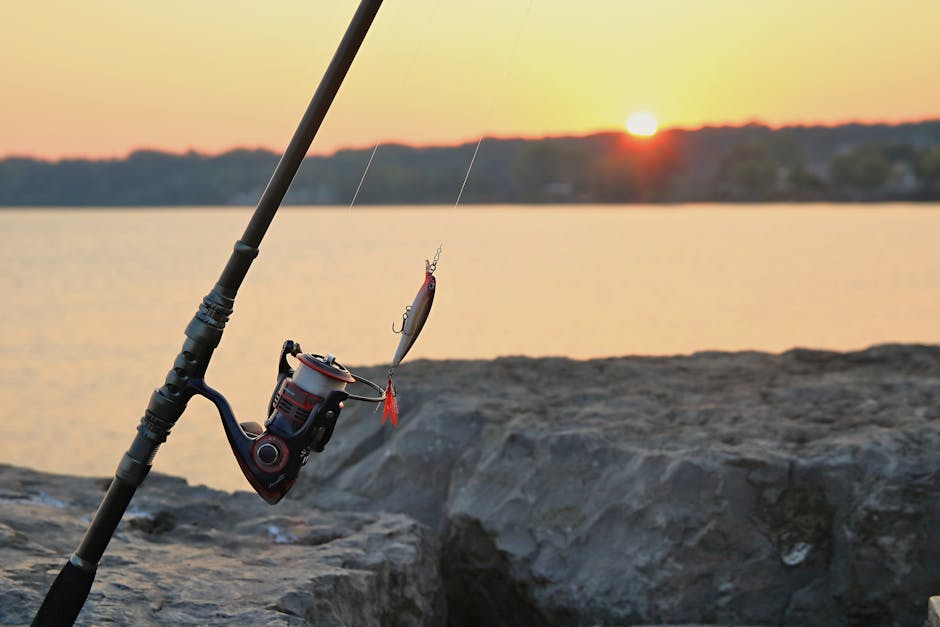
How do I keep my crankbait from getting stuck on the bottom?
Use the right diving depth for the water you're fishing. If you're constantly snagging, switch to a shallower-running model. When you feel the bait hit something, stop reeling for a half-second and let it float up. Then start again. The pause usually frees it.
What's the difference between a crankbait and a jerkbait?
Crankbaits are reeled steadily and dive based on their bill. Jerkbaits are worked with rod twitches and pauses. They're both hard baits but the techniques are very different. Crankbaits cover water. Jerkbaits work specific spots. For more detail, see our full jerkbait guide.
Do crankbaits work in saltwater?
They can. Smaller crankbaits work for speckled trout and redfish in shallow flats. But crankbaits were designed for freshwater bass fishing and that's where they excel. Saltwater anglers typically use different lure styles.
How fast should I reel a crankbait?
Fast enough to feel the wobble in your rod tip. If you can't feel the bait working, speed up. If it feels like it's fighting you too hard, slow down. As a starting point, make 3 to 4 handle turns per second for medium divers.
Start Fishing Smarter
Crankbaits reward anglers who pay attention. The right model at the right depth with the right retrieve will outfish random casting every time. The Tackle app helps you track which crankbaits work at which spots, water temps and conditions so you build a personal playbook over time.
Ready to log your crankbait catches and discover patterns? Download Tackle free.
Sources
- Wired2Fish - Crankbait Fishing Guide
- Bass Resource - Crankbait Techniques
- In-Fisherman - Deep Cranking Strategies
Regulations change. Always check local rules before fishing.

Tackle Team
The Tackle Fishing Team is a collective of anglers, data scientists, and fishing enthusiasts dedicated to making fishing more accessible and successful for everyone.
View profileSources Consulted
The following sources were consulted in creating this guide:
- Wired2Fish – www.wired2fish.com (retrieved Mar 2026)
- Bass Resource – www.bassresource.com (retrieved Mar 2026)
- In-Fisherman – www.in-fisherman.com (retrieved Mar 2026)
Note: Information is summarized and explained in our own words. Always verify current regulations with official sources.
Frequently Asked Questions
What is the best crankbait for beginners?
A medium-diving crankbait in a shad pattern. It covers the most versatile depth range (5-12 feet) and works in nearly every bass fishing scenario. The Strike King KVD 1.5 square bill is also beginner-friendly because it deflects off cover instead of getting snagged.
How do I keep my crankbait from getting stuck on the bottom?
Use the right diving depth for the water you're fishing. If you're constantly snagging, switch to a shallower-running model. When you feel the bait hit something, stop reeling for a half-second and let it float up. Then start again.
What's the difference between a crankbait and a jerkbait?
Crankbaits are reeled steadily and dive based on their bill. Jerkbaits are worked with rod twitches and pauses. They're both hard baits but the techniques are very different. Crankbaits cover water. Jerkbaits work specific spots.
Do crankbaits work in saltwater?
They can. Smaller crankbaits work for speckled trout and redfish in shallow flats. But crankbaits were designed for freshwater bass fishing and that's where they excel.
How fast should I reel a crankbait?
Fast enough to feel the wobble in your rod tip. If you can't feel the bait working, speed up. As a starting point, make 3 to 4 handle turns per second for medium divers.
Plan Your Next Fishing Trip
Download Tackle to compare tide charts, wind conditions, and practical fishing guidance for your location before you go.
✓ Real-time tide charts • ✓ Wind & weather forecasts • ✓ AI fish identification
See local regulations — Find regulations for your area
Want weekly fishing windows delivered to your inbox?
Get personalized fishing forecasts based on weather, tides, and moon phases.
RELATED CONTENT
KEEP READING