

Some days the bass just won't commit. The water is cold, the bite is tough and every lure in your box comes back empty. That's when you tie on a jerkbait. These slim, minnow-shaped hard baits sit perfectly still in the strike zone and dare a bass to ignore them. Most can't.
If you've been relying on crankbaits and spinnerbaits alone, you're leaving fish in the water during the toughest months. This guide breaks down the three jerkbait types, the cadence that triggers strikes, when to throw them, specific models worth buying and the gear to run them on.
What Jerkbaits Are and Why Bass Can't Resist Them
A jerkbait is a long, slender hard bait with a small lip that dives 3 to 8 feet. Unlike crankbaits that you reel steadily, jerkbaits are worked with sharp snaps of the rod tip followed by pauses. That darting, stopping action imitates a dying baitfish. It's the pause that does the heavy lifting.
When a jerkbait stops moving, it sits motionless at the exact depth where bass are holding. A bass might follow for several jerks without committing. But when the bait stops and just hangs there, suspended and vulnerable, they eat.
Get Personalized Fishing Advice
Want real-time conditions for your exact location? Tackle provides live tide data, wind forecasts, and AI-powered fishing advice tailored to where you fish.
✓ Real-time tide charts • ✓ Wind & weather forecasts • ✓ AI fish identification
Three Types of Jerkbaits
Suspending Jerkbaits
The standard. A suspending jerkbait is weighted so it stays at its running depth when you stop reeling. It hovers in place like a stunned baitfish. Suspending models work in water temps from the low 40s through the 60s.
When to throw them: 90% of the time. Cold water, post-frontal conditions, clear water with suspended bass.
Floating Jerkbaits
Floating models rise slowly toward the surface on the pause. They run shallower (usually 1 to 4 feet) and work best over shallow cover where a suspending bait might hang up.
When to throw them: Shallow flats in spring. Over submerged grass. Anywhere bass hold in less than 4 feet.
Sinking Jerkbaits
These drop on the pause, letting you reach bass deeper than a standard jerkbait's range. Less common but deadly in the right spots.
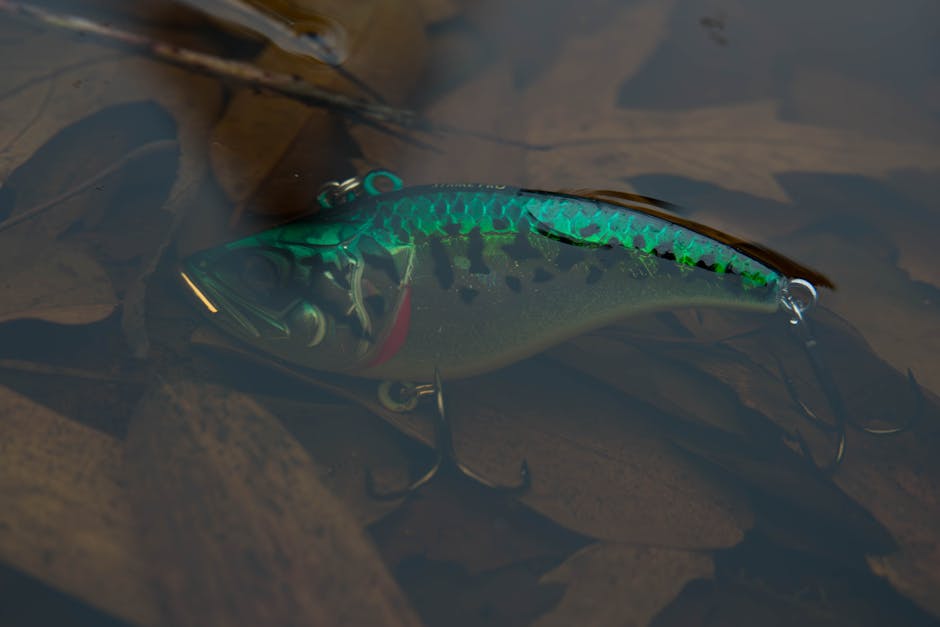
When to throw them: Deep cold water in winter. Bass suspended at 10 to 15 feet. Steep bluff walls where you need the bait to fall along the face.
The Jerk-Jerk-Pause Cadence
This is the technique that makes jerkbaits work. Get it right and you'll catch fish when everyone around you is getting skunked.
- Snap the rod tip down 6 to 12 inches with a sharp wrist motion. The bait darts to one side.
- Reel up the slack (half to one full crank). Don't reel while snapping. Snap first, then reel.
- Snap again. The bait darts the other direction.
- Pause for 2 to 10 seconds. The bait sits motionless at depth. This is where bites happen.
Jerk, reel slack, jerk, reel slack, pause. Repeat all the way back to the boat.
Adjusting the Pause
The pause length is the single most important variable. Water temperature tells you what to do.
55+ degrees: Short pauses, 1 to 3 seconds. Bass are active and will chase.
45 to 55 degrees: Medium pauses, 3 to 6 seconds. Prime jerkbait range.
Below 45 degrees: Long pauses, 6 to 10 seconds (sometimes longer). Bass are sluggish and need the bait sitting in their face.
If you're not getting bit, add more pause time before you change baits. Two extra seconds is often the difference between zero and a limit.
When Jerkbaits Dominate
Water temperature 45 to 55 degrees. Late fall through early spring is prime jerkbait season.
Post-cold front. After a front pushes through and the bite dies, the long pause gives lethargic bass time to react.
Clear water. Jerkbaits are visual baits. Bass need to see them. Water clarity of 2 feet or more is ideal.
Suspended bass. When fish are hanging in the water column and not relating to bottom or cover, a jerkbait is one of the only ways to reach them.
When to Skip Jerkbaits
Summer heat. When water temps push past 75 degrees, other presentations work better. Check out our best bass lures guide for warm-water options.
Heavy cover. Exposed treble hooks grab everything. Thick grass, laydowns and brush piles will eat your bait.
Muddy water. If visibility is under a foot, bass can't track the darting action. Switch to something with more vibration.
Jerkbait Models Worth Buying
Megabass Vision 110. The gold standard. Perfect suspension and a subtle shimmy on the pause. Expensive but worth it.
Rapala X-Rap. Great mid-price option with solid darting action. The 10 size is the most versatile.
Strike King KVD Jerkbait. Affordable, well-balanced and available in tons of colors. Perfect starting point for beginners.
Lucky Craft Pointer 100. Excellent suspension and a tight wobble on the pause. The 100 SP is the classic.
Duo Realis Jerkbait 120SP. Sharp darting action and solid construction. A tournament favorite.
Color Selection
Three rules cover 90% of situations.
Clear water: Natural, translucent finishes. Ghost minnow, clear shad, aurora. Match whatever forage bass are eating.
Stained water: Brighter, more opaque colors. Chartreuse shad, firetiger, table rock shad. Bass need help finding the bait when visibility drops.
Match the local baitfish. Threadfin shad lake? Silver and white. Blueback herring? Blue and chrome. Matching size and color gives bass fewer reasons to refuse.
Rod, Reel and Line Setup
Jerkbait fishing is all in the wrists. The rod matters more than you think.
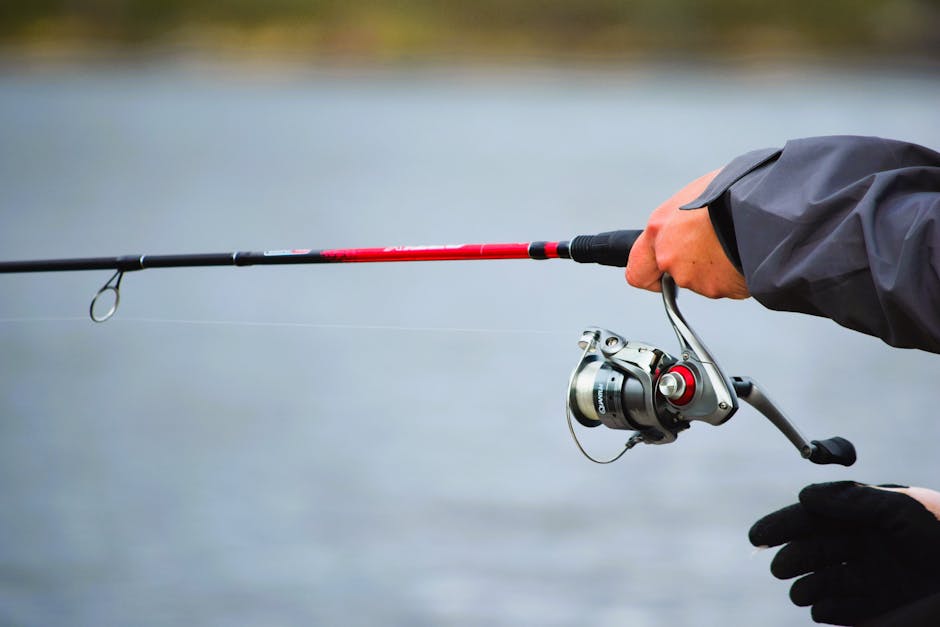
Rod: 6 foot 8 inches to 7 feet. Medium power. Moderate-fast action. You need tip flex to snap the bait without ripping it out of the water, plus enough backbone to drive hooks at distance.
Reel: Baitcaster with a 6.3:1 gear ratio. You're just picking up slack between snaps. A moderate-speed reel keeps you from retrieving too fast.
Line: 8 to 10 pound fluorocarbon. Fluoro sinks (helps the bait hold depth) and is nearly invisible in water. Avoid braid (floats, too visible) and mono (too much stretch for a good snap).
5 Common Mistakes
-
Not pausing long enough. The number one mistake. On tough days, bass need 5 to 10 seconds to commit. Count it out.
-
Reeling during the snap. These are two separate motions. Snap the rod down, then reel the slack. Doing both at once moves the bait forward instead of darting it side to side.
-
Using too heavy a line. Thick line keeps the bait from reaching its designed running depth. A jerkbait rated to 6 feet on 15-pound fluoro might only hit 3 or 4.
-
Wrong conditions. Throwing a jerkbait in 80-degree water or zero-visibility mud is a waste of time. Save them for cool, clear water.
-
Never changing the cadence. Jerk-jerk-pause is the starting point. Try jerk-jerk-jerk-pause or a single snap with a long pause. Experiment until the bass tell you what they want.
Seasonal Jerkbait Playbook
Late Fall (50 to 58 degrees): Bass feed on shad pushed into creek arms. Suspending jerkbaits on main lake points and secondary points. Medium pauses.
Winter (42 to 50 degrees): Prime time. Bluff walls, steep banks and main lake rock. Long pauses (5 to 10 seconds). Downsize if bites are short.
Early Spring (48 to 58 degrees): Bass stage on prespawn areas near spawning banks and channel swings. Suspending models with 3 to 5 second pauses. Tournament-winning season for the jerkbait.
Late Spring (58 to 68 degrees): Bass move shallow. Floating models over flats and near docks. Shorter pauses, more aggressive snaps.
Summer and Early Fall: Jerkbaits take a back seat. But on overcast days when shad school on the surface, a fast-worked jerkbait can trigger blowups.
FAQs
What is the best jerkbait for beginners?
The Strike King KVD Jerkbait. It's affordable, suspends well out of the box and is forgiving to fish. Once you get the technique down, step up to a Megabass Vision 110 or Lucky Craft Pointer.
Can you fish a jerkbait on a spinning rod?
You can, but a baitcaster is better. The repeated snapping motion is more comfortable with a baitcaster and you get better slack line control. If spinning is all you have, use a 7-foot medium rod and keep your wrist movements sharp.
How do I make a jerkbait suspend perfectly?
Add SuspenDots or SuspenStrips (small adhesive weights) to the belly until the bait stays motionless at depth. Water temperature affects suspension too. Colder water is denser, so a bait that suspends at 55 degrees might slowly float at 70.
What's the difference between a jerkbait and a crankbait?
Crankbaits are reeled on a steady retrieve and rely on their lip to create wobble. Jerkbaits are worked with rod snaps and pauses. The key difference: a jerkbait sitting still in the strike zone is doing its job. A crankbait sitting still is doing nothing.
Do jerkbaits work for species other than bass?
Absolutely. Walleye anglers have used jerkbaits for decades in cold, clear water. Pike and muskie hit larger profiles. Spotted bass, smallmouth and even trout will eat a jerkbait worked slowly in cold water.
Start Logging Your Jerkbait Bites
Once you start throwing jerkbaits seriously, you'll notice patterns. The pause length that works at 48 degrees is different from 53 degrees. Certain colors work on certain lakes. The Tackle app lets you log every catch with water temp, bait color, cadence notes and location so you build a personal playbook over time.
Ready to dial in your jerkbait game? Download Tackle free.
Sources
- Wired2Fish - Jerkbait Fishing Guide
- Bass Resource - Jerkbait Techniques
- In-Fisherman - Cold Water Jerkbait Strategies
Regulations change. Always check local rules before fishing.

Tackle Team
The Tackle Fishing Team is a collective of anglers, data scientists, and fishing enthusiasts dedicated to making fishing more accessible and successful for everyone.
View profileSources Consulted
The following sources were consulted in creating this guide:
- Wired2Fish – www.wired2fish.com (retrieved Mar 2026)
- Bass Resource – www.bassresource.com (retrieved Mar 2026)
- In-Fisherman – www.in-fisherman.com (retrieved Mar 2026)
Note: Information is summarized and explained in our own words. Always verify current regulations with official sources.
Frequently Asked Questions
What is the best jerkbait for beginners?
The Strike King KVD Jerkbait. It's affordable, suspends well out of the box, comes in plenty of colors and is forgiving to fish. Once you get the technique down, step up to a Megabass Vision 110 or Lucky Craft Pointer.
Can you fish a jerkbait on a spinning rod?
You can, but a baitcaster is better for this technique. The repeated snapping motion is more comfortable with a baitcaster and you get better control over slack line. If spinning is all you have, use a 7-foot medium rod and keep your wrist movements sharp.
How do I make a jerkbait suspend perfectly?
Most suspending jerkbaits need fine-tuning. Add SuspenDots or SuspenStrips (small adhesive weights) to the belly of the bait until it stays motionless at depth. Water temperature affects suspension too. Colder water is denser, so a bait that suspends at 55 degrees might slowly float at 70 degrees.
What's the difference between a jerkbait and a crankbait?
Crankbaits are reeled on a steady retrieve and rely on their lip to create wobble. Jerkbaits are worked with rod snaps and pauses. The key difference is the pause. A jerkbait sitting still in the strike zone is doing its job. A crankbait sitting still is doing nothing.
Do jerkbaits work for species other than bass?
Absolutely. Walleye anglers have used jerkbaits for decades in cold, clear water. Pike and muskie hit larger jerkbait profiles. Spotted bass, smallmouth and even trout will eat a jerkbait worked slowly in cold water.
Plan Your Next Fishing Trip
Download Tackle to compare tide charts, wind conditions, and practical fishing guidance for your location before you go.
✓ Real-time tide charts • ✓ Wind & weather forecasts • ✓ AI fish identification
See local regulations — Find regulations for your area
Want weekly fishing windows delivered to your inbox?
Get personalized fishing forecasts based on weather, tides, and moon phases.
RELATED CONTENT
KEEP READING