

Spinnerbaits are the Swiss Army knife of bass fishing. They work in clear water and mud. They work in 2 feet and 20 feet. They run through cover that would bury a crankbait and come out clean on the other side. If you had to pick one lure to fish with for the rest of your life (see all the contenders in our best bass lures guide), a spinnerbait would be a strong argument.
This guide covers everything from blade selection to retrieval techniques to the mistakes that keep anglers from getting the most out of this lure.
How Spinnerbaits Work
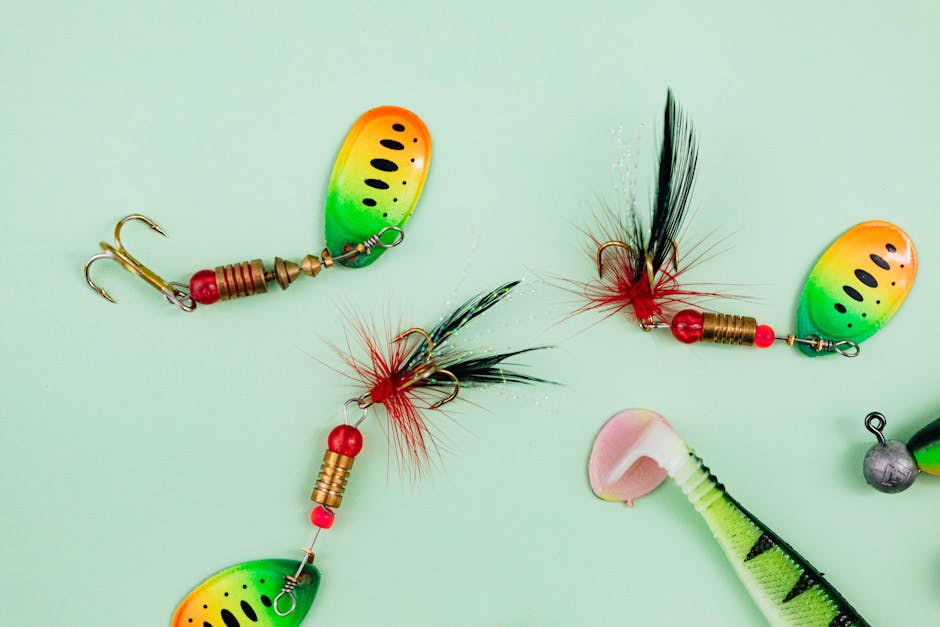
A spinnerbait rides on a bent wire frame shaped like a safety pin. The top arm holds one or two spinning blades that flash and vibrate. The bottom arm holds a weighted head with a silicone skirt and a hook hidden inside it.
The spinning blades do two things. They create flash that mimics a school of baitfish and they put out vibration that bass can detect through their lateral line even when they can't see the lure. The wire frame acts as a weed guard, letting the bait slide through brush and timber without snagging.
Get Personalized Fishing Advice
Want real-time conditions for your exact location? Tackle provides live tide data, wind forecasts, and AI-powered fishing advice tailored to where you fish.
✓ Real-time tide charts • ✓ Wind & weather forecasts • ✓ AI fish identification
Blade Types and When to Use Each One
The blade is the engine of a spinnerbait. Different shapes produce different amounts of vibration, flash and lift. Choosing the right blade for the conditions is half the battle.
Colorado Blades
Round and cupped. They spin slowly with a wide rotation, putting out maximum vibration and thump. You can feel a Colorado blade working through the rod.
When to use: Muddy or stained water where bass are hunting by feel. Cold water when you want a slow presentation. Night fishing. Anytime visibility is less than a foot.
Willow Leaf Blades
Long and narrow like a willow leaf. They spin tight and fast with maximum flash but minimal vibration. They also create less lift, so the bait runs deeper.
When to use: Clear water where bass are using their eyes. Over grass because the narrow profile slides through vegetation without collecting weeds. High-speed retrieves in warm water.
Indiana Blades
Somewhere between a Colorado and a willow leaf in both shape and performance. Moderate vibration with moderate flash.
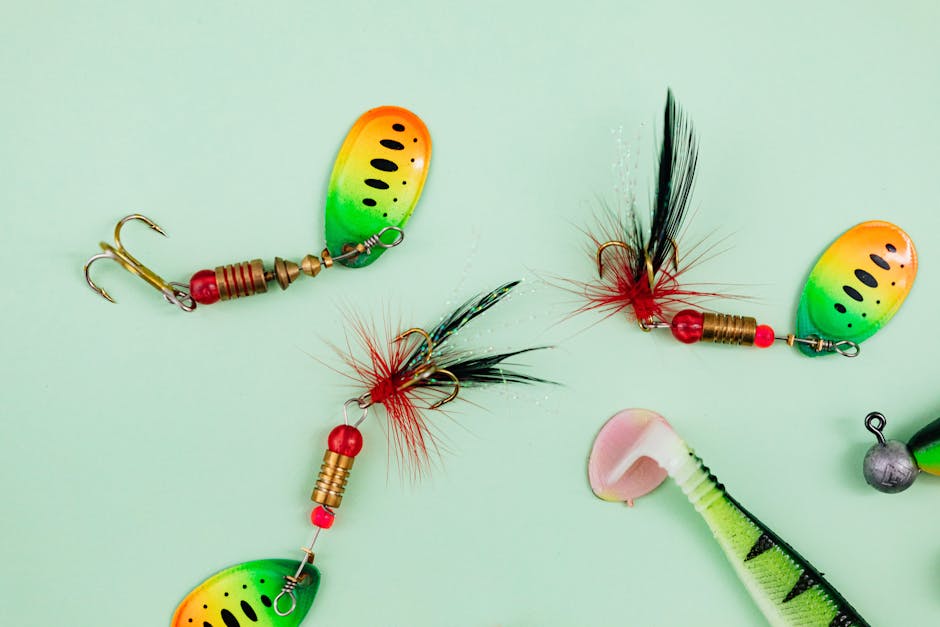
When to use: When you're not sure what the conditions call for. Indiana blades are the safe middle ground.
Tandem Blades
Two blades on the same arm. Usually a smaller Colorado in front and a larger willow leaf behind. The combination gives you both vibration and flash.
When to use: This is the most popular configuration for a reason. It works in most conditions. The front blade keeps the lure spinning even when the back blade gets bumped by cover, which prevents the bait from laying over and snagging.
Retrieval Techniques
Slow Rolling
This is the technique that catches the biggest bass on spinnerbaits. Reel just fast enough to keep the blades turning and the bait upright. Let it tick along 1 to 2 feet off the bottom.
Slow rolling works because it keeps the spinnerbait in the strike zone longer than any other retrieve. Big bass sitting in deep brush or along channel edges won't chase a fast-moving bait. But they'll inhale something that drifts right past their face.
Best setup: 3/4-ounce spinnerbait with a single Colorado blade. The heavier weight keeps it down. The Colorado blade provides enough lift and vibration at slow speeds.
Where to use it: Channel swings with brush. Deep docks. Submerged timber in 8 to 15 feet. Cold water (below 55 degrees) when bass are lethargic. For the full breakdown on targeting largemouth in these spots, see how to catch largemouth bass.
Burning
The opposite of slow rolling. Reel as fast as possible so the bait bulges the surface or runs just underneath it. The blades create a visible wake that draws explosive strikes.
Best setup: 3/8 to 1/2-ounce with double willow leaf blades. Light weight stays near the surface. Willow blades handle high speed without tangling.
Where to use it: Over shallow grass flats. Along seawalls. Fall feeding windows when bass are chasing shad on the surface. Warm water above 65 degrees. If you like this aggressive surface style, buzzbaits take it a step further with a louder topwater disturbance.
The Helicopter (Fall Technique)
Cast the spinnerbait past your target, let it sink on a semi-tight line. The blades will spin on the fall, slowing the descent and creating flash as the bait helicopters down. Let it fall next to docks, bridge pilings, or standing timber.
Best setup: 1/2-ounce with a single willow blade. You want some weight to get it down but enough blade to slow the fall.
Where to use it: Dock fishing. Vertical structure. Bass holding tight to shade in summer.
Color and Skirt Selection
Spinnerbait color strategy is straightforward:
Clear water: White or white/chartreuse skirt with nickel or silver blades. Natural. Subtle.
Stained water: Chartreuse and white skirt with gold blades. The gold flash cuts through tinted water better than silver.
Muddy water: Black and blue or solid chartreuse skirt with gold Colorado blade. Maximum contrast and vibration.
Sunny days: Bass push into cover on bright days. Darker skirts (black/blue) and a slower presentation near shade.
Cloudy/windy: White or chartreuse skirts. Fish more aggressively. Wind positions baitfish against banks and bass follow.
Trailer Options
A trailer on the hook adds bulk, action and a target for short-striking fish.
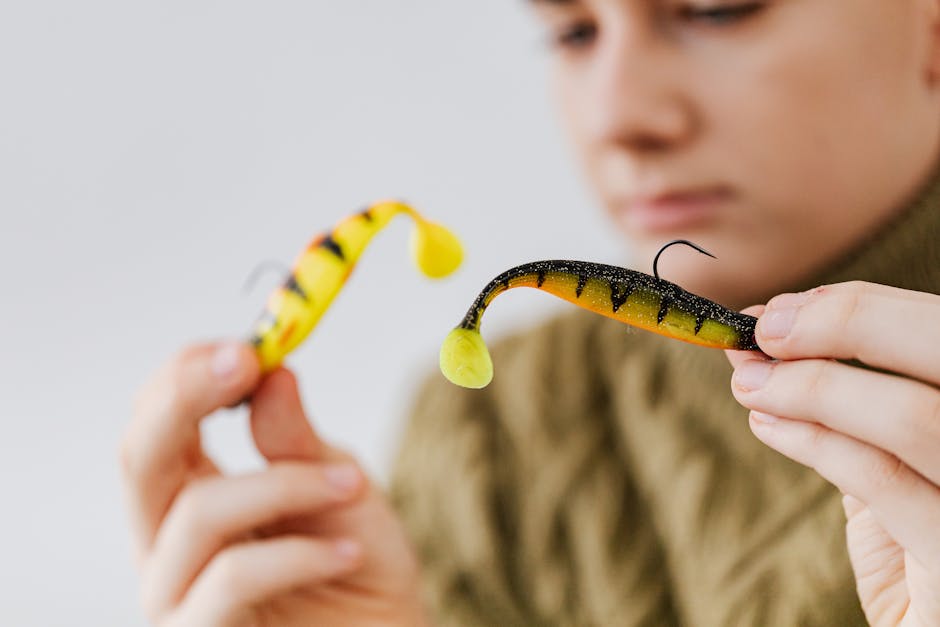
Swimbaits (3 to 4 inch): The most common trailer. Adds a swimming tail action behind the skirt. Keitech Swing Impact or Strike King Rage Swimmer work well.
Grubs (4 inch): A curly-tail grub adds subtle action without much bulk. Good for cold water or finicky fish.
No trailer: Totally fine for burning or when you want a compact profile. Don't overthink it.
Trailer hook: A stinger hook hanging off the main hook catches short-striking fish. Essential when bass are swiping at the bait but not committing.
Rod, Reel and Line Setup
Rod: 7-foot medium-heavy power with a moderate-fast tip. You need backbone to set the hook (see our rod selection guide for details) through the skirt and wire frame, but enough tip sensitivity to feel the blades working.
Reel: 5.3:1 to 6.3:1 baitcaster. A moderate gear ratio keeps you from reeling too fast on slow rolls. You can always speed up your hand for burning.
Line: 17-pound fluorocarbon is the standard. Heavy enough to handle cover, thin enough for casting distance. Some anglers use 40-pound braid with a fluoro leader for extra sensitivity.
Common Mistakes
-
Reeling too fast. Most anglers fish spinnerbaits too fast. Unless you're intentionally burning the bait, slow down. If you can't feel the blade thumping, you're going too fast or the blade is stalling.
-
Fishing below the bass. Spinnerbaits work best when bass are looking up at them. Keep the bait in the upper half of the water column or just above structure. If it's dragging bottom, switch to a jig.
-
Setting the hook too early. When you see a bass blow up on a spinnerbait, resist the urge to swing immediately. Wait until you feel the weight of the fish. Bass often hit spinnerbaits from behind and need a split second to turn on the hook.
-
Never tuning the bait. After catching a fish or hitting cover, check that the wire frame is straight. If the blades aren't spinning true, bend the arm back into alignment. A spinnerbait that runs crooked looks wrong to bass.
-
Ignoring wind. Wind is your best friend with a spinnerbait. It pushes baitfish against windblown banks and creates surface chop that hides your line. Always fish the windy side of the lake.
Pro Techniques Worth Stealing
Kevin VanDam's surface burn: KVD throws a 3/4-ounce double willow spinnerbait as fast as he can reel over shallow grass. The heavy weight with high-speed retrieve creates a unique commotion that big bass can't resist.
Jason Christie's deflection game: Cast tight to cover and intentionally bang the spinnerbait off docks, stumps and laydowns. The direction change after contact triggers reaction strikes. Vary your speed after each deflection.
The criss-cross pattern: On a long point, don't just cast parallel. Fan cast the entire point, then come back and fish it from the opposite angle. Bass that ignored your bait from one direction will eat it from another.
FAQs
What size spinnerbait should I use?
Start with 3/8-ounce for shallow water and 1/2 to 3/4-ounce for deeper water and heavy cover. The weight controls depth more than speed does.
Can I use spinnerbaits in clear water?
Absolutely. Switch to willow leaf blades, a white skirt and a faster retrieve. The flash mimics a school of shad. Many tournament pros throw spinnerbaits in clear water all the time.
Do spinnerbaits work for species besides bass?
Yes. Pike, musky, walleye and even saltwater species like striped bass hit spinnerbaits. Upsize the blade and skirt for bigger fish.
What's the best time of year for spinnerbaits?
They work year-round but are especially effective in spring (prespawn through post-spawn) and fall (feeding periods). In summer, slow roll them deep. In winter, downsize and go ultra-slow.
How do I prevent my spinnerbait from rolling over?
Slow down your retrieve. If the bait rolls to one side, the blades are producing more lift than the head weight can handle. Switch to a heavier head or smaller blades.
Track What Works
Spinnerbaits are a confidence bait. The more you throw them, the more you learn what works in your waters. Tackle helps you log which blade combos, colors and retrieves produce at each spot so you're not starting from scratch every trip.
Download Tackle and start building your spinnerbait playbook.
Sources
- Bass Resource - Spinnerbait Guide
- Wired2Fish - Spinnerbait Techniques
- Bassmaster - Pro Spinnerbait Tips
Regulations change. Always check local rules before fishing.

Tackle Team
The Tackle Fishing Team is a collective of anglers, data scientists, and fishing enthusiasts dedicated to making fishing more accessible and successful for everyone.
View profileSources Consulted
The following sources were consulted in creating this guide:
- Bass Resource – www.bassresource.com (retrieved Mar 2026)
- Wired2Fish – www.wired2fish.com (retrieved Mar 2026)
- Bassmaster – www.bassmaster.com (retrieved Mar 2026)
Note: Information is summarized and explained in our own words. Always verify current regulations with official sources.
Frequently Asked Questions
What size spinnerbait should I use?
Start with 3/8-ounce for shallow water and 1/2 to 3/4-ounce for deeper water and heavy cover. The weight controls depth more than speed does.
Can I use spinnerbaits in clear water?
Absolutely. Switch to willow leaf blades, a white skirt, and a faster retrieve. The flash mimics a school of shad. Many tournament pros throw spinnerbaits in clear water all the time.
Do spinnerbaits work for species besides bass?
Yes. Pike, musky, walleye, and even saltwater species like striped bass hit spinnerbaits. Upsize the blade and skirt for bigger fish.
What's the best time of year for spinnerbaits?
They work year-round but are especially effective in spring (prespawn through post-spawn) and fall (feeding periods). In summer, slow roll them deep. In winter, downsize and go ultra-slow.
How do I prevent my spinnerbait from rolling over?
Slow down your retrieve. If the bait rolls to one side, the blades are producing more lift than the head weight can handle. Switch to a heavier head or smaller blades.
Plan Your Next Fishing Trip
Download Tackle to compare tide charts, wind conditions, and practical fishing guidance for your location before you go.
✓ Real-time tide charts • ✓ Wind & weather forecasts • ✓ AI fish identification
See local regulations — Find regulations for your area
Want weekly fishing windows delivered to your inbox?
Get personalized fishing forecasts based on weather, tides, and moon phases.
RELATED CONTENT
KEEP READING