

Learn how to find and catch striped bass from the surf, from a boat and in river tailraces. This guide covers coastal and landlocked fish.
Best for: Beginner to Advanced anglers
What you need: Medium-heavy rod (7-10' depending on method), spinning or conventional reel, 20-30 lb braid with fluorocarbon leader, bucktails or live bait
Do this first: Tie a 1 oz white bucktail jig on 30 lb braid with a 3 ft leader of 30 lb fluorocarbon. Cast it into moving water near structure and bounce it along the bottom with short hops. That single presentation catches stripers from Maine to the Chesapeake to Lake Texoma.
Quick Answer: How to Catch Striped Bass
- Lure choice: White bucktail jig (3/4-2 oz) tipped with a Gulp Swimming Mullet or pork rind strip.
- Where to fish: Moving water. Rips, current seams, points with tide flow, dam tailraces and rocky shorelines.
- Retrieve: Bounce along the bottom or slow roll through the water column. Stripers feed down more than up.
- Best conditions: Moving tide (salt) or current flow (freshwater). Low light. Water temps between 50-68F.
- Depth range: 5-30 feet for most situations. Deeper in summer when fish hold in thermoclines.
Get Personalized Fishing Advice
Want real-time conditions for your exact location? Tackle provides live tide data, wind forecasts, and AI-powered fishing advice tailored to where you fish.
✓ Real-time tide charts • ✓ Wind & weather forecasts • ✓ AI fish identification
Tackle Box Snapshot: Striper Setup
- Bucktails: Spro Prime Bucktail 1 oz and 1.5 oz in white and chartreuse/white
- Swimbaits: Hogy Epoxy Jig 1 oz, Keitech Swing Impact FAT 5" on 3/4 oz jighead
- Topwater: Heddon Super Spook, Yo-Zuri Hydro Pencil, Cotton Cordell Pencil Popper
- Soft plastics: Zoom Fluke 5", Berkley Gulp Swimming Mullet 4"
- Live bait rigs: Fish-finder rig with 5/0-8/0 circle hooks, egg sinker 2-4 oz
- Line: 20-30 lb braid main, 20-40 lb fluorocarbon leader (3-4 ft)
- Rod/reel: 7' MH spinning for boat. 9-10' MH for surf. Conventional for trolling.
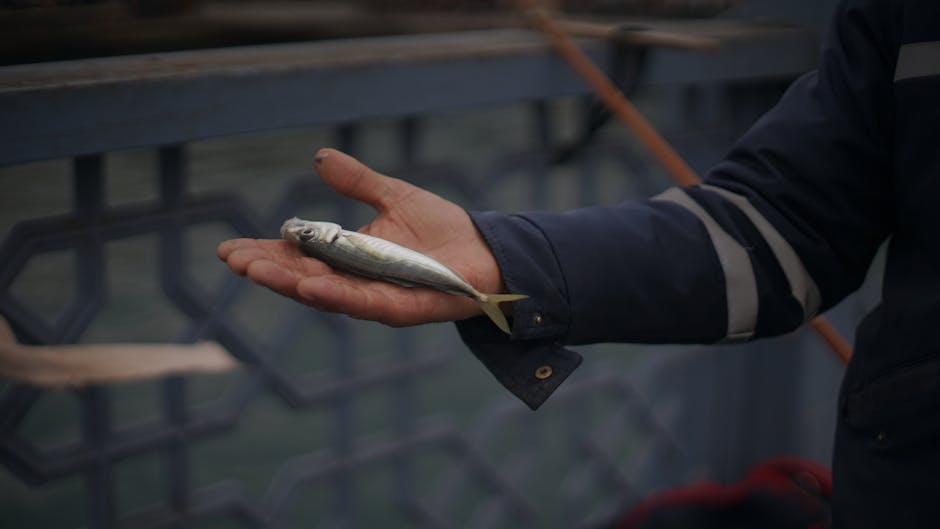 White and chartreuse bucktails in the 1-2 oz range are the backbone of any striper box. Add swimbaits and topwater plugs to cover every depth.
Coastal vs Landlocked Stripers
Coastal stripers migrate along the Atlantic coast. They spawn in rivers like the Chesapeake tributaries and the Hudson then push north as water warms. These fish get big. Forty-pounders are realistic targets.
Landlocked stripers live in freshwater reservoirs across the South and Midwest. Lake Texoma, Lake Cumberland and Clarks Hill are legendary fisheries. Landlocked fish max out smaller but school tighter and feed aggressively.
The tactics overlap. Both populations chase the same bait, relate to similar structure and respond to the same lures. The difference is scale. Surf rods for the coast. Medium-heavy spinning gear for reservoirs.
Surf Fishing for Striped Bass
Surf fishing is the purest form of striper angling. No boat. No electronics. Just you and your ability to read the water.
Finding fish from shore:
- Troughs and cuts between sandbars where bait collects
- Rocky points that create current breaks
- Jetties that concentrate baitfish
- White water where waves crash over structure
- Bird activity working bait near shore
Best surf lures: Bucktails (1-2 oz), Daiwa SP Minnow, needlefish plugs for night and metal lip swimmers like the Gibbs Darter. Many surfcasters swear by swimbaits in the 5-7" range on heavy jigheads.
Technique: Cast out and bounce the bucktail back through the trough with short rod lifts. Work parallel to the beach. Fish the last two hours before dark and the first hour after.
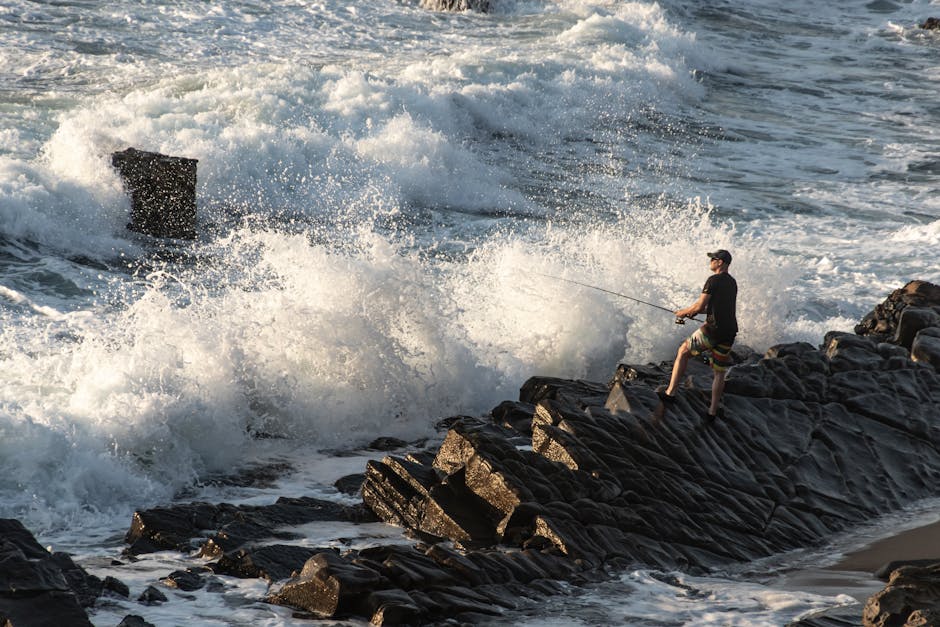 Sandbars, cuts and troughs funnel bait and create feeding lanes stripers patrol at dawn and dusk.
Boat Fishing: Trolling and Live Lining
Trolling is the most consistent way to find stripers from a boat. Run umbrella rigs, diving plugs like the Stretch 25+ and Mojos at 2.5-4 knots along structure edges and channel drops. Watch your sonar. When you mark bait and suspended fish, adjust your depth.
Live lining is deadly when fish are keyed on specific bait. Hook a live bunker through the back with a 7/0-8/0 circle hook on a fish-finder rig. When a striper picks it up, let the line come tight. Do not swing on circle hooks. Let the fish turn.
Chunking works deep. Cut bunker into chunks and drift them in a chum slick. This is a Montauk and Block Island staple during the fall run.
Casting: When birds are working the surface, kill the motor and throw topwater plugs or swimbaits into the blitz.
River Fishing Below Dams
Tailrace fishing produces some of the most consistent striper action in freshwater. Current pushes bait through the discharge and stripers stack up.
Where to position: Find seams where fast water meets slack water. Stripers sit on the slow side and ambush bait swept through. Eddies behind rocks and slack water along channel walls are prime.
Lures: Bucktails bounced along bottom. Heavy jigheads (3/4-1.5 oz) with 5-7" soft plastics. Lipless crankbaits like the Rat-L-Trap for reaction bites.
Live bait: Cut skipjack herring on a 5/0 circle hook is the top bait on Southern tailraces. Free-line threadfin shad in current for landlocked fish.
Timing: Generation schedules matter. When the dam runs water, fish feed. When flow drops, they scatter. Check your local schedule before you go.
Best Lures for Striped Bass
Bucktail jigs are the most versatile striper lure. White bucktails tipped with Gulp Swimming Mullet or pork rind catch fish everywhere.
Swimbaits in the 5-7" range match herring and bunker profiles. The Hogy Epoxy Jig and Zoom Fluke are proven killers. See our swimbait guide for rigging details.
Topwater plugs produce violent strikes. Pencil poppers and Super Spooks at dawn and dusk trigger reaction bites when water is above 55F.
Soft plastics on heavy jigheads cover the water column. Paddle tails and curly tail grubs in white and chartreuse handle most situations.
Metal jigs reach deep fish fast. Deadly when stripers hold 30-60 feet down in summer.
Live Bait: Bunker, Eels and Herring
Bunker (menhaden) is the number one coastal striper bait. Live-lined or chunked. Snag them with a weighted treble or cast net.
Eels are the night fishing specialists. A live eel on a 5/0 circle hook slow-drifted through rocky structure catches trophy fish that ignore everything else. The bigger the eel (12-16"), the bigger the striper.
Herring are the primary forage in rivers and reservoirs. Live herring drifted on a fish-finder rig is a staple for landlocked striper guides.
Clams work in the surf on a fish-finder rig with a 2-4 oz pyramid sinker. Old-school but still productive.
Seasonal Migrations and Patterns
Spring (March-May): Coastal fish push into rivers to spawn. Post-spawn feeding is aggressive in bays and estuaries. Landlocked fish move toward tailraces. Water temps 50-60F.
Summer (June-August): Coastal fish hold deeper during the day and feed on top at dawn and dusk. Reservoir fish drop to the thermocline (20-40 feet). Trolling and vertical jigging shine.
Fall (September-November): The legendary fall run. Coastal stripers migrate south gorging on bait. Montauk, Block Island, Cape Cod and the Outer Banks light up. Freshwater fish push shallow again.
Winter (December-February): Slow presentations near bottom. Landlocked stripers feed in short bursts on warmer days. Cut bait fished slow is your best bet.
Reading Structure: Rips, Points, Drop-offs and Current Seams
Stripers use current to their advantage. Learn to read the water and you will find them consistently.
Rips and shoals: Current accelerates over shallow structure and disorients baitfish. Stripers sit on the down-current side. Position up-current and drift through.
Points and bars: Any point jutting into moving water concentrates bait. Fish the tip and the first drop-off on either side.
Drop-offs and channel edges: Ledges from 15 to 30 feet are highways for traveling fish. Troll or drift these edges.
Current seams: Where fast water meets slow water, stripers park on the slow side facing the current. This applies to rivers, estuaries and tidal rips.
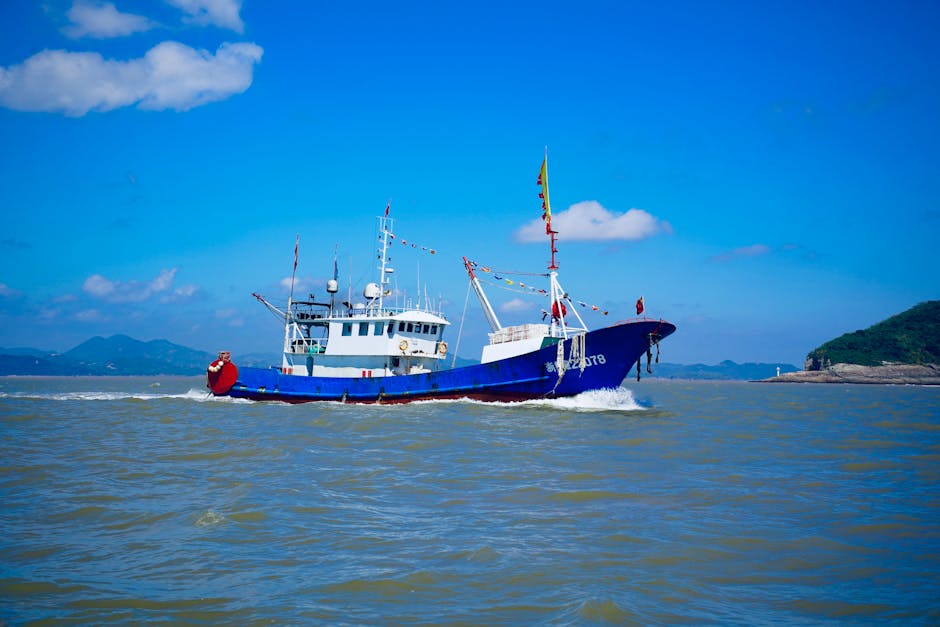 Rocky points that push into moving water are striper magnets. Fish the down-current side where the rip calms and bait collects.
Night Fishing for Stripers
Trophy fish feed more confidently after dark, especially in pressured areas.
Best night lures: Live eels. Black needlefish plugs. Large dark soft plastics and slow-retrieved Darters. The lure should create vibration and silhouette, not flash.
Where to fish: Lighted bridges (work the shadow lines), rocky points with current and jetty tips. Lights attract bait and bait attracts stripers.
The night bite window: First two hours after dark and the last hour before dawn. New moon phases produce the biggest fish.
Step-by-Step: Your First Striper Trip
- Pick your method. Shore, boat or river. Match your gear to the environment.
- Find moving water and structure. Rips, points, seams or tailraces.
- Start with a bucktail. Cast up-current and bounce it back with short rod lifts. Keep bottom contact.
- Switch to live bait if lures go quiet. A bunker or eel drifted through the same zone often produces.
- Adjust depth every 15 minutes. Go deeper before you move spots. A 5-foot change can make all the difference.
Decision Tree: Adjusting on the Water
- If water is clear and calm - downsize your leader to 20 lb fluorocarbon. Use natural-colored soft plastics.
- If water is stained or churned - go bigger. White bucktails and louder topwater plugs.
- If fish are on top but not eating - switch to a subsurface swimbait fished 2-3 feet down.
- If fish are deep on sonar - vertical jig with metal or heavy bucktails at their depth.
- If current slows - slow your presentation. Dead-stick live bait or crawl the retrieve.
- If no bites after 30 minutes - change position, not just the lure. Move 50 yards along the structure.
7 Mistakes That Kill the Striper Bite
- Fishing slack water. Stripers feed when water moves. No current means no fish.
- Leaders too light. Striper mouths are rough. Anything under 20 lb fluoro gets chewed through.
- Swinging on circle hooks. Let the fish turn and the hook sets itself. Reel tight. Do not jerk.
- Ignoring birds. Terns and gulls diving on bait are the best fish finder you own.
- Fishing too shallow in summer. Above 70F surface temps, stripers go deep.
- Wrong lure size. If they are eating 8" bunker, a 3" shad will not get a look.
- Leaving too early. The last hour of light and first hour of dark produce more big stripers than the rest of the day combined.
Want to track your striper patterns across seasons? The Tackle app lets you log conditions and catches so you build real data on when your local fish bite best.
FAQs
What is the best bait for striped bass?
Live bunker (menhaden) is the top bait on the Atlantic coast. For freshwater, live herring or cut skipjack work best. If using artificials, a white bucktail tipped with a Gulp Swimming Mullet is the most versatile option.
What size rod do I need for striped bass?
For surf fishing, a 9-10 foot medium-heavy rod. For boat fishing, a 7 foot medium-heavy spinning rod. For trolling, a 6.5-7 foot conventional rod with a line counter reel. Match the rod to the method.
When is the best time to catch striped bass?
Spring and fall are prime on the coast when fish migrate and feed aggressively. The fall run (September-November) is legendary. Daily, the last two hours of daylight and first hour of dark produce the best action.
Can you catch striped bass from shore?
Absolutely. Surf fishing for stripers goes back generations. Rocky shorelines, jetties, beaches near inlets and river banks below dams all produce. You do not need a boat to catch big fish.
What is the difference between striped bass and hybrid striped bass?
Striped bass (Morone saxatilis) are the pure strain. Hybrids (wipers or sunshine bass) are a cross with white bass. Hybrids fight hard but stay smaller and do not migrate. They are common in Southern and Midwestern reservoirs.
1-Minute Action Plan
- Rig to tie on: 1 oz white bucktail tipped with 4" Gulp Swimming Mullet on 30 lb braid with 30 lb fluoro leader
- Two places to try first: A rocky point with current or a dam tailrace with running water
- Retrieve: Cast up-current. Sink to bottom. Short rod lifts to hop it back.
- If no bites in 20 minutes: Go deeper along the same structure or switch to a heavier jig.
What to Read Next
- New to saltwater? Start with saltwater fishing basics for tackle and techniques.
- Want to master striper lures? Our swimbait guide covers rigging and retrieval.
- Fishing surface blitzes? See how to use topwater lures for surface tactics.
- First time fishing? Check fishing tips for beginners for fundamentals.
- Learn to find fish anywhere with how to read water.
Download the Tackle app to log your striper catches and track seasonal patterns on your local water.
Regulations change by state and season. Always check current local regulations before fishing.

Tackle Team
The Tackle Fishing Team is a collective of anglers, data scientists, and fishing enthusiasts dedicated to making fishing more accessible and successful for everyone.
View profileSources Consulted
The following sources were consulted in creating this guide:
- On The Water – www.onthewater.com (retrieved Mar 2026)
- The Fisherman Magazine – www.thefisherman.com (retrieved Mar 2026)
- In-Fisherman – www.in-fisherman.com (retrieved Mar 2026)
Note: Information is summarized and explained in our own words. Always verify current regulations with official sources.
Frequently Asked Questions
What is the best bait for striped bass?
Live bunker (menhaden) is the top bait on the Atlantic coast. For freshwater, live herring or cut skipjack work best. If using artificials, a white bucktail jig tipped with a Gulp Swimming Mullet is the most versatile option across all environments.
What size rod do I need for striped bass?
For surf fishing, a 9-10 foot medium-heavy rod. For boat fishing, a 7 foot medium-heavy spinning rod handles most situations. For trolling, a 6.5-7 foot medium-heavy conventional rod with a line counter reel. Match the rod to the method, not just the fish.
When is the best time to catch striped bass?
Spring and fall are the prime seasons on the coast when fish are migrating and feeding aggressively. The fall run from September through November is legendary for big fish. For daily timing, the last two hours of daylight and first hour of dark consistently produce the best action.
Can you catch striped bass from shore?
Absolutely. Surf fishing for stripers is a tradition that goes back generations on the Atlantic coast. Rocky shorelines, jetties, beaches near inlets and river banks below dams all produce shore-caught stripers. You do not need a boat to catch big fish.
What is the difference between striped bass and hybrid striped bass?
Striped bass (Morone saxatilis) are the pure wild or stocked strain. Hybrid striped bass (also called wipers or sunshine bass) are a cross between striped bass and white bass. Hybrids fight hard but stay smaller and do not make the same long migrations. They are common in many Southern and Midwestern reservoirs.
Plan Your Next Fishing Trip
Download Tackle to compare tide charts, wind conditions, and practical fishing guidance for your location before you go.
✓ Real-time tide charts • ✓ Wind & weather forecasts • ✓ AI fish identification
See local regulations — Find regulations for your area
Want weekly fishing windows delivered to your inbox?
Get personalized fishing forecasts based on weather, tides, and moon phases.
RELATED CONTENT
KEEP READING