

Channel catfish are the most widespread and catchable catfish in North America. They pull hard, eat almost anything and live in water most anglers drive right past. Unlike blue catfish and flatheads, channels are cooperative. They hit prepared baits, cut bait and live bait without much convincing. This guide covers what you need to catch them from the bank, a boat or a stocked pond.
Best for: Beginners to intermediate anglers
What you need: Medium-heavy rod, 12 to 20 pound line, circle hooks, chicken liver or punch bait
Do this first: Find a dam tailrace or creek mouth after a rain. Rig a slip sinker with chicken liver on a 2/0 circle hook. Cast it out, set your rod in a holder and wait. That setup catches more channel catfish than anything else in this guide.
Quick Answer: How to Catch Channel Catfish Right Now
- Use chicken liver, punch bait or cut shad on a slip sinker rig with a 1/0 to 3/0 circle hook
- Target dam tailraces, creek mouths, bridge pilings and riprap banks
- Fish the bottom in 3 to 15 feet during summer and 10 to 25 feet in winter
- Focus on evening and night hours from late spring through early fall
- Use 12 to 20 pound monofilament on a medium-heavy rod
- Let the fish eat. Circle hooks set themselves when you reel tight against the weight
Get Personalized Fishing Advice
Want real-time conditions for your exact location? Tackle provides live tide data, wind forecasts, and AI-powered fishing advice tailored to where you fish.
✓ Real-time tide charts • ✓ Wind & weather forecasts • ✓ AI fish identification
Tackle Box Snapshot (Copy This Setup)
Baits (pick 2 to 3):
- Fresh chicken liver (the single most effective channel cat bait)
- CJ's Catfish Punch Bait in original or blood formula
- Team Catfish Sudden Impact dip bait on a Catfish Charlie dip worm
- Cut shad or skipjack herring (fresh, not frozen)
- Nightcrawlers bunched on a bait holder hook
Terminal Tackle:
- Hooks: 1/0 to 3/0 Gamakatsu Octopus Circle hooks
- Egg sinkers: 1/2 oz to 2 oz (match the current)
- Barrel swivels: Size 7
- Bead (to protect knot from sinker)
Line and Leader:
- Main line: 15 to 20 pound Berkley Big Game monofilament
- Leader: 12 to 15 pound Berkley Trilene XL, 18 to 24 inches
Target Depth and Structure:
- Rivers: Tailraces, channel bends, outside banks (3 to 15 feet)
- Lakes: Points, creek channels, submerged humps (8 to 25 feet)
- Ponds: Deepest hole, aerator outflow, feed station (3 to 8 feet)
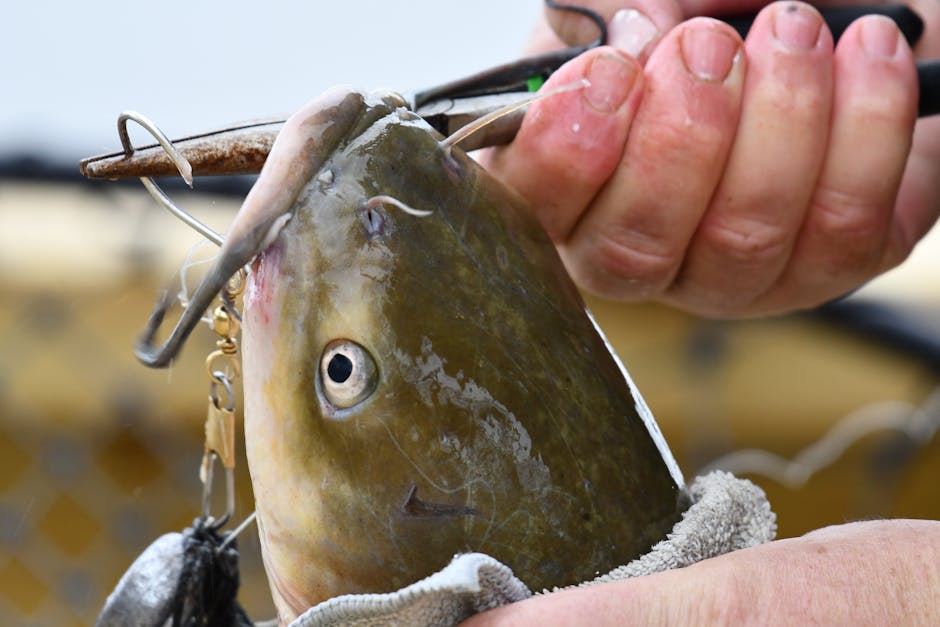 A slip sinker, circle hook and chicken liver or stink bait covers 90 percent of channel cat situations.
Channel Cats vs Blues and Flatheads: Know the Difference
Channel Catfish
Channels are scavengers. They eat dead bait, prepared bait, live bait and even commercial fish food in stocked ponds. They average 2 to 8 pounds with fish over 15 pounds being a genuine trophy. They have a forked tail and scattered dark spots (spots fade on bigger fish). Channels feed heavily by smell, which is why stink baits and punch baits work.
Blue Catfish
Blues prefer main river channels with strong current and grow past 50 pounds. They eat mostly cut bait and live shad and are less likely to hit prepared baits. Blues have a straighter anal fin and lack the dark spots. If you are catching fish over 10 pounds consistently on cut bait, you might be on blues.
Flathead Catfish
Flatheads eat live fish almost exclusively. They are solitary and nocturnal with a flat head and rounded tail. They live in deep holes with heavy cover. Stink bait will not catch a flathead. You need live bluegill or live shad.
If you are new to freshwater fishing, our fishing tips for beginners covers the fundamentals.
Step-by-Step: How to Catch Channel Catfish from the Bank
1. Pick a spot with current and structure. Dam tailraces, riprap banks, bridge pilings, creek mouths and outside river bends are prime territory. Reach 4 to 15 feet of water from the bank. Our guide to reading water covers structure identification in detail.
2. Rig a slip sinker setup. Thread an egg sinker onto your main line, add a bead, tie on a barrel swivel. Attach 18 to 24 inches of leader and a circle hook. The sinker slides freely so the fish moves without feeling resistance.
3. Bait up and cast to structure. Chunk of chicken liver, a dip worm loaded with CJ's Punch Bait or cut shad on your hook. Cast to current seams, alongside riprap or upstream of bridge pilings. Let the bait settle.
4. Set the rod and wait. Rod in a holder. Reel in gear with drag loose enough for a running fish. When you get a bite, do not swing. Reel steadily until you feel solid weight. The circle hook does the rest.
5. If nothing bites in 20 minutes, move your bait. Check your bait (chicken liver washes out fast) and cast to a different spot. Channel cats follow scent trails. If there is no interest, the fish are somewhere else.
Adjust after 30 minutes with no bites: Swap baits, move 50 yards upstream or downstream and try a different depth.
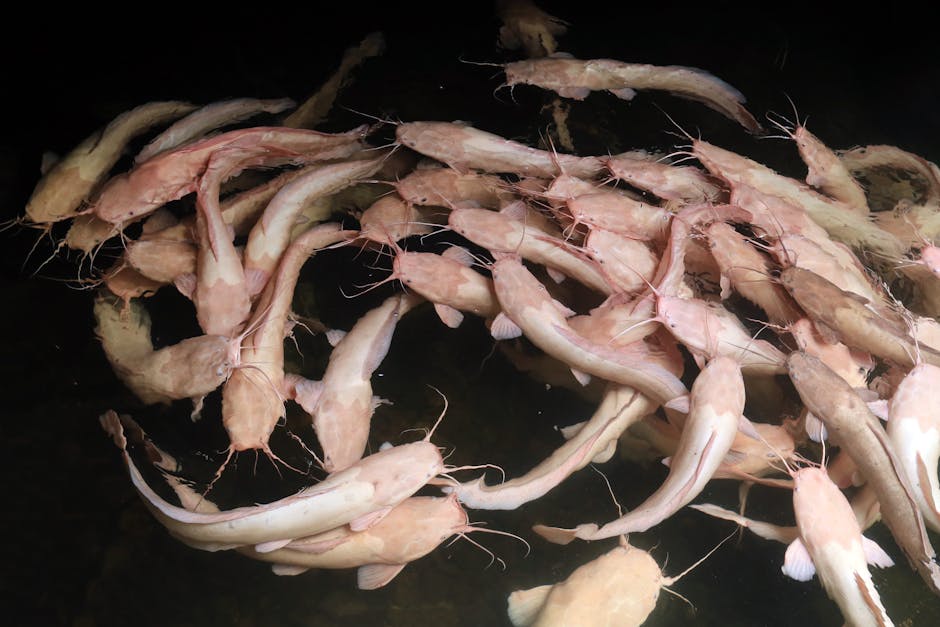 Set your rod in a holder and let the bait work. Patience beats constant casting for channel cats.
Decision Tree: Adjust for Conditions
If the water is clear -> Use nightcrawlers or cut shad. Downsize your hook and use a longer leader (24 to 30 inches).
If the water is muddy -> Prime time. Break out the punch bait and stink bait. Channel cats hunt by smell in dirty water.
If there is strong current -> Fish behind bridge pilings, in eddies below dams and along inside bends. Use a 3-way rig instead of a slip sinker.
If the water is still -> Fish the deepest spot or near any inflow. Use a slip float to suspend bait 1 to 2 feet off bottom.
If water is below 50 degrees -> Cut shad or nightcrawlers in deep holes, noon to 3 PM.
If water is above 75 degrees -> Fish at night. Punch bait and dip bait shine in warm water after dark.
Spot Playbook: Where Channel Cats Hold
Rivers and Tailraces:
- Dam tailraces: The best place to catch channel catfish. Turbines churn up baitfish. Fish the edges of the wash, not the center.
- Riprap banks: Rock armor holds crawfish and provides current breaks. Cats cruise riprap all night.
- Bridge pilings: Current creates slack pockets on the downstream side where food collects.
- Creek mouths: After rain, creeks funnel worms, insects and baitfish into the main water body.
Lakes and Ponds:
- Creek channel bends: Where the old channel bends, catfish stack on the outside edge.
- Points: Underwater points act as ambush spots. Fish the tip in 10 to 20 feet.
- Stocked pond feed stations: Catfish learn the feeder location fast. Fish within casting distance.
- Deepest hole: Where catfish retreat during the day. Drop a slip sinker rig to the bottom.
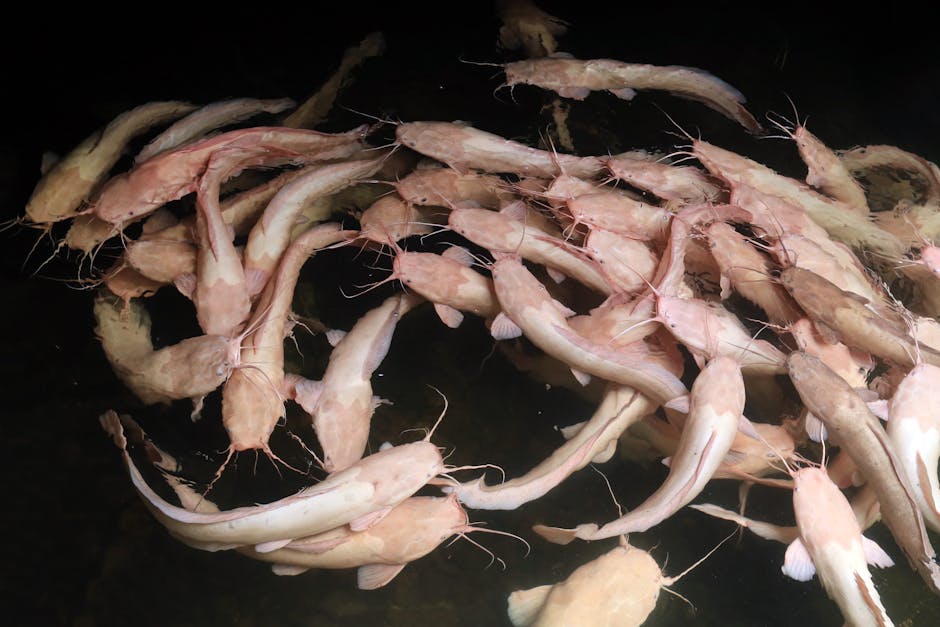 Bridge pilings create current breaks where food collects downstream. Cast tight to the structure and let your bait settle in the slack water.
Best Baits: A Closer Look
Chicken Liver: Cheap and deadly. Washes out fast, so wrap it in pantyhose or mesh bait wrap to keep it on the hook.
Punch Bait (CJ's, Catfish Charlie): Push a bare treble into the tub, twist and pull out a glob. CJ's Original is the gold standard. This wins catfish tournaments.
Dip Bait: Thinner than punch bait. Needs a dip worm or sponge. Team Catfish Sudden Impact and Sonny's Super Sticky are popular. Disperses scent fast but needs re-baiting more often.
Cut Shad: Fresh gizzard shad or skipjack in 1 to 2 inch chunks. The crossover bait that catches channels and blues. Use the belly section where oils are strongest.
Nightcrawlers: Thread 2 or 3 on a bait holder hook. Not as effective as prepared baits for dedicated catfishing, but crawlers catch everything.
Stink Bait: Fermented cheese, blood or fish parts. Smells terrible. Works. Wear gloves.
For more on freshwater baits, check out our freshwater fishing baits guide.
Rigging: Slip Sinker, 3-Way and Float
Slip Sinker (workhorse): Egg sinker, bead, barrel swivel, 18 to 24 inch leader, circle hook. Covers most situations.
3-Way Rig: 3-way swivel with a 6 to 8 inch dropper to a bell sinker and an 18 to 24 inch leader to your hook. Keeps bait off bottom in heavy current where a slip sinker drags.
Float Rig: Slip float above a bobber stop. Small split shot 12 inches above the hook. Suspends bait at a set depth. Deadly in ponds where channel cats cruise a specific depth.
Gear Setup
Rod: 7 to 7.5 foot medium-heavy with moderate action. Ugly Stik GX2 and Berkley Lightning Rod are solid budget picks. The moderate tip lets circle hooks load without a hard hookset.
Reel: Penn Battle III 3000 for spinning. Abu Garcia Ambassadeur C3 for baitcasting. Anything that holds 200 yards of 15 pound mono.
Line: 15 to 20 pound Berkley Big Game monofilament. The stretch helps with circle hooks and hard-running fish.
Boat Positioning
Rivers: Anchor upstream of a hole and cast downstream into the slack water behind structure. In tailraces, stay at the edge of the turbulent water.
Lakes: Use your fishfinder to locate creek channels. Anchor over structure and drop baits straight down. Vertical fishing over a creek channel bend in 15 to 25 feet is one of the most consistent patterns.
Drift fishing: Slow-drift with cut bait using a drift sock. Keep baits within a foot of bottom.
Track Your Best Catfish Spots
Channel catfish are creatures of habit. The hole that produces in June will produce in June next year. The Tackle app lets you log GPS coordinates, water temperature, bait and time for every catch. After a few sessions, your catfish map starts writing itself.
Seasonal Patterns
Spring (55 to 70 degrees): Channels feed aggressively before the spawn at 70 to 75 degrees. Fish riprap and creek mouths with chicken liver or nightcrawlers.
Summer (70 to 85 degrees): Peak season. Fish tailraces and riprap from sunset to midnight. Punch bait and dip bait are most effective in warm water.
Fall (55 to 70 degrees): Channels chase shad schools moving into creek arms. Cut bait produces big fish. Afternoon bites improve as days shorten.
Winter (40 to 55 degrees): Fish the deepest holes during the warmest part of the day. Cut shad and nightcrawlers on the bottom. Bites are light.
Night Fishing: When Channel Cats Come Alive
Channel cats are nocturnal feeders from late spring through fall. The first two hours after dark are usually the peak. Bring rod holders, a red-light headlamp, extra bait and bug spray. Set up before dark at a scouted spot. Stink bait and punch bait excel at night because the scent trail pulls fish from a distance. Tell someone where you are fishing and watch your footing on slippery banks.
Stocked Pond Tactics
Stocked channels are raised on commercial feed, so dough balls, hot dogs and cat food-based baits work on recently stocked fish. Small ponds concentrate fish. Find the deepest spot, the brush pile or the dam and fish there. Pond cats see less pressure, so finesse is not required. A basic slip sinker rig with chicken liver catches them all day.
Mistakes That Kill the Bite
- Setting the hook too early with circle hooks. Just reel tight. The hook sets itself.
- Using old bait. Fresh chicken liver and fresh punch bait outperform stale stuff every time.
- Fishing too shallow in summer. Channel cats go deep during hot days. Fish 8 to 15 feet, not 2.
- Ignoring current. Channels relate to current. Dead backwater with zero flow means zero fish.
- Casting and forgetting. Chicken liver dissolves. Dip bait washes off. Check every 15 to 20 minutes.
- Using tackle that is too light. A big channel cat in current will break 8 pound line. Use 12 pound minimum.
- Making noise on the bank. Catfish sense vibration. Move quietly near the water.
For more on catfish techniques, see our catfish fishing guide.
FAQs
What is the best bait for channel catfish?
Chicken liver and punch bait like CJ's Original are the two most consistent baits across all water types. In rivers, cut shad is equally effective and stays on the hook better. For stocked ponds, nightcrawlers and hot dogs also produce well.
What time of day is best for channel catfish?
Evening and night are the prime windows from late spring through early fall. The first two hours after dark are usually the best. In spring and winter, the afternoon warmup (noon to 4 PM) can be just as productive.
Do I need a boat to catch channel catfish?
No. Some of the best spots, like dam tailraces, riprap banks and bridge pilings, are easier to fish from shore. A 7 to 7.5 foot rod gives you the casting distance to reach productive water from the bank.
What size hooks should I use for channel catfish?
Circle hooks in 1/0 to 3/0. Use 1/0 for smaller fish and prepared bait. Step up to 3/0 for cut bait and bigger fish. Treble hooks (size 4 to 6) work well with punch bait but make releasing fish harder.
Can you catch channel catfish in winter?
Yes. Target the deepest holes during the warmest part of the day with cut bait or nightcrawlers on the bottom. Bites will be subtle, but winter channel cats are often the biggest fish of the year.
1-Minute Action Plan
- Rig to tie on: Slip sinker rig with a 1 oz egg sinker, barrel swivel, 20 inch leader and 2/0 circle hook
- Two places to try first: The closest dam tailrace and a bridge with riprap on the bank
- First bait: Fresh chicken liver wrapped in mesh or a bare treble loaded with CJ's Punch Bait
- If no bites after 20 minutes: Move your cast 30 feet and re-bait or switch to cut shad
What to Read Next
- Want the full breakdown on all three catfish species? Read our complete catfish guide
- Still building your bait arsenal? See the freshwater fishing baits guide
- New to reading current and structure? Start with how to read water for fishing
Get Better With Every Trip
The anglers who catch channel catfish consistently keep records. Water temperature, bait type, time of day and exact location all matter. The Tackle app logs everything so you stop guessing and start building patterns that put fish on the bank.
Download Tackle free and start fishing smarter.
Sources
Regulations vary by state and body of water. Always check current local rules before fishing.

Tackle Team
The Tackle Fishing Team is a collective of anglers, data scientists, and fishing enthusiasts dedicated to making fishing more accessible and successful for everyone.
View profileSources Consulted
The following sources were consulted in creating this guide:
- In-Fisherman – www.in-fisherman.com (retrieved Mar 2026)
- Catfish & Carp Magazine – www.catfishandcarp.com (retrieved Mar 2026)
- Field & Stream – www.fieldandstream.com (retrieved Mar 2026)
Note: Information is summarized and explained in our own words. Always verify current regulations with official sources.
Frequently Asked Questions
What is the best bait for channel catfish?
Chicken liver and punch bait like CJ's Original are the two most consistent baits for channel catfish across all water types. In rivers, cut shad is equally effective and stays on the hook better. For stocked ponds, nightcrawlers and hot dogs also produce well.
What time of day is best for channel catfish?
Evening and night are the prime feeding windows from late spring through early fall. Channel cats are nocturnal by nature and the first two hours after dark are usually the best. In spring and winter, the afternoon warmup period (noon to 4 PM) can be just as productive.
Do I need a boat to catch channel catfish?
No. Bank fishing for channel catfish is extremely effective. Some of the best channel cat spots, like dam tailraces, riprap banks and bridge pilings, are easier to fish from shore than from a boat. A long rod (7 to 7.5 feet) gives you the casting distance to reach most productive water from the bank.
What size hooks should I use for channel catfish?
Circle hooks in 1/0 to 3/0 are the standard for channel cats. Use 1/0 for smaller fish and prepared bait. Step up to 3/0 for cut bait and when targeting bigger fish. Treble hooks (size 4 to 6) work well with punch bait and dip bait but make releasing fish more difficult.
Can you catch channel catfish in winter?
Yes. Channel catfish feed year-round, just slower in cold water. Target the deepest holes during the warmest part of the day (noon to 3 PM) with cut bait or nightcrawlers fished on the bottom. Bites will be subtle and less frequent, but winter channel cats are often the biggest fish of the year.
Plan Your Next Fishing Trip
Download Tackle to compare tide charts, wind conditions, and practical fishing guidance for your location before you go.
✓ Real-time tide charts • ✓ Wind & weather forecasts • ✓ AI fish identification
See local regulations — Find regulations for your area
Want weekly fishing windows delivered to your inbox?
Get personalized fishing forecasts based on weather, tides, and moon phases.
RELATED CONTENT
KEEP READING