

Crappie are the most popular panfish in North America for good reason. They school up in big numbers, they fight well on light tackle and they taste better than almost anything else swimming in freshwater. Whether you call them slabs, specks or papermouths, these fish reward anglers who understand where they live and how they feed.
Best for: All skill levels What you need: Ultralight rod, 4 to 6 pound line, 1/16 to 1/8 oz jigs, live minnows Do this first: Find the nearest submerged brush pile on your lake map and drop a 1/16 oz tube jig straight down into it. That single move catches more crappie than anything else you can do.
Quick Answer
- Best bait: 1/16 oz tube jig in chartreuse/white or a live minnow under a slip float
- Where to fish: Brush piles, standing timber, dock pilings and creek channels. Spawning flats in spring
- Depth: 8 to 15 feet most of the year. 1 to 5 feet during the spring spawn
- Best time: Early morning and late afternoon. Spring is the easiest season
- Retrieve: Vertical jigging with tiny hops or slow swimming a jig under a float
- Line: 4 to 6 pound monofilament or fluorocarbon
Get Personalized Fishing Advice
Want real-time conditions for your exact location? Tackle provides live tide data, wind forecasts, and AI-powered fishing advice tailored to where you fish.
✓ Real-time tide charts • ✓ Wind & weather forecasts • ✓ AI fish identification
Tackle Box Snapshot (Copy This Setup)
- Jigs: 1/16 oz and 1/8 oz tube jigs (chartreuse, white, pink, black/chartreuse). Bobby Garland Baby Shad, Strike King Mr. Crappie Slabalicious
- Live bait: Fathead minnows on a #4 Aberdeen hook under a slip bobber
- Line: 4 lb Berkley Trilene XL mono or 4 lb Sunline Super FC Sniper fluorocarbon
- Rod: 5 to 7 foot ultralight spinning rod. B'n'M Buck's Best or Lew's Mr. Crappie Slab Shaker
- Reel: 1000 size ultralight spinning reel. Pflueger President or Daiwa Regal LT
- Terminal: Slip bobbers, bobber stops, split shot, #4 and #6 Aberdeen hooks
- Target depth: 1 to 5 feet (spring spawn), 8 to 15 feet (summer/fall/winter)
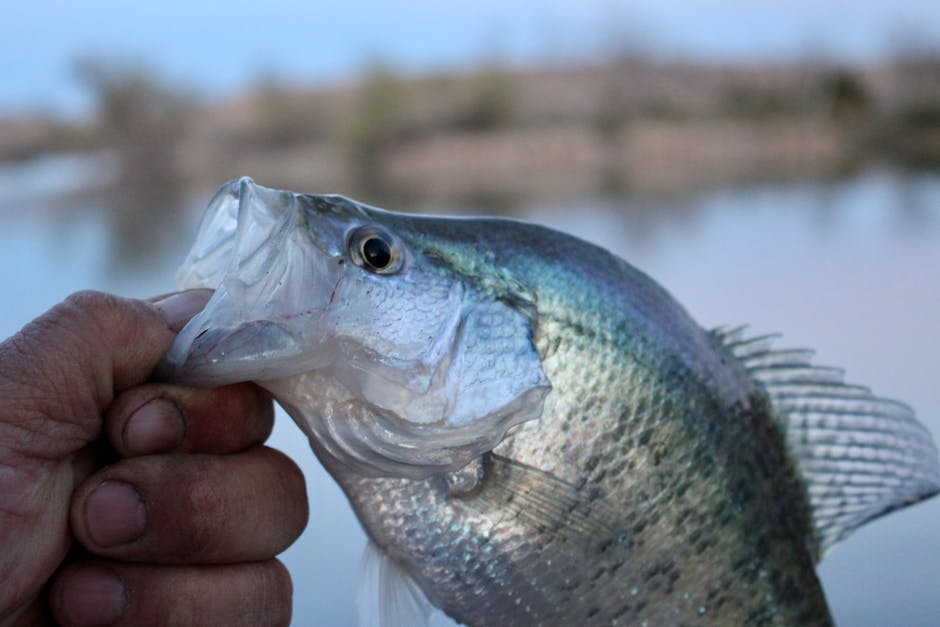 These jig colors cover 90% of crappie situations. Chartreuse and white for stained water. Black and subtle colors for clear water.
Black Crappie vs White Crappie
Black crappie prefer clearer water with vegetation. They have irregular dark blotches on their sides and relate tighter to cover in smaller groups. More common in natural lakes and clear reservoirs.
White crappie tolerate stained and muddy water. They have dark vertical bars instead of scattered spots. White crappie roam open water in bigger schools and dominate river-fed reservoirs with moderate to low clarity.
White crappie schools are bigger and easier to locate with electronics. Black crappie stick tighter to specific cover and require more precise presentations.
Seasonal Patterns
Spring Spawn (Water Temp 55 to 68 Degrees)
This is the easiest time to catch crappie all year. Fish move from deep winter haunts into shallow flats and protected coves to spawn. Males build nests in 1 to 5 feet of water near hard bottom or the base of standing timber.
Look for spawning crappie in the backs of creeks where the water warms first. Shallow brush, laydowns and dock pilings all hold spawning fish.
How to fish the spawn: Cast a 1/32 or 1/16 oz jig on 4 lb line to visible cover and swim it back painfully slow. Or set a minnow under a slip float at 2 to 3 feet. The fish are right there. Do not overthink it.
Summer
After the spawn, crappie slide back to deeper structure. Brush piles in 10 to 20 feet become the primary targets. The best bites happen at dawn and dusk. Spider rigging and vertical jigging over known brush piles are the most consistent methods.
Fall
Cooling water triggers a fall feed. Crappie follow baitfish into creek arms and stage on channel bends at 8 to 15 feet. Use your electronics to locate baitfish balls and drop a jig straight through them.
Winter
Crappie group up tight in deep water. Brush piles and standing timber in 15 to 25 feet hold the biggest concentrations of the year. Slow your presentation way down. Tiny jigs barely moved on a tight vertical line catch winter slabs. This is when the biggest crappie get caught.
Jigging Techniques
Vertical Jigging
Drop a 1/16 oz jig straight down into a brush pile. Lower it to the depth where fish are marking on electronics or just above the brush tops. Lift the rod tip 6 to 12 inches and let the jig fall back. Most bites happen on the fall.
Crappie bites are subtle. The line goes slack or you feel a slight heaviness that was not there before. Set the hook with a smooth upward lift. Do not jerk hard. Crappie have paper-thin mouths and a hard hookset rips the hook free.
Casting Jigs
When crappie are shallow, casting a small jig and swimming it back works well. Cast past the target, let it sink and swim it back with a slow steady retrieve. This covers more water than vertical jigging and works from the bank. For more on these crappie fishing techniques, our dedicated guide goes deeper.
Jig Types That Produce
Tube jigs are the classic crappie bait. A 1.5 to 2 inch tube on a 1/16 oz jighead is the standard. Bobby Garland Baby Shad and Kalin's tubes have caught crappie for decades.
Curly tail grubs add more action for aggressive fish. Hair jigs pulsate even when sitting still and are deadly in cold water.
For more on working soft plastic lures, that guide covers rigging techniques that translate directly to crappie plastics.
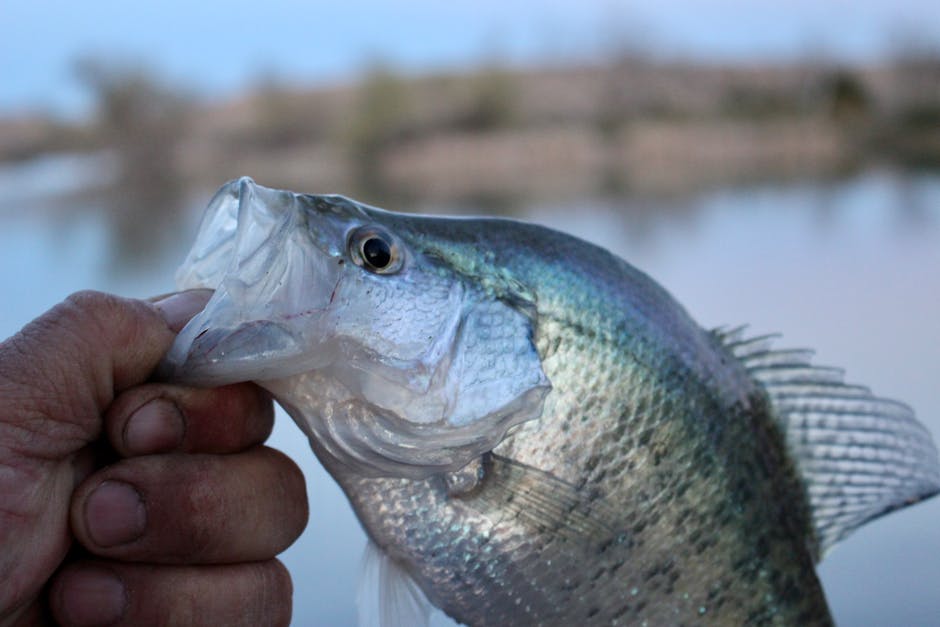 Light tackle and a quiet approach are the keys to crappie fishing. Position your boat directly over brush piles for vertical drops.
Minnow Fishing for Crappie
Live minnows catch crappie when nothing else will. There are days when a minnow under a float outfishes jigs ten to one.
Slip bobber rig: Thread a bobber stop onto your line, slide on a slip bobber, add a small split shot 12 inches above a #4 Aberdeen hook and hook the minnow through the lips. Set the bobber stop at your target depth. When the bobber goes under, wait one second and set the hook.
Tight-line minnow fishing: Skip the bobber. Hook a minnow with a small split shot and lower it straight down into brush on a tight line. This works when fish are deep in thick cover where a bobber would get hung up.
Minnows work especially well in cold water when crappie want an easy meal sitting right in front of them.
Spider Rigging
Spider rigging uses 6 to 8 long rods (10 to 16 feet) mounted in rod holders on the bow. Each rod runs a jig or minnow at a specific depth while you slow-troll at 0.3 to 0.8 mph along creek channels or through standing timber.
Setup: B'n'M BGJP poles with 6 to 8 lb line. Stagger depths from 6 feet to 16 feet across the spread. When one rod loads up, note the depth and adjust the others to match.
Spider rigging is legal in most states but some limit rod count per angler. Check your regulations before rigging up.
Brush Piles and Structure
Outside of the spring spawn, crappie spend most of their lives on vertical cover in deeper water.
Brush piles are sunk bundles of branches or Christmas trees placed by anglers and wildlife agencies. Most productive crappie lakes have hundreds of them. The anglers who know the locations catch the most fish. Many state agencies publish GPS coordinates for public brush piles.
Standing timber in flooded reservoirs holds crappie at specific depths depending on the season. Dock pilings create vertical structure in shallow water. Creek channels function as underwater highways where crappie stage on bends.
If you are new to reading water and finding structure, that guide breaks down how fish use depth changes and cover.
Electronics and Fish Finders
A fish finder changes crappie fishing from guesswork to precision. A basic Garmin Striker or Lowrance Hook will show you brush piles and fish arches.
What to look for: Brush piles appear as dense clumps rising off the bottom. Crappie show as small tight arches clustered at a specific depth. Baitfish appear as clouds of tiny marks with crappie nearby.
Mark every brush pile as a waypoint. Over time you build a map of dozens of productive spots. That library of waypoints is worth more than any single piece of gear.
Light Tackle Gear Setup
Crappie fishing is a finesse game. Heavy gear kills your sensitivity.
Rod: 5 to 7 feet ultralight with moderate action for jigging. Longer rods (10 to 14 feet) for spider rigging. B'n'M and Lew's Mr. Crappie are the go-to brands.
Reel: 1000 or 2000 size spinning reel with smooth drag. The Pflueger President is the standard under $50.
Line: 4 to 6 lb monofilament for most situations. Mono has enough stretch to prevent tearing hooks from papermouths. Switch to 4 lb fluorocarbon in clear water. Avoid braid as a main line. If you use braid, tie a 3-foot fluorocarbon leader.
For more on matching line to technique, the freshwater fishing baits guide covers line choices across multiple species.
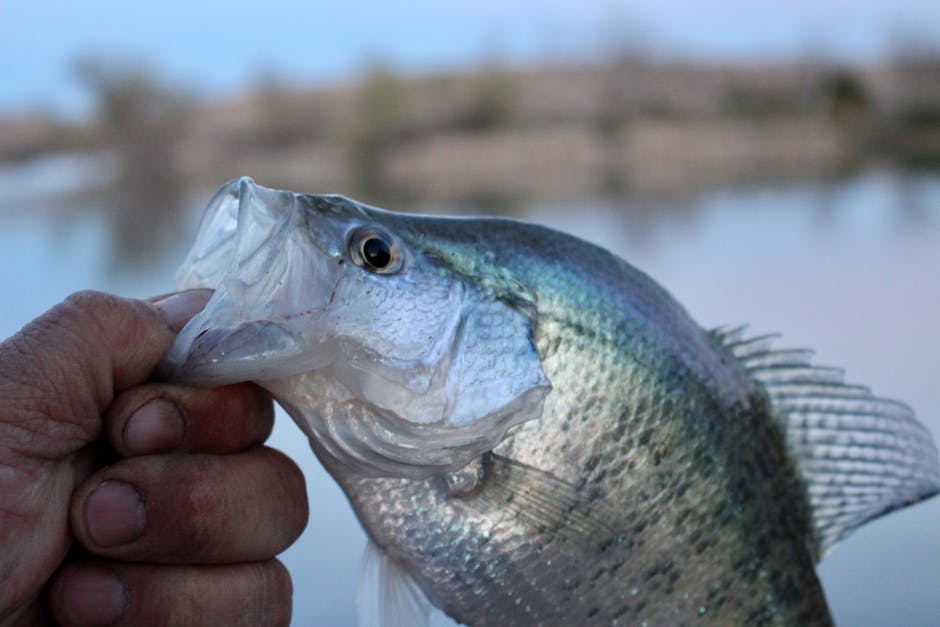 Dock pilings hold crappie year-round. Fish tight to the wood with a vertical jig drop or a minnow on a tight line.
Conditions and Adjustments
- If water is clear: Downsize to 1/32 oz jigs. Use natural colors like smoke or shad patterns. Switch to fluorocarbon
- If water is stained: Brighter jig colors. Chartreuse, white and pink stand out in low visibility
- If windy: Use heavier 1/8 oz jigs. Drift along brush pile lines using the wind as free trolling power
- If a cold front passed: Slow way down. Tight-line a minnow and let it sit for minutes at a time
- If baitfish are present: Match the size. Keep your jigs in the 1.5 to 2 inch range
- If fish are short-striking: Add a small trailer hook or switch to a live minnow
Mistakes That Kill the Crappie Bite
- Setting the hook too hard. Crappie mouths are paper-thin. A hard hookset rips the hook free. Use a smooth upward sweep
- Fishing too fast. Crappie want slow presentations. Bass-fishing speed goes right over their heads
- Ignoring your electronics. Fishing random water wastes hours. Find the brush first, then fish it
- Using heavy line. Twelve pound line on a 1/16 oz jig kills the action. Match light line to light jigs
- Not checking multiple depths. Crappie suspend at specific depths. Work through the water column until you find them
- Leaving fish to find fish. When you are on a school, stay on it. Leaving a producing spot usually ends badly
- Forgetting to retie. Light line wears fast. A 4 lb line with a nick will break on your biggest fish of the day
Track Your Crappie Patterns
The best crappie anglers keep notes. Which brush piles produced? What depth? What jig color? Those details matter because crappie patterns repeat year after year at the same water temperatures.
The Tackle app makes logging those details fast. Drop a pin, note the depth and bait and you build a personal crappie database that gets more valuable every season.
FAQs
What is the best bait for crappie?
A 1/16 oz tube jig in chartreuse and white is the best all-around crappie bait. It works in stained and clear water on light tackle. When jigs fail, a live fathead minnow under a slip bobber is the backup that rarely lets you down.
What depth do crappie stay at?
During the spring spawn, crappie move into 1 to 5 feet. The rest of the year they hold on deeper structure at 8 to 15 feet in summer and fall, then 15 to 25 feet in winter. Use a fish finder to pinpoint the exact depth.
What is the difference between black crappie and white crappie?
Black crappie have scattered dark blotches and prefer clearer water with vegetation. White crappie have vertical dark bars and tolerate stained water. White crappie form larger schools while black crappie stick tighter to specific cover.
When is the best time of year to catch crappie?
Spring is the easiest because fish move shallow to spawn in predictable locations. March through May in the South and April through June up North. But crappie bite year-round if you adjust your depth and approach.
Do you need a boat to catch crappie?
No. Bank anglers catch plenty of crappie from docks, bridges and fishing piers. Cast a jig or float a minnow near any vertical structure within range. Many public areas have brush piles within casting distance of the bank. Check out our fishing tips for beginners for more on getting started.
1-Minute Action Plan
- Rig to tie on: 1/16 oz tube jig in chartreuse/white on 4 lb monofilament
- Two places to try first: Nearest brush pile on your lake map and any accessible dock with deep water nearby
- First technique: Lower the jig to 8 to 10 feet. Lift the rod tip 6 inches and let it fall back. Repeat
- If no bites in 15 minutes: Switch to a live minnow under a slip float at the same depth. Change depth in 2-foot increments until you find them
Ready to build your crappie playbook? Download Tackle free and start logging your brush pile spots.
Next Steps: Keep Learning
- If you want to add jerkbaits to your crappie arsenal, small suspending models work in cold clear water
- If you need the right freshwater baits beyond crappie, that guide covers every major species
- If you are new to fishing, start with our fishing tips for beginners guide
- If you want to understand how crappie use cover, our guide on how to read water breaks it down
Sources
- Wired2Fish - Crappie Fishing Guide
- In-Fisherman - Crappie Tactics
- Crappie.com - Community Forums and Techniques
Regulations change by state and season. Always check your local rules before fishing.

Tackle Team
The Tackle Fishing Team is a collective of anglers, data scientists, and fishing enthusiasts dedicated to making fishing more accessible and successful for everyone.
View profileSources Consulted
The following sources were consulted in creating this guide:
- Wired2Fish – www.wired2fish.com (retrieved Mar 2026)
- In-Fisherman – www.in-fisherman.com (retrieved Mar 2026)
- Crappie.com – www.crappie.com (retrieved Mar 2026)
Note: Information is summarized and explained in our own words. Always verify current regulations with official sources.
Frequently Asked Questions
What is the best bait for crappie?
A 1/16 oz tube jig in chartreuse and white is the best all-around crappie bait. It works in stained and clear water, casts well on light tackle and catches both black and white crappie. When jigs are not working, a live fathead minnow under a slip bobber is the backup that rarely fails.
What depth do crappie stay at?
It depends on the season. During the spring spawn, crappie move into 1 to 5 feet of water. The rest of the year they hold on deeper structure, typically 8 to 15 feet in summer and fall, and 15 to 25 feet in winter. Use a fish finder to locate the exact depth fish are holding on any given day.
What is the difference between black crappie and white crappie?
Black crappie have scattered dark blotches on their sides and prefer clearer water with vegetation. White crappie have vertical dark bars and tolerate stained or muddy water better. White crappie form larger schools in open water while black crappie stick tighter to specific pieces of cover.
When is the best time of year to catch crappie?
Spring is the easiest time because fish move shallow to spawn and are concentrated in predictable locations. March through May in southern states and April through June in northern states. But crappie are catchable year-round if you adjust your depth and approach to match the season.
Do you need a boat to catch crappie?
No. Bank anglers catch plenty of crappie from docks, bridges, fishing piers and shorelines with accessible brush piles. Cast a jig or set a minnow under a float near any vertical structure within casting range. Many public fishing areas have brush piles placed within casting distance of the bank.
Plan Your Next Fishing Trip
Download Tackle to compare tide charts, wind conditions, and practical fishing guidance for your location before you go.
✓ Real-time tide charts • ✓ Wind & weather forecasts • ✓ AI fish identification
See local regulations — Find regulations for your area
Want weekly fishing windows delivered to your inbox?
Get personalized fishing forecasts based on weather, tides, and moon phases.
RELATED CONTENT
KEEP READING