

Tube baits won tournaments before most modern soft plastics existed. They caught bass in the 1980s and they still catch bass today. Most anglers forgot about them. Walk into any tackle shop and you will find walls of creature baits and stick worms but only a small corner dedicated to tubes. That is good news for you. Bass never stopped eating tubes. The fishing pressure just disappeared.
This guide covers rigging methods, jig head selection, retrieval techniques and the specific conditions where a tube will outperform every other bait in your box.
Best for: Intermediate anglers who fish rocky structure and clear water
What you need: Tube baits, internal tube jig heads, medium spinning rod, 8-pound fluorocarbon
Do this first: Rig a 4-inch tube on a 1/4-ounce internal jig head. Cast it to a rock pile or bluff wall and let it spiral to the bottom on a semi-tight line. Watch your line. If it jumps or goes slack before the bait should have hit bottom, set the hook.
Why Tube Bait Fishing Still Works
Tubes produce a falling action that no other soft plastic can replicate. When a tube falls, it spirals in a tight corkscrew pattern that looks like a dying baitfish or a crawfish trying to escape. That spiral is the secret. Bass react before they think.
The hollow body traps air and creates an erratic descent that changes direction randomly. No two falls look the same. Compare that to a Senko that shimmies the same way every time. The unpredictability triggers strikes from fish that have seen everything else.
Smallmouth bass in particular are obsessed with tubes. If you fish northern lakes and rivers where smallmouth are the primary target, tubes are not optional. Tournament anglers on the Great Lakes and Lake Erie still lean on tubes as their primary bait when nothing else produces.
For largemouth bass, tubes shine around rocky cover and in clear water where a natural profile matters more than bulk and vibration.
Get Personalized Fishing Advice
Want real-time conditions for your exact location? Tackle provides live tide data, wind forecasts, and AI-powered fishing advice tailored to where you fish.
✓ Real-time tide charts • ✓ Wind & weather forecasts • ✓ AI fish identification
Quick Setup Summary
- Best all-around tube: Gitzit Original 4-inch in smoke or green pumpkin
- Best jig head: 1/4-ounce internal tube jig head (Gamakatsu tube jig heads are the standard)
- Best rig for beginners: Internal jig head on a spinning rod
- Best colors: Smoke with silver flake (clear water), green pumpkin (stained water), brown/orange (crawfish imitation)
- Rod: 6'6" to 7-foot medium power spinning rod with a fast tip
- Line: 6 to 10-pound fluorocarbon
- Target depth: 5 to 30 feet around rock structure
Tackle Box Snapshot
- Tubes: Gitzit Original 4-inch, Strike King Coffee Tube 3.5-inch, Yamamoto 4-inch tube, Zoom Fat Albert Tube
- Jig heads: Gamakatsu tube jig heads in 1/8, 1/4 and 3/8-ounce
- Hooks (Texas rig): 3/0 EWG wide gap hook with 1/8 to 1/4-ounce bullet weight
- Line: 8-pound fluorocarbon main line
- Rod: 6'10" medium power spinning rod, fast action
- Reel: 2500-size spinning reel with a smooth drag
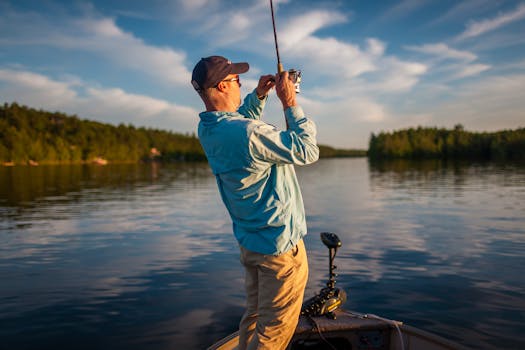 Green pumpkin and smoke tubes cover 90% of conditions. Pair them with 1/4-ounce internal jig heads for the classic spiral fall that bass cannot resist.
Rigging Methods: Three Ways to Fish a Tube
The rig you choose changes how the tube moves through the water. Each method solves a different problem.
Internal Jig Head (The Classic)
This is the original tube rig and still the best for most situations. An internal jig head slides inside the hollow body with the hook point poking through the top. The weight sits inside the bait, creating that signature spiral fall.
How to rig it: Slide the jig head into the tube body with the hook eye coming out through a small slit in the nose. Push the hook point through the top of the tube head.
When to use it: Open water, rocky bottoms, bluff walls, deep points. This is your default rig.
Jig head weight guide:
- 1/8 ounce: Shallow water under 8 feet, slow fall for finicky fish
- 1/4 ounce: The all-purpose weight. Works in 5 to 20 feet
- 3/8 ounce: Deep water over 15 feet, windy days, strong current
- 1/2 ounce: Depths over 25 feet or heavy current
Texas Rig
The Texas rig turns a tube into a weedless bait you can throw into cover without getting hung up. You lose some spiral fall action but gain the ability to fish grass, wood and laydowns.
How to rig it: Thread a bullet weight onto your line, tie on a 3/0 EWG hook, push the hook through the nose of the tube about a quarter inch, bring it out the side, slide the tube up the shank and bury the point back into the body.
When to use it: Grass, brush piles, laydowns, docks. The Texas rig is the go-to when fishing tubes for largemouth around heavy structure.
Shaky Head
A shaky head jig gives the tube a stand-up presentation on the bottom. The flat head keeps the bait upright with the tentacles waving in the current. This is a finesse technique for pressured fish.
How to rig it: Thread the tube onto a shaky head jig like a finesse worm. Push the hook through the nose, out the belly and skin-hook the point into the body.
When to use it: Tough bites, cold fronts, pressured lakes. It pairs well with a drop shot rig rotation when the bite gets difficult.
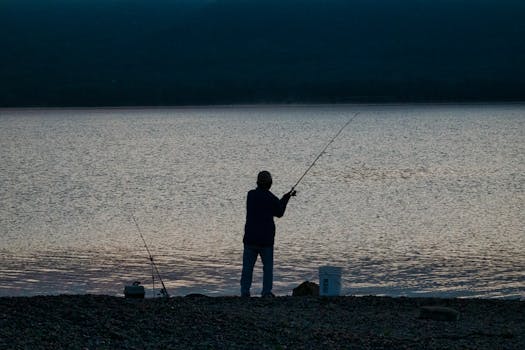 The internal jig head rig is the foundation of tube fishing. Master this setup first before moving to Texas rigs and shaky heads.
Retrieval Techniques: Drag, Hop and Swim
How you move a tube matters as much as how you rig it. Each retrieve imitates a different prey behavior.
The Drag
Cast to your target, let the tube spiral to the bottom and drag it slowly across the rocks. Keep the rod at a 45-degree angle and pull it to the side in 6 to 12-inch sweeps. Reel up slack between drags.
This imitates a crawfish creeping along the bottom. Bass pick up the tube as it pauses between drags. You will feel a subtle heaviness or a tick. Set the hook on anything that feels different from the bottom.
The Hop
Pop your rod tip up sharply to lift the tube 6 to 18 inches off the bottom, then let it spiral back down on a semi-tight line.
Most bites come on the fall after the hop. Watch your line as the tube sinks. If it goes slack early or twitches sideways, a bass grabbed it. This is deadly on rocky points and humps.
The Swim
A tube on a 1/4-ounce internal jig head can be swum through the water column with a slow steady retrieve. Keep the rod tip at 10 o'clock and reel at a slow to medium pace. Add an occasional twitch to make the tube dart. This covers water faster than dragging or hopping.
The Dead Stick
Cast the tube to structure, let it sink and leave it. The tentacles wave in the ambient current. Give it 15 to 30 seconds. Twitch once. Wait again. Cold front smallmouth on a rock pile will eat a dead-sticked tube when they refuse everything with forward movement.
Conditions Where Tubes Outperform Everything
Tubes are not the best bait for every situation. But in the right conditions, nothing else comes close.
Clear water (visibility over 4 feet): The natural profile of a tube is perfect when bass can see every detail. Bulky creature baits and loud spinnerbaits spook fish in gin-clear water. A tube falling through the water column looks like real food.
Rocky structure: If the bottom is chunk rock, gravel, riprap or boulders, tie on a tube. The shape and movement match a crawfish better than any crawfish imitator on the market.
Cold water (45 to 55 degrees): Bass slow down and refuse fast-moving baits. The slow spiral fall keeps the bait in the strike zone longer than anything else.
If water is stained: Switch to a darker color like black neon or junebug. Upsize to a 4.5-inch tube.
If wind is pushing into a rocky bank: Cast to the windblown side and drag along the rocks. Wind pushes baitfish and crawfish into the bank. Bass follow.
If cold front kills the bite: Downsize to a 3-inch tube on a 1/8-ounce head. Dead stick it on the bottom.
If bass are suspended: Swim the tube through the water column at the depth where you are marking fish on electronics.
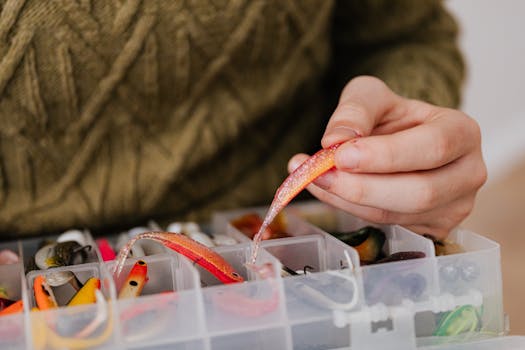 Rocky points like this are tube bait paradise. Drag a green pumpkin tube across those boulders and let it fall into the gaps where bass ambush crawfish.
Species-Specific Strategies
Smallmouth Bass
Smallmouth and tubes go together like nothing else in bass fishing. On the Great Lakes, Lake Champlain and countless northern rivers, the tube is the number one smallmouth bait.
Use smoke or silver-flake tubes in 3.5 to 4-inch sizes on 1/4-ounce internal jig heads. Fish rocky points, shoals and drop-offs in 10 to 25 feet with a drag-and-hop retrieve.
If you are targeting smallmouth bass on a new lake, throw a tube on a rocky point and you will get bit.
Largemouth Bass
Largemouth respond to tubes best around rocky cover in clear water. Texas rig a green pumpkin tube and fish it around docks, riprap and rock piles. The Strike King Coffee Tube in brown/copper is a top crawfish pattern.
In lakes with heavy grass, tubes snag vegetation. Stick to hard-bottom areas when throwing tubes for largemouth.
Spotted Bass
Spotted bass love tubes as much as smallmouth. In highland reservoirs with deep clear water, a tube on a 3/8-ounce jig head dropped along a bluff wall is one of the best presentations you can make.
Gear Setup
Rod: 6'6" to 7-foot medium power spinning rod with a fast action tip. You need sensitivity to feel a bass picking a tube off the bottom and backbone to drive the hook home.
Reel: 2500-size spinning reel with a smooth drag. Spinning gives you better casting distance with light jig heads.
Line: Fluorocarbon is non-negotiable. It sinks to maintain contact on the fall and it is nearly invisible in clear water. Run 6-pound ultra-clear, 8-pound standard and 10-pound around cover. For Texas rigged tubes, step up to a medium-heavy baitcaster with 12 to 15-pound fluorocarbon.
Jig heads: Gamakatsu tube jig heads are the industry standard. Sharp hook, compact head that fits inside the tube body. Buy 1/8, 1/4 and 3/8-ounce sizes.
Mistakes That Kill the Bite
- Using too heavy a jig head. The spiral fall is the whole point and a heavy head kills it. Start with the lightest weight that lets you maintain bottom contact.
- Setting the hook too hard. Tube jig heads have smaller hooks. A sweeping hookset works better than a hard snap.
- Ignoring the fall. Most tube bites happen while the bait is sinking. Watch your line on every cast.
- Fishing too fast. Tubes reward patience. Slow drags and long pauses outproduce a fast retrieve almost every time.
- Throwing tubes in grass. The tentacles catch vegetation constantly. Fish tubes on hard bottoms and rocks.
- Using braided line without a leader. Braid is visible in clear water and kills the natural fall. Always use fluorocarbon.
- Storing tubes loose in a tackle box. Tubes are hollow and crush flat. Keep them in original bags.
FAQs
What is the best tube bait for bass?
The Gitzit Original 4-inch is the standard. For smallmouth, smoke and silver flake are hard to beat. For largemouth, green pumpkin and brown/orange crawfish patterns produce the most bites. The Yamamoto 4-inch tube and Strike King Coffee Tube are also excellent.
What size jig head should I use for tube baits?
Start with 1/4 ounce as your all-purpose size. Drop to 1/8 ounce in shallow water or when fish want a slower fall. Go to 3/8 ounce in water deeper than 15 feet or in wind and current.
Can you Texas rig a tube bait?
Yes. Use a 3/0 EWG hook and a 1/8 to 1/4-ounce bullet weight. You lose some spiral fall action but can fish soft plastics through grass, wood and brush without hanging up.
Do tube baits work in muddy water?
Tubes are at their best in clear to lightly stained water. In muddy conditions, baits with more water displacement like creature baits will outperform tubes. If you fish tubes in stained water, use dark colors and add a rattle insert to the hollow body.
What is the difference between a tube bait and a grub?
A tube has a hollow body with multiple thin tentacles. A grub has a solid body with a single curly tail. Tubes spiral on the fall and imitate crawfish. Grubs thump and vibrate on a steady retrieve. Tubes excel fished vertically. Grubs excel fished horizontally.
1-Minute Action Plan
- Rig a 4-inch Gitzit Original in green pumpkin on a 1/4-ounce Gamakatsu internal jig head
- Find a rocky point, bluff wall or gravel bank in 8 to 15 feet of water
- Cast to structure and let the tube spiral to the bottom on a semi-tight line
- Drag 6 inches, pause, hop it off the bottom, let it spiral back down
- No bites after 10 minutes? Downsize to 1/8-ounce or move to the next rocky spot
Track Your Tube Bait Patterns
Tube fishing is about matching the right weight, color and retrieve to conditions on your water. The Tackle app lets you log which jig head weight and color produced on each spot so you build a pattern library instead of guessing every trip.
Download Tackle free and start tracking your catches.
Next Steps
- If you are targeting smallmouth on northern lakes, read our complete smallmouth bass guide
- If you want to expand your soft plastic game, check out how to use soft plastic lures
- If you are fishing deep structure, learn how to fish a drop shot rig as a complementary finesse technique
- If you want to dial in jig head selection, read our jig head guide
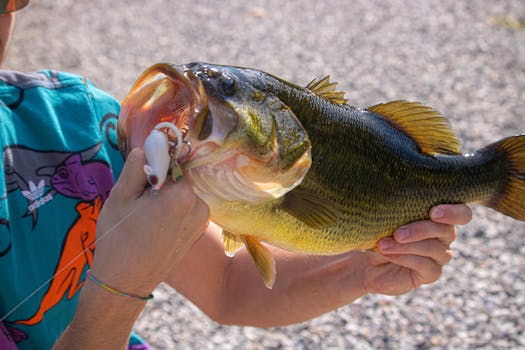 Smallmouth bass and tube baits are one of the most reliable combinations in freshwater fishing. Rocky shorelines and clear water are where this pairing shines.
Sources
- Bass Resource - Tube Bait Fishing Tips
- Wired2Fish - Tube Fishing Guide
- In-Fisherman - Tube Jig Techniques
Regulations change. Always check local rules before fishing.

Tackle Team
The Tackle Fishing Team is a collective of anglers, data scientists, and fishing enthusiasts dedicated to making fishing more accessible and successful for everyone.
View profileSources Consulted
The following sources were consulted in creating this guide:
- Bass Resource – www.bassresource.com (retrieved Mar 2026)
- Wired2Fish – www.wired2fish.com (retrieved Mar 2026)
- In-Fisherman – www.in-fisherman.com (retrieved Mar 2026)
Note: Information is summarized and explained in our own words. Always verify current regulations with official sources.
Frequently Asked Questions
What is the best tube bait for bass?
The Gitzit Original 4-inch tube is the standard that all other tubes are measured against. For smallmouth, smoke and silver flake colors are hard to beat. For largemouth around rocky cover, green pumpkin and brown/orange crawfish patterns produce the most bites. The Yamamoto 4-inch tube and Strike King Coffee Tube are also excellent options.
What size jig head should I use for tube baits?
Start with 1/4 ounce as your all-purpose size. Drop to 1/8 ounce in shallow water under 8 feet or when fish want a slower fall. Go up to 3/8 ounce in water deeper than 15 feet or when fishing in wind and current. Use the lightest head that still lets you feel the bottom.
Can you Texas rig a tube bait?
Yes. A Texas rigged tube works well for fishing around cover where an exposed jig hook would get snagged. Use a 3/0 EWG hook and a 1/8 to 1/4-ounce bullet weight. You lose some spiral fall action but gain the ability to fish through grass, wood and brush without hanging up.
Do tube baits work in muddy water?
Tubes are at their best in clear to lightly stained water. In muddy water with less than 2 feet of visibility, baits with more water displacement like creature baits and spinnerbaits will outperform tubes. If you do fish tubes in stained water, use dark colors and add a rattle insert to the hollow body.
What is the difference between a tube bait and a grub?
A tube has a hollow cylindrical body with multiple thin tentacles on the tail end. A grub has a solid body with a single curly tail. Tubes spiral on the fall and imitate crawfish or dying baitfish. Grubs thump and vibrate on a steady retrieve. Tubes excel when fished vertically on the fall while grubs excel when fished horizontally on a swim.
Plan Your Next Fishing Trip
Download Tackle to compare tide charts, wind conditions, and practical fishing guidance for your location before you go.
✓ Real-time tide charts • ✓ Wind & weather forecasts • ✓ AI fish identification
See local regulations — Find regulations for your area
Want weekly fishing windows delivered to your inbox?
Get personalized fishing forecasts based on weather, tides, and moon phases.
RELATED CONTENT
KEEP READING