

If you could only fish one rig for the rest of your life, make it a Texas rig. It goes through grass without snagging. It slides through brush piles. It sits on the bottom looking like an easy meal. More bass have been caught on a Texas rig than any other soft plastic presentation, and tournament pros still reach for it when the bite gets tough.
What a Texas Rig Is (and Why It Works)
A Texas rig is simple. Slide a bullet-shaped weight onto your line, tie on a hook and thread a soft plastic bait onto the hook so the point is buried back into the body. That buried hook point is the whole secret. It makes the rig weedless, letting you fish the nastiest cover on the lake without hanging up.
The bullet weight pulls the bait down and clicks against the hook knot as it moves. Bass feel that vibration through their lateral line. The soft plastic does the rest with its natural action on the fall and along the bottom.
Get Personalized Fishing Advice
Want real-time conditions for your exact location? Tackle provides live tide data, wind forecasts, and AI-powered fishing advice tailored to where you fish.
✓ Real-time tide charts • ✓ Wind & weather forecasts • ✓ AI fish identification
Quick Setup Summary
New to rigging? Start with our complete fishing rig setup guide before diving into the Texas rig specifically.
- Line: 15 to 20 lb fluorocarbon (heavy cover) or 12 to 15 lb for open water
- Weight: 1/4 oz bullet sinker for all-purpose use
- Hook: 3/0 to 4/0 EWG (Extra Wide Gap)
- Plastic: 7-inch ribbon tail worm or creature bait
- Rod: 7-foot medium-heavy, fast action
- Reel: Baitcaster, 7.1:1 or higher gear ratio
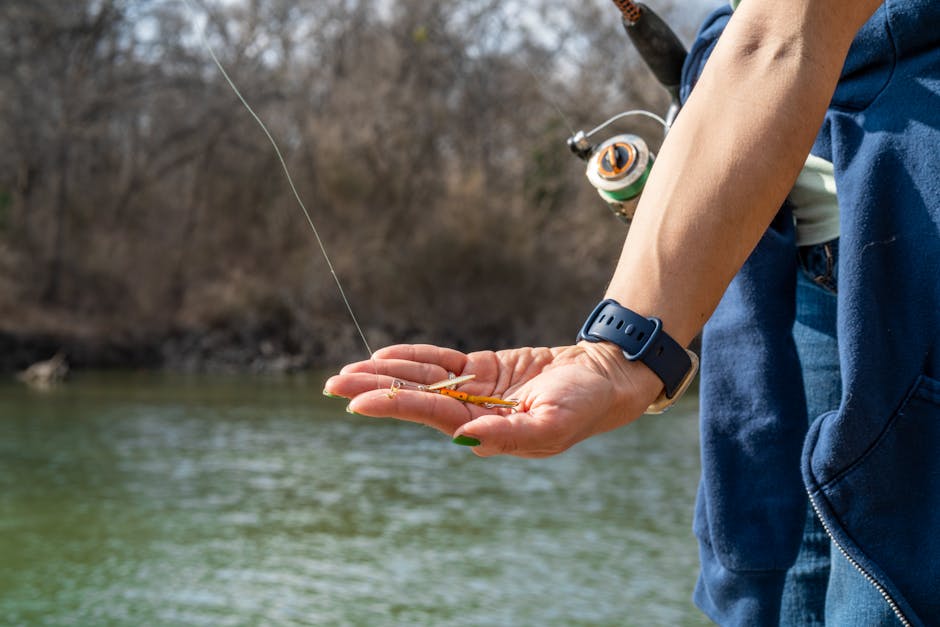 A clean Texas rig setup: bullet weight, EWG hook and a soft plastic. Three pieces that catch bass everywhere.
How to Rig It Step by Step
- Thread the bullet weight. Slide it onto your main line with the pointed end facing away from the rod.
- Tie your hook. Palomar knot or improved clinch. A 3/0 EWG fits most 6 to 7 inch plastics. Go to 4/0 or 5/0 for bulky creature baits.
- Insert the hook point into the nose. Push straight into the center of the plastic's head about 1/4 inch deep.
- Push through and rotate. Push the point out through the side, then rotate the hook 180 degrees so the shank lies flat against the body.
- Skin-hook the point. Push the point just barely back into the plastic so it sits flush. The bait should hang straight with no twists.
If the bait hangs crooked, pull it off and start over. A twisted plastic spirals on the fall and bass notice.
Weight Selection Guide
The weight controls depth, fall speed and how the bait moves through cover.
- 1/8 oz: Shallow finesse. Docks in 2 to 5 feet. Clear water where you want a slow fall.
- 1/4 oz: All-purpose. Works 3 to 12 feet in moderate cover. Start here.
- 3/8 oz: Moderate depth and wind. Better bottom contact in 8 to 15 feet.
- 1/2 oz: Deep water and heavy cover. Punches scattered grass. Reaches 15 to 20 feet.
- 3/4 to 1 oz: Punching matted vegetation. Breaks through thick surface mats where big bass hide underneath.
Tungsten vs lead: Tungsten is smaller and more sensitive. You feel every rock and branch. It costs more but the sensitivity is real. Use tungsten when reading the bottom matters. Use lead when you burn through weights in heavy cover.
Pegging vs Free-Sliding
Peg the weight when punching matted grass or flipping heavy cover. A pegged weight keeps the sinker tight against the hook so the whole rig punches through as one unit.
Let it slide free for everything else. The weight separates from the bait on the fall, giving a more natural look. When a bass picks up the bait it does not feel the weight right away. That extra second of zero resistance means better hookups.
Hook Styles and Sizes
EWG (Extra Wide Gap): The default Texas rig hook. The wide gap handles bulky plastics and gives better hookup ratios. Sizes 3/0 to 5/0.
Straight shank: Better for heavy cover flipping. The straight shank pins the plastic tight against the hook eye, preventing grass from wedging in. Sets the hook more efficiently when hauling bass out of thick stuff.
Sizing: 3/0 for 6 to 7 inch worms. 4/0 for bulkier plastics like Brush Hogs. 5/0 for magnum worms and oversized creatures.
Best Soft Plastics for a Texas Rig
These categories cover 90% of Texas rig fishing. For more options check our soft plastic lures guide.
Creature baits: Zoom Brush Hog and Strike King Rage Bug. Multiple appendages with tons of action on the fall. Great for flipping.
Ribbon tail worms: Zoom Ol Monster (10.5 inch) and Zoom Trick Worm (6.5 inch). The tail kicks and undulates during a slow drag. A 10-inch worm is a big bass magnet.
Crawfish imitators: Strike King Rage Craw and Zoom Speed Craw. Fish them on the bottom around rock where bass feed on crawfish.
Stick baits: Yamamoto Senko (5 inch). Dense plastic that sinks on a subtle shimmy with zero input from you. One of the best bass lures ever made.
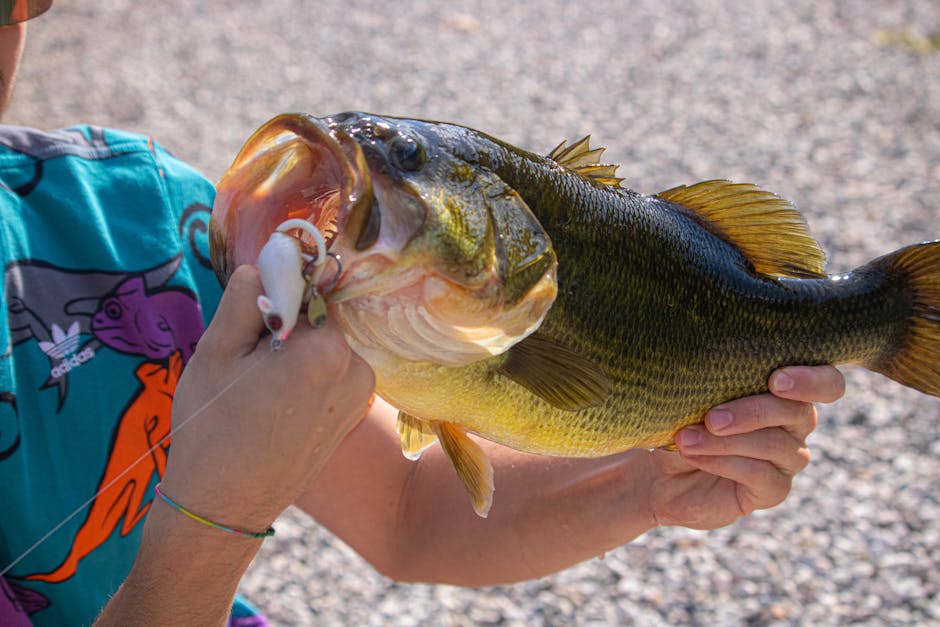 Green pumpkin and watermelon are the two most versatile colors. Start there and adjust for water clarity.
Retrieval Techniques
Slow Drag
The bread and butter. Let the bait sink to bottom, drag it slowly with your rod tip, reel up slack, drag again. Most bites come during the drag or right when you pause.
Hop-Hop-Pause
Two short pops of the rod tip followed by a 3 to 5 second pause. The bait hops off bottom and settles back. Bass often hit on the fall after the pause. Works well around stumps and brush piles.
Swimming
Reel at a steady pace so the creature bait swims through the mid-water column. Use this over grass tops or along bluff walls where bass are suspended.
Dead Stick
Cast and let it sit. A Senko sinking on its own shimmy then sitting still on the bottom catches fish that ignore everything else. Wait 15 to 30 seconds before moving it.
Cover Types and Where to Fish
Grass: Drag through scattered hydrilla, punch through mats, swim over grass lines. The weedless design goes where treble hooks cannot.
Laydowns and wood: Cast past fallen trees and drag through the branches. The bullet weight slides over limbs. Focus on the shady side.
Brush piles: Sink straight down on a semi-tight line. Vertical presentations with a 1/2 oz weight work best.
Rocks: Crawl the bait over rock transitions. Use a crawfish imitation with a tungsten weight to feel every crevice.
Docks: Skip under docks with a lighter weight (1/8 to 1/4 oz). Work along pilings and the shady back wall.
Seasonal Adjustments
Spring (50 to 65 degrees): Creature baits around laydowns and docks in 2 to 8 feet. Lighter weights. Slower presentations.
Summer (70+ degrees): Punch mats with 3/4 to 1 oz weights. Flip brush piles and deep docks. Fish dawn and dusk.
Fall (55 to 70 degrees): Swim a creature bait through creek channels and over grass. Bass follow baitfish shallow. Pick up the pace.
Winter (below 50 degrees): Finesse worm on a 1/8 oz Texas rig dragged painfully slow along deep points and ledges. Bites feel like nothing more than a little extra weight.
5 Mistakes That Kill Your Texas Rig Bite
-
Rigging the plastic crooked. A twisted bait spins instead of falling naturally. Take an extra 10 seconds to get it straight.
-
Using too heavy a weight in shallow water. A 1/2 oz sinker crashing into 3 feet of water spooks every bass nearby. Match weight to depth.
-
Not watching your line on the fall. Most bites happen as the bait sinks. If your line jumps or moves sideways before hitting bottom, set the hook.
-
Reeling to set the hook. Reel down until you feel the fish, then drive the rod up and to the side. Just cranking the handle does not generate enough force.
-
Fishing too fast. The Texas rig is a slow bait. Let it sit. Bass pick it up because it looks like an easy meal, not because they are chasing it.
FAQs
What is the best Texas rig setup for beginners?
Start with a 1/4 oz bullet weight, a 3/0 EWG hook and a 7-inch ribbon tail worm in green pumpkin. This combination works in almost every lake and season.
What is the difference between a Texas rig and a Carolina rig?
A Texas rig has the weight right against the hook. A Carolina rig separates the weight from the hook with a 12 to 24 inch leader. Carolina rigs cover more water. Texas rigs are better for specific targets and heavy cover.
Do I need a baitcaster for Texas rig fishing?
It helps but is not required. A baitcaster gives better accuracy for pitching into cover and lets you control fall speed with your thumb. Spinning gear works for lighter rigs in open water.
What line should I use for a Texas rig?
Fluorocarbon in 15 to 20 lb test. It sinks naturally, is nearly invisible and handles abrasion from wood and rock. Drop to 12 lb in clear open water.
When should I peg the weight on a Texas rig?
Peg it when punching matted grass or thick surface cover. In every other situation let the weight slide free for a more natural presentation and better hookups.
Build Your Texas Rig Playbook
The Texas rig rewards patience and attention. The Tackle app helps you log which plastics, weights and speeds produce so every trip builds on the last one.
Ready to track your Texas rig catches and find the patterns? Download Tackle free.
Sources
- Wired2Fish - Texas Rig Fishing Guide
- Bass Resource - Texas Rig Techniques
- Bassmaster - Texas Rig Tips
Regulations change. Always check local rules before fishing.

Tackle Team
The Tackle Fishing Team is a collective of anglers, data scientists, and fishing enthusiasts dedicated to making fishing more accessible and successful for everyone.
View profileSources Consulted
The following sources were consulted in creating this guide:
- Wired2Fish – www.wired2fish.com (retrieved Mar 2026)
- Bass Resource – www.bassresource.com (retrieved Mar 2026)
- Bassmaster – www.bassmaster.com (retrieved Mar 2026)
Note: Information is summarized and explained in our own words. Always verify current regulations with official sources.
Frequently Asked Questions
What is the best Texas rig setup for beginners?
Start with a 1/4-ounce bullet weight, a 3/0 EWG hook and a 7-inch ribbon tail worm in green pumpkin. This combination works in almost every lake and every season. Keep it simple until you learn to feel the bottom and detect bites.
What is the difference between a Texas rig and a Carolina rig?
A Texas rig has the weight right against the hook. A Carolina rig separates the weight from the hook with a 12 to 24 inch leader, letting the bait float and drift behind the sinker. Carolina rigs cover more water. Texas rigs are better for fishing specific targets and heavy cover.
Do I need a baitcaster for Texas rig fishing?
Not strictly, but it helps. A baitcaster gives you better accuracy for pitching and flipping into cover, and the thumb control lets you manage the fall speed. Spinning gear works fine for lighter Texas rigs in open water.
What line should I use for a Texas rig?
Fluorocarbon in 15 to 20 pound test for most situations. It sinks, which helps the rig fall naturally. It is nearly invisible underwater and has enough abrasion resistance to handle wood and rock. Drop to 12 pound in clear open water.
When should I peg the weight on a Texas rig?
Peg it when you are punching through matted grass or thick surface cover. The pegged weight and bait punch through as one unit. In every other situation, let the weight slide free for a more natural presentation and better hookups.
Plan Your Next Fishing Trip
Download Tackle to compare tide charts, wind conditions, and practical fishing guidance for your location before you go.
✓ Real-time tide charts • ✓ Wind & weather forecasts • ✓ AI fish identification
See local regulations — Find regulations for your area
Want weekly fishing windows delivered to your inbox?
Get personalized fishing forecasts based on weather, tides, and moon phases.
RELATED CONTENT
KEEP READING