

The Carolina rig is how you find bass when they scatter across flats and open bottom. It covers water faster than almost any other soft plastic presentation and catches fish that ignore everything else. If your Texas rig bite dies after the spawn, the Carolina rig is your next move.
Best for: Intermediate anglers ready to fish beyond heavy cover What you need: 7'+ rod, baitcaster, egg sinker, glass bead, barrel swivel, fluorocarbon leader, offset hook and soft plastics Do this first: Tie one up with a 1/2-ounce weight, 18-inch leader and a Zoom Lizard. Drag it across a sandy point. You will feel why this rig works in the first five casts.
Quick Answer: Why the Carolina Rig Catches Bass
- The weight drags along the bottom while the bait floats and swims freely 12 to 36 inches behind it on a leader
- That separation is everything. Bass see a natural-looking plastic moving on its own instead of something pinned to a heavy sinker
- The egg weight clicking on rocks and the glass bead tapping the swivel creates noise that pulls bass in from a distance
- It covers five times more water per cast than a Texas rig because you drag it horizontally across long stretches of bottom
- Best situations: post-spawn flats, summer ledges, anytime bass are spread out and you need to find them fast
Get Personalized Fishing Advice
Want real-time conditions for your exact location? Tackle provides live tide data, wind forecasts, and AI-powered fishing advice tailored to where you fish.
✓ Real-time tide charts • ✓ Wind & weather forecasts • ✓ AI fish identification
Tackle Box Snapshot (Copy This Setup)
- Main line: 15 to 20 pound fluorocarbon
- Weight: 1/2-ounce egg sinker (3/4 to 1 ounce for deep water or wind)
- Bead: Glass bead (louder click than brass)
- Swivel: Size 7 barrel swivel
- Leader: 12 to 18 inches of 12 to 17 pound fluorocarbon
- Hook: 3/0 to 4/0 offset EWG
- Plastic: Zoom Lizard, Zoom Brush Hog or Zoom Super Fluke
- Rod: 7' to 7'6" medium-heavy, moderate-fast action
- Reel: Baitcaster, 6.3:1 gear ratio
 Every piece matters. The glass bead between the weight and swivel creates a clicking sound that bass track across open bottom.
How to Rig It Step by Step
-
Slide the weight on your main line. Thread a 1/2-ounce egg sinker onto the main line. It rides free so it can separate from the bait during the retrieve.
-
Add the bead. Slide a glass or brass bead onto the line behind the weight. Glass makes a sharper click. That noise draws bass in from 10 to 15 feet away on hard bottom.
-
Tie to the barrel swivel. Tie your main line to one end of a size 7 barrel swivel with a Palomar knot. The swivel stops the weight and bead from sliding down to the hook.
-
Tie the leader. Cut 12 to 18 inches of 12 to 17 pound fluorocarbon and tie it to the other end of the swivel. This leader gives the bait freedom to move naturally.
-
Tie the hook and rig the plastic. Tie a 3/0 or 4/0 offset EWG hook to the leader. Thread your soft plastic on Texas-style with the point buried back into the body so it runs weedless.
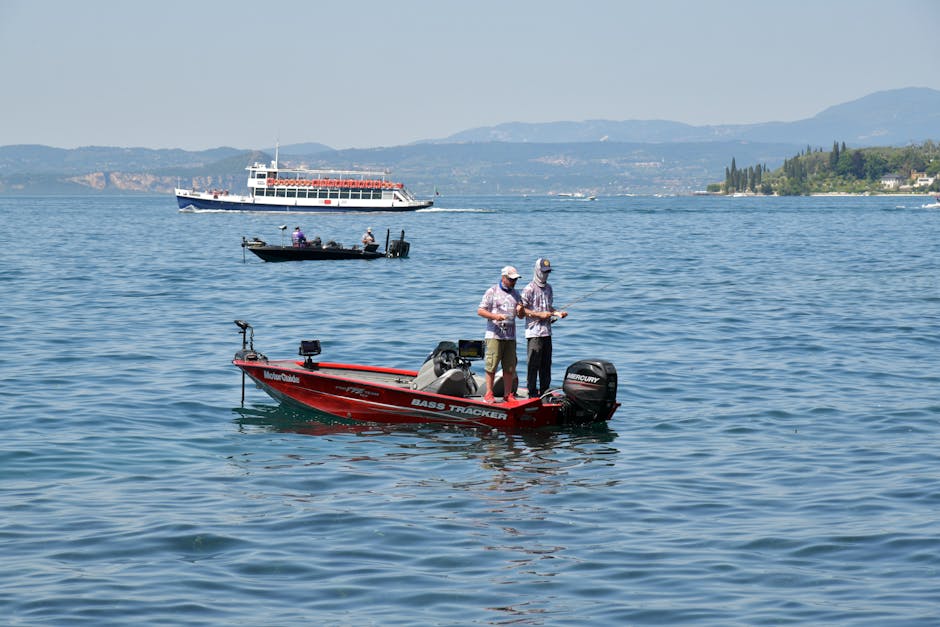 The Carolina rig shines on long casts. Bomb it out there and drag it back slow. You are searching for fish, not targeting a single piece of cover.
Component Selection and Adjustments
Weight: Start with 1/2 ounce. Go to 3/4 or 1 ounce for depths past 15 feet or windy conditions. Tungsten is smaller and more sensitive. Lead works fine and costs less.
Bead: Glass clicks louder than brass on hard bottom. Some anglers stack one of each for extra noise. Both work.
Swivel: Size 7 barrel swivel. Stops the weight assembly and prevents line twist.
Leader length: The single biggest adjustment you can make.
- 12 to 18 inches: Standard range for moderate-clarity water.
- 24 to 36 inches: Clear water or finicky bass. More separation from the weight.
- 8 to 12 inches: Scattered cover where a long leader tangles.
Leader material: Fluorocarbon every time. It sinks, it is nearly invisible and it handles abrasion from dragging across rocks. Go slightly lighter than your main line.
Condition adjustments:
- Clear water: Long leader (24 to 36 inches) and downsize to a trick worm or French fry.
- Stained or muddy: Short leader (12 inches) and a bigger bait like a Brush Hog to stay near the noise.
- Short strikes: Lengthen the leader 6 inches. Fish might be hitting the weight assembly.
- Bass tight to bottom: Use a sinking stick bait. Bass suspended off bottom? Use a floating lizard or fluke.
Best Soft Plastics for a Carolina Rig
You want baits that float slightly off the bottom or have lots of appendage action. That floating and waving motion behind the weight is the whole point of the rig.
Lizards: The Zoom Lizard is the classic Carolina rig bait. The legs kick and flutter as the bait floats behind the weight. Six-inch in green pumpkin or watermelon is the standard.
Creature baits: The Zoom Brush Hog has a bulky profile with appendages that flap and vibrate. Use it when you want a bigger presence.
Flukes: The Zoom Super Fluke floats and darts behind the weight like a dying baitfish. Best when bass are keying on shad over sand or gravel.
Trick worms: A 7-inch trick worm in bubblegum or cotton candy floats up off bottom and catches bass that have seen everything else.
French fry worms: Simple straight worms with no action of their own. The Carolina rig gives them all the movement they need. Deadly in clear water.
 Lizards, creature baits and flukes all shine behind a Carolina rig. Pick baits that float or have appendages that move on their own.
Spot Playbook: Where Bass Stage on a Carolina Rig
Points: The number one Carolina rig spot. Bass use long tapering points as highways between deep and shallow water. Drag from deep to shallow along both sides.
Humps and ledges: Submerged humps in 12 to 20 feet hold bass all summer. The Carolina rig covers an entire hump in a few casts. Ledges where the bottom drops from 8 to 15 feet are prime.
Flats: Post-spawn bass scatter across big flats chasing baitfish. You cannot fish a flat efficiently with a Texas rig or drop shot. The Carolina rig covers hundreds of yards until you find them. A punch rig is the better choice when those flats have matted vegetation on top.
Shell beds and gravel: Hard bottom where the egg weight clicks and clacks is Carolina rig paradise. The noise on that bottom is like ringing a dinner bell.
The Sweeping Drag: How to Retrieve a Carolina Rig
The retrieve is simple but it takes practice to feel right.
-
Cast it out and let the rig sink to the bottom. You will feel the weight hit.
-
Point your rod at 9 o'clock (parallel to the water, pointed toward the bait).
-
Make a long, slow sweep with the rod from 9 o'clock up to about 12 o'clock. This drags the weight and bait 3 to 4 feet across the bottom.
-
Drop the rod tip back to 9 o'clock while reeling up the slack line. Do not reel while you sweep.
-
Pause for 2 to 3 seconds. Repeat.
Feel the weight ticking along bottom during each sweep. When it crosses from mud to rock or gravel, slow down. That transition is where bass set up.
Detecting bites: Carolina rig bites are subtle. The line might go slack or the weight might feel heavier. If something changes, reel down until you feel pressure and set the hook with a long sweep to the side.
5 Mistakes That Kill Your Carolina Rig Bite
-
Reeling instead of sweeping. Cranking the reel bounces the rig off bottom and kills your feel. Long rod sweeps keep the weight where it belongs.
-
Too short a leader in clear water. Bass can see the weight and swivel. Go 24 to 36 inches when visibility is high.
-
Fishing it in heavy cover. The long leader tangles on stumps and laydowns. Save it for open bottom. Use a Texas rig in the heavy stuff.
-
Ignoring bottom changes. If the weight goes from mud to gravel and you just keep dragging, you probably dragged right past the fish. Slow down at transitions.
-
Setting the hook too fast. The leader builds slack into the system. Reel down until you feel the fish before you swing. Snapping the rod on the first tap just pulls the bait away.
FAQs
What is the best leader length for a Carolina rig?
Start at 18 inches. That works in most water clarity and cover conditions. Go longer (24 to 36 inches) in clear water where bass are pressured. Go shorter (8 to 12 inches) around scattered wood or when you want the bait closer to the bottom noise.
What is the difference between a Carolina rig and a Texas rig?
A Texas rig puts the weight right against the hook for vertical, precise presentations in heavy cover. A Carolina rig separates the weight from the bait with a leader for horizontal coverage across open bottom. The Texas rig targets specific spots. The Carolina rig finds fish across big areas. They complement each other.
Can I use a spinning rod for a Carolina rig?
You can, but a baitcaster works better. The rig is heavy (1/2 ounce or more) and you need to make long casts, then set the hook from a distance. A 7-foot or longer medium-heavy baitcasting rod gives you the casting distance and hookset power that a spinning setup cannot match at these weights.
What is the best color for Carolina rig soft plastics?
Green pumpkin and watermelon are the two most versatile colors. Use them in clear to moderately stained water. In muddy water or on overcast days, go to black and blue or junebug. Bubblegum trick worms are a sleeper pick that produces in clear water when nothing else works.
When is the best time of year to fish a Carolina rig?
Post-spawn through fall is prime. After bass finish spawning they scatter across flats and points where the Carolina rig shines. Summer ledge fishing is another peak window. You can fish it in winter too by slowing the drag way down and using smaller baits, but the rig really earns its keep from May through October.
1-Minute Action Plan
- Tie up a Carolina rig with a 1/2-ounce egg sinker, glass bead, size 7 swivel and 18 inches of 15-pound fluorocarbon leader to a 3/0 EWG hook
- Rig a 6-inch Zoom Lizard in green pumpkin Texas-style
- Find a long tapering point or flat in 8 to 15 feet
- Make long casts and use slow sweeping drags from 9 to 12 o'clock
- If no bites after 15 minutes, try lengthening the leader to 24 inches or switching to a trick worm
Your Carolina Rig Logbook
Which bottom type produced. What leader length triggered bites. Whether lizards or flukes worked better at that depth. The Tackle app lets you log all of it so your next trip starts with data instead of guesswork. Download Tackle free.
Read Next
- Fishing heavy cover? Learn how to use a Texas rig for precise presentations around brush and grass.
- Want to know which plastics work for every rig? Read the soft plastic lures guide.
- Targeting bass on a vertical drop? Check out the drop shot rig guide.
Sources
- Wired2Fish - Carolina Rig Fishing Guide
- Bass Resource - Carolina Rig Techniques
- In-Fisherman - Carolina Rigging for Bass
Regulations change. Always check local rules before fishing.

Tackle Team
The Tackle Fishing Team is a collective of anglers, data scientists, and fishing enthusiasts dedicated to making fishing more accessible and successful for everyone.
View profileSources Consulted
The following sources were consulted in creating this guide:
- Wired2Fish – www.wired2fish.com (retrieved Mar 2026)
- Bass Resource – www.bassresource.com (retrieved Mar 2026)
- In-Fisherman – www.in-fisherman.com (retrieved Mar 2026)
Note: Information is summarized and explained in our own words. Always verify current regulations with official sources.
Frequently Asked Questions
What is the best leader length for a Carolina rig?
Start at 18 inches. That works in most water clarity and cover conditions. Go longer (24 to 36 inches) in clear water where bass are pressured. Go shorter (8 to 12 inches) around scattered wood or when you want the bait closer to the bottom noise.
What is the difference between a Carolina rig and a Texas rig?
A Texas rig puts the weight right against the hook for vertical, precise presentations in heavy cover. A Carolina rig separates the weight from the bait with a leader for horizontal coverage across open bottom. The Texas rig targets specific spots. The Carolina rig finds fish across big areas. They complement each other.
Can I use a spinning rod for a Carolina rig?
You can, but a baitcaster works better. The rig is heavy (1/2 ounce or more) and you need to make long casts, then set the hook from a distance. A 7-foot or longer medium-heavy baitcasting rod gives you the casting distance and hookset power that a spinning setup cannot match at these weights.
What is the best color for Carolina rig soft plastics?
Green pumpkin and watermelon are the two most versatile colors. Use them in clear to moderately stained water. In muddy water or on overcast days, go to black and blue or junebug. Bubblegum trick worms are a sleeper pick that produces in clear water when nothing else works.
When is the best time of year to fish a Carolina rig?
Post-spawn through fall is prime. After bass finish spawning they scatter across flats and points where the Carolina rig shines. Summer ledge fishing is another peak window. You can fish it in winter too by slowing the drag way down and using smaller baits, but the rig really earns its keep from May through October.
Plan Your Next Fishing Trip
Download Tackle to compare tide charts, wind conditions, and practical fishing guidance for your location before you go.
✓ Real-time tide charts • ✓ Wind & weather forecasts • ✓ AI fish identification
See local regulations — Find regulations for your area
Want weekly fishing windows delivered to your inbox?
Get personalized fishing forecasts based on weather, tides, and moon phases.
RELATED CONTENT
KEEP READING