

Largemouth bass are the most popular freshwater gamefish in America for a reason. They hit hard, fight dirty and live in almost every pond, lake and river from Maine to California. They're also stubborn enough to humble you on any given day.
This guide is the playbook. Not theory. This is what actually puts largemouth in the boat, whether you're fishing a farm pond on Saturday morning or grinding through a tournament on a tough lake.
Quick Answer: What Works Right Now
- Prespawn (water 50 to 62 degrees): Texas-rigged creature bait on shallow flats near spawning areas.
- Spawn (62 to 72 degrees): Sight-fish beds with a wacky-rigged Yamamoto Senko or small jig.
- Postspawn: Topwater early. Shaky head on main lake points.
- Summer: Deep crankbaits and jigs on offshore structure. Fish early and late.
- Fall: Spinnerbaits and squarebill crankbaits around baitfish in the backs of creeks.
- Winter: Jerkbaits and blade baits on steep bluffs and channel drops. Dead slow.
Get Personalized Fishing Advice
Want real-time conditions for your exact location? Tackle provides live tide data, wind forecasts, and AI-powered fishing advice tailored to where you fish.
✓ Real-time tide charts • ✓ Wind & weather forecasts • ✓ AI fish identification
Understanding Largemouth Bass
Largemouth are ambush predators. They don't chase meals across open water like stripers. They sit next to something, a dock, a stump, a grass edge, a rock pile, and wait for food to swim past. Then they inhale it.
This one fact should shape every decision you make. You're not fishing open water. You're fishing cover and structure. Always.
Water temperature controls their metabolism. Cold bass are slow and lazy. Warm bass are aggressive and hungry. The sweet spot is 65 to 80 degrees, which is when they feed the hardest and fight the strongest.
Tackle Box Snapshot
Copy this list. It covers 90% of largemouth situations.
Rods and reels:
- 7-foot medium-heavy baitcaster, fast action (jigs, Texas rigs, spinnerbaits)
- 7-foot medium spinning rod, moderate-fast action (finesse, drop shot)
- 7-foot medium baitcaster, moderate action (crankbaits, topwater)
Line:
- 15-pound fluorocarbon for baitcasters around cover
- 8 to 10-pound fluorocarbon for spinning
- 30 to 50-pound braid with fluoro leader for heavy grass
Must-have lures:
- Yamamoto Senko 5-inch (green pumpkin)
- Strike King KVD 1.5 squarebill (sexy shad)
- Booyah Tandem Buzzbait (white)
- Strike King Hack Attack jig 3/8-ounce (black/blue)
- Zoom Brush Hog (green pumpkin) for Texas rigs
- Booyah Blade spinnerbait 3/8-ounce (white/chartreuse)
- Rapala DT-6 and DT-10 (shad, crawfish)
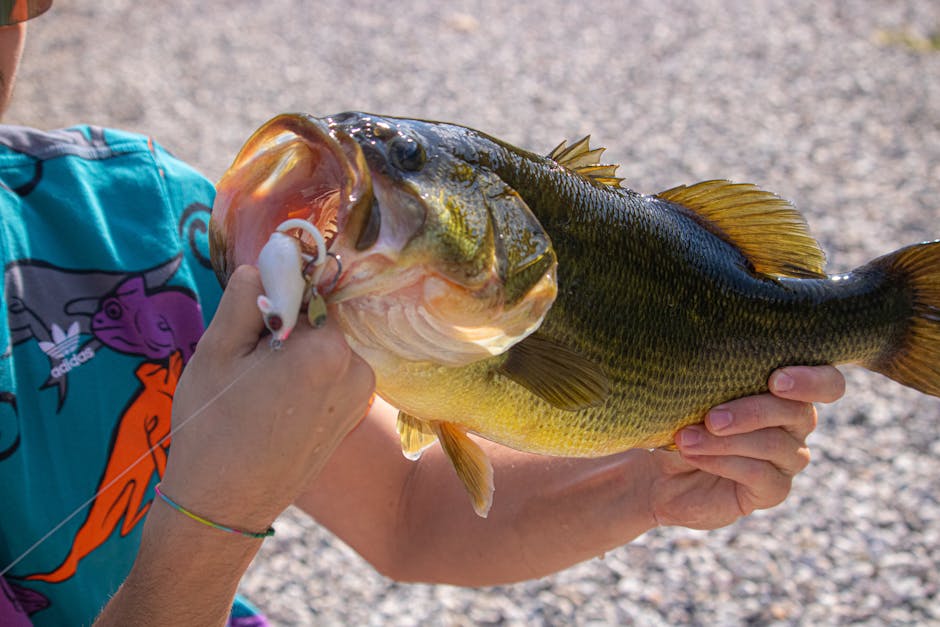 A solid bass tackle box covers soft plastics, reaction baits and bottom contact lures for any condition.
Best Lures by Situation
Texas Rig in Cover
The Texas rig is the single most important bass presentation. A bullet weight, an offset hook and a soft plastic that slides through brush and timber without hanging up.
When to throw it: Anytime bass are tight to cover. Wood, grass, docks, rocks. Spring through fall.
Best plastics: Zoom Brush Hog, Strike King Rage Craw, Berkley PowerBait MaxScent Creature Hawg.
Crankbaits for Covering Water
When you don't know where the bass are, a crankbait finds them. It covers water fast, triggers reaction strikes and tells you what depth the fish are using.
When to throw it: Along rock banks, channel swings, clay points and riprap. Spring through fall.
Topwater in Low Light
Dawn, dusk, overcast days and nighttime are prime windows. Buzzbaits over shallow grass. Walking baits (Heddon Zara Spook, Strike King Sexy Dawg) over points and flats. Water above 60 degrees. See our topwater lure picks for the full breakdown.
Spinnerbaits in Stained Water
Stained to muddy water calls for vibration and flash. Spinnerbaits deliver both and run through cover without snagging. After rain, windy banks and around laydowns are prime spots.
Jigs for Big Fish
Jigs catch fewer fish than reaction baits, but the average size is bigger. Period. Drag them slow through heavy cover. Bass pick up jigs off the bottom and you'll feel just a slight heaviness before the rod loads. For offshore rock and gravel, football jigs are the go-to shape.
Soft Plastics for Everything Else
When nothing works, soft plastics fished slow will save the day. A finesse jig in 1/4 oz is another weapon for tough days when bass refuse reaction baits. A weightless Senko has probably caught more bass than any other lure in history.
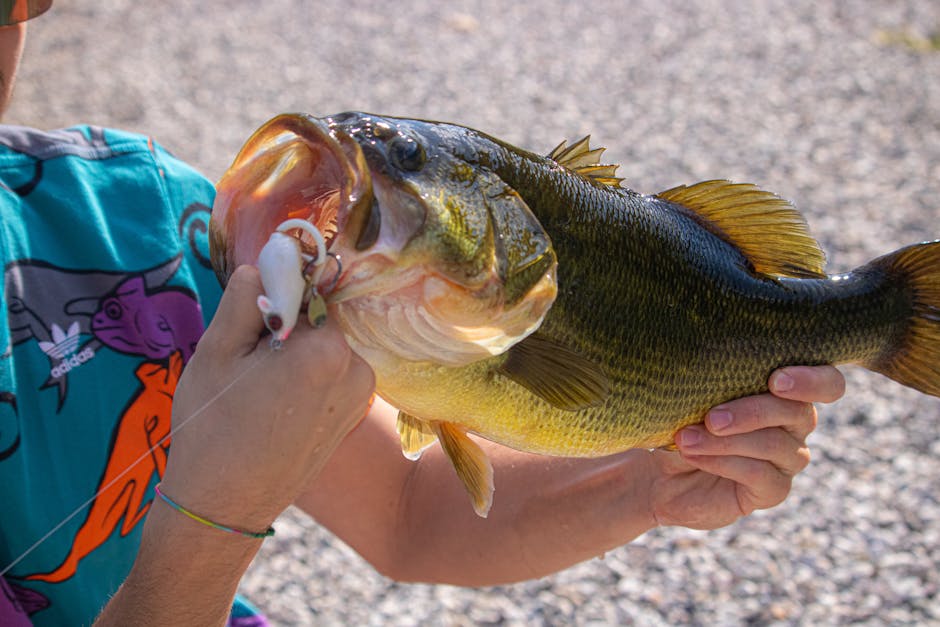 Targeting cover like fallen trees and docks is the fastest way to find largemouth bass.
Live Bait: The Florida Exception
In most of the country, artificials dominate bass fishing. Florida is different. Wild shiners (4 to 8 inches) are the number one big-bass bait in the state. Guides on Okeechobee, Toho and the Harris Chain use them almost exclusively for trophy hunting.
Hook a shiner through the back or lips with a 4/0 circle hook under a float set 3 to 5 feet deep. Cast near grass edges and pads. When the float goes under, let the fish run 3 to 5 seconds, reel tight and sweep the rod.
Seasonal Patterns
Water temperature drives bass movement. Learn these patterns and you can predict where they'll be before you launch.
Prespawn (Water 50 to 62 Degrees)
Bass leave deep wintering areas and stage on the first structure they find on the migration route to spawning flats. Secondary points, channel bends and ditches connecting deep to shallow water.
What to throw: Jerkbaits (Megabass Vision 110), lipless crankbaits (Rat-L-Trap), Texas-rigged creature baits.
Spawn (62 to 72 Degrees)
Bass build nests on firm bottom in protected pockets and coves. North-facing banks warm first. Sight-fish with a white Senko or small jig. If you can't see beds, throw a weightless Senko over likely flats.
Postspawn
Females suspend on the first deep structure near spawning flats. They're tired and hard to catch for about a week. Target main lake points and bluff walls. Shaky head and topwater early.
Summer (Water Above 75 Degrees)
Bass set up on offshore structure during the day. Humps, channel ledges, deep brush and standing timber in 15 to 30 feet. Learning to read water makes a massive difference here. Deep crankbaits, football jigs and Carolina rigs.
Fall (Water 55 to 70 Degrees, Cooling)
Bass follow baitfish into the backs of creeks. This is the best time to catch numbers. Spinnerbaits, squarebill crankbaits, topwater and Rat-L-Traps. Match the size of whatever baitfish are in the creek.
Winter (Water Below 50 Degrees)
The toughest season. Bass move to the deepest, most stable water. Steep bluffs, main lake points and deep channel bends. Jerkbaits with 10-second pauses, blade baits (Silver Buddy) and small jigs. Everything dead slow.
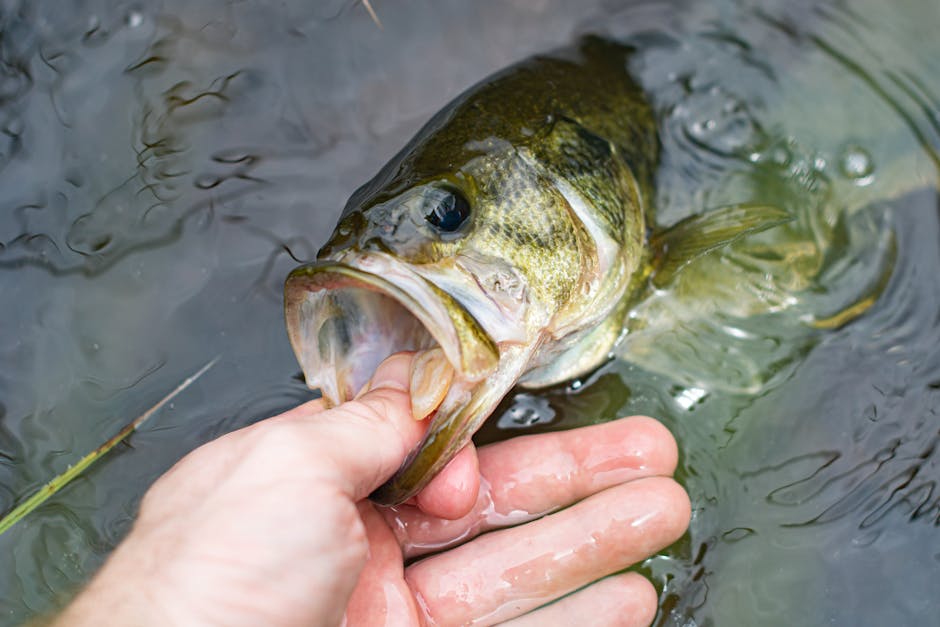 Docks, laydowns, grass edges and channel drops hold the majority of bass in any lake.
Reading Structure and Cover
Structure is the shape of the bottom. Cover is what sits on top of it. Understanding the difference separates good anglers from great ones.
Docks: Skip a Texas rig or jig underneath. The deeper and darker the dock, the better. Best docks sit near deep water or on a point.
Laydowns: Cast past the tree and bring your bait through the branches. Bass sit on the deep end, facing the trunk.
Grass lines: Run a crankbait along the outside edge. Flip a Texas rig into holes and pockets. Punch through mats with a heavy tungsten weight.
Points: Fan-cast from multiple angles. Moving baits on top, jigs and worms on the sides and deeper edges.
Creek channels: Fish bends and intersections where two channels meet. Deep crankbaits, football jigs and Carolina rigs. Your electronics are your best friend here.
Tournament vs. Recreational Tactics
Tournament mindset: Five fish fast, then upgrade. Start with reaction baits to fill the livewell. Switch to jigs and Texas rigs for big bites. Save your best spots for game day.
Recreational mindset: No time pressure. Fish cover thoroughly. A shaky head or drop shot fished slowly around one piece of cover can produce multiple bites. Check our best jigs for bass guide for the top jig picks by situation.
Both reward anglers who commit to a pattern once they find one. Don't keep changing what's working.
Common Mistakes That Cost Fish
- Fishing open water. If your bait isn't near cover or structure, you're wasting casts.
- Wrong speed for conditions. Cold and clear water need slow presentations. Warm and stained water reward faster lures. If you struggle with this, our finesse fishing techniques guide covers light-line approaches that save tough days.
- Ignoring electronics. Learn to read your depth finder. A $200 unit is plenty.
- Wrong hookset. Treble hooks need a sweep. Single hooks need a snap. Mixing them up loses fish.
- Never adjusting. Thirty minutes with no bites means move or change. Bass are telling you something.
- Overlooking wind. Wind pushes baitfish against banks. The windy side almost always fishes better.
- Too deep in spring, too shallow in summer. Follow water temperature, not habit.
Track Your Patterns With Tackle
The best bass anglers keep detailed logs. What bait, what depth, what water temp, what structure. The Tackle app makes logging fast and shows you which lures and spots produce over time.
Download Tackle free and start building your largemouth playbook.
FAQs
What is the best lure for largemouth bass?
If I had to pick one, a 5-inch Yamamoto Senko in green pumpkin on a weightless Texas rig. It catches largemouth in every season, water color and depth under 10 feet. For a full breakdown, see our best bass lures guide.
What time of day is best for largemouth bass?
Early morning and late evening. Bass feed more aggressively in low light because they have a vision advantage over prey. Midday can still produce if you target shade and deeper structure.
What pound test line should I use for largemouth bass?
12 to 15-pound fluorocarbon on a baitcaster for most situations. 8 to 10-pound fluorocarbon on a spinning rod for finesse. 30 to 50-pound braid in heavy cover.
Do largemouth bass bite in cold water?
Yes, but they're much less aggressive. Downsize baits, slow your presentation and focus on deep structure. Jerkbaits with long pauses and blade baits are the top cold-water producers.
What's the difference between largemouth and smallmouth bass?
Largemouth have a jaw that extends past the eye, prefer warmer water and hold tight to cover. Smallmouth prefer clear, rocky water and relate more to current and structure. Largemouth ambush. Smallmouth chase. For the full smallmouth playbook, see our how to catch smallmouth bass guide.
Next Steps
- How to Use a Texas Rig for the most important bass technique
- How to Use Crankbaits for covering water fast
- How to Use Spinnerbaits for stained water and windy banks
- How to Read Water for Fishing to find bass-holding structure
- Best Bass Lures for a full tackle breakdown
Sources
- Bass Resource - Largemouth Bass Fishing
- Wired2Fish - Bass Techniques
- Bassmaster - Pro Tips
- In-Fisherman - Seasonal Bass Patterns
Regulations change. Always check local rules before fishing.

Tackle Team
The Tackle Fishing Team is a collective of anglers, data scientists, and fishing enthusiasts dedicated to making fishing more accessible and successful for everyone.
View profileSources Consulted
The following sources were consulted in creating this guide:
- Bass Resource – www.bassresource.com (retrieved Mar 2026)
- Wired2Fish – www.wired2fish.com (retrieved Mar 2026)
- Bassmaster – www.bassmaster.com (retrieved Mar 2026)
- In-Fisherman – www.in-fisherman.com (retrieved Mar 2026)
Note: Information is summarized and explained in our own words. Always verify current regulations with official sources.
Frequently Asked Questions
What is the best lure for largemouth bass?
If I had to pick one, a 5-inch Yamamoto Senko in green pumpkin on a weightless Texas rig. It catches largemouth in every season, water color and depth under 10 feet.
What time of day is best for largemouth bass?
Early morning and late evening. Bass feed more aggressively in low light because they have a vision advantage over prey. Midday can still produce if you target shade and deeper structure.
What pound test line should I use for largemouth bass?
12 to 15-pound fluorocarbon on a baitcaster for most situations. 8 to 10-pound fluorocarbon on a spinning rod for finesse. 30 to 50-pound braid in heavy cover.
Do largemouth bass bite in cold water?
Yes, but they're much less aggressive. Downsize baits, slow your presentation and focus on deep structure. Jerkbaits with long pauses and blade baits are the top cold-water producers.
What's the difference between largemouth and smallmouth bass?
Largemouth have a jaw that extends past the eye, prefer warmer water and hold tight to cover. Smallmouth prefer clear, rocky water and relate more to current and structure. Largemouth ambush. Smallmouth chase.
Plan Your Next Fishing Trip
Download Tackle to compare tide charts, wind conditions, and practical fishing guidance for your location before you go.
✓ Real-time tide charts • ✓ Wind & weather forecasts • ✓ AI fish identification
See local regulations — Find regulations for your area
Want weekly fishing windows delivered to your inbox?
Get personalized fishing forecasts based on weather, tides, and moon phases.
RELATED CONTENT
KEEP READING