

No lure has caught more big bass than the jig. Period. If you only had one bait for the rest of your life, a jig would be the smart pick. It works in every season, every depth and every type of cover you'll ever fish. This guide breaks down all seven jig styles, the best models on the market and exactly when to throw each one.
Best for: Intermediate to advanced anglers targeting quality bass year-round
What you need: A medium-heavy baitcasting rod, 15-20 lb fluorocarbon and a selection of jig trailers
Do this first: Tie on a 1/2 oz black and blue flipping jig with a craw trailer. Pitch it to the thickest cover you can find. That single combination catches bass in every state, every month of the year.
Why Jigs Catch the Biggest Bass
Bass are ambush predators. They sit in cover and wait for something to stumble into range. A jig mimics exactly that. The compact profile slips into heavy cover where crankbaits and spinnerbaits can't go. The skirt pulses and breathes on the fall. The trailer kicks and flutters. Everything about a jig says "easy meal" to a bass that's locked on a piece of structure.
Tournament records back this up. More big bass have been weighed in on jigs than any other single bait category. The reason is simple. Jigs go where big fish live. While lighter lures bounce off wood and grass, a jig punches through and lands right in the strike zone.
If you've been catching bass on soft plastics but haven't committed to jigs yet, you're leaving your biggest fish of the year on the table.
Get Personalized Fishing Advice
Want real-time conditions for your exact location? Tackle provides live tide data, wind forecasts, and AI-powered fishing advice tailored to where you fish.
✓ Real-time tide charts • ✓ Wind & weather forecasts • ✓ AI fish identification
The 7 Bass Jig Types You Need to Know
1. Flipping Jig
This is the jig that built reputations. A flipping jig has a compact head, a stout hook and a heavy fiber weedguard designed to crash through cover without hanging up. Weights run from 3/8 oz to 1 oz, with 1/2 oz being the workhorse.
When to use it: Docks, laydowns, brush piles, standing timber and any heavy cover where bass hide.
How to fish it: Pitch or flip it tight to cover. Let it fall on a semi-slack line and watch for the line to jump or move sideways. Most strikes come on the fall. If nothing hits, pop it once or twice off the bottom, then reel in and hit the next target.
Best models: The Strike King Hack Attack Heavy Cover Jig is the tournament standard. Missile Jigs Ike's Flip Out Jig (designed with Mike Iaconelli) has a flat bottom that stands upright on the fall. Dirty Jigs Pitchin' Jig is another proven performer with a strong hook and clean skirt profile.
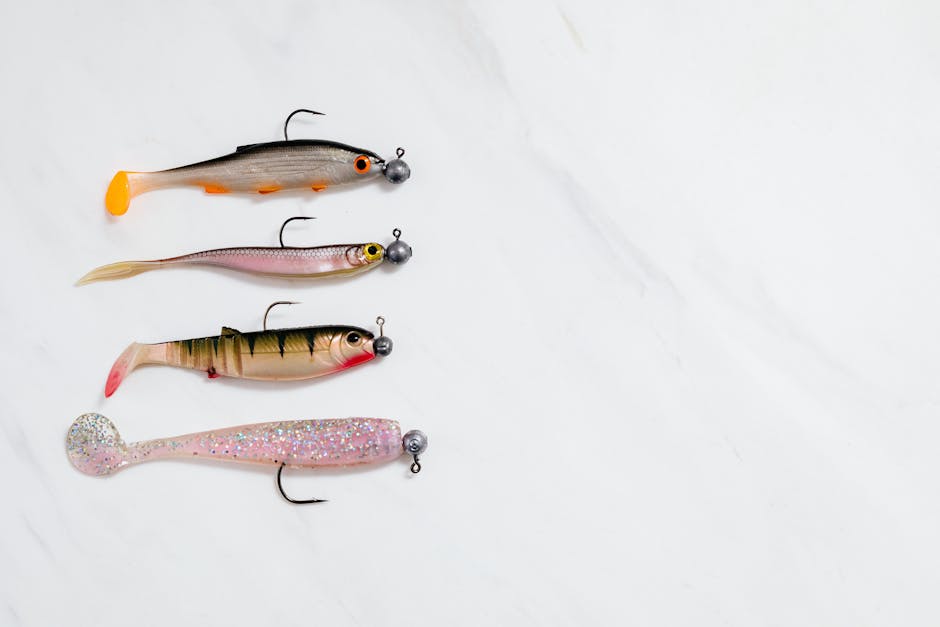 A 1/2 oz flipping jig with a craw trailer is the single most productive big-bass combination in freshwater fishing.
2. Swim Jig
A swim jig is designed to be reeled through the water instead of hopped along the bottom. It has a pointed or bullet-shaped head that cuts through vegetation and a lighter weedguard that collapses easier on the hookset.
When to use it: Grass edges, lily pads, shallow flats and anywhere bass are relating to vegetation in 1 to 6 feet of water.
How to fish it: Cast past your target and reel at a steady pace. Keep the rod tip up at 10 o'clock to control depth. Speed up when you feel grass and rip it free. The sudden burst of action triggers reaction strikes.
Best models: The Booyah Boo Jig swims true and has a strong hook for its price. Strike King Tour Grade Swim Jig is another solid pick. The Z-Man Crosseyez Swim Jig pairs perfectly with Z-Man ElaZtech trailers that never tear off.
3. Football Jig
The football-shaped head rocks side to side as it drags across hard bottom, kicking up silt and mimicking a crawfish scrambling over rocks. The wide head also prevents the jig from rolling over on the retrieve.
When to use it: Rocky points, gravel bars, ledges, humps and any hard-bottom structure in 8 to 25 feet.
How to fish it: Cast it out, let it sink to the bottom and drag it slowly. Use long sweeps of the rod to pull it across the bottom. Keep contact with the substrate the entire time. When you feel a rock or shell bed, slow down. Bass stage on those transitions.
Best models: The Strike King Tour Grade Football Jig and Z-Man Crosseyez Football Jig both excel. Dirty Jigs No-Jack Football Jig has developed a cult following for its head design and premium components.
This is the go-to deep water technique when largemouth bass push offshore during summer and smallmouth bass stack up on rocky main-lake structure.
4. Finesse Jig
Smaller and lighter than a standard flipping jig, the finesse jig runs from 3/16 oz to 3/8 oz with a scaled-down profile. It's built for pressured fish and clear water where a bulky presentation gets refused.
When to use it: Post-frontal conditions, clear water, heavily pressured lakes and spotted bass on steep bluffs.
How to fish it: Skip it under docks or pitch it to isolated cover. Work it slowly with subtle shakes of the rod tip. A finesse jig is about finesse. Let the bass come to it.
Best models: Dirty Jigs Finesse Jig and the Booyah Boo Jig in the 3/8 oz size both deliver. The Z-Man Crosseyez Flipping Jig in lighter weights also serves double duty as a finesse option.
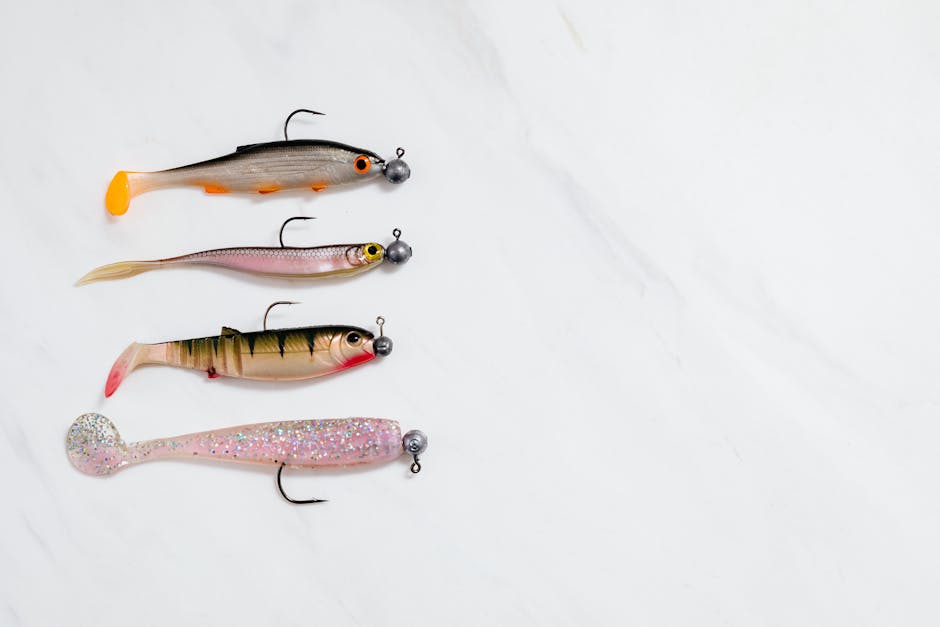 Skip finesse jigs under docks and overhanging trees where pressured bass retreat from boat traffic.
5. Casting Jig (Arkie Head)
The casting jig sits between a flipping jig and a football jig. It has a round or Arkie-style head that works well on mixed bottoms. Think of it as the all-purpose jig that covers situations where you're not sure what you need.
When to use it: Riprap, chunk rock banks, bluff walls, mixed cover with some wood and rock.
How to fish it: Cast and let it fall to the bottom. Hop it in short strokes or drag it. The Arkie head deflects off rocks without wedging into crevices the way a football head sometimes does.
Best models: Strike King Hack Attack Jig in the Arkie head version. Booyah Finance Jig works well for a budget option.
6. Bladed Jig (Chatterbait)
A bladed jig (or chatterbait) bolts a hex blade to the front of a jighead. The blade vibrates and chatters through the water, creating flash and vibration that bass track down from distance. It's a hybrid between a jig and a search bait.
When to use it: Submerged grass, stained water, spawning flats and anywhere you need to cover water fast.
How to fish it: Steady retrieve at medium speed. Rip it through grass when it loads up. Check out our full chatterbait guide for retrieval techniques, trailer selection and the best models.
Best models: Z-Man Jackhammer is the gold standard. Strike King Thunder Cricket runs a close second.
7. Punch Jig
Built specifically for busting through matted vegetation, a punch jig has a heavy tungsten or lead weight (3/4 oz to 1.5 oz) and a compact profile that slips through thick mats of hydrilla, milfoil or grass.
When to use it: Matted grass, floating vegetation, heavy hydrilla mats and anywhere bass are buried under a canopy of vegetation.
How to fish it: Thread on a compact craw or creature bait. Reel up tight to the mat, lift your rod and punch the jig straight through. Let it free-fall underneath. Bass sitting under that mat will crush it on the way down. Set the hook hard because you're pulling fish through a ceiling of vegetation.
Best models: Missile Jigs Ike's Flip Out in heavier weights punches well. Dirty Jigs Compact Pitchin' Jig with a tungsten weight is another strong option for getting through thick cover.
Trailer Selection: How to Match the Right Soft Plastic
The trailer makes the jig. A jig without a trailer is a missed opportunity. The right plastic adds bulk, action and profile.
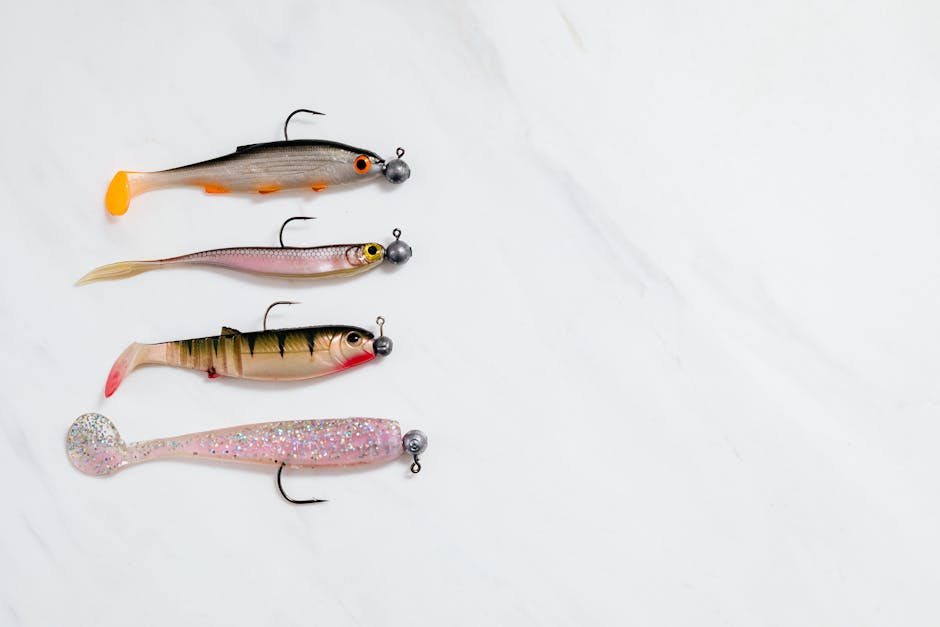 Match craw trailers to bottom-contact jigs and paddle tails to swim jigs. The trailer defines the action.
Craw trailers (flipping, football, finesse, casting): Strike King Rage Craw, Zoom Super Chunk and Berkley PowerBait Chigger Craw are the standards. The flapping claws mimic a crawfish and slow the fall rate. Use these whenever you're fishing a jig on or near the bottom.
Swimbait trailers (swim jigs, bladed jigs): Keitech Swing Impact FAT 3.8" and the Z-Man Razor ShadZ provide kick-tail action that gives your swim jig a hunting motion. Match the trailer color to the skirt.
Creature baits (punch jigs): Compact creature baits like the Missile Baits D Bomb or Berkley Pit Boss slide through mats without catching. Keep the profile tight for clean entry through vegetation.
For a deeper look at rigging soft plastics, read our guide on how to use a Texas rig. The same plastics that work on a Texas rig work as jig trailers.
Seasonal Jig Strategies
Winter (40-50 degree water): Slow down everything. A 3/8 oz finesse jig dragged painfully slow along bluff walls and deep points. Black and blue or brown and purple. Football jigs on the deepest structure you can find. This is when patience catches giants.
Prespawn (50-60 degrees): Bass are moving shallow. Throw a 1/2 oz flipping jig to staging areas like secondary points, channel swings and the first laydowns along the migration route. Crawfish colors (green pumpkin, peanut butter and jelly) match the hatch.
Spawn (60-70 degrees): Finesse jigs and casting jigs around bedding areas. Lighter weights, natural colors and a slow presentation. Drop the jig near cover adjacent to spawning flats.
Postspawn through summer: Swim jigs on grass flats for fish that moved shallow. Football jigs on offshore humps and ledges for fish that went deep. Punch jigs on matted vegetation starting in late June. This is when you need all seven styles in rotation.
Fall: Bass follow baitfish shallow. Swim jigs and bladed jigs cover water fast. Switch to a flipping jig when you locate fish on specific cover. Green pumpkin and shad colors work best.
Rod, Reel and Line Setup
Flipping and punching: 7'3" to 7'6" heavy power, fast action. You need backbone to horse fish out of cover. Pair with a high-speed baitcaster (7.1:1 or faster) and 50 to 65-pound braid. Braid cuts through vegetation and delivers instant hooksets.
Swim jigs: 7' to 7'3" medium-heavy, moderate-fast tip. The softer tip loads on the cast and keeps fish pinned on the fight. 15 to 17-pound fluorocarbon. Reel speed in the 6.3:1 to 7.1:1 range.
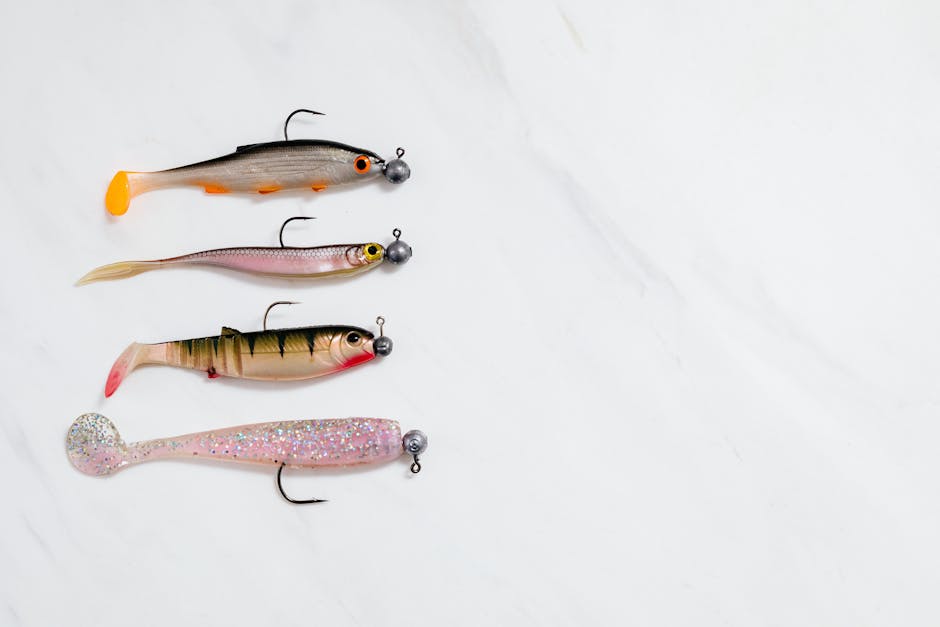 A 7'3" heavy power rod with a high-speed reel is the standard flipping setup. Braid is non-negotiable in heavy cover.
Football and casting jigs: 7' to 7'2" medium-heavy, moderate-fast. You want feel to detect bottom composition changes. 12 to 17-pound fluorocarbon for sensitivity and low visibility. Reel speed around 6.3:1 for a controlled drag.
Finesse jigs: 6'10" to 7' medium power with a fast tip. Lighter line in the 10 to 14-pound fluorocarbon range. Some anglers use spinning gear for finesse jigs, especially when skipping under docks.
5 Jig Fishing Mistakes That Cost You Fish
-
Setting the hook too late. A jig bite often feels like your line got heavy or moved to the side. If something feels different, swing. Don't wait for the thump.
-
Fishing too fast. Jigs reward patience. Let the bait sit after it hits bottom. Count to three before you move it. That pause is when most big fish commit.
-
Using the wrong weight for the depth. If your jig is floating past cover instead of falling through it, go heavier. If it's burying in the mud, go lighter. Match the weight to the cover density and depth.
-
Skipping the trailer. A bare jig catches fish but a jig with the right trailer catches more fish and bigger fish. Always add a trailer.
-
One color all day. Black and blue is great in stained water. Green pumpkin dominates in clear water. Brown and orange works over crawfish-heavy bottoms. Carry at least three color options and change when conditions shift.
Track Your Jig Fishing Patterns
The best jig anglers keep detailed notes on what worked. Which jig style, what weight, which trailer, what color, what depth and what speed. Tackle makes it easy to log every detail from each trip so you can build a real pattern book instead of starting from scratch every time you hit the water.
FAQs
What is the best all-around jig for bass?
A 1/2 oz flipping jig in black and blue with a craw trailer is the most versatile combination. It works in heavy cover, open water and every season. If you could only own one jig, this is the one.
What color jig works best for bass?
Black and blue for stained to dirty water. Green pumpkin for clear water. Brown and orange (peanut butter and jelly) when bass are eating crawfish. Start with those three and you're covered for most situations.
What pound test line should I use for jig fishing?
For flipping and punching, use 50 to 65-pound braid. For swim jigs and football jigs, 15 to 17-pound fluorocarbon. For finesse jigs, 10 to 14-pound fluorocarbon. Heavier line for heavier cover.
Do you need a trailer on a bass jig?
You don't technically need one but you should always use one. A trailer adds bulk and action that makes the jig more attractive. It also slows the fall rate and gives bass a bigger target. Craw trailers for bottom jigs and paddle tails for swim jigs.
What is the difference between a flipping jig and a casting jig?
A flipping jig has a more compact profile, heavier weedguard and is designed for close-range pitching into thick cover. A casting jig (Arkie head) is more versatile with a round head that deflects off rock and mixed cover. Flipping jigs go into the gnarliest stuff. Casting jigs handle a wider range of structure.
1-Minute Action Plan
- Tie on a 1/2 oz black and blue flipping jig with a Strike King Rage Craw
- Target the thickest laydown or dock you can find
- Let the jig fall to the bottom on semi-slack line and watch for the bite
- If no bites after 15 minutes, switch to a green pumpkin swim jig and cover the nearest grass edge
- Log what works in Tackle so you build a pattern for next time
What to Read Next
- Chasing largemouth around heavy cover? Read our largemouth bass guide
- Targeting smallmouth on rocky structure? Our smallmouth bass breakdown covers the best approaches
- Want to expand your soft plastic game? Check out how to use soft plastics
- Already throwing bladed jigs? Our chatterbait guide goes deep on retrieval techniques
- Need a weedless option? Learn how to rig a Texas rig for the same cover jigs excel in
Sources
- Wired2Fish - Jig Fishing Guides
- Bass Resource - Jig Techniques
- Bassmaster - Tournament Jig Strategies
Regulations change. Always check current local regulations before fishing.

Tackle Team
The Tackle Fishing Team is a collective of anglers, data scientists, and fishing enthusiasts dedicated to making fishing more accessible and successful for everyone.
View profileSources Consulted
The following sources were consulted in creating this guide:
- Wired2Fish – www.wired2fish.com (retrieved Mar 2026)
- Bass Resource – www.bassresource.com (retrieved Mar 2026)
- Bassmaster – www.bassmaster.com (retrieved Mar 2026)
Note: Information is summarized and explained in our own words. Always verify current regulations with official sources.
Frequently Asked Questions
What is the best all-around jig for bass?
A 1/2 oz flipping jig in black and blue with a craw trailer is the most versatile combination. It works in heavy cover, open water and every season. If you could only own one jig, this is the one.
What color jig works best for bass?
Black and blue for stained to dirty water. Green pumpkin for clear water. Brown and orange (peanut butter and jelly) when bass are eating crawfish. Start with those three and you're covered for most situations.
What pound test line should I use for jig fishing?
For flipping and punching, use 50 to 65-pound braid. For swim jigs and football jigs, 15 to 17-pound fluorocarbon. For finesse jigs, 10 to 14-pound fluorocarbon. Heavier line for heavier cover.
Do you need a trailer on a bass jig?
You don't technically need one but you should always use one. A trailer adds bulk and action that makes the jig more attractive. It also slows the fall rate and gives bass a bigger target. Craw trailers for bottom jigs and paddle tails for swim jigs.
What is the difference between a flipping jig and a casting jig?
A flipping jig has a more compact profile, heavier weedguard and is designed for close-range pitching into thick cover. A casting jig (Arkie head) is more versatile with a round head that deflects off rock and mixed cover. Flipping jigs go into the gnarliest stuff. Casting jigs handle a wider range of structure.
Plan Your Next Fishing Trip
Download Tackle to compare tide charts, wind conditions, and practical fishing guidance for your location before you go.
✓ Real-time tide charts • ✓ Wind & weather forecasts • ✓ AI fish identification
See local regulations — Find regulations for your area
Want weekly fishing windows delivered to your inbox?
Get personalized fishing forecasts based on weather, tides, and moon phases.
RELATED CONTENT
KEEP READING