

If you fish Florida, choose the water and lure weight before the brand. For most inshore trips, start with a 7' medium-heavy fast spinning rod, a 3000-4000 reel, and 15-20 lb braid. That setup covers soft plastics around mangroves, topwater on flats, and jigs around docks.
Surf, offshore bottom, kayak, and bass fishing call for different lengths, powers, reels, and line. Use this quick setup picker before you buy. Then plan the species, conditions, spot, and lure for your trip with Tackle.
Quick Florida Rod Setup Picker
Inshore snook, redfish, and trout
Start with: 7' medium-heavy fast spinning rod; 3000-4000 reel; 15-20 lb braid; 20-30 lb leader. Use it for: soft plastics, topwater, and jigs near mangroves or docks. Avoid: an extra-heavy rod that makes lighter lures difficult to cast.
Flats or kayak fishing
Start with: 6'6"-7' medium fast spinning rod; 2500-3000 reel; 10-15 lb braid. Use it for: accurate casts with small plugs, shrimp, and soft plastics. Avoid: a long butt section that catches on a PFD or cockpit.
Surf fishing
Start with: 9'-11' medium-heavy surf rod; 5000-6000 spinning reel; 20-30 lb braid. Use it for: pompano rigs, spoons, and plugs beyond the first trough. Avoid: choosing length without checking the rod's sinker and lure rating.
Offshore reef and bottom fishing
Start with: 6'-7' heavy conventional rod; reel and 40-65 lb braid matched to depth and sinker weight. Use it for: grouper or snapper rigs around reefs and wrecks. Avoid: using an inshore blank that cannot safely handle the working load.
Florida largemouth bass
Start with: 7' medium-heavy fast casting or spinning rod; 12-20 lb line matched to cover. Use it for: Texas rigs, jigs, spinnerbaits, and frogs. Avoid: one line choice for every technique; heavy vegetation and open water need different tradeoffs.
Get Personalized Fishing Advice
Want real-time conditions for your exact location? Tackle provides live tide data, wind forecasts, and AI-powered fishing advice tailored to where you fish.
✓ Real-time tide charts • ✓ Wind & weather forecasts • ✓ AI fish identification
Best Inshore Fishing Rods for Florida
Medium-Heavy Spinning Rods (7-7'6")
For Florida's inshore species like snook, redfish, and trout, a medium-heavy spinning rod is the most versatile choice.
What to compare:
- Lure rating: It should cover the jigs, plugs, and soft plastics you actually cast.
- Guide and reel-seat hardware: Favor components specified for saltwater use.
- Handle length: Check that the butt clears your elbow, PFD, and kayak seat.
- Warranty and replacement terms: Compare the current manufacturer policy before buying.
Why This Length? 7-7'6" rods add casting reach for covering flats and mangroves while offering enough backbone to move fish away from structure.
Best Applications:
- Casting soft plastics to mangrove shorelines for snook
- Working topwater plugs on shallow flats for redfish
- Jigging around docks and bridges for snook and trout
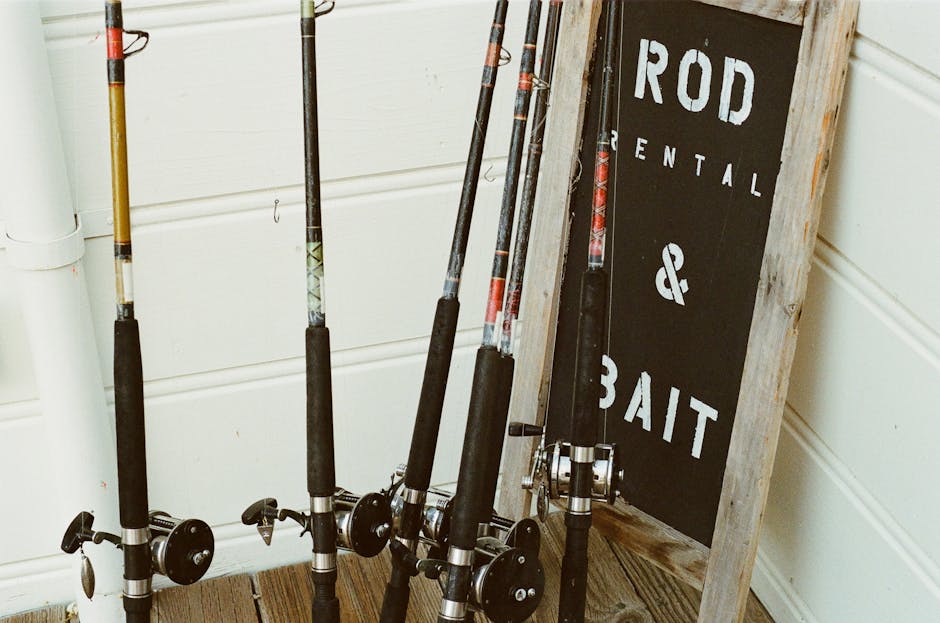
Light to Medium Spinning Rods (6'6-7')
For sight fishing on the flats and targeting smaller species, lighter rods offer better finesse and fight.
What to compare:
- A lighter blank and reel for repeated sight-fishing casts
- A lure rating that covers small plugs, shrimp, and soft plastics
- A handle length that works inside the kayak or skiff
- Saltwater-rated guides if the rod will see regular coastal use
Best Offshore Fishing Rods for Florida
Conventional Rods for Bottom Fishing
Offshore grouper, snapper, and amberjack require heavy-duty conventional rods with serious lifting power.
What to compare:
- Rod line and lure ratings that match the sinker weight and target depth
- A reel seat and guides intended for saltwater exposure
- Enough lifting power for the species without exceeding the rod's rated load
- A foregrip and butt design that are comfortable with the boat's fishing style
Key Features:
- Roller guides to reduce line friction
- Full EVA grip for all-day comfort
- Reinforced butt section for fighting big fish
Trolling Rods
For targeting kingfish, wahoo, and dolphin (mahi-mahi), trolling rods need to handle high speeds and violent strikes. If mahi-mahi are on your list, read our guide on how to catch mahi-mahi for tackle and technique details.
Match the trolling rod to:
- The line class and drag range you plan to fish
- Lure or rig weight and the boat's trolling speed
- Holder compatibility and butt length
- The reel manufacturer's current line-capacity specification
Best Freshwater Fishing Rods for Florida
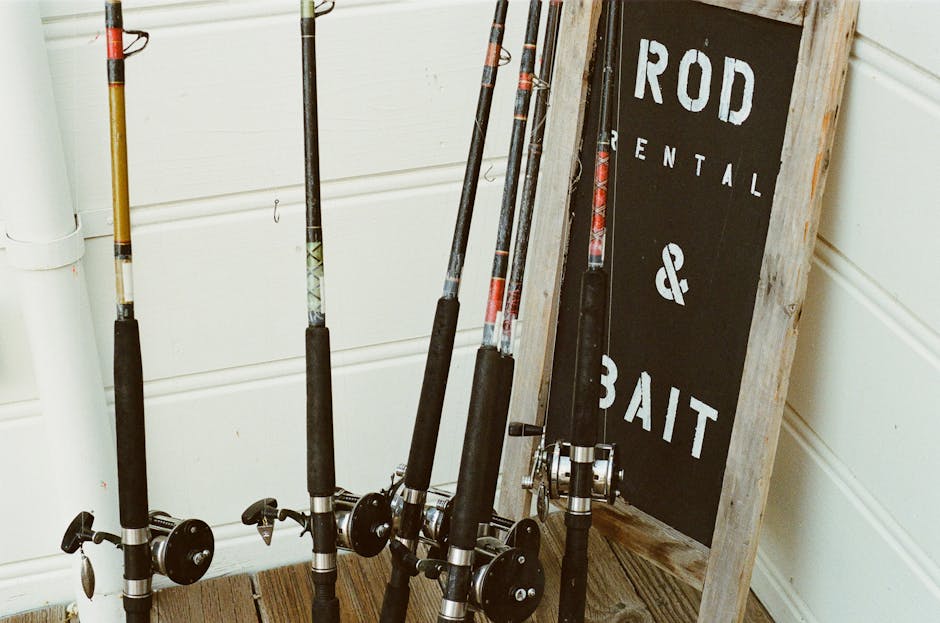
Bass Fishing Rods
Florida bass fishing often requires matching rod action and power to cover and lure type.
Flipping and pitching: Start with a 7'3"-7'6" heavy fast rod and line matched to vegetation density. The lure rating must cover the jig or Texas-rig weight.
Crankbaits: A 7' medium moderate rod gives treble hooks a more forgiving load during the fight.
Topwater: A 6'6"-7' medium or medium-heavy rod keeps walking baits manageable; check that the tip loads with the lure weight you use.
Rod Selection by Target Species
Snook
Recommended: 7-7'6" medium-heavy spinning, fast action Line: 10-20lb braid with 20-30lb fluorocarbon leader Why: Need backbone to pull them from mangroves while maintaining sensitivity for subtle strikes
Redfish
Recommended: 7'0" medium to medium-heavy spinning Line: 10-15lb braid with 15-20lb fluorocarbon leader Why: Balanced power for sight fishing shallow flats
Tarpon
Recommended: 7'6-8'0" heavy spinning or conventional Line: 30-50lb braid with 40-60lb fluorocarbon leader Why: Length helps with casting distance and leverage during extended fights
Grouper (Offshore)
Recommended: 5'6-6'6" extra-heavy conventional, 40-80lb class Line: 50-80lb braid with 80-100lb fluorocarbon leader Why: Maximum lifting power to pull them off the bottom before they reach structure
Largemouth Bass
Recommended: Multiple rods for different techniques (7'0-7'6" medium to heavy) Line: 12-20lb fluorocarbon or braid depending on technique Why: Florida bass can grow large; match power to the cover and lure weight
Rod Construction and Materials
Graphite vs. Fiberglass
Graphite Rods:
- Lighter weight for all-day fishing
- Higher sensitivity for detecting bites
- Faster actions for quick hook sets
- Best for: Inshore fishing, bass fishing, applications requiring feel
Fiberglass Rods:
- More durable and forgiving
- Better for moving baits (crankbaits, topwater)
- Moderate actions with parabolic bends
- Best for: Trolling, beginners, harsh conditions
Composite Rods (Graphite/Fiberglass Blend):
- Balance of sensitivity and durability
- Moderate to moderate-fast actions
- Best for: All-around applications, versatile anglers
Guide Configuration
Look for rods with quality guides:
- Smooth guide inserts: Inspect each insert for cracks or grooves that can damage line
- Saltwater-suitable frames: Check the manufacturer's material specification
- Guide placement: Confirm the blank loads evenly through its rated range
Build a Florida Rod-and-Reel Setup
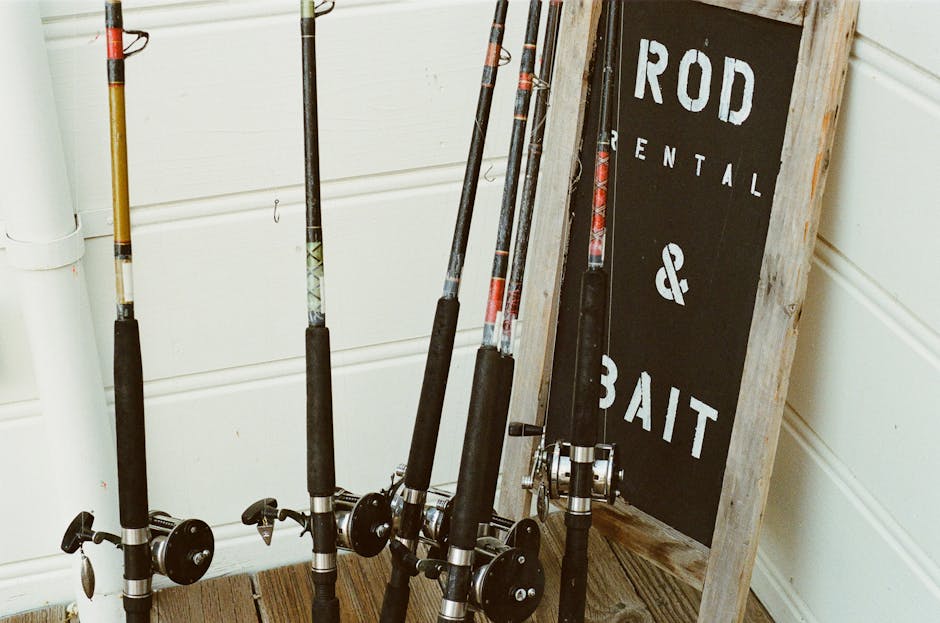
General inshore setup
Rod: 7' medium-heavy fast spinning rod, rated for the lure range you use Reel: 3000-4000 spinning reel with adequate braid capacity Line: 15-20 lb braid with a 20-30 lb leader Use for: Snook, redfish, and trout with jigs, soft plastics, and plugs
Flats or kayak setup
Rod: 6'6"-7' medium fast spinning rod with a short, unobtrusive butt Reel: 2500-3000 spinning reel Line: 10-15 lb braid with leader strength matched to cover Use for: Repeated accurate casts with lighter lures
Offshore bottom setup
Rod: 6'-7' heavy conventional rod rated for the planned sinker and line class Reel: Conventional reel with capacity appropriate to depth Line: 40-65 lb braid as a starting range, adjusted for structure and target species Use for: Reef and wreck fishing; confirm every component's rated load before use
Maintenance Tips for Florida Conditions
Florida's saltwater environment is harsh on fishing gear. Proper maintenance extends rod life:
- Rinse After Every Trip: Use fresh water to remove salt, especially around guides and reel seats
- Check Guides Regularly: Look for cracks or grooves in guide inserts that can damage line
- Inspect Cork/EVA Grips: Clean with mild soap to prevent degradation
- Store Properly: Keep rods vertical or in rod tubes to prevent warping
- Retighten Reel Seats: Vibration can loosen reel seats over time
- Check for Cracks: Inspect rod blank for any stress cracks, especially near ferrules
For a complete guide to keeping all your tackle in top shape, read how to clean and store fishing gear.
Where to Fish in Florida
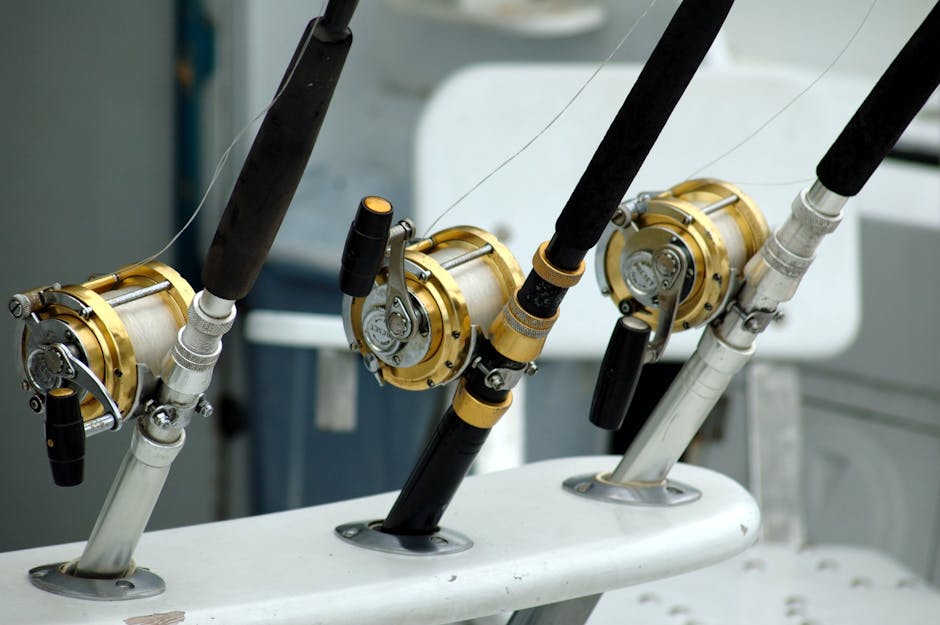
Rod choice also depends on where you fish. These Florida areas include different combinations of flats, passes, bridges, beaches, reefs, and offshore water:
Southwest Coast:
- Tampa Bay: mangrove shorelines, grass flats, docks, and bridges
- Fort Myers: estuary, pass, and nearshore access
- Naples: inshore bays with offshore access
Southeast Coast:
- Miami: canals, bridges, beaches, and offshore water
- West Palm Beach: bridge, inlet, and offshore fishing
- Stuart: river, inlet, nearshore, and offshore options
Keys:
- Key West, Marathon, and Islamorada: flats, channels, reefs, and offshore water
Related Guides:
Frequently Asked Questions
What is the best all-around fishing rod for Florida?
A 7'0" medium-heavy spinning rod with fast action is the most versatile choice for Florida. This setup handles inshore species like snook, redfish, and trout while providing enough power for occasional larger fish. Pair it with a 3000-4000 size spinning reel, 15-20lb braided line, and a 20-30lb fluorocarbon leader as a general-purpose Florida inshore setup.
What length fishing rod is best for Florida inshore fishing?
For most Florida inshore fishing, a 7'0" to 7'6" rod is ideal. This length provides excellent casting distance for covering flats and shorelines while offering enough leverage to fight fish near structure like mangroves and docks. Shorter rods (6'6-7'0") work well for kayak fishing or tight spaces, while longer rods (7'6-8'0") excel for surf fishing and targeting tarpon.
Should I use a spinning or conventional rod for Florida fishing?
For inshore fishing (snook, redfish, trout), spinning rods are more versatile and easier to use, especially for casting lures and lighter baits. For offshore fishing (grouper, snapper, amberjack), conventional rods provide more power and lifting strength for deep water and heavy fish. Most Florida anglers own both types for different applications.
What pound test rod do I need for Florida snook?
A medium-heavy rod rated for 10-20lb line is ideal for snook fishing in Florida. Use 15-20lb braided main line paired with a 20-30lb fluorocarbon leader. This combination provides enough power to pull snook away from mangroves and structure while maintaining the sensitivity to detect strikes. In heavy cover, you may want to increase to 30lb braid with a 40lb leader.
How should I set a rod budget?
Set the budget after choosing the required power, action, lure rating, and saltwater hardware. Compare current manufacturer specifications, warranty terms, and replacement-part availability rather than relying on a price range that can quickly go stale. A more expensive blank may be lighter or more sensitive, but correct fit and ratings matter first.
Do I need different rods for freshwater and saltwater in Florida?
While you can use saltwater rods in freshwater without issues, freshwater rods used in saltwater will corrode faster without rigorous maintenance. Saltwater rods feature corrosion-resistant components (stainless steel guides, sealed reel seats) that handle salt exposure. If you fish both environments, invest in dedicated saltwater rods and keep your freshwater bass rods for lakes only. The longer lifespan justifies the investment.
What's the difference between a fast action and moderate action rod?
Fast action rods bend primarily in the upper third, providing quick hook sets and better sensitivity—ideal for single-hook lures and detecting subtle bites. Moderate action rods bend through the middle, offering a more forgiving bend that's better for treble-hook lures (crankbaits, topwater plugs) and fighting fish with less chance of pulling hooks. For Florida inshore fishing, fast action is generally preferred for working soft plastics and jerkbaits.
Can I use my bass fishing rods for saltwater in Florida?
You can, but it's not ideal for long-term use. Bass rods lack the corrosion-resistant components needed for saltwater. If you do use bass rods in saltwater, rinse them thoroughly with fresh water immediately after each trip and dry completely. For occasional saltwater use, it's manageable. For regular saltwater fishing, invest in proper saltwater rods—the corrosion-resistant components will last much longer and save money in the long run.
Bottom line
If you only buy one Florida rod, make it a 7' medium-heavy fast spinning rod. Pair it with a 3000-4000 size reel, 15-20 lb braid, and a 20-30 lb fluorocarbon leader. That setup covers most inshore fishing without locking you into one species or lure style.
Upgrade from there when your fishing gets more specific. Heavy cover snook, offshore bottom fishing, surf fishing, and bass techniques all justify their own rods once you know you will use them.
Tackle can help with the next decision: what to throw today, when the bite window looks best, and how weather, tide, wind, and water clarity change the setup.
Sources:
Always check current regulations and manufacturer ratings before fishing. Tackle is not responsible for regulatory information—consult official government sources.

Tackle Fishing Team
The Tackle Fishing Team is a collective of anglers, data scientists, and fishing enthusiasts dedicated to making fishing more accessible and successful for everyone.
View profileSources Consulted
The following sources were consulted in creating this guide:
- FWC Saltwater Recreational Fishing Regulations – myfwc.com (retrieved Sep 2026)
- FWC Freshwater Fishing Regulations – myfwc.com (retrieved Sep 2026)
Note: Information is summarized and explained in our own words. Always verify current regulations with official sources.
Frequently Asked Questions
What is the best all-around fishing rod for Florida?
A 7'0" medium-heavy spinning rod with fast action is the most versatile choice for Florida. This setup handles inshore species like snook, redfish, and trout while providing enough power for occasional larger fish. Pair it with a 3000-4000 size spinning reel, 15-20lb braided line, and a 20-30lb fluorocarbon leader as a general-purpose Florida inshore setup.
What length fishing rod is best for Florida inshore fishing?
For most Florida inshore fishing, a 7'0" to 7'6" rod is ideal. This length provides excellent casting distance for covering flats and shorelines while offering enough leverage to fight fish near structure like mangroves and docks. Shorter rods (6'6-7'0") work well for kayak fishing or tight spaces, while longer rods (7'6-8'0") excel for surf fishing and targeting tarpon.
Should I use a spinning or conventional rod for Florida fishing?
For inshore fishing (snook, redfish, trout), spinning rods are more versatile and easier to use, especially for casting lures and lighter baits. For offshore fishing (grouper, snapper, amberjack), conventional rods provide more power and lifting strength for deep water and heavy fish. Most Florida anglers own both types for different applications.
What pound test rod do I need for Florida snook?
A medium-heavy rod rated for 10-20lb line is ideal for snook fishing in Florida. Use 15-20lb braided main line paired with a 20-30lb fluorocarbon leader. This combination provides enough power to pull snook away from mangroves and structure while maintaining the sensitivity to detect strikes. In heavy cover, you may want to increase to 30lb braid with a 40lb leader.
How should I set a rod budget?
Set the budget after choosing the required power, action, lure rating, and saltwater hardware. Compare current manufacturer specifications, warranty terms, and replacement-part availability rather than relying on a price range that can quickly go stale. A more expensive blank may be lighter or more sensitive, but correct fit and ratings matter first.
Do I need different rods for freshwater and saltwater in Florida?
While you can use saltwater rods in freshwater without issues, freshwater rods used in saltwater will corrode faster without rigorous maintenance. Saltwater rods feature corrosion-resistant components (stainless steel guides, sealed reel seats) that handle salt exposure. If you fish both environments, invest in dedicated saltwater rods and keep your freshwater bass rods for lakes only. The longer lifespan justifies the investment.
What's the difference between a fast action and moderate action rod?
Fast action rods bend primarily in the upper third, providing quick hook sets and better sensitivity—ideal for single-hook lures and detecting subtle bites. Moderate action rods bend through the middle, offering a more forgiving bend that's better for treble-hook lures (crankbaits, topwater plugs) and fighting fish with less chance of pulling hooks. For Florida inshore fishing, fast action is generally preferred for working soft plastics and jerkbaits.
Can I use my bass fishing rods for saltwater in Florida?
You can, but it's not ideal for long-term use. Bass rods lack the corrosion-resistant components needed for saltwater. If you do use bass rods in saltwater, rinse them thoroughly with fresh water immediately after each trip and dry completely. For occasional saltwater use, it's manageable. For regular saltwater fishing, invest in proper saltwater rods—the corrosion-resistant components will last much longer and save money in the long run.
Plan Your Next Fishing Trip
Download Tackle to compare tide charts, wind conditions, and practical fishing guidance for your location before you go.
✓ Real-time tide charts • ✓ Wind & weather forecasts • ✓ AI fish identification
See local regulations — Find regulations for your area
Want weekly fishing windows delivered to your inbox?
Get personalized fishing forecasts based on weather, tides, and moon phases.
RELATED CONTENT
KEEP READING