

Mahi mahi are the most electric fish in the ocean. They hit hard, light up in neon green and gold at the boat and jump like they have somewhere better to be. You do not need a 60-foot sportfisher. You need clean water, something floating and a willingness to run offshore when conditions line up.
Best for: Beginner to intermediate offshore anglers
What you need: 20 to 30 lb spinning or conventional setup, ballyhoo or skirted lures, a cooler full of ice and a sharp gaff
Do this first: Find a weed line or floating debris in water over 100 feet deep with a defined color change from green to blue. Troll a rigged ballyhoo behind a sea witch at 5 to 7 knots along the edge. That single approach puts more mahi in the box than anything else.
Quick Answer: How to Catch Mahi Mahi Right Now
- Troll rigged ballyhoo or skirted lures at 5 to 7 knots along weed lines and color changes in 100 to 600 feet of water
- Watch for frigate birds circling or diving. They point straight to feeding mahi
- Once you hook one, keep it in the water beside the boat. The school will stay close
- Cast bucktails or live bait to visible fish around floating debris and weed patches
- Best water temperature is 74 to 82 degrees. Mahi prefer the warm side of temperature breaks
Get Personalized Fishing Advice
Want real-time conditions for your exact location? Tackle provides live tide data, wind forecasts, and AI-powered fishing advice tailored to where you fish.
✓ Real-time tide charts • ✓ Wind & weather forecasts • ✓ AI fish identification
Tackle Box Snapshot (Copy This Setup)
Trolling Spread (pick 3 to 4):
- Rigged ballyhoo behind a pink and white sea witch
- Williamson Lures Wahoo Catcher or similar skirted trolling lure in dolphin colors
- Daisy chain of five small squid as a teaser with a rigged bait trailing behind
- Rapala X-Rap Magnum 30 in bonito or dorado color
Casting Setup:
- SPRO Bucktail Jig 1 oz in white and chartreuse
- Live pilchards or bonito chunks on a 5/0 circle hook
Line and Leader:
- Spinning: 30 lb PowerPro braid, 40 to 50 lb fluorocarbon leader (4 feet)
- Conventional: 20 to 30 lb mono, 50 to 60 lb fluorocarbon leader (6 feet)
Rods and Reels:
- Spinning: 7-foot medium-heavy rod (Penn Battalion or Shimano Teramar) with Penn Battle III or Shimano Saragosa 5000 to 6000
- Conventional: 6 to 7-foot trolling rod (Penn Carnage II or Shimano Tallus) with Penn Squall 20 to 30 lb class
Target Depth and Structure:
- Trolling: Surface to 15 feet, along weed lines in 100 to 600 feet of water
- Casting: Surface to 30 feet near floating debris and weed mats
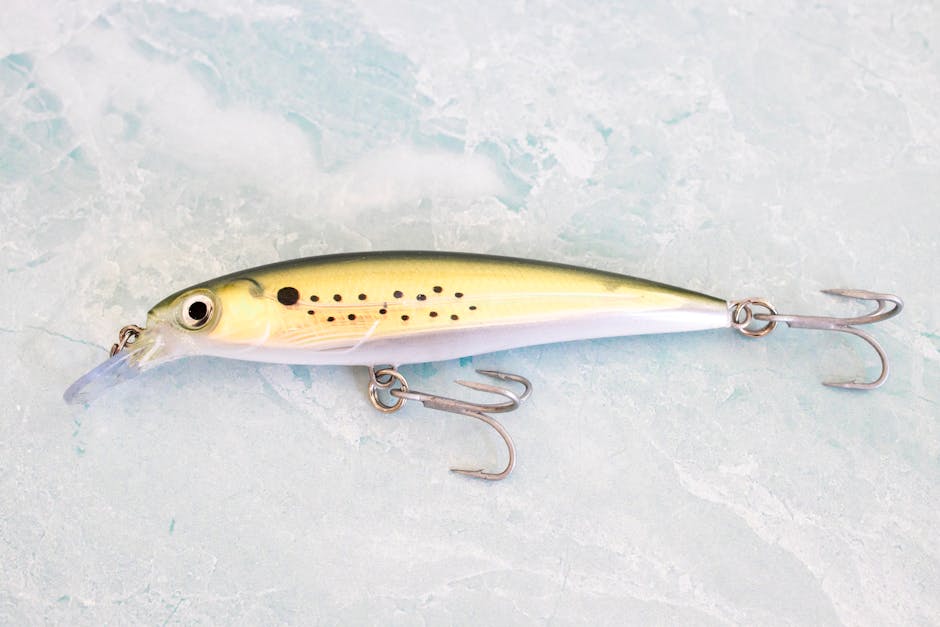 Skirted ballyhoo for the trolling run plus bucktails for casting when the school shows up. Mono on trolling reels absorbs shock. Braid on spinning rigs gives casting distance.
Step-by-Step: How to Find and Catch Mahi Mahi
1. Find the right water. Check sea surface temperature charts before you leave the dock. Mahi want 74 to 82 degree water. Look for temperature breaks where warm and cool water meet. You want clean blue or blue-green water. If you are running through murky green you have not gone far enough.
2. Hunt the surface. Scan for weed lines, floating debris, color changes and bird activity. Frigate birds are your best scouts. If you see one fold its wings and dive, run to that spot. Watch for flying fish skipping across the surface too. Mahi push them up. For more on reading offshore water, check out our guide on how to read water.
3. Set up a trolling spread. Run four lines at staggered distances: one short (30 to 40 feet back), two medium (60 to 80 feet) and one long (100 to 120 feet). Mix skirted ballyhoo and artificials. Troll at 5 to 7 knots along weed lines and zigzag through productive areas.
4. Keep the first fish in the water. This is the most important step. When you hook a mahi, do not rush to boat it. The school follows hooked fish. While one angler manages the hooked fish at the gunwale, others cast jigs and live bait to the school now visible behind the boat. Toss cut bait chunks to keep them interested. This is how a one-fish stop becomes a full cooler.
5. Adjust when the bite slows. Try dropping bait down 20 to 30 feet for bigger fish sitting deeper. If the school scatters, circle back and troll through again. Switch lure colors if you get follows but no commits.
Adjust after 30 minutes with no bites: Move. Mahi cluster around structure and current edges. Do not grind a dead zone. Keep running until you find a new weed line or color change.
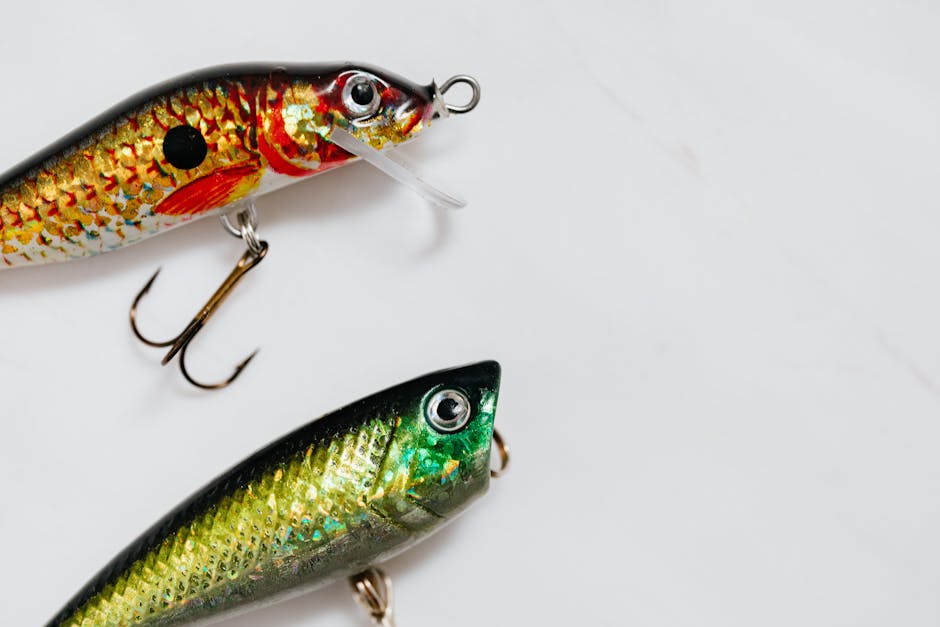 Once you hook one, keep it in the water. The school follows the hooked fish and you can pitch jigs and live baits to the rest of the pack.
Decision Tree: Adjust for Conditions
If the water is clean blue with defined weed lines -> Troll along the weed edge with ballyhoo rigs. Focus on points and bends in the line where debris accumulates.
If the water is green or murky -> Keep running offshore. Mahi rarely hold in dirty water. Fish the edge where green meets blue.
If you find floating debris -> Kill the engines 50 yards away and drift in. Look for shadows underneath. Pitch bucktails or live bait directly to the debris.
If birds are working -> Run to them at full speed. Frigate birds circling means bait below. Frigate birds diving means active feeding.
If it is rough (4 to 6 foot seas) -> Shorten your trolling spread. Use heavier skirted lures that stay in the water. Mahi still bite in rough conditions.
If the current is ripping -> Fish the inside edge where cleaner water meets the current. Mahi stage on current edges like bass on creek channel ledges.
If you are marking bait but no mahi -> Run a teaser chain (daisy chain of small squid with no hooks) to draw fish up from below.
Spot Playbook: Where Mahi Stage Offshore
Weed Lines (Top Producer): Sargassum weed collects along current edges and forms lines that stretch for miles. Baitfish and crabs live in the weed. The best lines have defined edges with clean blue water on one side.
Floating Debris: Anything floating in deep water holds mahi. Pallets, logs, buckets, lost crab traps. A large pallet in 300 feet of water might hold 50 to 100 fish.
FADs: Deployed buoys designed to attract pelagic fish. If you know where they are in your area they are almost always worth a check.
Temperature Breaks: Where warm water meets cooler water you get a visible line on the surface. Mahi hold on the warm side and feed along the edge.
Where Fish Stage
- Downcurrent side of debris: Mahi sit behind floating objects where bait gets swept past them
- Weed line bends and points: Anywhere the line changes direction concentrates fish
- Warm side of temperature breaks: Almost always on the blue side
- Under bird activity: If frigate birds are circling, fish are below
Approach
- Kill engines 50 to 75 yards from debris and drift in
- Troll parallel to weed line edges rather than crossing through
- Lead visible fish by 5 to 10 feet when casting
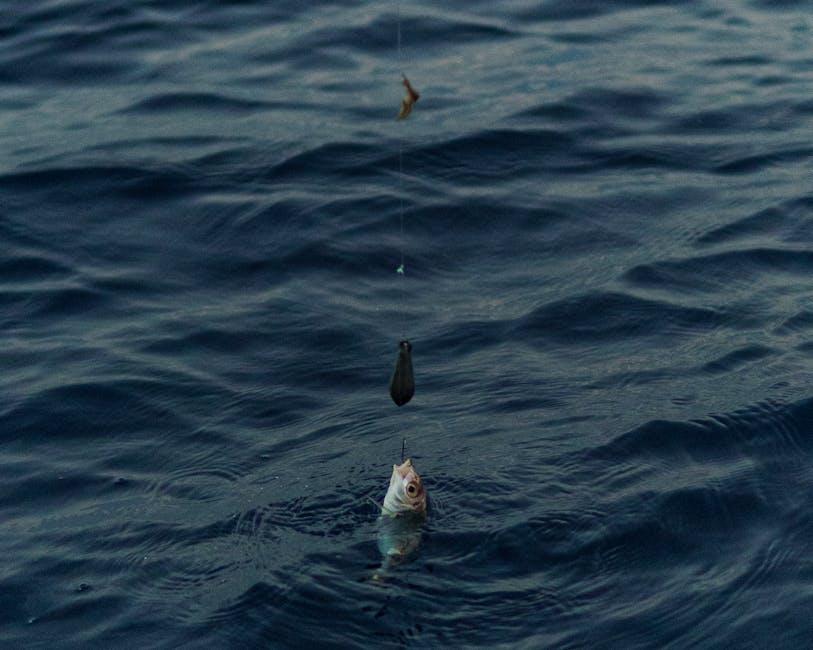 That line where blue water meets green is where you start fishing. Weed lines and color changes concentrate bait and mahi patrol these edges all day.
Mistakes That Kill the Bite
- Pulling the first fish out of the water too fast. The school follows hooked fish. Boat the first one immediately and the rest disappear.
- Trolling too fast. Mahi trolling speed is 5 to 7 knots. Running at 8 or 9 knots makes baits look unnatural.
- Ignoring the birds. Frigate birds are your best fish finder offshore. Running past circling birds is a rookie mistake.
- Fishing dirty water. If the water is green and full of sediment, keep running.
- Setting the drag too tight. Mahi make violent head shakes and sudden runs. Set drag at a third of your line strength.
- Not having casting rods ready. When the school shows up you have about 30 seconds before the frenzy starts.
- Using wire leader. Mahi do not cut line. Wire is visible and kills bites. Use 40 to 60 lb fluorocarbon.
- Trolling in a straight line past good structure. Zigzag through weed lines and debris fields. Make multiple passes.
If you are new to offshore fishing, our saltwater fishing basics guide covers the foundational gear and techniques.
Track Your Offshore Patterns
Mahi fishing is all about patterns. Water temperature, current position and weed line location change week to week. The Tackle app lets you log GPS coordinates, water temps and what you were pulling. After a few trips you start seeing where the fish set up and when.
FAQs
What is the best bait for mahi mahi?
Rigged ballyhoo behind a sea witch is the all-time top producer for trolling. For casting to schools, a 1 oz white bucktail jig or live pilchards on a circle hook are hard to beat. When the fish are fired up they eat almost anything.
How far offshore do you need to go for mahi mahi?
It depends on your coastline. In South Florida the Gulf Stream runs 1 to 3 miles offshore. Along the Gulf Coast you might need to run 30 to 60 miles to reach blue water. The key is water depth over 100 feet and clean blue water.
What size mahi mahi can you catch on spinning gear?
A 5000 to 6000 size spinning reel with 30 lb braid handles mahi up to about 40 pounds. For bigger fish a conventional setup in the 30 lb class gives you more cranking power. Most mahi caught are 5 to 20 pounds which is perfect for spinning gear.
What is the difference between mahi mahi, dolphin and dorado?
Same fish, different names. Mahi mahi is the Hawaiian name used on restaurant menus. Dolphin or dolphinfish is the Atlantic fishing name. Dorado is the Spanish name. None are related to the marine mammal.
Can you catch mahi mahi from shore?
Rarely. Mahi are pelagic and live in deep offshore water. Occasional juveniles are caught from piers near deep water in South Florida or Hawaii but shore fishing for mahi is not a reliable strategy.
1-Minute Action Plan
- Rig to tie on: Ballyhoo behind a pink and white sea witch on 50 lb fluoro leader, plus a 1 oz white bucktail on a spinning rod ready to pitch
- Two places to try first: The nearest defined weed line in water over 100 feet deep and any floating debris along the way
- First approach: Troll at 5 to 7 knots parallel to the weed line with four rods at staggered distances
- If no bites after 30 minutes: Move. Find a new weed line or run toward bird activity on the horizon
What to Read Next
- New to saltwater fishing? Start with our saltwater fishing basics guide
- Want to understand how water color and current affect where fish hold? Read how to read water for fishing
- Still building your skills? Our fishing tips for beginners covers the fundamentals
Log It and Learn
The best mahi anglers are not the ones with the fastest boats. They are the ones who remember where they found fish last time and why. The Tackle app logs GPS, water temps and lure data so your next trip starts where the last one left off.
Download Tackle free and start building your offshore playbook.
Sources
- NOAA Fisheries - Atlantic Dolphinfish
- Florida Fish and Wildlife Conservation Commission
- International Game Fish Association - Dolphinfish
Regulations vary by state, federal waters and international boundaries. Size limits, bag limits and seasonal closures change regularly. Always check current local and federal regulations before keeping mahi mahi.

Tackle Team
The Tackle Fishing Team is a collective of anglers, data scientists, and fishing enthusiasts dedicated to making fishing more accessible and successful for everyone.
View profileSources Consulted
The following sources were consulted in creating this guide:
- NOAA Fisheries – www.fisheries.noaa.gov (retrieved Mar 2026)
- Florida Fish and Wildlife Conservation Commission – myfwc.com (retrieved Mar 2026)
- International Game Fish Association – www.igfa.org (retrieved Mar 2026)
Note: Information is summarized and explained in our own words. Always verify current regulations with official sources.
Frequently Asked Questions
What is the best bait for mahi mahi?
Rigged ballyhoo behind a sea witch is the all-time top producer for trolling. For casting to schools, a 1 oz white bucktail jig or live pilchards on a circle hook are hard to beat. When the fish are fired up they eat almost anything.
How far offshore do you need to go for mahi mahi?
It depends on your coastline. In South Florida the Gulf Stream runs 1 to 3 miles offshore. Along the Gulf Coast you might need to run 30 to 60 miles to reach blue water. The key is water depth over 100 feet and clean blue water.
What size mahi mahi can you catch on spinning gear?
A 5000 to 6000 size spinning reel with 30 lb braid handles mahi up to about 40 pounds. For bigger fish a conventional setup in the 30 lb class gives you more cranking power. Most mahi caught are 5 to 20 pounds which is perfect for spinning gear.
What is the difference between mahi mahi, dolphin and dorado?
Same fish, different names. Mahi mahi is the Hawaiian name used on restaurant menus. Dolphin or dolphinfish is the Atlantic fishing name. Dorado is the Spanish name. None are related to the marine mammal.
Can you catch mahi mahi from shore?
Rarely. Mahi are pelagic and live in deep offshore water. Occasional juveniles are caught from piers near deep water in South Florida or Hawaii but shore fishing for mahi is not a reliable strategy.
Plan Your Next Fishing Trip
Download Tackle to compare tide charts, wind conditions, and practical fishing guidance for your location before you go.
✓ Real-time tide charts • ✓ Wind & weather forecasts • ✓ AI fish identification
See local regulations — Find regulations for your area
Want weekly fishing windows delivered to your inbox?
Get personalized fishing forecasts based on weather, tides, and moon phases.
RELATED CONTENT
KEEP READING