

# Fishing Tips for Beginners: Complete Guide

## 1. Above the Fold

Discover the secrets to successful bass fishing. Best for: Beginners. What you need: Medium-action rod, 10-15 lb test line, spinnerbaits, soft plastics. **DO THIS FIRST**: Start with a spinnerbait for immediate results in most conditions. Want to go deeper? Read our guide on the [best ways to catch bass](/blog/best-way-to-catch-bass).
Get Personalized Fishing Advice
Want real-time conditions for your exact location? Tackle provides live tide data, wind forecasts, and AI-powered fishing advice tailored to where you fish.
✓ Real-time tide charts • ✓ Wind & weather forecasts • ✓ AI fish identification
2. Quick Answer
- Lure Choice: Spinnerbait, soft plastic worm, and jerkbait.
- Where to Fish: Near weed lines, submerged logs, and drop-offs.
- Retrieve Pattern: Steady with occasional pauses for spinnerbaits; slow and subtle for soft plastics.
- Best Conditions: Overcast skies or early morning, with a light breeze.
- Tide/Time/Wind: Fish during low light conditions with a light wind for the best results.
3. Tackle Box Snapshot
- Lures: Strike King Spinnerbait, Zoom Trick Worm, Rapala X-Rap Jerkbait.
- Hooks/Jig Weights: 1/4 oz jig heads for soft plastics, size 3/0 hooks.
- Line/Leader Setup: 10-15 lb monofilament or fluorocarbon line, 12-18 inch leader.
- Retrieve Patterns: Spinnerbait: steady retrieve with periodic pauses. Soft plastics: lift and drop slowly. Jerkbait: twitch-twitch-pause.
- Target Depth/Structure: Fish at 3-10 feet around structure like weed beds and submerged logs.
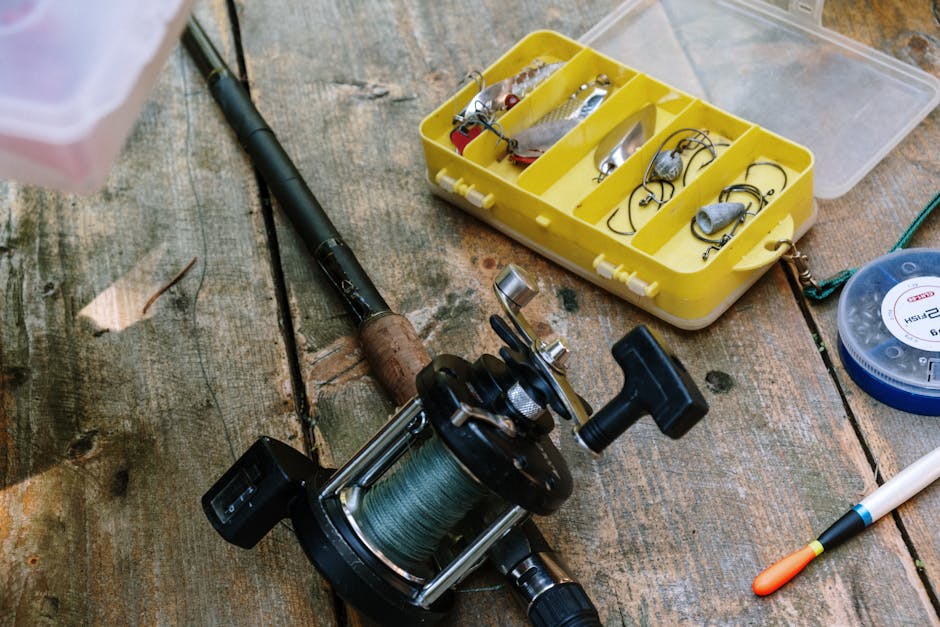 Caption describing the complete setup and scenarios it covers
4. Step-by-Step
- Where to Start: Seek out structures like weed lines and submerged logs in 3-10 feet of water.
- First Casts: Cast at a 45-degree angle to the structure, aiming for a distance of 30-40 feet.
- Retrieve Cadence: Use a steady retrieve for spinnerbaits, feeling for vibration. For plastics, feel for subtle taps.
- Hookset and Landing Tips: Set the hook with a swift upward motion when you feel resistance. Keep tension on the line to avoid losing the fish.
- What to Change: If no bites in 10-15 minutes, switch lure colors or move to a new location with deeper water.
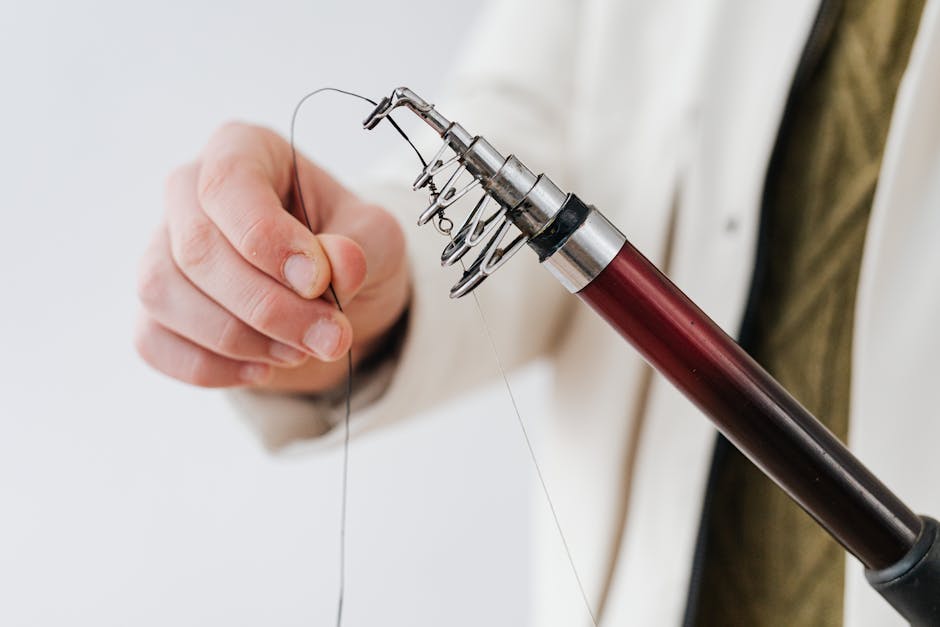 Caption explaining the technique and why it matters
5. Decision Tree
- If water is clear: Use natural-colored lures like green pumpkin or watermelon.
- If water is stained: Opt for brighter colors like chartreuse or white.
- If windy: Use heavier lures to maintain control, and fish closer to cover.
- If cold front/pressure drop: Slow down your retrieve and use smaller baits.
- If bait is present: Match the hatch with similar size and color lures.
- If no bait visible: Use search baits like spinnerbaits to locate fish.
6. Spot Playbook
Bass often stage on edges of weed beds, around submerged logs, and along drop-offs in 5-12 feet of water. Approach these areas quietly, casting from a distance to avoid spooking fish. The strike zone is typically within 3-5 feet of the structure. Look for shadows and current seams where bass might ambush prey. If bass are inactive, switching tactics to learn how to catch bluegill or how to catch crappie along the same structure can keep your rod bent.
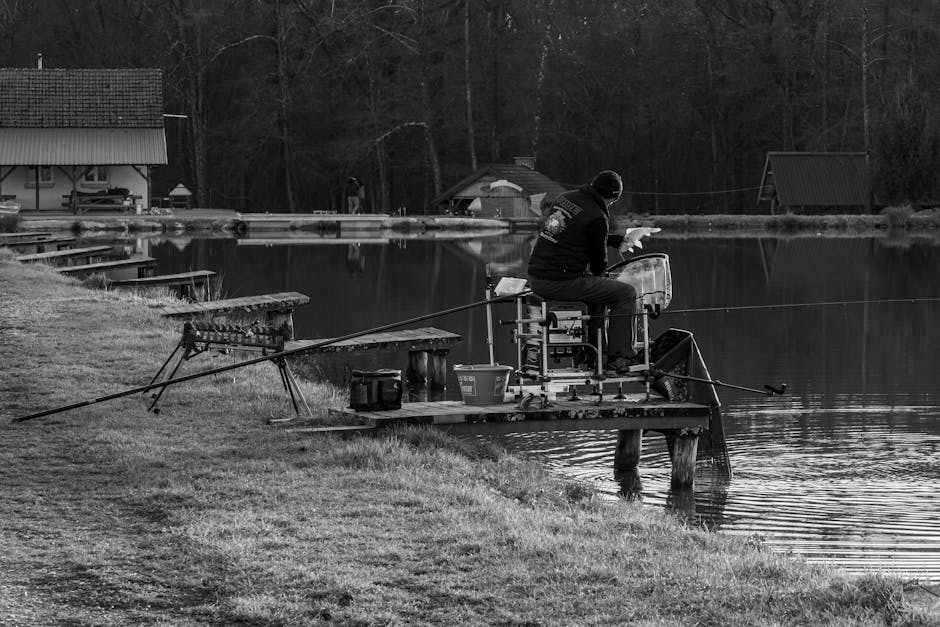 Caption with depth, conditions, and when to target this spot
7. Mistakes That Kill the Bite
- Too fast retrieve: Misses fish that are not actively chasing.
- Wrong depth: Lures not in the strike zone go unnoticed.
- Noisy approach: Scares fish away from the area.
- Working lure too much: Unnatural movement can deter fish.
- Wrong angle to current: Makes lures appear unnatural.
- Not pausing long enough: Fish might strike during pauses.
- Changing spots too quickly: Misses fish that require more coaxing.
- Setting hook on topwater explosion: Often results in missed strikes.
- Fishing wrong tide stage: Fish are less active during slack tides.
- Using dull hooks: Reduces hooking efficiency.
- Leader too short: Increases visibility to fish.
- Ignoring shadow lines: Misses ambush points for bass.
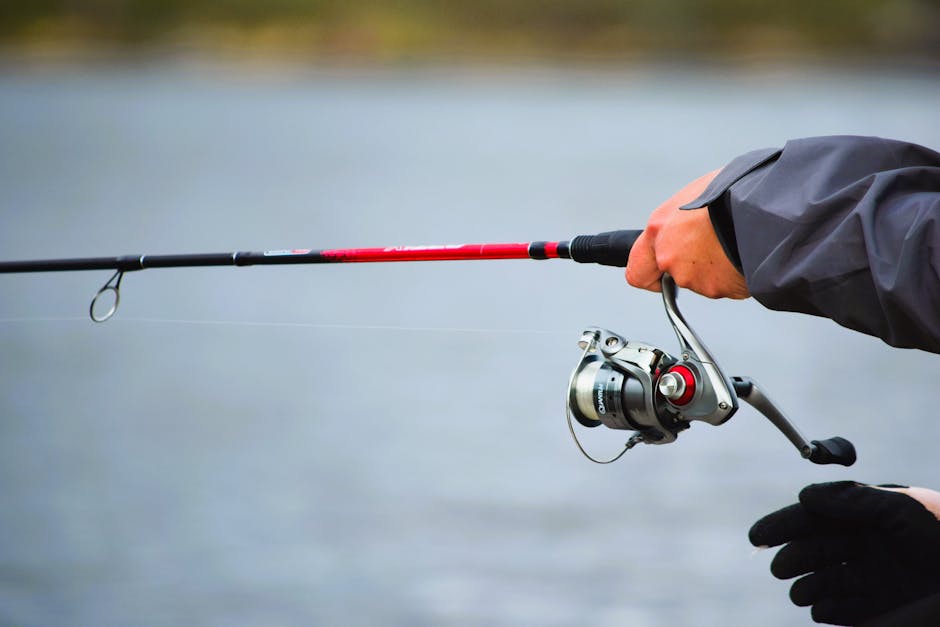 Caption highlighting successful technique or important detail
8. Frequently Asked Questions
What are the best bass lures for beginners?
Spinnerbaits and soft plastics are great for beginners due to their versatility and ease of use.
What color lures work best for bass?
In clear water, natural colors like green pumpkin work best, while in stained water, brighter colors like chartreuse are more effective.
What size lures should I use for bass?
For most conditions, lures between 3-5 inches are ideal as they mimic the size of common prey.
What lures catch the most bass?
Spinnerbaits and crankbaits are highly effective, especially in waters with a variety of cover.
How does wind affect bass fishing?
Wind can help by creating surface disturbance, which makes fish less wary, but it also requires heavier lures for better control.
9. 1-Minute Action Plan
- Rig to Tie On: Spinnerbait with a 10-15 lb test line.
- 2 Places to Try First: Weed lines and submerged logs in 5-10 feet of water.
- First Retrieve Cadence: Steady with periodic pauses for spinnerbaits.
- One Adjustment if No Bites: Change lure color to match water clarity.
10. Next Steps: Keep Learning
- If you're fishing mangroves next, check out our Best Lures for Snook in Florida.
- If you need the right rod setup, see our Best Fishing Rods in Florida.
- If you're targeting bass, read more on Best Bass Lures.
- If you want to stay safe on the water, check out our Fishing Safety Tips.
- If you land a keeper, learn how to fillet your catch for a fresh meal.
- If you need help tying your first rig, see our Best Fishing Knots guide.
- If you want to know the best times to hit the water, read Best Time to Fish.
- If you are choosing your first line, check out How to Choose Fishing Line.
11. Always Check Current Regulations
Regulations in your area include size limits, bag limits, and seasonal closures. Always check current regulations with official authority.
12. Sources
- Fishing Research: Tackle App

Tackle Team
The Tackle Fishing Team is a collective of anglers, data scientists, and fishing enthusiasts dedicated to making fishing more accessible and successful for everyone.
View profileSources Consulted
The following sources were consulted in creating this guide:
- Fishing Research – www.tackleapp.ai (retrieved Jan 2026)
Note: Information is summarized and explained in our own words. Always verify current regulations with official sources.
Frequently Asked Questions
What are the best bass lures for beginners?
Spinnerbaits and soft plastics are great for beginners due to their versatility and ease of use.
What color lures work best for bass?
In clear water, natural colors like green pumpkin work best, while in stained water, brighter colors like chartreuse are more effective.
What size lures should I use for bass?
For most conditions, lures between 3-5 inches are ideal as they mimic the size of common prey.
What lures catch the most bass?
Spinnerbaits and crankbaits are highly effective, especially in waters with a variety of cover.
How does wind affect bass fishing?
Wind can help by creating surface disturbance, which makes fish less wary, but it also requires heavier lures for better control.
Plan Your Next Fishing Trip
Download Tackle to compare tide charts, wind conditions, and practical fishing guidance for your location before you go.
✓ Real-time tide charts • ✓ Wind & weather forecasts • ✓ AI fish identification
See local regulations — Find regulations for your area
Want weekly fishing windows delivered to your inbox?
Get personalized fishing forecasts based on weather, tides, and moon phases.
RELATED CONTENT
KEEP READING