

Bucktail jigs have caught more saltwater species than any other artificial lure. From Montauk jetties to Chesapeake grass flats, generations of sharpies have relied on a chunk of lead dressed with deer hair to put fish in the box. Simple. Cheap. Outfishes lures that cost five times as much.
This guide covers weight selection, trailer combos, retrieval techniques and species-specific strategies to get you catching fish on bucktails right now.
Best for: Beginner to Advanced | What you need: A medium-heavy rod, 20 lb braid with a fluorocarbon leader and 3-4 bucktail jigs in white and chartreuse | Do this first: Tie on a 1 oz white bucktail with a white paddle tail trailer, find a current seam near structure and bounce it along the bottom.
Quick Answer: Why Bucktail Jig Fishing Works
- Bucktails imitate everything from shrimp to bunker depending on how you work them and what trailer you add
- The deer hair breathes and pulses in the water, creating lifelike movement even when sitting still
- Fish them from the surface to 60 feet deep by adjusting weight and retrieve speed
- They cast far in wind, which matters on jetties and open beaches
- Bucktails cost $3 to $8 and last for dozens of fish
- They work on striped bass, fluke, bluefish, weakfish, false albacore and nearly every inshore species
Get Personalized Fishing Advice
Want real-time conditions for your exact location? Tackle provides live tide data, wind forecasts, and AI-powered fishing advice tailored to where you fish.
✓ Real-time tide charts • ✓ Wind & weather forecasts • ✓ AI fish identification
What Makes Bucktails Special (And Why They Outfish Plastics)
The secret is the deer hair. Natural deer hair is hollow. Each strand traps air and creates buoyancy that makes the jig fall slower and move with a subtle breathing action that synthetic materials cannot replicate.
Bucktails also have a profile advantage. A white bucktail with a white soft plastic trailer looks like a sand eel. The same bucktail with a pork rind strip looks like a squid. Swap to a chartreuse body with a curly tail grub and it passes for a shrimp.
Durability is the final edge. A single bucktail survives 30 or 40 fish before the hair thins out. The hair holds up to bluefish teeth and jetty barnacles better than any synthetic fiber.
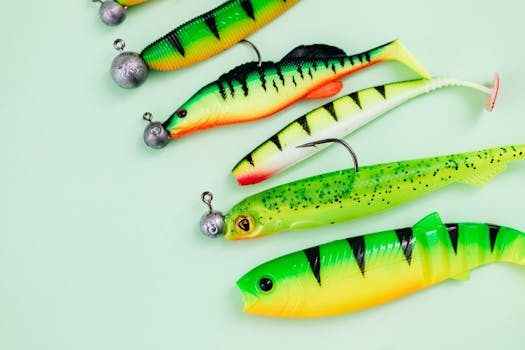 Keep white and chartreuse bucktails in 1/2 oz through 2 oz. These two colors and four weights handle 90% of inshore saltwater situations.
Tackle Box Snapshot (Copy This Setup)
- Jig weights: 1/2 oz, 3/4 oz, 1 oz, 1.5 oz and 2 oz (white and chartreuse in each)
- Go-to models: SPRO Prime Bucktail, Hogy Epoxy Jig, Andrus Jetty Caster, Smiling Bill bucktails
- Trailers: 4-inch white paddle tail, 6-inch curly tail grub, Uncle Josh pork rind, Berkley Gulp Swimming Mullet
- Rod: 7-foot medium-heavy fast action spinning rod
- Reel: 4000-5000 size spinning reel
- Line: 20-30 lb braid to 20-30 lb fluorocarbon leader (2-3 feet)
- Hook sharpener: Carry one. Hooks dull fast on rocks
Weight and Size Selection (Match the Conditions)
Getting the weight right matters more than color or trailer choice. The wrong weight means your jig never reaches the strike zone or blows past it.
1/2 oz: Shallow flats, calm bays, water under 8 feet. Best for fluke on sand flats and redfish on grass edges.
3/4 oz: The most versatile weight. Moderate current, 5 to 15 feet of water, light to moderate wind. This is the weight you throw most from a boat.
1 oz: The standard for jetty fishing and moderate current. Heavy enough to hold bottom but light enough for a lift-and-drop cadence. Probably the most productive single lure weight in the Northeast saltwater catalog.
1.5 oz: Strong current, deep channels and windy days. Inlet fishing and bridge pilings in hard-moving water.
2 oz and heavier: Deep rips, heavy current and vertical jigging over structure in 20 to 40 feet.
The rule: Use the lightest jig that reaches bottom and stays there. If you cannot feel the tick, go heavier. If it drags and snags, go lighter.
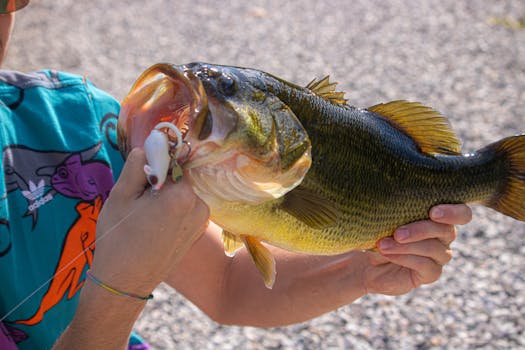 Jetty fishing demands heavier bucktails. Use 1 oz to 2 oz heads to punch through current and reach the rocks where stripers stage.
Trailer Options (What to Hang on the Hook)
A naked bucktail catches fish. A bucktail with the right trailer catches more.
Soft Plastic Paddle Tails
The most popular trailer choice. A 3 to 5 inch white or pearl paddle tail adds a thumping swimming action and extends the profile to match bigger baitfish. Go-to combo for striped bass chasing bunker or sand eels.
Curly Tail Grubs
A 4 to 6 inch curly tail grub adds wide wobbling action that pushes water and creates vibration. Chartreuse grubs on a white bucktail is the classic fluke combo that has put more doormats on the deck than any other rig.
Pork Rind Strips
Old school and still deadly. Uncle Josh pork rind adds undulating action and a squid-like profile. Does not wash out or fly off the hook. Fell out of fashion but the fish never stopped eating it.
Berkley Gulp and Scented Trailers
Gulp Swimming Mullet and Gulp Grubs add scent. In dirty water or slow bite conditions, the scent trail pulls fish from farther away. The trade-off is durability. Bluefish destroy Gulp in one or two bites.
No Trailer
When fish are keyed on small forage like bay anchovies or glass minnows, adding a trailer makes the jig too big. A naked 1/2 oz white bucktail fished on a fast retrieve imitates small bait perfectly.
Step-by-Step: Bucktail Jig Retrieval Techniques
How you work a bucktail changes what it imitates and what eats it.
1. The Hop and Drop (Bottom Bouncing)
The foundation technique. Cast out, let the jig hit bottom, lift the rod tip 1 to 2 feet and let it fall on controlled slack. Most bites come on the fall. Bread-and-butter retrieve for fluke, striped bass and weakfish.
2. The Slow Swim
Steady medium-speed retrieve with the rod tip at 10 o'clock. Add a paddle tail trailer for maximum swimming action. Works when fish are feeding mid-column on baitfish schools.
3. The Sweep and Drop
Sweep the rod from 9 o'clock to 12 in a smooth motion, then drop the tip and let the jig flutter on slack. Covers more vertical water than a short hop. Deadly along jetty walls and bridge pilings.
4. The Drag
Let the jig sit on bottom and drag it slowly with the rod tip while barely reeling. The hair waves as it crawls across sand. Fluke-specific. The jig kicks up sand puffs that attract flatfish from a distance.
5. The Burn
Reel fast. A bucktail ripped through the surface imitates a fleeing baitfish and triggers savage strikes from bluefish, false albacore and striped bass feeding on top.
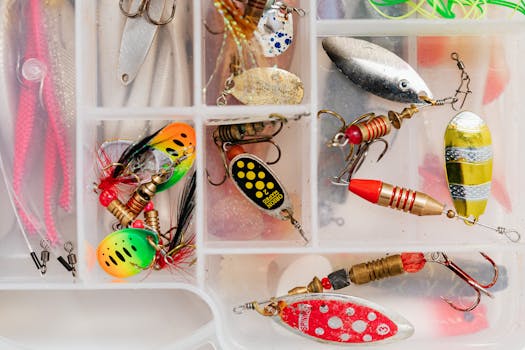 Thread the trailer straight onto the hook so it tracks true. A crooked trailer kills the swimming action and costs you bites.
Decision Tree: Conditions and Adjustments
- If current is strong: Go heavier. Add 1/2 oz over what you normally throw.
- If current is slack: Go lighter. A 1/2 oz jig falling slowly through still water looks more natural.
- If water is clear: White bucktails. Lighter leader (15-20 lb). Longer pauses on the drop.
- If water is dirty: Chartreuse bucktails. Add a Gulp trailer for scent. Slow your retrieve.
- If fish are on top: Burn a bucktail just under the surface. No trailer or a small paddle tail.
- If fish are on the bottom: Hop and drop. Heavier jig. Let it sit 2-3 seconds between hops.
- If you are getting short strikes: Downsize the trailer or go bare.
- If bluefish are destroying trailers: Switch to pork rind.
Spot Playbook: Where Bucktails Shine
Jetties and rock piles: The classic bucktail water. Cast parallel to the rocks and work the jig where boulders meet sand. Stripers and blackfish hold tight to structure. Use a 1 oz to 2 oz Andrus Jetty Caster or SPRO Prime to punch through current.
Inlets and bridge pilings: Current funnels through narrow gaps and creates feeding lanes. Drift or anchor upcurrent and bounce a heavy bucktail through the rip.
Sand flats and channels: Drift over sandy bottom with a 1/2 to 3/4 oz bucktail tipped with a curly tail grub. Prime fluke water. The jig kicks up sand puffs that mimic forage rooting on the bottom.
Grass edges and marsh drains: Where grass meets open sand on an outgoing tide, bait gets flushed out and predators stack up. A lightweight bucktail along the grass edge picks up redfish, seatrout and flounder.
Surf zone: A 1.5 to 2 oz bucktail cast into the trough between sandbars reaches stripers and blues feeding in the wash. Hop and drop it back slowly.
Species-Specific Strategies
Striped Bass
The bucktail is the striper lure. A white 1 oz SPRO Prime with a 5-inch paddle tail along jetties and rips accounts for more stripers than any other artificial. Bounce it on bottom or swim it through the column. Our striped bass guide covers seasonal patterns.
Fluke (Summer Flounder)
Drift over sand flats with a 3/4 oz bucktail tipped with a curly tail or Gulp strip. Keep it within 6 inches of the bottom. A slow drag with occasional hops puts the jig right in their face. See our flounder guide for drift techniques.
Bluefish
Burn a bare or pork-rind-tipped bucktail through a blitz. Use heavy (40 lb+) fluorocarbon or wire because bluefish teeth shred standard leaders.
Weakfish
A 1/2 oz white bucktail hopped slowly along a sandy channel edge after dark is the classic technique. Weakfish have soft mouths so set the hook gently and keep steady pressure.
False Albacore
When albies are blitzing, a small (1/2 oz) white Hogy Epoxy Jig burned through the school triggers reaction strikes. Cast past the breaking fish and rip it back at full speed.
5 Mistakes That Kill Your Bucktail Fishing
-
Fishing too heavy in calm water. A 2 oz jig plummeting in a calm bay looks nothing like natural bait. Downsize to 1/2 or 3/4 oz and let it fall slowly.
-
Never sharpening the hook. Bucktail hooks dull fast on rocks and barnacles. Check the point every 10 casts. If it doesn't stick your thumbnail, sharpen it.
-
Threading trailers crooked. A trailer at an angle spins instead of swimming. Thread it straight so the jig tracks true without spinning your line.
-
Using the same weight all day. Current changes with the tide. A 1 oz jig that was perfect at peak flow becomes too heavy at slack. Adjust as conditions shift.
-
Reeling through the drop. The fall is when most fish eat a bucktail. Let the jig fall on controlled slack and watch the line for jumps or twitches.
 When you feel the thump on the drop, resist the urge to reel. Drop the rod tip, reel the slack and sweep into the fish with a firm hookset.
Gear Setup for Bucktail Jig Fishing
Spinning setup (most versatile): 7-foot medium-heavy fast action rod with a 4000-5000 reel loaded with 20-30 lb braid. Handles 1/2 oz to 2 oz jigs.
Conventional setup (heavy current): 6.5 to 7 foot medium-heavy conventional rod with a lever drag reel spooled with 30-40 lb braid.
Leader: Always fish fluorocarbon in saltwater. 20 lb for clean water. 30 lb general purpose. 40 lb+ when bluefish are around. Connect with an Albright or FG knot.
Knot to jig: Use a loop knot (Rapala or perfection loop). The loop lets the bucktail swing naturally. Most anglers carry bucktails alongside fishing spoons since the gear overlaps.
Log Your Bucktail Patterns
The best bucktail anglers know which weight, trailer and retrieve worked at each spot on each tide stage. The Tackle app lets you log the specifics after every session so you build a personal playbook of what produces where.
FAQs
What is the best bucktail jig for beginners?
A 1 oz SPRO Prime Bucktail in white. It casts well, holds bottom in moderate current and catches stripers, fluke and blues without any fancy technique. Add a 4-inch white paddle tail trailer and bounce it along the bottom near any rocky structure.
What color bucktail jig works best?
White is the universal color. It imitates sand eels, spearing, squid and shrimp depending on the trailer you add. Chartreuse is the second color to carry for stained water and overcast days. Between white and chartreuse you are covered for 90% of saltwater conditions.
Can you fish bucktail jigs from shore?
Absolutely. Use a 1 to 2 oz jig to get distance and punch through surf current. Cast parallel to jetty rocks or into the trough between sandbars. Bucktails cast far and fish every depth on the retrieve.
How do I keep bucktail jigs from snagging on rocks?
Bounce the jig with short hops rather than dragging it. Keep your rod tip high so the jig lifts quickly on each hop. When you feel it wedge, drop slack and let the current wash it free.
What is the difference between bucktail jigs and regular jig heads?
Bucktail jigs use natural deer hair that creates buoyancy and a pulsing breathing action synthetic materials cannot replicate. Regular jig heads rely entirely on the trailer for action. Bucktails produce movement on their own which makes them effective at slower speeds and on the pause.
1-Minute Action Plan
- Tie on a 1 oz white SPRO Prime Bucktail with a 4-inch white paddle tail
- Find a jetty, inlet or current seam with structure nearby
- Cast upcurrent and let the jig sink to the bottom
- Hop it back with 1-2 foot lifts of the rod tip, pausing 2 seconds on each drop
- If no bites after 15 minutes, switch to a 3/4 oz head or try a chartreuse body with a curly tail grub
What to Read Next
- Targeting stripers specifically? Read How to Catch Striped Bass
- Pairing bucktails with flatfish tactics? Check How to Catch Flounder
- Fishing grass flats for reds? See How to Catch Redfish
- Want another versatile saltwater lure? Read How to Use Fishing Spoons
- Upgrading your trailer game? Check How to Use Soft Plastic Lures
Ready to track your bucktail catches and build a pattern? Download Tackle free.
Sources
- On The Water - Bucktail Jig Fishing Guide
- The Fisherman Magazine - Mastering the Bucktail
- Salt Water Sportsman - Best Bucktail Techniques
- Outdoor Life - Why Bucktails Are the Best Saltwater Lure
Regulations change. Always check local rules before fishing.

Tackle Team
The Tackle Fishing Team is a collective of anglers, data scientists, and fishing enthusiasts dedicated to making fishing more accessible and successful for everyone.
View profileSources Consulted
The following sources were consulted in creating this guide:
- On The Water – www.onthewater.com (retrieved Mar 2026)
- The Fisherman Magazine – www.thefisherman.com (retrieved Mar 2026)
- Salt Water Sportsman – www.saltwatersportsman.com (retrieved Mar 2026)
- Outdoor Life – www.outdoorlife.com (retrieved Mar 2026)
Note: Information is summarized and explained in our own words. Always verify current regulations with official sources.
Frequently Asked Questions
What is the best bucktail jig for beginners?
A 1 oz SPRO Prime Bucktail in white. It casts well, holds bottom in moderate current and catches stripers, fluke and blues without any fancy technique. Add a 4-inch white paddle tail trailer and bounce it along the bottom near any rocky structure.
What color bucktail jig works best?
White is the universal color. It imitates sand eels, spearing, squid and shrimp depending on the trailer you add. Chartreuse is the second color to carry for stained water and overcast days. Between white and chartreuse you are covered for 90% of saltwater conditions.
Can you fish bucktail jigs from shore?
Absolutely. Jetty anglers have been throwing bucktails from the rocks for decades. Use a 1 to 2 oz jig to get distance and punch through surf current. Cast parallel to the jetty rocks or out into the trough between sandbars.
How do I keep bucktail jigs from snagging on rocks?
Bounce the jig with short hops rather than dragging it along the bottom. Keep your rod tip high so the jig lifts quickly off the rocks on each hop. When you feel it wedge, drop slack and let the current wash the jig free.
What is the difference between bucktail jigs and regular jig heads?
Bucktail jigs use natural deer hair tied to the jig head. The hollow hair fibers create buoyancy and a pulsing breathing action that synthetic materials do not replicate. Regular jig heads rely entirely on the trailer for action. Bucktails produce movement on their own even without a trailer.
Plan Your Next Fishing Trip
Download Tackle to compare tide charts, wind conditions, and practical fishing guidance for your location before you go.
✓ Real-time tide charts • ✓ Wind & weather forecasts • ✓ AI fish identification
See local regulations — Find regulations for your area
Want weekly fishing windows delivered to your inbox?
Get personalized fishing forecasts based on weather, tides, and moon phases.
RELATED CONTENT
KEEP READING