

Learn the lures, live baits and techniques that put redfish on the line from Texas marsh to Carolina flats.
Best for: Beginner to intermediate inshore anglers What you need: 7' medium-heavy rod, 3000-4000 spinning reel, 15-20lb braid, 20lb fluorocarbon leader
DO THIS FIRST: Tie a 1/4oz gold Johnson Silver Minnow spoon onto 20lb fluorocarbon leader. Find a grass flat with 1-3 feet of water on a falling tide. Cast ahead of any wakes or tailing fish and reel with a steady medium retrieve. This one setup catches more redfish across more states than anything else in your tackle bag.
Quick Answer: How to Catch Redfish Right Now
- Best lure: Gold spoon (Johnson Silver Minnow or Aqua Dream) on 1/4oz in shallow water. Cast past the fish and retrieve across their path.
- Best live bait: Live shrimp under a popping cork, 18-24 inches below the cork. Pop and pause.
- Where to fish: Grass flats, oyster bars and marsh drains in 1-4 feet of water.
- Best retrieve: Steady medium speed for spoons. Twitch-pause for soft plastics. Pop-wait-pop for cork rigs.
- Best conditions: Moving tide (falling tide on flats is prime), morning or late afternoon, water temp 65-85F.
Get Personalized Fishing Advice
Want real-time conditions for your exact location? Tackle provides live tide data, wind forecasts, and AI-powered fishing advice tailored to where you fish.
✓ Real-time tide charts • ✓ Wind & weather forecasts • ✓ AI fish identification
Tackle Box Snapshot (Copy This Setup)
Lure Options (Pick 3-5):
- Johnson Silver Minnow gold spoon 1/4oz
- Z-Man Redfish Eye Jighead 1/4oz + Z-Man DieZel MinnowZ 4" (new penny or electric chicken)
- Rapala Skitter Walk topwater (bone or gold)
- Berkley Gulp! Shrimp 3" on 1/8oz jighead (natural or new penny)
- Storm 360GT Searchbait 3.5" (redfish color)
Live Bait Options:
- Live shrimp (freelined or under popping cork)
- Finger mullet (freelined on circle hook near structure)
- Blue crab chunks (fished on bottom near oyster bars)
Line Setup:
- Main: 15-20lb braid (PowerPro or Suffix 832)
- Leader: 20lb fluorocarbon, 24-30" length
- Connection: Double uni knot or FG knot
Hook Selection:
- Circle hooks 2/0-3/0 for live bait
- Jigheads 1/8-1/4oz for soft plastics
- Weedless spoon for grass flats
Target Depth: 1-4 feet on flats. Up to 8-10 feet near channel edges and docks in winter.
This setup covers slot reds on flats, bull reds in passes and everything in between. Gold spoons for searching. Soft plastics for working structure. Live bait when they get picky.
 Gold spoons and soft plastics on jigheads are the two setups you need for 90% of inshore redfish situations.
Understanding Redfish Behavior
Red drum are bottom feeders built for rooting through grass and mud. That black spot near the tail fools predators into striking the wrong end while the redfish escapes.
Slot reds vs bull reds: Slot reds (roughly 18-27 inches depending on state) cruise flats in small groups of 2 to 8 fish. They are spooky and finicky. Bull reds are the 30-50 inch giants that school up in passes during fall. They eat almost anything and fight like freight trains. Different fish, different game.
Tailing: When redfish tip nose-down to feed in shallow water their tails poke above the surface. A tailing red is feeding and catchable. Look for bronze tails waving on calm mornings over grass flats.
Schooling: Slot reds travel in loose groups. Find one and more are nearby. Bull reds school in massive pods during the fall run from the Outer Banks to the Texas coast.
Step-by-Step: How to Catch Redfish on Flats
1. Find the Right Flat (Structure + Water)
Not every flat holds redfish. Look for these features:
- Grass beds with sandy potholes (redfish root in the sand between grass)
- Oyster bars with 1-3 feet of water on the edges
- Marsh drains where water funnels out on falling tides
- Points where flats drop into deeper channels
2. Read the Water (What to Look For)
Slow down and look before you cast. Reading water is the most important skill in redfish fishing. Watch for:
- Tails breaking the surface (feeding fish, nose down)
- Wakes or push water (moving fish in skinny water)
- Mud boils (redfish rooting on the bottom kick up sediment)
- Bait activity (mullet jumping, shrimp popping, pinfish scattering)
Polarized sunglasses are not optional. Costa or Smith lenses in copper or amber cut glare and let you see fish 30-60 feet away.
3. Approach and Cast (Stealth First)
Redfish on flats are alert. A bad approach ruins the spot.
- Use a push pole or trolling motor on lowest setting
- Stay 40-60 feet from fish when possible
- Cast past the fish and retrieve into their path
- Lead a moving fish 4-6 feet in the direction they are heading
- Never cast directly on top of a redfish. The splash spooks them instantly.
4. Work the Lure (Retrieve by Type)
Gold spoon: Steady medium retrieve. The wobble does the work. If a red follows but does not eat, speed up slightly. That triggers a reaction strike.
Soft plastic on jighead: Twitch-twitch-pause. Let the bait fall on the pause. Redfish pick up soft plastics on the drop. Keep your rod tip low and feel for a heavy thump.
Topwater: Walk-the-dog cadence in early morning calm water. Redfish topwater blowups are violent. Wait to feel weight before you set the hook. Popper lures also work well for redfish in calm, clear potholes.
Live shrimp under cork: Pop the cork sharply, then let the shrimp hang for 3-5 seconds. The pop imitates shrimp skipping on the surface. Redfish home in on the sound from 30+ feet away.
5. Hookset and Fight
Redfish have hard, downturned mouths. When you feel weight, sweep the rod to the side. A side sweep drives the hook into the jaw hinge where it holds. Once hooked, keep side pressure and steer them away from oyster bars and dock pilings. Their first run is the strongest.
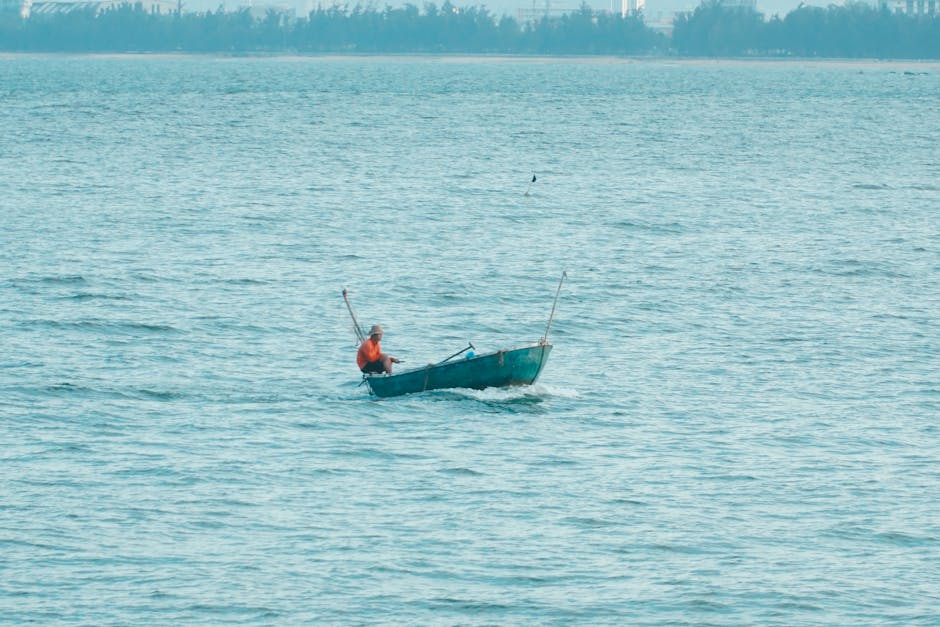 Sight fishing on foot or from a poled skiff is the deadliest way to target redfish on shallow flats. Stay low and move slow.
Decision Tree: Adjust for Conditions
If water is clear (3+ feet visibility):
- Use natural colors: new penny, root beer, shrimp
- Lighter jigheads (1/8oz) for slower fall
- Cast from farther distance (50+ feet)
- Gold spoon outperforms every time in clear water
If water is stained (1-2 feet visibility):
- Use bright colors: chartreuse, electric chicken, pink
- Add scent (Berkley Gulp! or Pro-Cure shrimp)
- Use popping cork to create noise and draw fish in
- Upgrade to 3/8oz jighead for more vibration
If windy (10+ mph):
- Skip topwater. Switch to spoons or soft plastics.
- Fish the lee side of islands and marsh banks
- Heavier jigheads (1/4-3/8oz) for casting distance
- Wind pushes bait against shorelines. Fish the windward bank.
If water is cold (below 60F):
- Fish deeper holes and channel edges (6-10 feet)
- Slow down by 50%. Crawl soft plastics on the bottom.
- Fish midday when sun warms the shallows
- Live shrimp on bottom beats artificials in cold water
If tailing fish are visible:
- Switch to weedless gold spoon or unweighted Gulp! Shrimp
- Cast 3-4 feet past the fish and bring it across their face
- Do not false cast over the fish. One shot.
- If they spook, wait 5 minutes. They often come back.
Spot Playbook: Where Redfish Live
Best Structure Types
Grass flats: Sandy potholes between grass patches are feeding stations. A pothole with fresh mud clouds means a red was just there. Fish the edges where grass meets sand in 1-3 feet.
Oyster bars: Crabs and shrimp live in the shells. Fish the edges where the bar meets sand or mud in 2-4 feet. Falling tide concentrates fish along the bar.
Marsh drains and creek mouths: When the tide falls, bait gets swept out through narrow drains. Redfish stack up at the mouth and ambush everything that comes through. The single most reliable redfish spot on any coast.
Dock pilings and bridges: Winter redfish move to deeper structure. Pilings in 5-10 feet with barnacles hold fish November through February.
Tidal Patterns That Matter
Tide is everything in redfish fishing. More important than time of day, moon phase or weather.
- Rising tide: Redfish push onto flats to feed. They spread out and are harder to find but actively eating.
- High tide: Fish are scattered deep in the marsh and grass. Hard to reach but feeding hard.
- Falling tide: The money tide. Redfish funnel off flats through drains and along bar edges. Concentrated and predictable.
- Low tide: Fish hold in deeper holes and channels. Sight fish potholes or target structure.
For more on reading tidal patterns and structure, check our saltwater fundamentals guide.
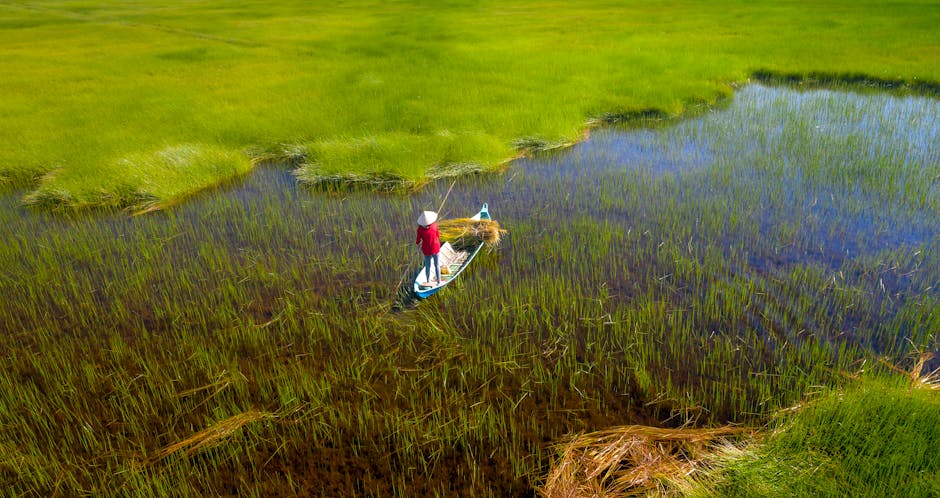 Marsh drains like this one funnel bait on falling tides. Position yourself at the mouth and wait. Redfish will come to you.
Seasonal Patterns: When Redfish Bite Best
Spring (March-May): Slot reds push onto flats as water warms past 65F. Shrimp hatch brings aggressive feeding. Gold spoons and live shrimp under corks are deadly.
Summer (June-August): Fish early and late. Topwater works in the first hour of light. Reds feed deeper during midday.
Fall (September-November): The bull red run. Massive schools of 30-50 inch fish gather in passes and around jetties from the Outer Banks to Texas. Large swimbaits, cut mullet and big spoons produce. Slot reds are also feeding hard. If you are targeting snook in the same waters, see our best lures for snook in Florida guide.
Winter (December-February): Find them in deeper holes, near docks and along channel edges. Slow presentations win. Live shrimp on bottom. Fish the warmest part of the day. If you fish structure near inlets, you may also encounter sheepshead stacked up around pilings and bridge supports.
Mistakes That Kill the Bite
- Casting on top of the fish: Splash spooks them for 20+ minutes. Always cast past and retrieve into their line of travel.
- Moving too fast on the flat: You will push fish off the flat before you see them. Slow down, scan and wait.
- Wrong tide timing: Showing up at dead low or slack means the fish already left. Plan around falling and rising tides.
- Ignoring wind direction: Wind pushes bait. Fish the bank where wind blows bait against the shore. Most anglers hide from the wind and miss the bite.
- Too heavy a leader in clear water: 30-40lb leader on a clear flat gets refused. Drop to 15-20lb fluoro when you can see the bottom.
- Setting hook too fast on topwater: Redfish often hit short on topwater. Wait for the rod to load before you swing.
- Not checking the bottom: Redfish are bottom feeders. If your lure is running mid-column you are over their heads. Get it down.
- Fishing dead water: No current means no feeding. If the tide is slack, move to a spot with any flow at all.
- Reeling over oyster bars: You will cut your leader on every shell. Use weedless rigs or keep your lure above the bar.
- Giving up on a flat too early: Redfish cruise in cycles. If the flat looks right, give it 30 minutes before moving.
Track Your Redfish Patterns
Redfish are creatures of habit. The same flat that produced last Tuesday will produce again under similar conditions. The Tackle app lets you log every catch with tide stage, water temp and lure used so you build a personal pattern book instead of guessing. Over a few months those logs turn into a redfish playbook that puts you on fish faster.
Frequently Asked Questions
What is the best bait for redfish?
Live shrimp is the most consistent bait for redfish across all conditions. Rig it under a popping cork 18-24 inches down or freelined near structure on a 2/0 circle hook. For artificials, a 1/4oz gold spoon is the top producer on flats. Soft plastics on jigheads run a close second.
What size redfish can you keep?
Slot limits vary by state. Most Gulf and Atlantic states set a slot somewhere between 18-27 inches with a one to three fish daily bag limit. Regulations change often. Always check your state's fish and wildlife agency before keeping any red drum.
When is the best time to catch redfish?
Falling tide during the first two hours after high is the most consistent window. Pair that with early morning or late afternoon and you have the best odds. The fall bull red run (September through November) is the peak season for trophy fish.
Can you catch redfish from shore?
Absolutely. Wade fishing grass flats is one of the most productive ways to target redfish. If you encounter flounder while wading the flats, our how to catch flounder guide covers the techniques. You get closer to the fish than any boat can. Wade at knee to thigh depth on a falling tide, scan for tails and cast gold spoons or live shrimp. Jetties and piers also produce bull reds during the fall run. For more on getting started, see our fishing tips for beginners.
What pound test line for redfish?
Use 15-20lb braided main line with a 20lb fluorocarbon leader for slot reds on flats. For bull reds in passes and around structure, bump up to 30lb braid and 30lb leader. Braid gives you casting distance and sensitivity. Fluoro gives you abrasion resistance near oysters and barnacles.
1-Minute Action Plan
Ready to catch redfish this weekend? Here is your checklist.
Rig to tie on:
- 1/4oz gold spoon on 20lb fluorocarbon leader (24 inches)
- Backup: Live shrimp under popping cork on 2/0 circle hook
2 places to try first:
- Grass flat with sandy potholes in 1-3 feet on a falling tide
- Marsh drain mouth where water funnels off the flat
First retrieve cadence:
- Spoon: Steady medium retrieve, keeping the lure 6-12 inches off bottom
- Cork rig: Pop-wait 3 seconds-pop-wait
One adjustment if no bites:
- Switch to a 3" Berkley Gulp! Shrimp on 1/8oz jighead and work it slower along the bottom near oyster edges
Next Steps: Keep Learning
Now that you know how to find and catch redfish, here is what to check out next:
- If you want to improve your flat reading: How to read water for fishing breaks down structure, current and fish positioning.
- If you are new to saltwater: Saltwater fishing basics covers gear, rigging and tides from scratch.
- If you want to dial in your soft plastic game: How to use soft plastic lures covers jigheads, colors and retrieves.
- If you are just getting started fishing: Fishing tips for beginners walks through the fundamentals.
- If you want inshore tactics for other species: Inshore fishing tips covers the full inshore playbook.
Redfish reward anglers who pay attention to tides, move quietly and put in the time on the water. Log your catches, track what works and build your own pattern. Download Tackle free and start building that playbook today.
Always Check Current Regulations
Redfish regulations including slot limits, bag limits and seasonal closures vary by state and change frequently. Always check current regulations with your state's fish and wildlife agency before fishing.
Regulations are subject to change. Tackle is not responsible for regulatory information. Always consult official government sources.

Tackle Team
The Tackle Fishing Team is a collective of anglers, data scientists, and fishing enthusiasts dedicated to making fishing more accessible and successful for everyone.
View profileSources Consulted
The following sources were consulted in creating this guide:
- NOAA Fisheries - Red Drum – www.fisheries.noaa.gov (retrieved Mar 2026)
- Coastal Conservation Association – www.joincca.org (retrieved Mar 2026)
Note: Information is summarized and explained in our own words. Always verify current regulations with official sources.
Frequently Asked Questions
What is the best bait for redfish?
Live shrimp is the most consistent bait for redfish across all conditions. Rig it under a popping cork 18-24 inches down or freelined near structure on a 2/0 circle hook. For artificials, a 1/4oz gold spoon is the top producer on flats. Soft plastics on jigheads run a close second.
What size redfish can you keep?
Slot limits vary by state. Most Gulf and Atlantic states set a slot somewhere between 18-27 inches with a one to three fish daily bag limit. Regulations change often. Always check your state's fish and wildlife agency before keeping any red drum.
When is the best time to catch redfish?
Falling tide during the first two hours after high is the most consistent window. Pair that with early morning or late afternoon and you have the best odds. The fall bull red run (September through November) is the peak season for trophy fish.
Can you catch redfish from shore?
Absolutely. Wade fishing grass flats is one of the most productive ways to target redfish. You get closer to the fish than any boat can. Wade at knee to thigh depth on a falling tide, scan for tails and cast gold spoons or live shrimp. Jetties and piers also produce bull reds during the fall run.
What pound test line for redfish?
Use 15-20lb braided main line with a 20lb fluorocarbon leader for slot reds on flats. For bull reds in passes and around structure, bump up to 30lb braid and 30lb leader. Braid gives you casting distance and sensitivity. Fluoro gives you abrasion resistance near oysters and barnacles.
Plan Your Next Fishing Trip
Download Tackle to compare tide charts, wind conditions, and practical fishing guidance for your location before you go.
✓ Real-time tide charts • ✓ Wind & weather forecasts • ✓ AI fish identification
See local regulations — Find regulations for your area
Want weekly fishing windows delivered to your inbox?
Get personalized fishing forecasts based on weather, tides, and moon phases.
RELATED CONTENT
KEEP READING