

Sheepshead will rob you blind if you let them. Those black-and-white striped fish have teeth that look like they belong in a dentist's office. They use them to pick your hook clean without you ever feeling a thing. But once you figure out the bite, sheepshead become one of the most rewarding inshore species you can target.
Best for: Beginner to intermediate anglers fishing from shore, docks or boats What you need: Light spinning rod with sensitive tip, small sharp hooks (size 1 to 1/0), 15-20lb fluorocarbon leader, fiddler crabs or sand fleas
DO THIS FIRST: Tie a size 1 Owner Mosquito hook to 18 inches of 15lb fluorocarbon leader. Thread a live fiddler crab through the leg joint. Drop it straight down against a barnacle-covered piling on an incoming tide. Hold the rod tip high and watch for the slightest tick. That single setup catches more sheepshead than everything else combined.
Quick Answer: How to Catch Sheepshead
- Best bait: Live fiddler crabs, sand fleas (mole crabs) and fresh-scraped barnacles. Live shrimp works but gets stolen faster.
- Where to fish: Barnacle-covered pilings, bridge fenders, rock jetties, seawalls and oyster bars.
- Rigging: Small sharp hooks (size 1 to 1/0) on a short fluorocarbon leader. Carolina rig or simple drop-shot with minimal weight.
- The bite: Barely perceptible. A slight tick, a tiny pull or your line going slack. You have to be watching your rod tip at all times.
- Best season: Winter and early spring (December through March) in the Gulf. Fish stack up on structure during their spawning run.
- Best conditions: Incoming tide pushing water against structure. Calm to light wind. Water temps between 55 and 70 degrees.
Get Personalized Fishing Advice
Want real-time conditions for your exact location? Tackle provides live tide data, wind forecasts, and AI-powered fishing advice tailored to where you fish.
✓ Real-time tide charts • ✓ Wind & weather forecasts • ✓ AI fish identification
Tackle Box Snapshot (Copy This Setup)
Rod and Reel:
- 7-foot medium-light spinning rod with a fast, sensitive tip (St. Croix Mojo Inshore or similar)
- 2500-3000 size spinning reel (Shimano Stradic or Penn Battle III)
- The sensitive tip is critical. You will not feel sheepshead bites on a heavy rod.
Line Setup:
- Main: 10-15lb braided line (PowerPro or Suffix 832)
- Leader: 15-20lb fluorocarbon, 18-24 inches
- Connection: Double uni knot (see our guide to the best fishing knots)
Hooks:
- Owner Mosquito Hook size 1 or 1/0 (the gold standard)
- Gamakatsu Live Bait Hook size 1 or 2
- Must be sharp. Check the point every few baits. Sheepshead crush hooks against their plate-like teeth.
Weights:
- Split shot: Size BB to #3, pinched 6-8 inches above hook
- Egg sinker: 1/4 to 1/2 ounce for deeper water or current (Carolina rig style)
- Use the lightest weight that holds bottom. You need to feel the bite, not the sinker.
Baits (Ranked):
- Live fiddler crabs (the king of sheepshead baits)
- Sand fleas / mole crabs
- Fresh barnacles scraped off pilings
- Live shrimp (cut into small pieces)
- Oyster or clam pieces
Target depth: 2-15 feet, tight against structure.
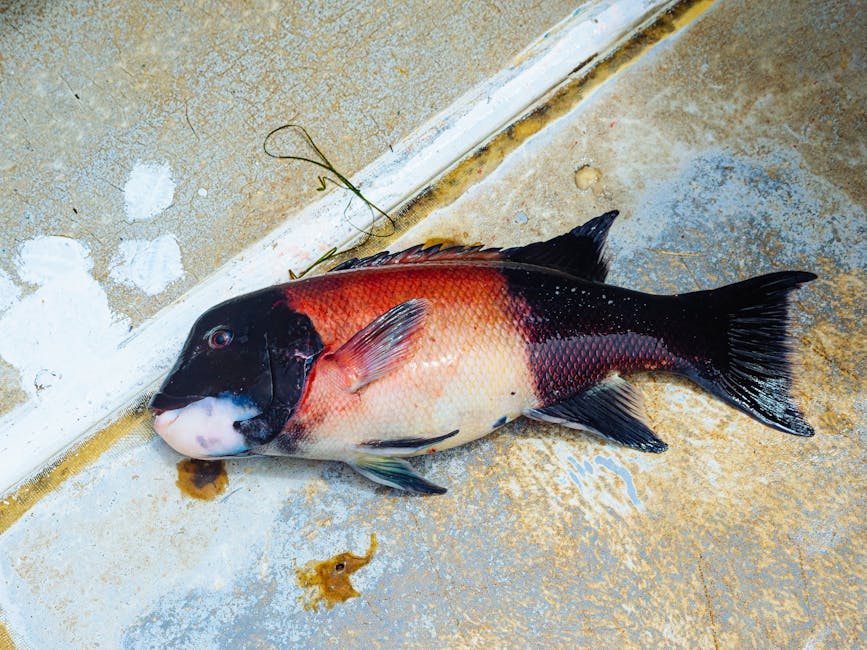 Small sharp hooks and light tackle are everything when sheepshead fishing. Heavy gear kills your bite detection and costs you fish.
Step-by-Step: How to Fish for Sheepshead
1. Find the Right Structure
Sheepshead live on structure. Period. They eat barnacles, crabs and small crustaceans that grow on hard surfaces. If there are no barnacles, there are no sheepshead.
Look for:
- Bridge pilings caked in barnacles (the more growth, the better)
- Rock jetties with crevices and tide pools
- Dock pilings in 4-15 feet of water
- Seawalls with oyster clusters
- Submerged concrete rubble or rip-rap
If you can see barnacle growth on the piling above the waterline, the underwater portion is loaded. That is where sheepshead feed.
2. Position and Drop
Get as close to the structure as you can without banging into it. If fishing from a dock, drop straight down along the piling. From a boat, position within casting distance and place your bait right against the structure.
Sheepshead feed inches from the piling. If your bait is 3 feet away, they will not swim out to get it. You need to be tight.
3. Detecting the Bite (The Hard Part)
This is where most anglers fail. Sheepshead do not slam the bait and run. They pick it up with those human-looking teeth, crush it and spit out the shell. What you feel on the rod tip is almost nothing.
Watch for:
- A tiny tick or tap (lighter than a bluegill bite)
- Your line going slightly slack (fish picked the bait up and swam toward you)
- The rod tip bending a quarter inch and bouncing back
- A sensation like your sinker shifted on the bottom
Keep your rod tip high and your line semi-tight. You need the rod in your hand with your finger on the line. Some days you feel the bite in the line before you feel it in the rod.
4. The Hookset
When you feel anything, set the hook. Do not wait for a solid pull because it will never come. A quick firm lift of the rod tip is all you need. Swing hard like you are setting on a redfish and you will pull the small hook right out of their bony mouth.
Think of it as a wrist snap, not a full hookset. Lift and reel. If you miss, drop the bait right back down. Sheepshead often give you a second chance.
5. What to Change After 10-15 Minutes With No Bites
- Check your bait. It might be gone. Sheepshead are notorious for cleaning hooks without you knowing.
- Downsize your hook. Go from a 1/0 to a size 2. Smaller profile means less for the fish to detect.
- Move to a different piling. Not all pilings hold fish. Try the next one over.
- Switch baits. If fiddler crabs are not working, try fresh-scraped barnacles from the piling itself.
- Reduce your weight. Drop from a 1/4-ounce sinker to a single split shot.
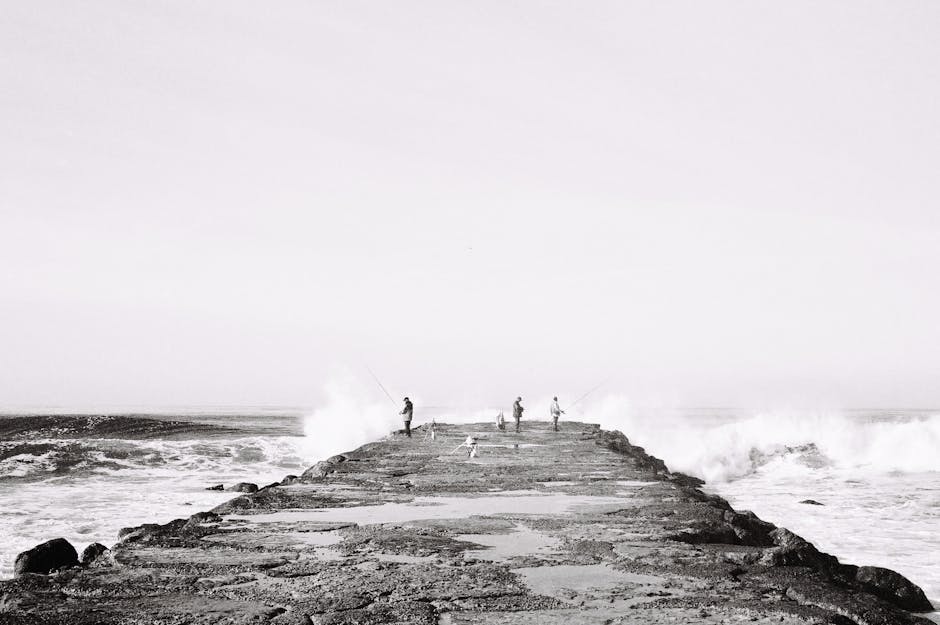 Drop your bait tight against barnacle-covered pilings. Sheepshead feed inches from the structure and will not chase bait into open water.
Decision Tree: Adjust for Conditions
If the water is clear (5+ feet visibility):
- Use fluorocarbon leader (not mono). Sheepshead get line-shy in clear water.
- Downsize to size 2 hooks.
- Let the bait fall naturally with minimal weight.
- Stay back from the structure. Your shadow spooks fish.
If the water is stained (1-3 feet visibility):
- Size 1/0 hooks are fine. Fish are less picky.
- Fresh-cut shrimp works well because they find it by smell.
- You can get closer to structure without spooking.
If current is strong:
- Switch to a Carolina rig with 1/4 to 1/2 ounce egg sinker to hold bottom.
- Shorten your leader to 12 inches to reduce tangles.
- Fish the downcurrent side of pilings where sheepshead sit out of the flow.
If current is slack:
- Use a single split shot or no weight at all.
- Let the fiddler crab sink naturally on a free line.
- Fish every piling because sheepshead roam more during slack tide.
If fishing from shore (jetty or seawall):
- Use a bobber rig to keep bait at the right depth.
- Set the float so bait hangs 6-12 inches off the bottom.
- Cast tight to the rocks and let current drift the bait along the structure.
Spot Playbook: Where Sheepshead Stack Up
Bridge Pilings (The Best Spot)
Bridges are sheepshead magnets. The pilings collect years of barnacle growth and the current funnels crustaceans right to the fish. During winter and spring, big sheepshead stack 10-20 fish per piling on major bridges.
Fish the upcurrent side first. Then try the downcurrent eddies where fish rest out of the flow. Work multiple pilings until you find the hot one.
Rock Jetties
Jetties hold sheepshead year-round because the rocks provide permanent habitat for barnacles and crabs. Fish tight to the rocks in crevices and pockets. The deeper side of the jetty usually holds bigger fish.
Dock Pilings and Seawalls
Residential docks in 4-15 feet hold sheepshead from fall through spring. Look for older docks with heavy barnacle growth. Newer pilings without growth will not hold fish. Seawalls with oyster clusters along the base are productive spots most anglers walk right past.
Oyster Bars and Reefs
Natural oyster bars attract sheepshead because of the small crabs and shrimp living in the shell clusters. Fish the edges where shell meets sandy bottom. Understanding how fish relate to structure is critical for finding these spots.
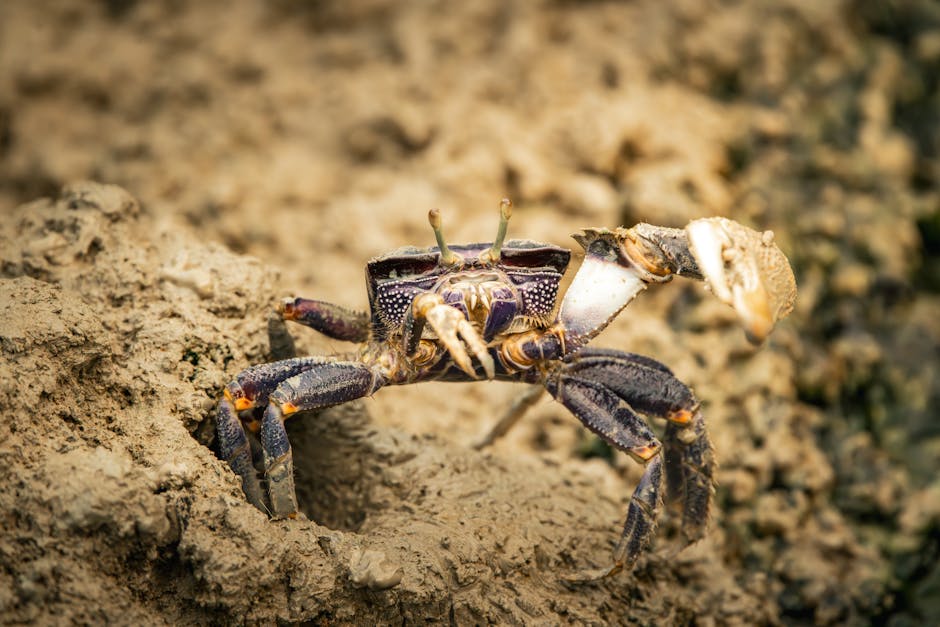 Jetties hold sheepshead year-round. Focus on the crevices and pockets between rocks where barnacles and small crabs collect.
Seasonal Patterns: When Sheepshead Bite Best
Winter (December - February): Prime time in the Gulf of Mexico. Sheepshead move inshore and stack up on structure for their spawning run. Bridge pilings and jetties hold the heaviest concentrations. Water temps drop into the 55-65 degree range and fish feed hard to build energy for the spawn. This is when you catch the biggest fish of the year.
Spring (March - April): Spawning peaks. Fish are still concentrated on structure but slightly more finicky. Post-spawn fish feed heavily as water warms. By late April they spread out.
Summer (May - August): Sheepshead disperse. Still around structure but in smaller numbers. Focus on deeper pilings and offshore reefs. Smaller fish remain inshore.
Fall (September - November): Fish begin moving back inshore as water cools. Numbers build on structure through November.
For anyone new to saltwater fishing fundamentals, sheepshead during winter are one of the most accessible and reliable species to target from shore.
Mistakes That Kill the Bite
- Using tackle that is too heavy. A medium-heavy rod with 30lb leader is built for redfish, not sheepshead. You cannot detect the bite. Go light.
- Setting the hook too late. Waiting for a solid thump means the fish already ate your bait and spit the hook. Set on the tick.
- Hooks that are too big. A 3/0 circle hook is overkill. Sheepshead have small mouths relative to their body. Size 1 to 1/0 is the sweet spot.
- Bait sitting too far from structure. Three feet off the piling might as well be three miles. Keep it tight against the barnacles.
- Not checking bait often enough. If you have not felt a bite in 5 minutes, reel up and check. Your hook is probably bare.
- Fishing the wrong tide. Slack tide produces far fewer bites than a moving incoming tide. Plan around the tide chart.
- Using a rod holder. Your rod needs to be in your hand. Sheepshead bites do not transfer through a rod holder and across the boat.
- Dull hooks. Those bony teeth and crushing plates will flatten a hook point fast. Check it after every fish and every few empty baits.
- Leaving your drag too tight. Sheepshead fight hard and make runs toward structure. A locked drag near pilings means a broken line.
- Ignoring the barnacle line. Fish where the growth is thickest, not where the piling is clean.
Want to track which pilings and tides produce bites? The Tackle app lets you log spots, conditions and catches so your next trip starts with real data. Download Tackle free.
Frequently Asked Questions
What is the best bait for sheepshead?
Live fiddler crabs are the top bait for sheepshead. Hook them through the leg joint on a small sharp hook (size 1 Owner Mosquito). Sand fleas and fresh-scraped barnacles are close seconds. Live shrimp catches sheepshead too but gets stolen faster because every other species wants it.
Why can't I feel sheepshead biting?
Sheepshead pick up bait with their front teeth and crush it between flat plates in the back of their mouth. The bite feels like a tiny tick or nothing at all. Use a light rod with a sensitive tip, hold it in your hand with your finger on the line and watch the rod tip. You will see bites you cannot feel.
What size hooks for sheepshead?
Size 1 to 1/0 short-shank hooks. Owner Mosquito hooks and Gamakatsu Live Bait hooks are the most popular. Avoid anything larger than 1/0 because sheepshead have small mouths and will reject a big hook. The hook must be razor sharp to penetrate their hard mouth.
When is the best time to catch sheepshead?
Winter and early spring (December through March) is peak sheepshead season in the Gulf. Fish concentrate on inshore structure during their spawning run. The best bite happens on an incoming tide during the first two hours of water movement. Early morning and late afternoon are slightly better than midday.
Can you catch sheepshead from shore?
Absolutely. Jetties, seawalls, fishing piers and docks are some of the best sheepshead spots. You do not need a boat. Drop a fiddler crab down a barnacle-covered piling at any public fishing pier and you are in business. Sheepshead are one of the most accessible species for beginning saltwater anglers.
1-Minute Action Plan
Rig to tie on:
- Size 1 Owner Mosquito hook on 18 inches of 15lb fluorocarbon leader
- Single BB split shot pinched 6 inches above the hook
- 10-15lb braid on a 7-foot medium-light spinning rod
Bait to bring:
- Live fiddler crabs (buy or catch at low tide on mud flats)
- Backup: sand fleas from the surf zone or fresh shrimp cut small
2 places to try first:
- Barnacle-covered bridge pilings on an incoming tide
- Rock jetty at a coastal inlet during morning hours
First approach:
- Drop bait straight down, tight against the piling
- Hold rod tip high, finger on the line
- Set the hook on any tick or change in pressure
One adjustment if no bites:
- Scrape barnacles off the piling into the water as chum, then drop your bait into the cloud
Your Sheepshead Logbook
Which pilings held fish. What tide stage produced bites. Whether fiddler crabs beat sand fleas at that spot. The Tackle app logs every detail so your next trip starts with data instead of guessing. Download Tackle free.
Next Steps: Keep Learning
- New to saltwater fishing? Start with fishing tips for beginners to build a strong foundation.
- Want to read structure better? Learn how to read water for fishing so you can find sheepshead on any shoreline.
- Looking for more inshore species? Check out our inshore fishing tips for redfish, trout and more.
- Just getting started? Read our fishing tips for beginners for the fundamentals.
Always Check Current Regulations
Sheepshead regulations vary by state and include size limits, bag limits and seasonal closures. Always check current regulations with your state fish and wildlife agency before fishing.
Regulations are subject to change. Tackle is not responsible for regulatory information. Always consult official government sources.

Tackle Team
The Tackle Fishing Team is a collective of anglers, data scientists, and fishing enthusiasts dedicated to making fishing more accessible and successful for everyone.
View profileSources Consulted
The following sources were consulted in creating this guide:
- Florida Fish and Wildlife Conservation Commission – myfwc.com (retrieved Mar 2026)
- Texas Parks and Wildlife - Sheepshead – tpwd.texas.gov (retrieved Mar 2026)
Note: Information is summarized and explained in our own words. Always verify current regulations with official sources.
Frequently Asked Questions
What is the best bait for sheepshead?
Live fiddler crabs are the top bait for sheepshead. Hook them through the leg joint on a small sharp hook (size 1 Owner Mosquito). Sand fleas and fresh-scraped barnacles are close seconds. Live shrimp catches sheepshead too but gets stolen faster because every other species wants it.
Why can't I feel sheepshead biting?
Sheepshead pick up bait with their front teeth and crush it between flat plates in the back of their mouth. The bite feels like a tiny tick or nothing at all. Use a light rod with a sensitive tip, hold it in your hand with your finger on the line and watch the rod tip. You will see bites you cannot feel.
What size hooks for sheepshead?
Size 1 to 1/0 short-shank hooks. Owner Mosquito hooks and Gamakatsu Live Bait hooks are the most popular. Avoid anything larger than 1/0 because sheepshead have small mouths and will reject a big hook. The hook must be razor sharp to penetrate their hard mouth.
When is the best time to catch sheepshead?
Winter and early spring (December through March) is peak sheepshead season in the Gulf. Fish concentrate on inshore structure during their spawning run. The best bite happens on an incoming tide during the first two hours of water movement. Early morning and late afternoon are slightly better than midday.
Can you catch sheepshead from shore?
Absolutely. Jetties, seawalls, fishing piers and docks are some of the best sheepshead spots. You do not need a boat. Drop a fiddler crab down a barnacle-covered piling at any public fishing pier and you are in business. Sheepshead are one of the most accessible species for beginning saltwater anglers.
Plan Your Next Fishing Trip
Download Tackle to compare tide charts, wind conditions, and practical fishing guidance for your location before you go.
✓ Real-time tide charts • ✓ Wind & weather forecasts • ✓ AI fish identification
See local regulations — Find regulations for your area
Want weekly fishing windows delivered to your inbox?
Get personalized fishing forecasts based on weather, tides, and moon phases.
RELATED CONTENT
KEEP READING