

Best for: All skill levels
What you need: Medium-action rod, 12-pound test line, assortment of lures, polarized sunglasses
DO THIS FIRST: Identify key structures like drop-offs and submerged vegetation where fish are likely to hide.
Quick Answer
- Lure/Bait Choice: Use a 1/4 oz jig with a soft plastic swimbait in natural colors for clear water.
- Where to Fish It: Target drop-offs and edges of weed beds, especially during change of tides.
- Retrieve Pattern: Employ a slow and steady retrieve with occasional pauses.
- Best Conditions: Fish early morning or late afternoon when light is low and fish are more active.
- Tide/Time/Wind: Optimal conditions include an incoming tide and mild breeze.
Get Personalized Fishing Advice
Want real-time conditions for your exact location? Tackle provides live tide data, wind forecasts, and AI-powered fishing advice tailored to where you fish.
✓ Real-time tide charts • ✓ Wind & weather forecasts • ✓ AI fish identification
Tackle Box Snapshot
For a grab-and-go setup, consider the following:
- Lures/Baits: Zoom Super Fluke (watermelon red), Rapala X-Rap (silver), and Z-Man ChatterBait (white).
- Hook/Jig Weights: Use 1/4 oz jigs for depths up to 10 feet, switch to 1/2 oz for deeper waters.
- Line/Leader Setup: 12-pound fluorocarbon line with a 20-pound monofilament leader.
- Retrieve Patterns: For the Super Fluke, use a twitch-twitch-pause pattern. With the ChatterBait, retrieve steadily with occasional speed ups.
- Target Depth/Structure: Focus on 5-15 feet depths near submerged structures.
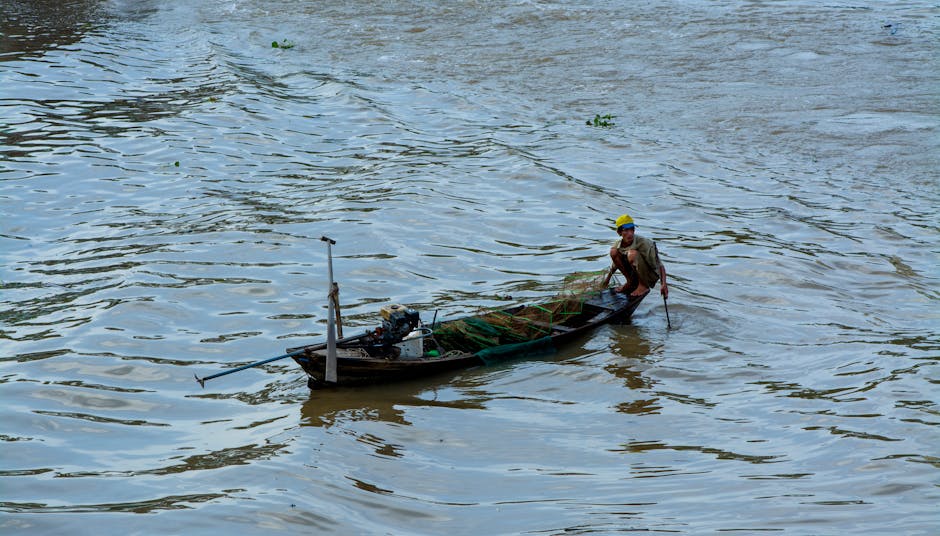 Caption describing the complete setup and scenarios it covers
Step-by-Step
- Where to Start: Begin by focusing on structures such as weed lines and submerged logs. Position yourself 20 feet away to avoid spooking the fish.
- First Casts: Cast at a 45-degree angle to the structure, aiming for a 25-foot distance to cover more water.
- Retrieve Cadence: Feel for subtle taps or resistance. Maintain a steady retrieve with short pauses every 5 seconds.
- Hookset and Landing Tips: Set the hook with a sharp upward motion when you feel a definite tug. Maintain tension to avoid losing the fish.
- What to Change: After 10-15 minutes with no bites, switch to a different color lure or try a deeper part of the water.
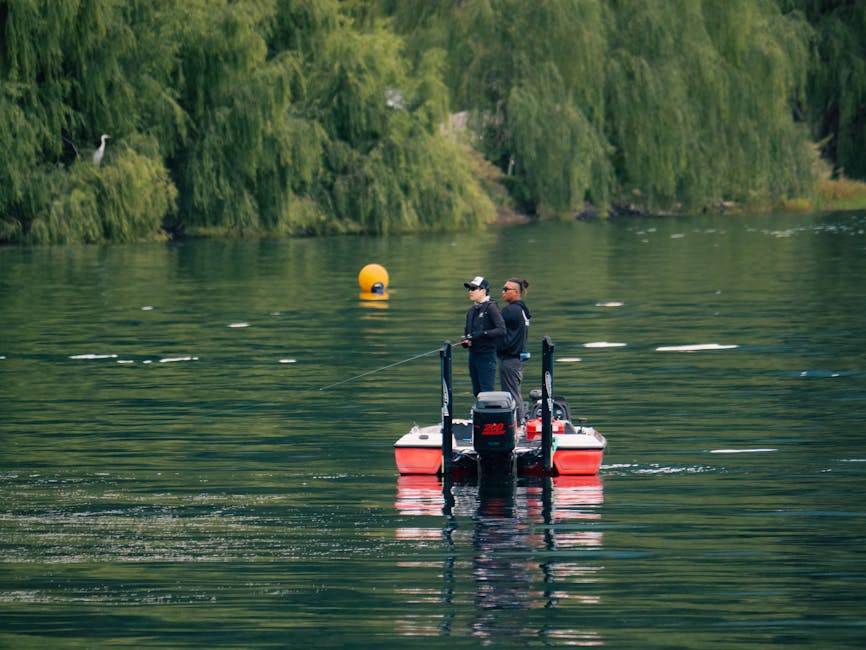 Caption explaining the technique and why it matters
Decision Tree
- If Water is Clear: Use natural colors like green pumpkin. Slow down your retrieve to maintain the lure in the strike zone longer.
- If Water is Stained: Bright colors such as chartreuse or orange work best. Increase retrieve speed slightly to create vibration.
- If Windy: Opt for heavier lures to maintain control. Cast downwind to achieve greater distance.
- If Cold Front/Pressure Drop: Fish will be less active; use smaller baits and fish deeper.
- If Bait is Present: Match the hatch by using similar-sized lures. Slow your retrieve to mimic injured prey.
- If No Bait Visible: Focus on reaction baits like crankbaits to provoke strikes.
Spot Playbook
Fish are often found around structures such as docks, submerged trees, and rocky shorelines. In these areas, fish typically stage along edges and drop-offs. When approaching these spots, use stealth to avoid spooking fish. Maintain a distance of 15-20 feet and cast parallel to these structures. The strike zone usually extends about 5 feet from the structure, so ensure your lure stays in this area. These same water-reading skills apply to species like carp that feed along bottom transitions. For more, check out how to catch carp.
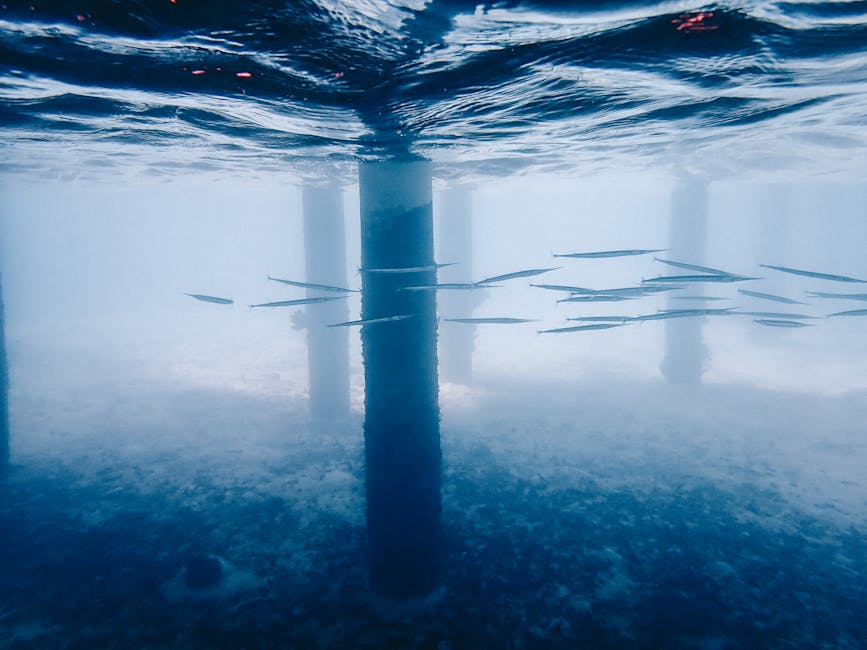 Caption with depth, conditions, and when to target this spot
Mistakes That Kill the Bite
- Too Fast Retrieve: Fish may not be able to catch up, resulting in missed opportunities.
- Wrong Depth: Failing to reach the depth where fish are holding can lead to a fishless day.
- Noisy Approach: Loud footfalls or boat noise can spook fish, pushing them away.
- Working Lure Too Much: Overworking your lure can appear unnatural and deter fish.
- Wrong Angle to Current: Presenting the lure against the current can look unnatural.
- Not Pausing Long Enough: Fish often strike during a pause; skipping this can mean missed bites.
- Changing Spots Too Quickly: Fish might be in the area but need more time to engage.
- Setting Hook on Topwater Explosion: Reacting too quickly can pull the lure away.
- Fishing Wrong Tide Stage: Fish movements are tide-dependent; wrong timing means no bites.
- Using Dull Hooks: Dull hooks reduce the chance of a successful hookset.
- Leader Too Short: A short leader can make fish wary, reducing bites.
- Ignoring Shadow Lines: Fish often hide in shadows; ignoring these means missing potential hotspots.
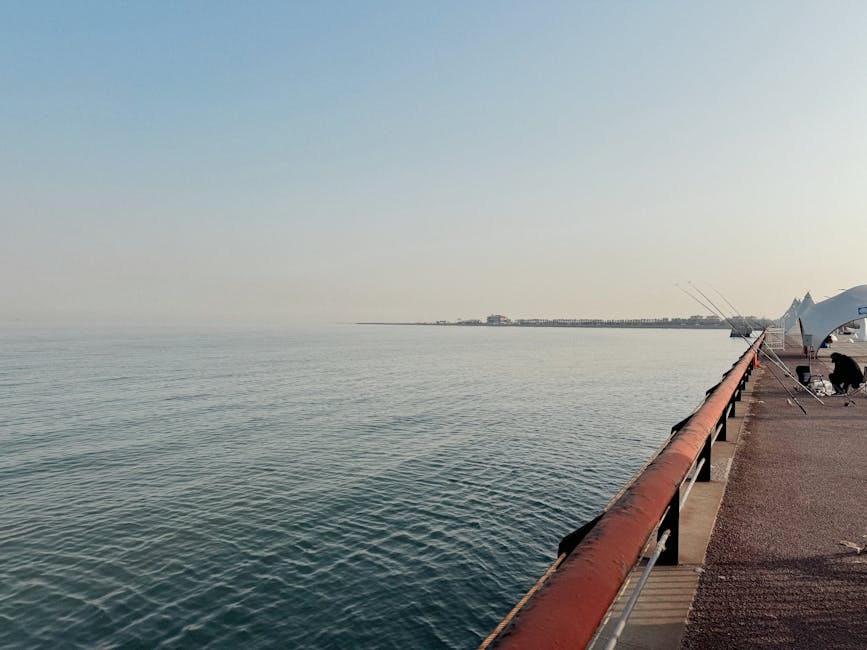 Caption highlighting successful technique or important detail
Frequently Asked Questions
How do you catch fish in different water conditions?
Adapt your lure choice and retrieval speed based on water clarity and temperature. In clear water, opt for natural colors; in murky water, brighter colors can help attract fish.
What is the best way to fish for fish in shallow waters?
Use topwater lures like the Heddon Zara Spook early in the morning or late evening for surface strikes. Cast near vegetation or overhanging structures.
When is the best time to catch fish?
Dawn and dusk are prime times due to lower light levels. Additionally, the day before or after a weather change can increase activity levels.
Where do fish hide during the day?
Fish often seek cover under docks, overhanging tree branches, or within dense vegetation to avoid predators and sunlight.
What bait works best for fish in deep water?
Jigs and soft plastics like Berkley PowerBait in darker colors are effective for deep water as they can be presented slowly and at precise depths.
1-Minute Action Plan
- Rig to Tie On: Set up with a 1/4 oz jig and a Zoom Super Fluke in watermelon red.
- 2 Places to Try First: Start at the edge of weed beds and near submerged logs.
- First Retrieve Cadence: Use a twitch-twitch-pause pattern for the first 10 casts.
- One Adjustment if No Bites: Swap to a brighter lure like a white ChatterBait.
Ready to catch more fish? Download the Tackle app to log your catches, track patterns, and discover hot spots near you.
Next Steps: Keep Learning
- If you're fishing mangroves next, check our fishing tips for beginners.
- If you need the right rod setup, read our guide on how to choose fishing line.
- If you're targeting bass, explore our best bass lures recommendations.
Always Check Current Regulations
Fishing regulations vary by location and change regularly. Always verify current rules with local authorities before fishing. Check the official FWC site for updates.
Sources:

Tackle Team
The Tackle Fishing Team is a collective of anglers, data scientists, and fishing enthusiasts dedicated to making fishing more accessible and successful for everyone.
View profileSources Consulted
The following sources were consulted in creating this guide:
- Fishing Research – www.tackleapp.ai (retrieved Jan 2026)
Note: Information is summarized and explained in our own words. Always verify current regulations with official sources.
Frequently Asked Questions
How do you catch fish in different water conditions?
Adapt your lure choice and retrieval speed based on water clarity and temperature. In clear water, opt for natural colors; in murky water, brighter colors can help attract fish.
What is the best way to fish for fish in shallow waters?
Use topwater lures like the Heddon Zara Spook early in the morning or late evening for surface strikes. Cast near vegetation or overhanging structures.
When is the best time to catch fish?
Dawn and dusk are prime times due to lower light levels. Additionally, the day before or after a weather change can increase activity levels.
Where do fish hide during the day?
Fish often seek cover under docks, overhanging tree branches, or within dense vegetation to avoid predators and sunlight.
What bait works best for fish in deep water?
Jigs and soft plastics like Berkley PowerBait in darker colors are effective for deep water as they can be presented slowly and at precise depths.
Plan Your Next Fishing Trip
Download Tackle to compare tide charts, wind conditions, and practical fishing guidance for your location before you go.
✓ Real-time tide charts • ✓ Wind & weather forecasts • ✓ AI fish identification
See local regulations — Find regulations for your area
Want weekly fishing windows delivered to your inbox?
Get personalized fishing forecasts based on weather, tides, and moon phases.
RELATED CONTENT
KEEP READING