

A popper fishing lure does one thing better than any other bait in your box: it makes fish lose their minds. The cupped face catches water, throws a spray forward and sends out a sound pulse that pulls fish from 20 feet away. When a bass or redfish finally commits, the strike happens right in front of you. Nothing in fishing compares.
If you have been throwing topwater lures like buzzbaits or walking baits, poppers give you something different. Precision. Control. The ability to park a bait on a single spot and make a fish come to you.
Best for: Beginner to Intermediate | What you need: Medium power rod, 12-15lb monofilament, a popper lure, calm to light wind conditions
Do this first: Tie on a Rebel Pop-R in bone or chrome. Cast it past a dock, laydown or grass edge. Pop it twice with short rod twitches. Let it sit for three full seconds. Pop it again. That pause is where the magic happens.
Quick Answer: Popper Fishing Lure Basics
- What: A hard-bodied topwater lure with a concave (cupped) face that spits water and creates a popping sound on each twitch.
- When: Low light periods. Dawn, dusk, overcast days. Water temp 60F and above.
- Where: Shallow water under 6 feet. Docks, grass edges, mangroves, shoreline structure.
- Retrieve: Pop-pause-pop. Short twitches on semi-slack line. Vary the pause length.
- Species: Largemouth bass, smallmouth bass, snook, redfish, striped bass, peacock bass, speckled trout.
- The rule: Set the hook when you feel weight, not when you see the splash.
Get Personalized Fishing Advice
Want real-time conditions for your exact location? Tackle provides live tide data, wind forecasts, and AI-powered fishing advice tailored to where you fish.
✓ Real-time tide charts • ✓ Wind & weather forecasts • ✓ AI fish identification
Tackle Box Snapshot
- Classic popper: Rebel Pop-R (bone, chrome/blue, frog) - the standard that has caught more bass than most anglers can count
- Premium popper: Megabass PopMax - incredible action, louder spit, stays in the strike zone longer
- Compact popper: Heddon Super Spook Jr. Pop - great for short casts and smaller fish
- Saltwater crossover: Yo-Zuri 3DB Popper - tough enough for redfish and snook
- Budget pick: Rapala Skitter Pop - solid action, available everywhere
- Line: 12-15lb monofilament (floats and has the right stretch for treble hook baits)
- Rod: 6'6" to 7' medium power, moderate-fast action
- Reel: Baitcaster or spinning, 6.3:1 gear ratio
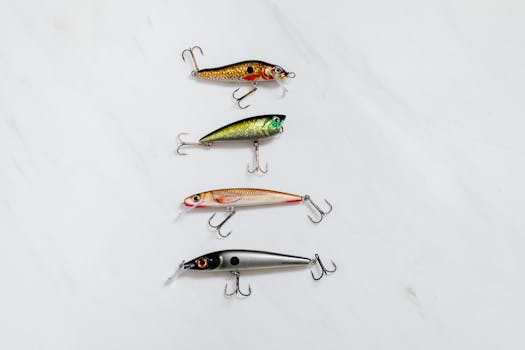 Notice the cupped face on each popper. That concave mouth is what creates the pop and spray. Deeper cups make louder pops for stained water and windy days.
What Makes a Popper Different From Other Topwater Lures
Every topwater lure creates surface disturbance. What separates a popper fishing lure from a walking bait or buzzbait is control.
A buzzbait sinks the moment you stop reeling. A walking bait covers ground in a zigzag. A popper sits still. You pop it, it spits water, then it floats there sending rings across the surface while a fish decides whether to eat it. That ability to stay in one spot is the popper's greatest weapon. When you know a fish is under a dock or beside a stump, you can park a popper right on top of it.
The cupped face creates a sharp, percussive pop followed by silence. That rhythm imitates a baitfish feeding on the surface or a shrimp kicking. It sounds nothing like a lipless crankbait or a prop bait. Predators recognize it instantly.
Types of Popper Lures
Standard Poppers (Rebel Pop-R, Rapala Skitter Pop)
The classic design. Cylindrical body with a cupped mouth, two treble hooks and a dressed tail. These run 2 to 4 inches and weigh 1/4 to 3/8 ounce. Best for calm water and subtle presentations. The Pop-R has a tight side-to-side action that mimics a wounded shad.
Large Profile Poppers (Megabass PopMax, Jackall SK-Pop Grande)
Bigger body, louder spit, more water displacement. These 3 to 4 inch poppers throw water several feet and pull fish from farther away. The Megabass PopMax is the gold standard. Its weight transfer system gives incredible casting distance and the action out of the box is perfect.
Chuggers (Heddon Chug'n Spook, Storm Chug Bug)
Wider, blunter face than traditional poppers. They push more water and create a deep "chug" rather than a sharp pop. Use chuggers when you need to call fish from distance. Windy days, stained water, open flats. Also excellent for saltwater species like snook and redfish.
Micro Poppers (Rebel Teeny Pop-R, Yo-Zuri 3DS Popper)
Scaled-down versions in the 1.5 to 2 inch range. Perfect for panfish, small bass and creek fishing. Pair them with light spinning gear and 6-8lb line.
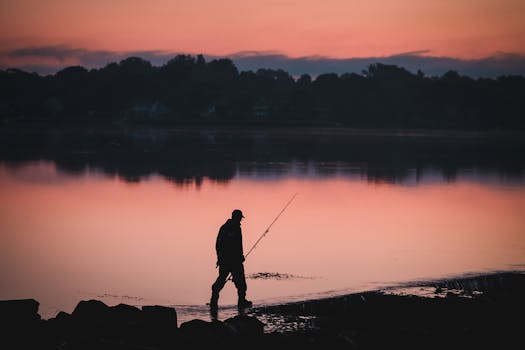 Work your popper parallel to grass edges rather than casting over them. This keeps the bait in the strike zone for the entire retrieve.
How to Retrieve a Popper: 4 Techniques That Produce
1. The Classic Pop-and-Pause
Your starting point. Cast past your target. Let the rings settle. Give a short, sharp downward twitch. The popper spits water forward. Now wait two to four seconds. Pop again. Repeat.
The pause is everything. Fish commit during the silence, not during the pop. If you keep popping without stopping, bass will follow but never eat.
2. The Walk-and-Pop
Some poppers, especially the Megabass PopMax and Rebel Pop-R, can be walked side-to-side while popping on each twitch. Quick wrist snaps on semi-slack line. The bait zigzags and spits at the same time. Great for covering water over flats or along long shorelines.
3. The Dead Pop
Cast to a specific spot. A dock piling. A stump. A hole in the grass. Pop it once. Then do nothing for 10, 15, even 30 seconds. Pop once more. Wait again.
This drives pressured fish crazy. Bass on busy lakes learn to ignore constant surface noise. A single pop followed by long silence is something they have not seen before. The fish that eat on a dead pop are usually the biggest ones around.
4. The Rapid Fire
Pop-pop-pop-pop with no pause. Fast, aggressive twitches that throw water and create a commotion. Use this when fish are schooling or when largemouth bass are chasing shad in the shallows. Pure aggression.
Best Conditions and Times for Popper Fishing
Time of Day
- First light to two hours after sunrise: Prime time. Fish are shallow and feeding.
- Last hour before dark: The evening feed. Sometimes better than morning.
- Overcast all day: Cloud cover extends the window. Throw poppers sunrise to sunset.
- Night: Black poppers work after dark. Fish find them by sound and silhouette.
Water Conditions
- Calm to light ripple: Ideal. The pop and rings travel farther.
- Light chop: Switch to a chugger to punch through surface noise.
- Heavy wind: Put the popper away. Switch to a buzzbait or spinnerbait.
Water Temperature
- Below 55F: Skip poppers. Fish won't commit to surface strikes.
- 55-65F: Slow way down. Long pauses, gentle pops.
- 65-80F: Sweet spot. Peak popper season.
- Above 80F: Still works early and late. Fish may short-strike in extreme heat.
Water Clarity
- Clear water: Natural colors (bone, shad, ghost). Subtle pops.
- Stained water: Chartreuse, firetiger, bright patterns. Louder pops.
- Muddy water: Dark colors (black, black/chartreuse). Aggressive popping with a chugger.
If This, Do That
- Fish are blowing up but missing the popper -- Downsize to a smaller model. They are keyed on small bait.
- Follows but no commits -- Add a longer pause. Let the popper sit until the rings disappear completely.
- No action on calm water -- Try the dead pop technique. One pop, 20-second wait.
- Windy and choppy -- Switch to a chugger or upsize your popper. More noise cuts through.
- Fish swirl but won't eat -- Change colors. Go darker in low light, brighter in stained water.
- Surface activity but nothing on the popper -- Match the bait size. If fish are eating tiny shad, a full-size popper looks wrong.
Species That Crush Poppers
Poppers are not just a bass lure. Almost every predator that feeds shallow will eat a popper if you put it in the right spot.
- Largemouth bass: The top popper target. Shallow cover, docks, grass, laydowns.
- Smallmouth bass: Rocky shorelines, current seams, points. Violent strikes.
- Snook: Mangrove edges, dock lights, seawalls. Pop a Yo-Zuri 3DB along a shadow line at dusk.
- Redfish: Grass flats, oyster bars, shoreline points. A chugger across a flat at sunrise is deadly.
- Striped bass: Schooling fish on the surface. Rapid-fire retrieve into breaking fish.
- Speckled trout: Grass flats in 2-4 feet. Light pops with long pauses.
- Peacock bass: South Florida canals. Aggressive pops. Peacocks hit poppers harder than any freshwater fish.
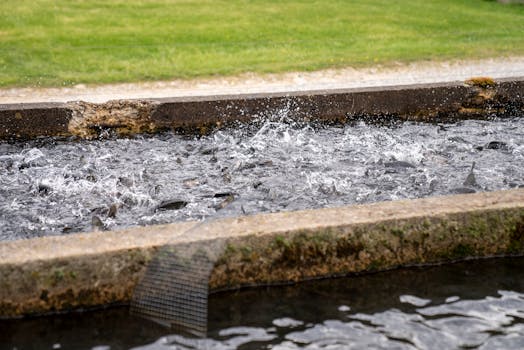 When a bass commits to a popper, the strike is unmistakable. Wait until the fish pulls the rod down before setting the hook.
Gear Setup for Popper Fishing
Rod
6'6" to 7' medium power with a moderate to moderate-fast tip. The softer tip prevents you from ripping treble hooks out of the fish's mouth. A stiff, fast-action rod is terrible for poppers.
Reel
Baitcasters give better accuracy for placing poppers tight to structure. Spinning reels work for open water and lighter poppers. Gear ratio between 6.3:1 and 7.1:1.
Line
Monofilament (12-15lb): Best choice for freshwater poppers. Mono floats, keeping your line out of the water and improving the action. The stretch absorbs the hookset, which matters with treble hooks.
Braided line (20-30lb) with fluorocarbon leader: For saltwater popper fishing where you need backbone for snook and redfish.
Fluorocarbon: Not ideal as main line. It sinks and pulls the nose down, killing the action. Use as leader only.
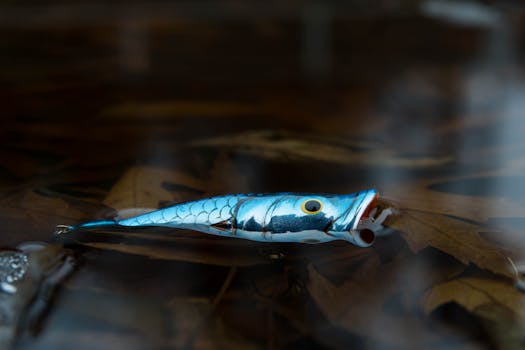 Monofilament is the go-to line for popper fishing. It floats, stretches on the hookset and lets the bait work the way it was designed.
Hook Upgrades
Upgrading to Owner ST-36 or Gamakatsu Round Bend trebles one size smaller than stock increases your hookup rate on short strikes.
5 Common Mistakes That Kill the Popper Bite
-
Popping too hard. A popper does not need to throw water 5 feet. Short, subtle pops that send a spray 6 to 12 inches are more natural. Loud, violent pops spook fish in clear, calm water. Save the aggression for stained water and windy days.
-
No pause between pops. This is the biggest one. New popper anglers pop-pop-pop-pop without ever letting the bait sit. The pause sells the bait. Fish eat during the pause. Force yourself to count to three between pops until you find the rhythm the fish want.
-
Setting the hook on the explosion. When a 4-pound bass blows up on your popper, every nerve in your body says swing. Do not. Wait a full second until you feel the weight of the fish loading the rod. Then sweep the rod to the side. Swinging on the splash pulls the bait away from the fish nine times out of ten.
-
Fishing poppers in heavy wind. Poppers need calm to lightly rippled water to work properly. Whitecaps drown out the pop and the spray. If the wind picks up, switch to a louder bait like a buzzbait or a Whopper Plopper.
-
Using the wrong line. Fluorocarbon sinks the nose and ruins the action. Monofilament in the 12-15lb range is the answer for freshwater popper fishing. It floats, it stretches and it lets the bait work properly.
Track What Works With Tackle
The biggest variable in popper fishing is the pause. Some days fish want two seconds between pops. Other days they want ten. The Tackle app lets you log conditions, retrieve cadence and results so you can spot patterns over time instead of guessing.
Download Tackle and start building your popper playbook.
FAQs
What is the best popper lure for bass?
The Rebel Pop-R is the most proven popper for largemouth bass. It has been catching fish for decades and the action is reliable right out of the package. The Megabass PopMax is the premium upgrade with better casting distance and a louder spit. Start with the Pop-R and move up if you get hooked on popper fishing.
Can you use popper lures in saltwater?
Absolutely. Poppers are excellent for snook, redfish, speckled trout and striped bass. Use a Yo-Zuri 3DB Popper or similar saltwater-rated model with corrosion-resistant hooks. Pair it with 20-30lb braid and a 20lb fluorocarbon leader. Saltwater fish hit poppers just as hard as bass.
What color popper works best?
Bone or white for clear water, chartreuse or firetiger for stained water and black for low light or night fishing. When in doubt, bone is the most versatile popper color across all conditions. It imitates a shad belly from below and shows up well against the sky.
How do you pop a popper lure correctly?
Point your rod tip down toward the water. Give a short, sharp twitch of the wrist. The rod tip moves 6 to 8 inches. That is enough to make the popper spit. The most common mistake is pulling too hard and moving the bait too far. Keep the pops short and let the cupped face do the work.
When is the best time to throw a popper?
Dawn and dusk are the prime windows when fish are actively feeding in shallow water. Overcast days extend the bite all day. Water temperature above 65F is ideal. Calm to lightly rippled water gives you the best presentation. Skip poppers in heavy wind or cold water below 55F.
1-Minute Action Plan
- Rig: Rebel Pop-R in bone on 12lb monofilament, 6'6" medium rod.
- Where: Shallow shoreline with visible cover. Docks, grass edges or laydowns in 2-5 feet.
- When: First light or last light. Calm water.
- Retrieve: Pop. Count to three. Pop-pop. Count to three. Repeat.
- No bites after 10 casts? Add a longer pause. Let the bait sit for 10 seconds between pops.
- Still nothing? Switch to a walk-and-pop retrieve to cover more water.
Next Steps
- Want the full breakdown on every surface bait? Read how to use topwater lures for buzzbaits, frogs and walking baits.
- Targeting largemouth specifically? Our how to catch largemouth bass guide covers seasonal patterns and structure.
- Fishing inshore salt? Learn how to catch snook and how to catch redfish with poppers and other proven lures.
- Need a subsurface option when topwater shuts down? See how to use crankbaits for the complete guide.
Sources
- Wired2Fish - Popper Fishing Guide
- Bassmaster - Topwater Popper Techniques
- In-Fisherman - Surface Lure Strategies
- Bass Resource - Fishing With Poppers
Regulations change. Always check local rules before fishing.

Tackle Team
The Tackle Fishing Team is a collective of anglers, data scientists, and fishing enthusiasts dedicated to making fishing more accessible and successful for everyone.
View profileSources Consulted
The following sources were consulted in creating this guide:
- Wired2Fish – www.wired2fish.com (retrieved Mar 2026)
- Bassmaster – www.bassmaster.com (retrieved Mar 2026)
- In-Fisherman – www.in-fisherman.com (retrieved Mar 2026)
- Bass Resource – www.bassresource.com (retrieved Mar 2026)
Note: Information is summarized and explained in our own words. Always verify current regulations with official sources.
Frequently Asked Questions
What is the best popper lure for bass?
The Rebel Pop-R is the most proven popper for largemouth bass. It has been catching fish for decades and the action is reliable right out of the package. The Megabass PopMax is the premium upgrade with better casting distance and a louder spit. Start with the Pop-R and move up if you get hooked on popper fishing.
Can you use popper lures in saltwater?
Absolutely. Poppers are excellent for snook, redfish, speckled trout and striped bass. Use a Yo-Zuri 3DB Popper or similar saltwater-rated model with corrosion-resistant hooks. Pair it with 20-30lb braid and a 20lb fluorocarbon leader.
What color popper works best?
Bone or white for clear water, chartreuse or firetiger for stained water and black for low light or night fishing. When in doubt, bone is the most versatile popper color across all conditions.
How do you pop a popper lure correctly?
Point your rod tip down toward the water. Give a short, sharp twitch of the wrist. The rod tip moves 6 to 8 inches. That is enough to make the popper spit. The most common mistake is pulling too hard and moving the bait too far. Keep the pops short and let the cupped face do the work.
When is the best time to throw a popper?
Dawn and dusk are the prime windows when fish are actively feeding in shallow water. Overcast days extend the bite all day. Water temperature above 65F is ideal. Calm to lightly rippled water gives you the best presentation. Skip poppers in heavy wind or cold water below 55F.
Plan Your Next Fishing Trip
Download Tackle to compare tide charts, wind conditions, and practical fishing guidance for your location before you go.
✓ Real-time tide charts • ✓ Wind & weather forecasts • ✓ AI fish identification
See local regulations — Find regulations for your area
Want weekly fishing windows delivered to your inbox?
Get personalized fishing forecasts based on weather, tides, and moon phases.
RELATED CONTENT
KEEP READING