

Learn how to find, fool and land snook in every Florida scenario from backwater mangroves to open beach surf.
Best for: Beginner to intermediate inshore anglers targeting snook in Florida What you need: 7ft medium-heavy spinning rod, 20lb braid, 30lb fluorocarbon leader, soft plastics or live bait
DO THIS FIRST: Find a mangrove shoreline with 2-4 feet of water on the last two hours of an incoming tide. Tie on a white 3-inch DOA shrimp with a 1/4oz jig head. Cast tight to the roots and let it sink for three seconds. Twitch it twice and pause. Most snook will eat it on the pause. That single setup catches more snook than anything else in this guide.
Quick Answer: How to Catch Snook
Here is what works across Florida right now:
- Best artificial: DOA shrimp (white or root beer) on 1/4oz jig head. Cast to mangrove edges, docks or bridge shadows on moving tide. Twitch-pause retrieve.
- Best live bait: Freelined pilchards or greenbacks near structure. Let the bait swim naturally. Snook cannot ignore a live pilchard bumping along a mangrove edge.
- Best structure: Mangrove shorelines, bridge pilings, dock lights at night, inlet jetties and beach troughs during summer spawn.
- Best conditions: Dawn or dusk during moving tide (incoming or outgoing). Water temperature between 70-85F. Light wind. Moon phases with stronger tides produce more bites.
- Gear: 7ft medium-heavy spinning rod, 3000-4000 size reel, 20lb braid, 25-30lb fluorocarbon leader (30 inches minimum).
Get Personalized Fishing Advice
Want real-time conditions for your exact location? Tackle provides live tide data, wind forecasts, and AI-powered fishing advice tailored to where you fish.
✓ Real-time tide charts • ✓ Wind & weather forecasts • ✓ AI fish identification
Tackle Box Snapshot (Copy This Setup)
Lure Options (Pick 3-5):
- DOA Shrimp 3" (white, root beer, glow)
- White paddle tail on 1/4oz jig head (Z-Man MinnowZ or Vudu Shrimp)
- Rapala Skitter Walk or Heddon Zara Spook (bone, silver)
- MirrOlure MR-17MR (gold/black back)
- DOA CAL Jerkbait 4" (white, pearl)
Live Bait (When Available):
- Pilchards (scaled sardines) - the #1 snook bait in Florida
- Greenbacks (threadfin herring)
- Live shrimp on a #1/0 circle hook
- Small pinfish (4-5 inches) for big snook near passes
Jig Head Weights:
- Shallow mangroves (1-3ft): 1/8oz
- Docks and seawalls (3-6ft): 1/4oz
- Bridges and passes (6ft+): 3/8-1/2oz
Line Setup:
- Main: 20lb braid (PowerPro or Suffix 832)
- Leader: 25-30lb fluorocarbon, 30" minimum length
- Connection: Double uni knot or FG knot
Target Depth: 1-8 feet depending on structure. Snook sit on bottom and strike upward.
This setup covers everything from skinny backwater mangroves to deep bridge pilings. Carry a few DOA shrimp and some live bait and you can fish all day without running out of options.
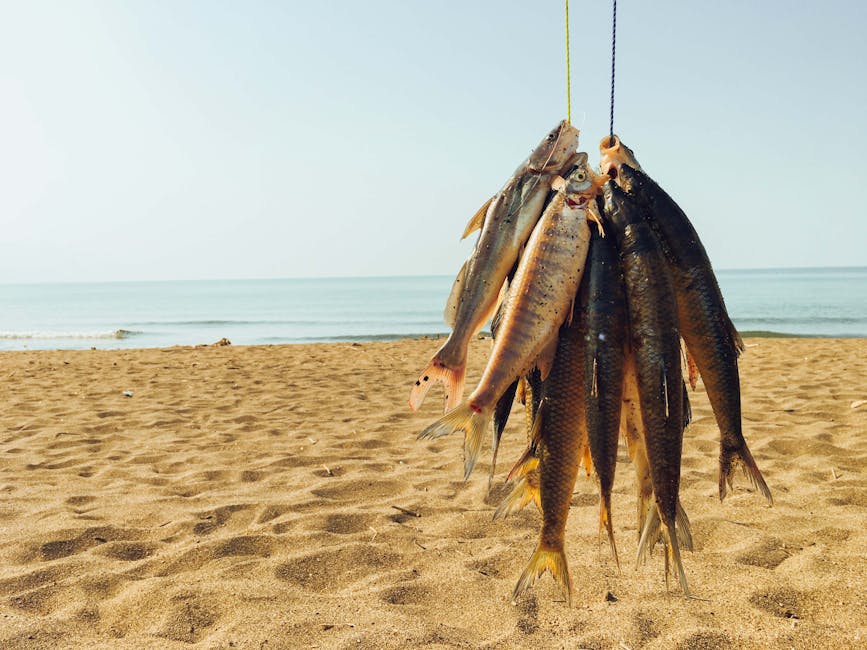 Soft plastics and a handful of jig heads cover 80% of snook situations. Add live bait when conditions allow and you are set for any shoreline in Florida.
Understanding Snook Behavior
Snook are structure-oriented ambush predators. They do not cruise open water hunting for food. They pin themselves to mangrove roots, bridge pilings, dock pilings and oyster bars, face into the current and wait for bait to drift past. Find the structure and you find the fish.
Temperature sensitivity is the biggest factor most anglers underestimate. Snook shut down below 60F and can die below 55F. They feed aggressively between 70-85F. In winter they stack up in warm water refuges like deep residential canals and power plant outflows. In summer they push to beaches and inlets to spawn when water hits 80F+.
Low light preference. Snook feed hardest at dawn, dusk and through the night. Midday fishing works but stick to shade lines and slower presentations.
Step-by-Step: How to Catch Snook
1. Find the Right Structure
Before you make a cast, read the water. Look for these setups:
- Mangrove edges with 2-6 feet of water and visible root tangles below the waterline
- Points where mangrove shoreline juts out into a channel or flat
- Bridge pilings with visible current pushing past them
- Dock pilings casting shadow lines on the water
- Oyster bars with deeper water on the edges
- Beach troughs (summer only) where waves cut channels parallel to shore
The best spots have structure plus current plus depth change. All three together is a snook magnet. For a deeper breakdown on identifying productive water, check out our guide on how to read water for fishing.
2. Position Yourself
Stay 30-50 feet from your target. Snook spook fast in shallow water. Approach from the downcurrent side and keep your shadow off the water.
3. Make Your First Casts Count
Cast parallel to structure. Not at it. Not away from it. Parallel. For mangroves, put your bait 6-12 inches from the roots and retrieve along the edge. For bridges, cast upcurrent and let the tide sweep your bait to the pilings. Your first cast to a spot is your best shot.
4. Work Your Retrieve
Artificials: Two twitches of the rod tip, pause 2-3 seconds. Repeat. Most strikes come on the pause. Set the hook with a hard side-sweep.
Live bait: Freeline a pilchard or greenback with no weight. Hook it through the nose and let it swim toward structure. When the line starts moving, reel tight and swing.
5. Land the Fish
Snook run for structure immediately after the hookset. Apply heavy side pressure to turn the fish away from roots and pilings. Keep steady pressure and let the drag work. Lip the fish with a wet hand or use a rubber-coated net.
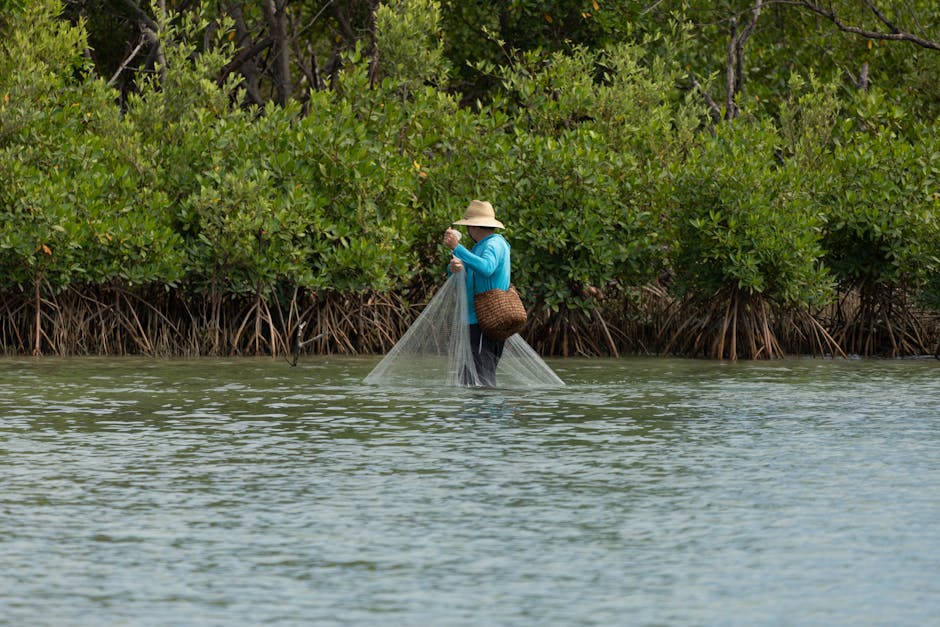 Cast parallel to the mangrove edge and keep your bait within 12 inches of the roots. Snook will not chase far from cover during daylight hours.
Decision Tree: Adjust for Conditions
If water is clear (5+ feet visibility):
- Natural colors (white, pearl, root beer)
- Longer leader (36-40 inches), lighter jig heads
- Stay farther from the fish (40+ feet)
If water is stained (under 3 feet):
- Chartreuse, pink or glow colors
- Add scent to soft plastics. Fish tighter to structure
If the tide is ripping:
- Heavier jig heads (3/8-1/2oz) to stay in the strike zone
- Fish the downcurrent side of pilings and points
If the tide is slack:
- Switch to topwater. A Rapala Skitter Walk at dawn produces explosive strikes
- Focus on deeper structure where snook hold during dead tide
If water temperature drops below 65F:
- Find warm water. Canals, basins, power plant discharges
- Slow everything down. Midday is better than dawn in cold water
Spot Playbook: Where Snook Live by Season
Mangrove Shorelines (Year-Round, Peak Spring and Fall)
Mangroves are the bread and butter of snook fishing. Look for shorelines where roots extend into 2-6 feet of water. Points where the mangrove line juts into a channel are the highest percentage spots. Fish the last two hours of incoming tide when bait gets pushed into the roots.
Bridges and Passes (Year-Round, Peak Summer and Winter)
Bridges funnel current and create shadow lines that snook use for ambush feeding. Fish the downcurrent side of pilings with jigs, DOA shrimp or live pinfish. Night fishing under bridge lights is one of the most productive methods in saltwater fishing.
Inlets and Jetties (Spring Through Fall)
During the summer spawn, snook stage in inlets and along jetty rocks. Fish the outgoing tide with live pilchards or white paddle tails bounced along the bottom. When you catch one there are usually more. Tarpon often stage in the same passes, so read our how to catch tarpon guide if you see silver kings rolling nearby.
Beaches and Surf (Summer Spawn, June Through September)
Snook move to the surf zone to spawn from late May through September. Walk the beach at first light and look for bait schools and cuts in the sandbar. Cast DOA shrimp, white paddle tails or MirrOlure plugs into the troughs. If you are offshore and spot dolphin while running to the beach, check our how to catch mahi-mahi guide for trolling setups.
Docks and Residential Canals (Winter)
When water temperatures drop, snook retreat to residential canals and deep docks. Water temperatures in canals can run 5-10 degrees warmer than open flats. Fish slow presentations tight to dock pilings during the warmest part of the day.
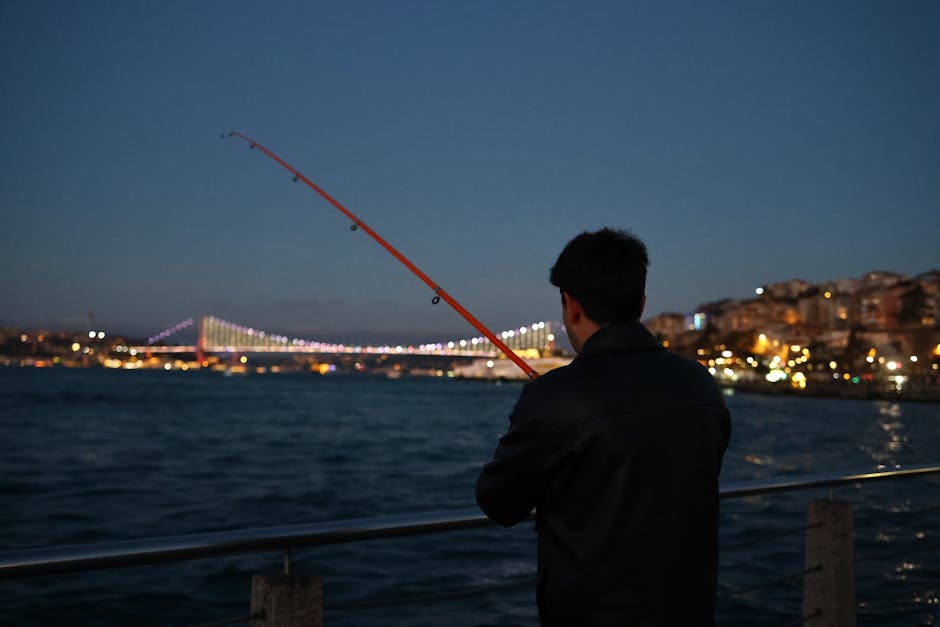 Bridge lights at night create a feeding station. Snook sit in the dark edges and ambush bait drawn to the glow. Some of the biggest snook of the year come from night bridge fishing.
Night Fishing Under Lights
Snook are nocturnal feeders and lights concentrate bait and predators in a small area. Bridge lights, dock lights and marina lights all work. Position yourself so you cast from the dark side into the light. Snook sit on the shadow edge and strike into the lit zone. Work a white DOA shrimp or live bait through the light with a slow steady retrieve. Night snook are often bigger than daytime fish because large females feel comfortable feeding in the open after dark.
The Importance of Tide and Current
Snook need moving water to feed. Their entire hunting strategy depends on current pushing bait past their ambush point. Incoming tide pushes bait into mangrove roots and shoreline structure. Outgoing tide pulls bait through passes, bridges and inlets. Slack tide is the dead zone.
The first and last two hours of each tide phase are the prime windows. Plan your trips around moving water and you will catch more snook. Period. For more on how tides and water conditions affect fishing, read our saltwater fishing basics guide.
Gear Setup: Dialed In for Snook
Rod: 7-foot medium-heavy fast action spinning rod. St. Croix Mojo Inshore, Penn Battalion or Shimano Trevala all get the job done.
Reel: 3000-4000 size spinning reel with a smooth drag. Penn Battle III, Shimano Stradic or Daiwa BG are solid choices. You need at least 10 pounds of drag.
Line: 20lb braid for zero stretch and maximum sensitivity.
Leader: 25-30lb fluorocarbon, 30 inches minimum. Non-negotiable. Snook gill plates are razor sharp and will cut braid or mono on contact. In heavy structure, go to 40lb.
If you are still building your rod collection, our inshore fishing tips guide breaks down what to prioritize.
Mistakes That Kill the Bite
- Leaders too short or too light. Under 25lb and under 24 inches is asking for a cutoff.
- Casting at structure instead of parallel to it. Your bait spends two seconds in the strike zone instead of twenty.
- Fishing slack tide. Snook need current. No moving water means no feeding.
- Setting the hook too early on topwater. Wait for the weight. Snook miss topwater plugs constantly.
- Being too loud. Stomping on the boat deck and slamming hatches. Snook hear all of it.
- Ignoring water temperature. If it is below 65F, find warmer water.
- Throwing live bait with too much weight. Freeline it or use the lightest split shot possible.
- Giving up on a spot after three casts. Give each spot 15-20 good casts. Snook feed in windows.
- Not checking hooks. Dull hooks bounce off snook mouths. Sharpen or replace after every few fish.
- Fishing the wrong side of the structure. Snook face into the current. Cast to the downcurrent side.
For more beginner-friendly pointers, check out our fishing tips for beginners.
Catch and Release: Handle Them Right
Most snook you catch will be released. Keep them in the water as much as possible. Support the body horizontally with both hands. Never hold a big snook vertically by the lip. Revive the fish by holding it upright facing into the current until it kicks away on its own. Use circle hooks with live bait for clean corner-of-the-mouth hookups and fast releases.
Frequently Asked Questions
What is the best bait for snook?
Live pilchards are the single best bait for snook in Florida. Freelined near mangroves, docks or bridges on a moving tide, pilchards draw strikes from snook that ignore everything else. For artificials, a white DOA shrimp on a 1/4oz jig head is the most consistent producer year-round. Check our soft plastic lures guide for more rigging details.
What time of day is best for snook fishing?
Dawn and dusk are prime time. Snook feed most aggressively in low light when their vision gives them an advantage over prey. Night fishing under dock lights and bridge lights is equally productive. Midday fishing works but stick to shaded structure and slower presentations.
What pound test line do you need for snook?
Use 20lb braided main line with a 25-30lb fluorocarbon leader at least 30 inches long. The braid gives you casting distance and sensitivity. The fluorocarbon leader handles the abrasion from gill plates and structure. Going lighter than 25lb on the leader is the number one reason anglers lose snook.
Can you catch snook from shore?
Absolutely. Shore fishing for snook is productive along seawalls, bridges with walkways, piers, jetties and beaches. During the summer spawn, wade fishing the beach surf is one of the best ways to target big snook. Look for structure and current from shore just like you would from a boat.
What is the snook slot size in Florida?
Snook regulations in Florida include slot limits that vary by region (Atlantic coast vs Gulf coast). Seasons, sizes and bag limits change. Always check the current FWC regulations before fishing. We do not list specific sizes or dates here because they can change at any time.
1-Minute Action Plan
Rig: White DOA shrimp (3") on 1/4oz jig head. 20lb braid, 30lb fluoro leader (30").
2 places to try first:
- Mangrove shoreline with 2-4 feet of water, last 2 hours of incoming tide
- Bridge pilings at night under lights on outgoing tide
Retrieve: Cast tight to structure, sink 2-3 seconds, two twitches, pause 2-3 seconds. Set hook on any weight or tap.
If no bites: Switch to a live pilchard freelined with no weight. Or change to chartreuse soft plastic if water is stained.
Next Steps: Keep Learning
Now that you have the snook playbook, here is where to go next:
- If you want the best snook-specific lure picks: Best lures for snook in Florida covers top producers by season and location
- If you want to dial in your lure game: How to use soft plastic lures covers rigging and retrieve techniques that work for snook and beyond
- If you are new to saltwater: Saltwater fishing basics breaks down everything from tides to terminal tackle
- If you want to read structure better: How to read water for fishing teaches you to spot productive water before you make a cast
- If you are just getting started: Fishing tips for beginners covers the fundamentals that make everything else click
- If you fish inshore regularly: Inshore fishing tips has more tactics for the flats, mangroves and backwaters
Want to log your snook catches and track what works at your local spots? The Tackle app lets you record every trip with conditions, baits and structure so you build a personal pattern book. Download Tackle free.
Always Check Current Regulations
Snook are a regulated game fish in Florida with slot limits, bag limits and seasonal closures that vary by coast. Rules change. Always check current regulations with the Florida Fish and Wildlife Conservation Commission (FWC) before fishing.
See current FWC snook regulations
Regulations are subject to change. Tackle is not responsible for regulatory information. Always consult official government sources before keeping any fish.

Tackle Team
The Tackle Fishing Team is a collective of anglers, data scientists, and fishing enthusiasts dedicated to making fishing more accessible and successful for everyone.
View profileSources Consulted
The following sources were consulted in creating this guide:
- Florida Fish and Wildlife Conservation Commission – myfwc.com (retrieved Mar 2026)
- Snook Foundation – snookfoundation.org (retrieved Mar 2026)
Note: Information is summarized and explained in our own words. Always verify current regulations with official sources.
Frequently Asked Questions
What is the best bait for snook?
Live pilchards are the single best bait for snook in Florida. Freelined near mangroves, docks or bridges on a moving tide, pilchards draw strikes from snook that ignore everything else. For artificials, a white DOA shrimp on a 1/4oz jig head is the most consistent producer year-round.
What time of day is best for snook fishing?
Dawn and dusk are prime time. Snook feed most aggressively in low light when their vision gives them an advantage over prey. Night fishing under dock lights and bridge lights is equally productive. Midday fishing works but stick to shaded structure and slower presentations.
What pound test line do you need for snook?
Use 20lb braided main line with a 25-30lb fluorocarbon leader at least 30 inches long. The braid gives you casting distance and sensitivity. The fluorocarbon leader handles the abrasion from gill plates and structure. Going lighter than 25lb on the leader is the number one reason anglers lose snook.
Can you catch snook from shore?
Absolutely. Shore fishing for snook is productive along seawalls, bridges with walkways, piers, jetties and beaches. During the summer spawn, wade fishing the beach surf is one of the best ways to target big snook. Look for structure and current from shore just like you would from a boat.
What is the snook slot size in Florida?
Snook regulations in Florida include slot limits that vary by region (Atlantic coast vs Gulf coast). Seasons, sizes and bag limits change. Always check the current FWC regulations before fishing.
Plan Your Next Fishing Trip
Download Tackle to compare tide charts, wind conditions, and practical fishing guidance for your location before you go.
✓ Real-time tide charts • ✓ Wind & weather forecasts • ✓ AI fish identification
See local regulations — Find regulations for your area
Want weekly fishing windows delivered to your inbox?
Get personalized fishing forecasts based on weather, tides, and moon phases.
RELATED CONTENT
KEEP READING