

Learn the baits, lures, gear and fighting techniques that put tarpon in the air and keep them hooked through every jump.
Best for: Intermediate to advanced saltwater anglers What you need: Heavy spinning or conventional rod (7'6"+), 80lb fluorocarbon leader, circle hooks, live bait or heavy swimbaits
DO THIS FIRST: If you have never caught a tarpon, book a half-day trip with a guide in the Florida Keys or Boca Grande during May or June. Nothing replaces watching someone who knows tarpon water read the tide, spot rolling fish and position the boat. One guided trip will teach you more than a year of solo trial and error.
Quick Answer: How to Catch Tarpon
- Best bait: Live crabs, mullet, threadfin herring and large shrimp freelined or under a float in passes and channels
- Best lures: DOA Baitbuster, 6-8" swimbaits, heavy bucktail jigs bounced through passes on outgoing tide
- Where to fish: Passes, bridges, beaches and channels where tarpon migrate or stage during spring and summer
- Retrieve pattern: Slow and steady for swimbaits. Dead-drift or slow-sink for live bait. Strip-strip-pause for fly
- Best conditions: Moving tide (outgoing preferred in passes), early morning or late afternoon, water temps above 74F
- Key technique: Bow to the jump. When a tarpon goes airborne, drop your rod tip fast and point it at the fish to create slack. This prevents the leader from snapping under the shock of a 100lb fish thrashing in mid-air
Get Personalized Fishing Advice
Want real-time conditions for your exact location? Tackle provides live tide data, wind forecasts, and AI-powered fishing advice tailored to where you fish.
✓ Real-time tide charts • ✓ Wind & weather forecasts • ✓ AI fish identification
Tackle Box Snapshot (Copy This Setup)
Bait Options (Pick 2-3):
- Live blue crabs (palm-sized, remove one claw)
- Live threadfin herring (6-8")
- Live mullet (8-12" finger mullet)
- Large shrimp (freelined or under cork)
Lure Options (Pick 2-3):
- DOA Baitbuster in silver/mullet pattern
- 6" Hogy Original swimbait in white or olive
- 1oz bucktail jig in white or chartreuse
- Rapala X-Rap 20 in silver
Hook and Leader Setup:
- Circle hooks: 7/0-8/0 Owner Mutu Light for bait fishing
- Leader: 60-80lb fluorocarbon, 4-6 feet long
- Shock leader: Some anglers add 12" of 100lb for abrasion near the mouth
- Main line: 50-65lb braided line (PowerPro or Suffix 832)
Rod and Reel:
- Spinning: 7'6" heavy power, fast action (Penn Battle III 6000 or Shimano Saragosa 8000)
- Conventional: 7' heavy boat rod with Penn Squall or Shimano TLD 25 for bridge and pass fishing
- Drag: Set at roughly 1/3 of leader strength. For 80lb leader, set drag around 25lb
Target Depth: 4-30 feet depending on location. Passes run 15-30ft. Beach tarpon feed in 3-8ft. Bridge tarpon hold at 8-20ft.
This setup handles juvenile and adult tarpon in passes, off beaches and around bridges. Adjust leader weight down to 40lb for juveniles under 40 inches.
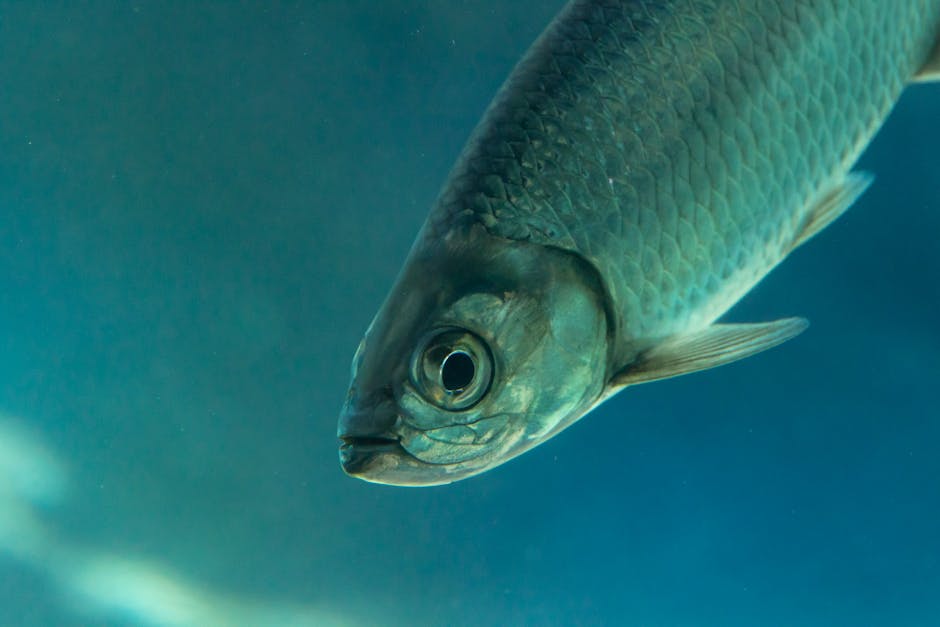 Heavy fluorocarbon leader and quality circle hooks are non-negotiable for tarpon. A bad crimp or weak knot will cost you the fish of a lifetime.
Understanding Tarpon Behavior
Before you pick up a rod, understand what makes tarpon tick.
Migratory Patterns
Tarpon follow warm water north along the Gulf Coast every spring. The migration starts in the Keys as early as late March. By May, massive schools push through the Keys passes and up the Gulf side. Boca Grande Pass sees the densest concentration of adult tarpon on the planet from May through July. Homosassa lights up from May through June. By late summer, fish reach the Panhandle and beyond. The fall migration reverses course through October and November.
Rolling and Gulping Air
Tarpon have a primitive swim bladder that works like a lung. They roll on the surface to gulp air, especially in deep passes. If you see silver flashes and hear that "whoosh" on the surface, fish are there. Do not cast at a rolling fish. Cast 10-15 feet ahead. Rolling tarpon are breathing, not feeding, but they will eat a well-placed bait.
Daisy Chains
Sometimes tarpon swim in slow circles near the surface in groups of 3-20 fish. Guides call these daisy chains. They are resting, not feeding, and notoriously hard to get a bite from. A slow-sinking bait dropped in front of the chain can trigger a reaction strike. Do not bomb them with casts or you will blow them out.
Juvenile vs Adult Tarpon
Juvenile tarpon (under 40 inches) live in backwater canals, residential ponds and mangrove creeks. Baby tarpon are scrappy fighters that jump like crazy on light tackle. They eat shrimp, small swimbaits and flies readily.
Adult tarpon are a different animal. Fish over 80 pounds test every piece of your gear. A 120lb tarpon can take 30-60 minutes to land. They jump six feet in the air. They throw hooks. That is what makes them the Silver King.
If you are new to tarpon, start with juveniles in canals around Flamingo or Pine Island Sound. You will learn hooksets, fighting angles and how to read the water without risking a $500 day.
Step-by-Step: How to Fish for Tarpon
1. Find the Fish (Structure and Position)
Tarpon relate to current. In passes, they stage on channel edges. On beaches, they travel in lanes 50-200 yards off the sand. Under bridges, they hold behind pilings where current creates eddies.
Look for rolling fish, bait showers, birds working nervous water and dark shadows in clear shallows.
2. Position Your Boat (or Yourself)
For passes, anchor upcurrent. For beaches, get ahead of traveling fish and cut the motor. For bridges, position downcurrent of the pilings. Never motor through rolling tarpon.
3. Present the Bait or Lure
Live bait: Freeline a crab or threadfin into the current. No weight if possible. For deeper passes, use a 1/2-1oz egg sinker above a swivel with 5ft of 80lb leader. Let the bait get down.
Lures: Cast upcurrent and retrieve slow and steady. Keep the lure in the top half of the water column. Tarpon feed up and want to see bait silhouetted above them.
Fly: Cast 10-15 feet ahead of cruising fish. Strip-strip-pause. When you feel the eat, strip-set hard. Do not trout-set or you will pull the fly out every time.
4. The Hookset
With circle hooks, do not set the hook. Let the fish eat and turn. Reel fast. The circle hook finds the corner of the jaw on its own.
With lures or J-hooks, wait for solid weight, then hit them hard. Multiple hooksets. A tarpon's mouth is rock hard.
5. Fighting and Landing
Bow to the jump. This is the single most important technique. The instant a tarpon leaves the water, shove your rod tip toward the fish and create slack. If you keep tension on a jumping tarpon, the force will snap your leader or rip the hook free.
After the jump, come tight again immediately. Let the fish run when it wants to run. Apply side pressure to turn the fish when it stops.
Keep fights under 30 minutes. Extended fights exhaust tarpon to the point where they cannot recover after release. If a fight goes long, tighten the drag. Better to lose the fish than kill it.
 Bow to the jump every single time. The moment that tarpon clears the water, point your rod at the fish and give slack. This one technique saves more tarpon hookups than anything else.
Decision Tree: Adjust for Conditions
If water is clear (Keys flats, beaches):
- Longer leaders (6ft+), lighter fluorocarbon (50-60lb)
- Natural colors. White or tan flies. Quiet approach.
If water is murky (passes after rain):
- Shorter leader (4ft), heavier fluorocarbon (80lb)
- Larger profile baits. Black/purple flies. Fish rely on vibration.
If tide is ripping (strong outgoing in passes):
- Add weight (1-2oz egg sinker). Position on channel edges.
- Jig heavy bucktails vertically.
If tide is slack:
- Sight fish on flats or beach lanes. Live crabs freelined.
If tarpon are rolling but not eating:
- Downsize bait. Slow presentation by half. Cast farther ahead.
- Switch from artificial to live bait.
If wind is strong (15+ mph):
- Fish passes and bridges. Heavier lures for distance. Skip beach fishing.
Spot Playbook: Where Tarpon Stage
Pass Fishing (Boca Grande, Keys Passes, Tampa Bay Passes)
Passes are the highways of tarpon fishing. Fish funnel through narrow cuts between islands on every tide change. Boca Grande Pass is the most famous tarpon spot in the world. During peak season (May-July), hundreds of boats drift live crabs and jigs through the deep channel. Anchor upcurrent. Let baits drift into 20-40 foot depths where tarpon stack up. Outgoing tide is king.
Beach Fishing
Tarpon cruise Gulf coast beaches during migration, traveling in lanes 50-200 yards off the sand. Spot fish, get ahead of them, stake out and present a bait in their path. Beach tarpon fishing is sight fishing at its finest.
Bridge Fishing
Bridges concentrate tarpon because pilings create current breaks. The Bahia Honda Bridge in the Keys, the Skyway Bridge in Tampa Bay and dozens of smaller bridges hold tarpon April through September. Fish from the catwalk or a boat downcurrent of the pilings. Night fishing under bridge lights is legendary.
Flat and Backcountry Fishing
Homosassa and the Nature Coast hold big tarpon (80-150 pounds) cruising 3-6 feet of clear water. This is fly fishing and sight fishing territory. It requires a poling guide and accurate casting under pressure.
 Clear shallow flats like those in Homosassa and the Keys require stealth, long leaders and precise casts. If you can see the tarpon, the tarpon can see you.
Fly Fishing for Tarpon
Fly fishing for tarpon demands heavy gear, accurate casting and nerves of steel.
Gear: 11-12 weight fly rod, large arbor reel with sealed drag and 200+ yards of 50lb backing. Floating line for flats. Intermediate sink-tip for passes.
Flies: Black Death, Tarpon Toad, EP Baitfish and Cockroach patterns in sizes 1/0-3/0. Purple/black for murky water. Tan/white for clear. Chartreuse/white as a crossover.
Technique: Deliver the fly 10-15 feet ahead of cruising fish. Let it sink. Strip-strip-pause. When you feel the eat, strip-set hard with your line hand while keeping the rod tip low. Never lift the rod to set on a tarpon. You cannot drive the hook home that way.
Mistakes That Kill Your Tarpon Fishing
- Too light tackle: Tarpon break light gear and the fight kills the fish. Use heavy tackle.
- Bad hooksets: With circle hooks, reel tight. With flies, strip-set. With J-hooks, hammer them. Lifting the rod on a circle hook pulls it out.
- Not bowing to the jump: Drop the rod tip when a tarpon goes airborne. Every time.
- Casting at rolling fish: They are breathing, not feeding. Cast ahead of them.
- Motoring through fish: Shut down 200 yards away. Use trolling motor or drift.
- Fighting too long: Over 30 minutes risks killing the fish. Tighten the drag.
- Wire leader: Tarpon do not cut fluorocarbon. Wire kills your bite rate. Use 60-80lb fluoro.
- Bad knots: Learn the FG knot for braid-to-leader and loop knot (Lefty Kreh) to the hook.
- No gloves for leader grab: Wear a leader glove. The final grab is when you get cut.
- Fishing dead tide: Plan trips around the tide charts. Slack tide is rest time.
Seasonal Migration Calendar
- March-April: Early fish show in the Keys. Islamorada and Key West heat up first.
- May-June: Peak season. Boca Grande is wall-to-wall tarpon. Homosassa flats are prime.
- July-August: Fish spread north. Tampa Bay passes and bridges hold fish. Boca Grande thins by mid-July.
- September-October: Fall migration south. Less boat pressure. Overlooked and productive.
- November-February: Resident tarpon hold in warm outflows and deep holes in South Florida. Juveniles active in canals year-round.
Want live tide data for your tarpon spot? Tackle shows real-time tides, wind and water temps so you can time trips to moving water when tarpon feed hardest.
Frequently Asked Questions
What is the best bait for tarpon?
Live blue crabs are the top bait for adult tarpon, especially in passes like Boca Grande. Remove one claw so the crab cannot grab the leader. Threadfin herring and live mullet are close seconds. For juvenile tarpon, live shrimp freelined under mangroves or dock lights works well.
What size hook for tarpon?
Use 7/0-8/0 circle hooks (Owner Mutu Light is the standard) for adult tarpon with live bait. For juvenile tarpon under 40 inches, drop down to 4/0-5/0. Circle hooks reduce gut-hooking and make for easier releases. With flies, use 1/0-3/0 hooks.
When is the best time to catch tarpon in Florida?
May and June are the peak months. The annual migration packs tarpon into passes and along beaches from the Keys to the Nature Coast. Boca Grande Pass during late May is the single best window for numbers of large tarpon anywhere in the world.
Do you need a boat to catch tarpon?
No. Bridge fishing is productive and requires no boat. Fish from the catwalks of bridges in the Keys, Tampa Bay and along the Gulf coast. Beach wading during tarpon migration season also works if you can cast far enough to reach the lanes where fish travel. Pier fishing catches tarpon too.
Can you eat tarpon?
Tarpon are catch-and-release only in Florida. It is illegal to harvest tarpon without a special $50 harvest tag, and those tags are intended only for potential world record fish. Tarpon are bony and not considered good table fare. Release them quickly and carefully.
1-Minute Action Plan
Rig to tie on:
- 7/0 Owner Mutu Light circle hook on 5ft of 80lb fluorocarbon leader
- 50lb braid main line, 1/2oz egg sinker above a barrel swivel
- Live blue crab (palm-sized, one claw removed) or threadfin herring
2 places to try first:
- Nearest pass or inlet during the last 2 hours of outgoing tide (May-July)
- Bridge pilings at night under lights during summer months
First approach:
- Anchor upcurrent. Freeline bait back into the current. Let it drift naturally through the strike zone. Wait for weight, then reel tight.
One adjustment if no bites:
- Move from the channel center to the channel edge. Tarpon stage along the drop-offs where current slows, not always in the fastest water.
Next Steps: Keep Learning
Now that you know how to target tarpon, build on your skills:
- If you are new to saltwater: Start with our saltwater fishing basics guide for fundamental gear and technique
- If you fish inshore too: Our inshore fishing tips cover the same waters where tarpon roam
- If you want to read water better: Learn how to read water for fishing so you can spot tarpon lanes and current seams on your own
- If you are just getting started: Fishing tips for beginners covers the basics before you chase the Silver King
Want real-time conditions at your tarpon spot? Download Tackle to check tides, wind and water temps before your next trip.
Always Check Current Regulations
Tarpon regulations vary by state and region. Size limits, harvest restrictions, tag requirements and seasonal closures may apply. Always check current regulations with the Florida Fish and Wildlife Conservation Commission (FWC) or your local wildlife agency before fishing.
See current FWC tarpon regulations
Regulations change frequently. Tackle is not responsible for regulatory information. Always consult official government sources before your trip.

Tackle Fishing Team
The Tackle Fishing Team is a collective of anglers, data scientists, and fishing enthusiasts dedicated to making fishing more accessible and successful for everyone.
View profileSources Consulted
The following sources were consulted in creating this guide:
- Florida Fish and Wildlife Conservation Commission - Tarpon – myfwc.com (retrieved Mar 2026)
- Boca Grande Area Chamber of Commerce - Tarpon Fishing – bocagrandechamber.com (retrieved Mar 2026)
Note: Information is summarized and explained in our own words. Always verify current regulations with official sources.
Frequently Asked Questions
What is the best bait for tarpon?
Live blue crabs are the top bait for adult tarpon, especially in passes like Boca Grande. Remove one claw so the crab cannot grab the leader. Threadfin herring and live mullet are close seconds. For juvenile tarpon, live shrimp freelined under mangroves or dock lights works well.
What size hook for tarpon?
Use 7/0-8/0 circle hooks (Owner Mutu Light is the standard) for adult tarpon with live bait. For juvenile tarpon under 40 inches, drop down to 4/0-5/0. Circle hooks reduce gut-hooking and make for easier releases. With flies, use 1/0-3/0 hooks.
When is the best time to catch tarpon in Florida?
May and June are the peak months. The annual migration packs tarpon into passes and along beaches from the Keys to the Nature Coast. Boca Grande Pass during late May is the single best window for numbers of large tarpon anywhere in the world.
Do you need a boat to catch tarpon?
No. Bridge fishing is productive and requires no boat. Fish from the catwalks of bridges in the Keys, Tampa Bay and along the Gulf coast. Beach wading during tarpon migration season also works if you can cast far enough to reach the lanes where fish travel.
Can you eat tarpon?
Tarpon are catch-and-release only in Florida. It is illegal to harvest tarpon without a special $50 harvest tag, and those tags are intended only for potential world record fish. Tarpon are bony and not considered good table fare. Release them quickly and carefully.
Plan Your Next Fishing Trip
Download Tackle to compare tide charts, wind conditions, and practical fishing guidance for your location before you go.
✓ Real-time tide charts • ✓ Wind & weather forecasts • ✓ AI fish identification
See local regulations — Find regulations for your area
Want weekly fishing windows delivered to your inbox?
Get personalized fishing forecasts based on weather, tides, and moon phases.
RELATED CONTENT
KEEP READING