

How to Use Fishing Spoons: The Oldest Lure That Still Outfishes Everything
Spoons have been catching fish since before your grandfather was born. Legend has it a man dropped a teaspoon overboard, watched it flutter toward the bottom and saw a fish hammer it before it hit the mud. That was over 100 years ago. The design has barely changed because it didn't need to. A curved piece of metal that wobbles and flashes still outproduces most modern lures when the conditions are right.
This guide covers every type of fishing spoon, how to work each one and when to reach for a spoon instead of something trendier.
Best for: Beginner to Advanced | What you need: A medium-heavy rod, fluorocarbon or braid and a handful of spoons in silver and gold | Do this first: Tie on a 3/4 oz jigging spoon, find a school of bass on your electronics and drop it straight down.
Quick Answer: Why Spoons Still Work
- Spoons imitate wounded baitfish better than almost any hard bait because they flutter, wobble and flash without any input from you
- Jigging spoons are the most efficient deep-water lure for bass in summer and winter
- Weedless spoons go where other lures cannot, including through matted grass and lily pads
- Casting spoons cover water fast and work for bass, trout, pike, walleye and saltwater species
- Most bites come on the fall, so let the spoon do its job and resist the urge to reel
Get Personalized Fishing Advice
Want real-time conditions for your exact location? Tackle provides live tide data, wind forecasts, and AI-powered fishing advice tailored to where you fish.
✓ Real-time tide charts • ✓ Wind & weather forecasts • ✓ AI fish identification
Types of Fishing Spoons (Know What You're Throwing)
Jigging Spoons
Heavy, compact and built for vertical work. The jigging spoon is the deep-water killer. Models like the Hopkins Shorty, Cotton Cordell CC Spoon and Nichols Ben Parker are designed to rip up off the bottom and flutter back down on a semi-slack line. Bass hit on the fall almost every time.
These shine when fish are schooled on deep structure between 30 and 50 feet. Summer ledge fishing and winter cold-water patterns are where jigging spoons earn their reputation. If you can see fish on your sonar stacked on a hump or channel bend, a jigging spoon is the fastest way to make them bite.
Casting Spoons
The classic shape most people picture when they hear "spoon." Models like the Acme Kastmaster, Krocodile and Dardevle are cast out and reeled back on a steady retrieve. They wobble side to side, throwing flash in every direction.
Casting spoons cover water efficiently and work across species. Trout anglers throw small Kastmasters in mountain streams. Pike and musky anglers throw oversized Dardevles along weed edges. Walleye anglers jig them on structure. They are the Swiss Army knife of the spoon family.
Flutter Spoons
Wide, thin-bodied spoons like the Nichols Flutter Spoon and Strike King Sexy Spoon that spiral and flutter on the fall. You cast them over deep schools of bass, let them sink on slack line and watch for the tick. The falling action imitates a dying shad better than anything else in your box.
Flutter spoons work best over open structure in 10 to 25 feet where bass are feeding on baitfish schools. If you're marking shad balls on your electronics with bass underneath, a flutter spoon is the play.
Weedless Spoons
The Johnson Silver Minnow and Gator Spoon feature a single hook with a wire weed guard that lets them slide through heavy vegetation without snagging. Run them over lily pads, through grass mats and across thick slop. Add a soft plastic trailer like a grub or paddle tail for extra action.
Weedless spoons are one of the only lures besides frogs that can fish truly thick cover. The wobble and flash draw bass up through the canopy for explosive strikes.
Trolling Spoons
Thin, lightweight spoons designed to be pulled behind a boat at slow to moderate speeds. These are more common in walleye, lake trout and striper fishing than bass. If you troll for open-water species, trolling spoons behind planer boards or downriggers cover a lot of territory.
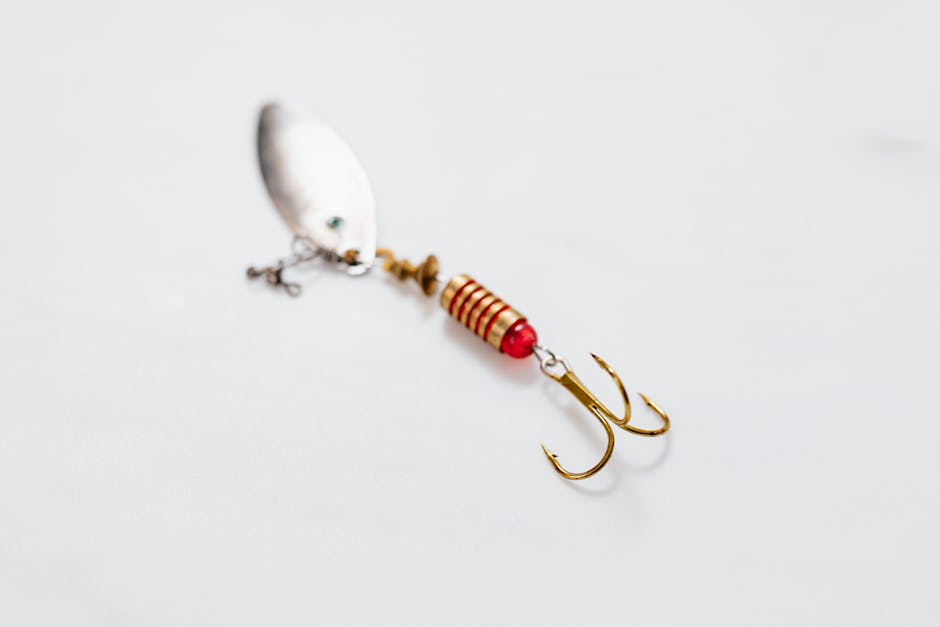 Keep a variety of spoon types rigged and ready. Gold works in stained water and silver shines in clear conditions.
Tackle Box Snapshot (Copy This Setup)
- Jigging spoon: 3/4 oz to 1 oz (silver or chrome) for deep vertical work
- Casting spoon: 1/4 oz to 3/8 oz Kastmaster (gold or silver) for covering water
- Flutter spoon: 3/4 oz to 1 oz Nichols or Strike King for offshore schooling bass
- Weedless spoon: 1/2 oz Johnson Silver Minnow (gold) with a white grub trailer
- Line: 15-20 lb fluorocarbon for jigging spoons, 10-12 lb mono or fluoro for casting, 50 lb braid for weedless through grass
- Rod (jigging): 7' medium-heavy baitcaster with fast action
- Rod (casting): 6'6" to 7' medium power spinning or baitcasting
- Rod (weedless): 7' heavy baitcaster to horse fish out of vegetation
Step-by-Step: How to Fish Each Spoon Type
1. Find the fish first. Spoon fishing rewards preparation. Use your electronics to locate schools on structure (jigging and flutter spoons) or identify heavy vegetation (weedless spoons). Casting spoons are the exception. You can blind-cast those to cover water.
2. Match the spoon to the situation. Bass at 40 feet on a ledge? Jigging spoon. Bass busting shad over a hump at 15 feet? Flutter spoon. Thick lily pads with blowup holes? Weedless Silver Minnow. Open shoreline with scattered rock? Casting spoon. If you need help with other hard bait options, our crankbait guide covers water in a different way.
3. Work the fall. For jigging and flutter spoons, the retrieve is simple. Rip the rod tip up 2 to 3 feet, then drop it back on semi-slack line. Watch your line on the fall. Most strikes happen as the spoon flutters down. If your line jumps or goes slack early, set the hook.
4. Set the hook with authority. Spoon bites are often subtle on the fall. When you feel weight or see the line move, reel down and drive the hook home with a firm upward sweep. Treble hooks on jigging spoons need less force than single hooks on weedless models.
5. Adjust speed and cadence. If fish are following but not committing, shorten your rip. Instead of 3 feet, try 12 to 18 inches. In cold water, slow everything down and let the spoon sit on the bottom for 3 to 5 seconds between lifts. In warm water, speed up your cadence.
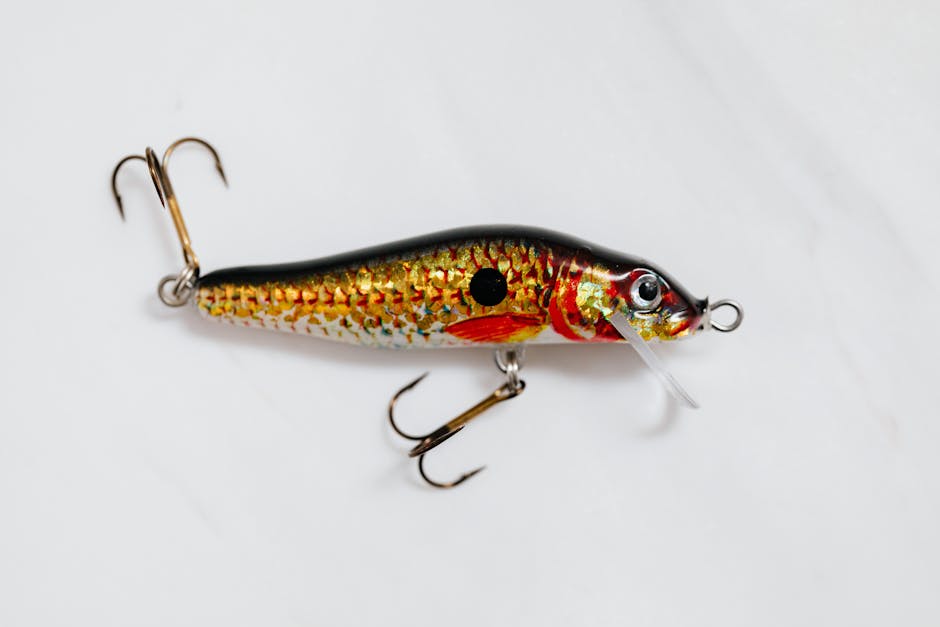 Position your boat directly over the structure and drop the spoon straight down. Vertical presentations give you the best contact with deep fish.
Decision Tree: Conditions and Adjustments
- If bass are deep (25-50 ft) on structure: Jigging spoon, vertical presentation, short sharp rips
- If bass are schooling on baitfish at 10-20 ft: Flutter spoon, cast past them and let it fall through the school
- If bass are in heavy grass or pads: Weedless spoon with a trailer, steady retrieve across the top
- If you're covering open water and don't know where fish are: Casting spoon, fan-cast and retrieve at medium speed
- If water is clear: Silver or chrome spoons, lighter line, longer pauses on the fall
- If water is stained: Gold spoons, shorter pauses, add more action with rod tip twitches
- If fish are lethargic (cold front or winter): Slow your cadence way down, let jigging spoons sit on bottom between hops
- If fish are aggressive: Speed up. Rip jigging spoons harder. Burn casting spoons on a fast retrieve
Spot Playbook: Where Spoons Shine
Deep ledges and channel swings (jigging spoons): Bass stack on ledges where creek channels meet main lake points during summer. Drop a jigging spoon to the bottom and work it vertically. These are the same spots where jerkbaits work in the spring, but spoons reach depths that jerkbaits cannot touch.
Offshore humps and shell beds (flutter spoons): Any isolated structure that holds baitfish in open water is flutter spoon territory. Cast past the structure, let the spoon fall on slack line and watch for the tick.
Grass mats and lily pad fields (weedless spoons): The Johnson Silver Minnow was built for this. Retrieve it steadily across the top of matted vegetation. When it drops into a pocket or hole, let it sink for a second. Bass blow up through the canopy to eat it.
Rocky shorelines and points (casting spoons): Fan-cast a Kastmaster or Krocodile along rocky banks where bass, trout or walleye hold. The steady wobble imitates a baitfish cruising the edge.
 Rocky points and shorelines with scattered boulders are prime casting spoon water. Work the spoon parallel to the bank at a steady pace.
Seasonal Spoon Playbook
Spring: Casting spoons along rocky banks as bass move shallow. Flutter spoons on prespawn staging points in 10 to 20 feet. The transition period before bass commit to beds is prime spoon water.
Summer: The biggest season for spoons. Jigging spoons on deep ledges and humps where bass school on shad. Weedless spoons through matted grass that's grown up to the surface. For more summer options, check our best bass lures guide.
Fall: Casting spoons to cover water when bass are chasing shad along creek arms and flats. Flutter spoons over schools of bait. Weedless spoons still work through remaining vegetation.
Winter: Jigging spoons are at their absolute best. Bass are lethargic and holding tight to deep structure. A jigging spoon dropped right on their heads forces a reaction bite even when nothing else will. Slow hops with long pauses between lifts.
Multi-Species Appeal
Spoons are not just bass lures. Small casting spoons in 1/8 to 1/4 oz catch trout in mountain streams. Heavy jigging spoons work for walleye on deep rock structure. Oversized Dardevles are classic pike and musky baits. Gold weedless spoons are a staple for redfish on saltwater flats. Trolling spoons account for more lake trout and striped bass than most anglers realize. One lure type, dozens of species.
5 Mistakes That Kill Your Spoon Fishing
-
Reeling through the fall. The fall is when fish eat a spoon. If you keep your line tight and reel during the drop, you kill the flutter action and miss most bites. Let the spoon fall on slack or semi-slack line.
-
Using the wrong weight for the depth. A 1/2 oz spoon in 40 feet of water takes forever to reach bottom and doesn't stay in the strike zone. Go heavier for deep water. Go lighter for shallow or when you want a slower fall.
-
Ignoring your electronics. Jigging and flutter spoons are precision tools, not search baits. Blind-casting a jigging spoon wastes time. Find the fish first and then put the spoon on them.
-
Fishing weedless spoons too fast through cover. A steady retrieve is good but burning a Silver Minnow across pads gives bass no time to react. Slow down, pause in openings and let the spoon sink in pockets.
-
Never changing spoon color. Silver and gold cover most situations, but don't get stuck. Silver for clear water. Gold for stained. White or chartreuse on overcast days. Match what the baitfish look like in your water.
Start Logging Your Spoon Catches
The Tackle app helps you track which spoon type, color and cadence worked at each spot so you stop guessing and start building a pattern. Log your catches and the app connects the dots between conditions and what produced bites.
FAQs
What is the best fishing spoon for beginners?
A 3/8 oz Acme Kastmaster in gold or silver. It casts well on spinning gear, works on a simple steady retrieve and catches bass, trout, walleye and panfish. Tie one on and start reeling. You can get more advanced from there.
How do I know when a fish bites a spoon on the fall?
Watch your line. On the fall, your line should sink steadily. If it jumps, twitches sideways or suddenly goes slack before the spoon should have hit bottom, a fish ate it. Reel down and set the hook immediately.
Can I use spoons in saltwater?
Absolutely. Gold weedless spoons are a staple for redfish on grass flats. Casting spoons work for striped bass, bluefish and Spanish mackerel. Jigging spoons produce on offshore structure for grouper and snapper. Spoons are one of the most versatile saltwater lures available.
What size spoon should I use for bass?
For jigging spoons in deep water, 3/4 oz to 1 oz is standard. For flutter spoons, 3/4 oz to 1 oz as well. For casting spoons, 1/4 oz to 1/2 oz covers most situations. For weedless spoons through vegetation, 1/2 oz to 3/4 oz gives you enough weight to cast but enough float to stay above the grass.
Why don't more bass anglers use spoons?
Spoons aren't trendy. No one is making spoon fishing content on social media. Tournament pros don't get sponsorship deals for throwing a Hopkins Shorty. But the guys who quietly throw spoons on deep structure in the summer and winter consistently catch big bags. Spoons work. They just don't get the marketing love that swimbaits and crankbaits do.
1-Minute Action Plan
- Tie on a 3/4 oz jigging spoon in silver
- Find a deep point or hump holding baitfish on your electronics
- Position your boat directly overhead and drop the spoon to the bottom
- Rip it up 2 feet, let it fall on slack line, watch for the tick
- If no bites after 10 minutes, move to the next piece of structure and repeat
What to Read Next
- If you want another reaction bait for covering water, read How to Use Crankbaits
- If you're targeting suspended bass in cold water, check out How to Use Jerkbaits
- If you want a full breakdown of the best hard and soft baits, see Best Bass Lures
Ready to track your spoon catches and find patterns? Download Tackle free.
Sources
- Wired2Fish - Bass Fishing Spoons Guide
- In-Fisherman - Spoon Fishing Techniques
- Bass Resource - Jigging Spoon Fishing
Regulations change. Always check local rules before fishing.

Tackle Team
The Tackle Fishing Team is a collective of anglers, data scientists, and fishing enthusiasts dedicated to making fishing more accessible and successful for everyone.
View profileSources Consulted
The following sources were consulted in creating this guide:
- Wired2Fish – www.wired2fish.com (retrieved Mar 2026)
- In-Fisherman – www.in-fisherman.com (retrieved Mar 2026)
- Bass Resource – www.bassresource.com (retrieved Mar 2026)
Note: Information is summarized and explained in our own words. Always verify current regulations with official sources.
Frequently Asked Questions
What is the best fishing spoon for beginners?
A 3/8 oz Acme Kastmaster in gold or silver. It casts well on spinning gear, works on a simple steady retrieve and catches bass, trout, walleye and panfish. Tie one on and start reeling.
How do I know when a fish bites a spoon on the fall?
Watch your line. On the fall, your line should sink steadily. If it jumps, twitches sideways or suddenly goes slack before the spoon should have hit bottom, a fish ate it. Reel down and set the hook immediately.
Can I use spoons in saltwater?
Absolutely. Gold weedless spoons are a staple for redfish on grass flats. Casting spoons work for striped bass, bluefish and Spanish mackerel. Jigging spoons produce on offshore structure for grouper and snapper.
What size spoon should I use for bass?
For jigging spoons in deep water, 3/4 oz to 1 oz is standard. For casting spoons, 1/4 oz to 1/2 oz covers most situations. For weedless spoons through vegetation, 1/2 oz to 3/4 oz gives you enough weight to cast but enough float to stay above the grass.
Why don't more bass anglers use spoons?
Spoons aren't trendy. No one is making spoon fishing content on social media and tournament pros don't get sponsorship deals for throwing them. But the guys who quietly throw spoons on deep structure consistently catch big bags. Spoons work. They just don't get the marketing love.
Plan Your Next Fishing Trip
Download Tackle to compare tide charts, wind conditions, and practical fishing guidance for your location before you go.
✓ Real-time tide charts • ✓ Wind & weather forecasts • ✓ AI fish identification
See local regulations — Find regulations for your area
Want weekly fishing windows delivered to your inbox?
Get personalized fishing forecasts based on weather, tides, and moon phases.
RELATED CONTENT
KEEP READING