

Learn how to find, hook and land flounder consistently using the right rigs, baits and boat positioning for sandy bottoms and structure.
Best for: Beginner to intermediate saltwater anglers targeting flounder inshore and nearshore What you need: Medium-light spinning rod, 3/4oz bucktail jig, Gulp Swimming Mullet, bottom rig with sinker
DO THIS FIRST: Tie a white 3/4oz Spro bucktail jig tipped with a 4-inch Berkley Gulp Swimming Mullet in pearl white. Drift over a sandy bottom near a channel edge or drop-off in 8 to 15 feet of water. Bounce it slowly along the bottom. When you feel weight, wait three full seconds before setting the hook. That single technique puts more flounder in the cooler than anything else.
Quick Answer: How to Catch Flounder
- Best bait: Berkley Gulp Swimming Mullet (4-inch, pearl white or nuclear chicken) on a bucktail jig, or live minnows and squid strips on a bottom rig
- Where to fish: Sandy bottoms near channel edges, drop-offs, bridge pilings, inlet mouths and structure transitions where sand meets rock or shell
- Best technique: Slow drift with bucktail jigs bouncing bottom, or anchor up on structure and fish a bottom rig with live bait
- When to fish: Incoming tide during the last two hours before high. Water temp between 55 and 72 degrees. Early morning or late afternoon
- Key rule: Wait before you set the hook. Flounder grab bait and reposition it headfirst. Count to three after the first bump
Get Personalized Fishing Advice
Want real-time conditions for your exact location? Tackle provides live tide data, wind forecasts, and AI-powered fishing advice tailored to where you fish.
✓ Real-time tide charts • ✓ Wind & weather forecasts • ✓ AI fish identification
Tackle Box Snapshot (Copy This Setup)
Lure and Bait Options (Pick 2-3):
- Spro Bucktail Jig 3/4oz (white, chartreuse/white)
- Berkley Gulp Swimming Mullet 4-inch (pearl white, nuclear chicken, new penny)
- Live minnows (killifish or mud minnows) on a bottom rig
- Fresh squid strips cut 4 inches long
- Berkley Gulp Alive Crab chunks for tipping jigs
Rig Options:
- Bucktail jig (3/4oz to 1oz) tipped with Gulp or squid strip
- Sliding sinker bottom rig: 2-3oz egg sinker, barrel swivel, 24-inch fluoro leader, size 2 wide-gap hook
- High-low rig with two hooks for prospecting new bottom
Line Setup:
- Main: 10-15lb braid (PowerPro or Suffix 832)
- Leader: 20lb fluorocarbon, 24-30 inches
- Connection: Uni-to-uni knot or surgeon's knot
Rod and Reel:
- Rod: 7-foot medium-light fast-action spinning rod
- Reel: 2500-3000 size spinning reel
- Sensitivity matters. You need to feel bottom and distinguish a flounder bite from dragging over sand
Target Depth: 6 to 20 feet over sand or shell bottom near structure transitions
The bucktail is your search bait. The bottom rig is what you switch to once you find fish.
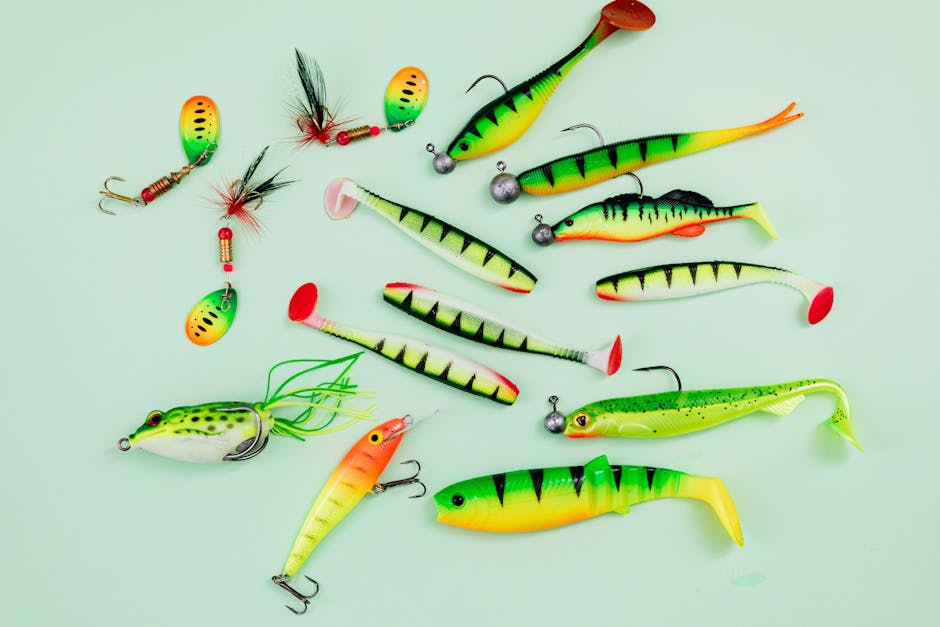 Bucktail jigs in white and chartreuse tipped with soft plastic trailers. This is the most productive flounder setup on the water.
Summer Flounder vs Winter Flounder: Know the Difference
Summer flounder (fluke) are the more common target along the mid-Atlantic and southern coast. Aggressive predators that chase baitfish and crabs along sandy bottoms. Left-eyed. Move inshore May through September. Respond well to drifting bucktails and soft plastic trailers.
Winter flounder are a northern species from New Jersey to the Gulf of Maine. Bottom feeders with small mouths that eat worms and clams. Right-eyed. Move inshore late winter when water temps hit 40 to 50 degrees. Respond to slow-fished natural baits on small hooks.
This guide focuses on summer flounder (fluke) tactics. Winter flounder differences are called out where relevant.
Step-by-Step: How to Catch Flounder
1. Find the Right Bottom (Structure and Transition)
Flounder bury themselves in sand and ambush prey that passes overhead. Your job is finding the edges where bait funnels past their ambush points.
Look for:
- Channel edges where the bottom drops from 6 feet to 12 feet or more
- Sandy bottom near structure like bridge pilings, rock piles and bulkheads
- Inlet mouths where current pushes bait over sandy flats
- Shell bottom transitions where sand meets hard bottom
- Drop-offs and ledges along sandbars and shoals
Use your fishfinder to read the bottom. Even a one-foot drop-off concentrates flounder. Flat featureless bottom holds few fish.
2. Position Your Drift (Angle and Speed)
Drift fishing is the most productive way to cover ground. Set up your drift perpendicular to the structure edge so your jig bounces along the transition zone.
- Ideal drift speed: 0.5 to 1.5 mph. Slower is almost always better
- Use a drift sock if wind pushes you faster than 2 mph
- Drift direction: Position upwind of the structure edge and drift across it
- Mark your GPS when you get a bite. Flounder group up. Where you catch one there are usually more
If drifting is not possible, anchor upcurrent and let your rig swing down to the fish.
3. Work the Bottom (Retrieve and Presentation)
Bucktail jig technique:
- Cast downcurrent or with the drift direction
- Let the jig hit bottom. Feel it tick the sand
- Lift the rod tip 12 to 18 inches with a slow sweep, then let it fall back
- Maintain bottom contact. If you lose it, size up your jig
- The Gulp trailer scent trail pulls flounder off the bottom to investigate
Bottom rig technique:
- Drop the sinker to bottom and keep light tension
- Hold the rod in your hand. Do not put it in a holder
- A flounder bite feels like a slow pull or light taps, not a hard strike
4. Set the Hook (Patience Wins)
This is where most anglers blow it. Flounder do not slam a bait like a striped bass or bluefish. They grab the tail end, turn it and swallow it headfirst. That process takes two to five seconds.
The rule: When you feel the first bump, lower your rod tip and let line go slack for a count of three. Then reel tight and sweep up firmly.
Setting the hook on the first tap pulls the bait right out of its mouth. Force yourself to wait. It feels wrong. It works.
5. Adjust When the Bite Slows
No bites after 15 minutes? Change something:
- Slow down your drift with a drift sock
- Switch trailers: White Gulp to nuclear chicken or new penny
- Add a teaser: Small bucktail or fly 18 inches above your main jig on a dropper loop
- Switch to natural bait: A live minnow on a bottom rig outfishes everything when flounder are finicky
- Move to a new edge: A drift 50 feet to the left might put you right on them
If the bite died on a productive spot, the tide probably shifted. Come back on the next tide change.
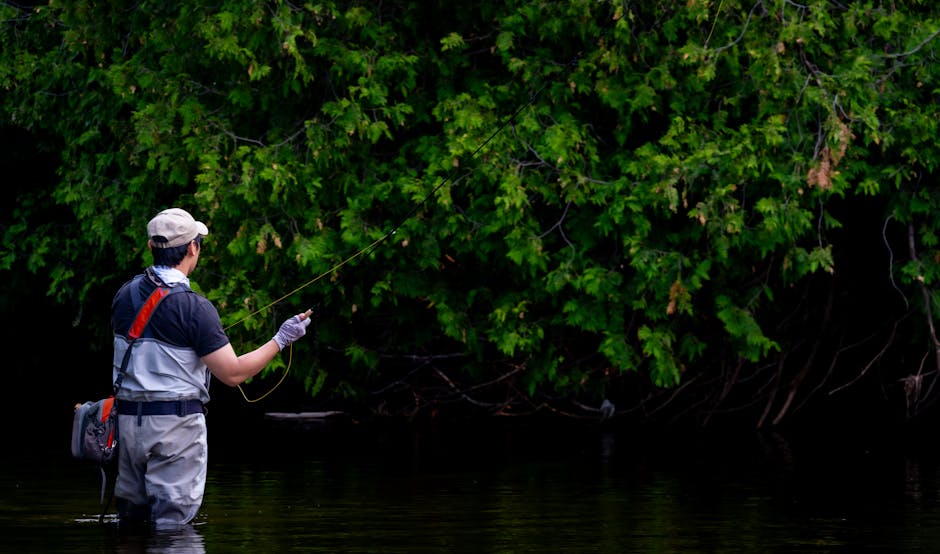 Drifting along a channel edge at 1 mph or less. Keep the jig bouncing bottom and your rod tip low to feel the subtle take.
Decision Tree: Adjust for Conditions
If current is strong (drift over 2 mph):
- Size up to 1oz or heavier bucktail and use a drift sock
- Switch to 3-4oz sinker on your bottom rig
If water is clear (5+ feet visibility):
- Use white or natural colored bucktails. Lengthen leader to 30 inches
- Fish the edges of shadows cast by structure
If water is murky (under 3 feet visibility):
- Use chartreuse or nuclear chicken colors. Tip jigs with squid strip for scent
- Slow your drift. Flounder rely on scent and vibration in dirty water
If wind is dead calm (no drift):
- Use a trolling motor at 0.5 mph or anchor on structure with live bait
If water temp is below 55 degrees:
- Switch to natural bait. Fish slower. Target deeper holes
- Winter flounder territory in the north. Downsize hooks to size 6-8
If you are catching short fish only:
- Move deeper. Doormats hold on structure in deeper water
- Upsize to a 5-inch Gulp or large minnow to discourage small fish
Spot Playbook: Reading the Bottom for Flounder
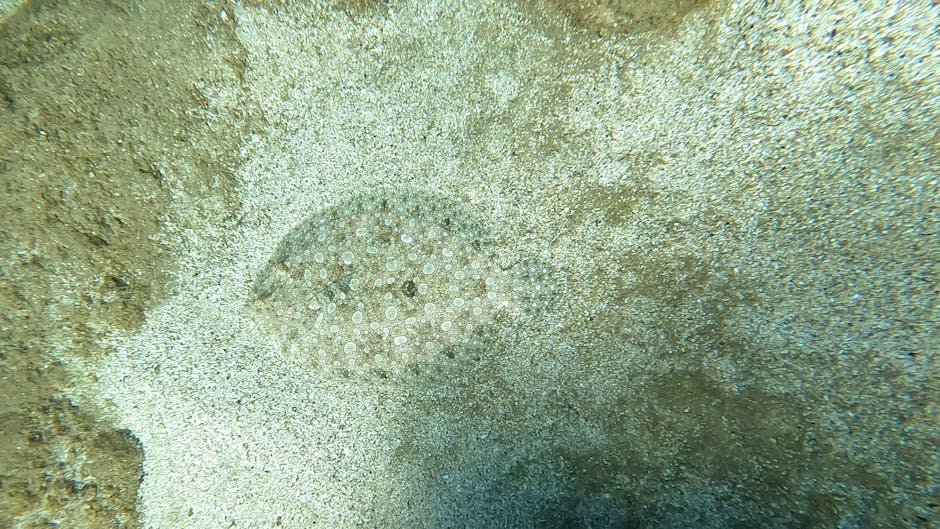 An inlet mouth with sandy bottom and channel edges. Flounder stack up on these transitions when the tide is moving.
Best Structure Types for Flounder
Channel Edges and Drop-offs (Top Producer): Flounder sit at the transition where the flat drops into the channel. They face the current and ambush bait swept off the ledge. Even a 1-2 foot depth change concentrates fish.
Bridge and Dock Pilings: Current wraps around pilings and creates eddies where bait collects. Flounder lie on the downcurrent side in the sand. Cast upcurrent and let your jig sweep past.
Inlet Mouths: The transition from deep inlet to shallow flat is prime territory. Fish the sandy edges of the channel, not the deepest part. Outgoing tide flushes bait out of bays right to waiting flounder.
Shell Bars: The edge where shell meets sand is a highway for flounder. Drag a bottom rig along the sand parallel to the shell edge.
Where Flounder Stage
- Transition zones: On the sand side where soft bottom meets hard bottom
- Current seams: Where fast water meets slow water
- Shadow lines: Flounder use shade for camouflage during bright conditions
- Subtle depressions: Even a 6-inch dip in flat bottom holds fish
Approach and Positioning
- Set up drifts that cross structure edges, not parallel to them
- Avoid motoring directly over the spot you want to fish
- In shallow water (under 8 feet) cut the motor and drift quietly
Seasonal Migration: When the Doormats Show Up
Spring (April-May): Flounder move inshore when water temps reach 55 to 60 degrees. Smaller fish arrive first on shallow sandy flats near inlet mouths.
Summer (June-August): Peak season. Flounder spread across inshore flats, channels and back bays. Fish shallower in morning and evening. They drop to edges during bright midday sun.
Fall (September-October): Doormat season. Big fish stage near inlets preparing for their offshore migration. Target the deepest structure near inlets and read the water for current seams. Live bait and large Gulp trailers produce the biggest fish of the year.
Winter (November-March): Summer flounder head offshore. In the northeast, winter flounder move inshore. Target them in harbors and bays with natural baits on small hooks.
Mistakes That Kill the Bite
- Setting the hook too early: The number one flounder mistake. Wait three seconds after the first bump. Patience puts flounder on the hook
- Drifting too fast: Anything over 2 mph drags your bait above the strike zone. Use a drift sock
- Losing bottom contact: If your jig is not bouncing bottom, flounder cannot find it. Size up your weight
- Fishing featureless bottom: Flat sand with no depth change holds few flounder. Find the edges and transitions
- Using dull hooks: Flounder have tough mouths. Check hook points every few drifts
- Rod in the holder: You cannot feel a flounder bite in a holder. Hold the rod
- Ignoring the tide: Slack tide kills the bite. Fish the last two hours of incoming or first two of outgoing
- Same drift, no fish, keep trying: Three empty drifts means move. You might be 30 feet off the mark
- Forgetting scent: A plain bucktail catches fewer fish than one tipped with Gulp or squid strip
- Not marking bites on GPS: Flounder group up. Drop a waypoint when you get bit. That spot produces again on the next tide
Want to remember which spots produced fish on which tide and conditions? The Tackle app lets you log your catches with GPS pins, tide data and conditions so you stop guessing and start building a pattern book. Try Tackle free.
Frequently Asked Questions
What is the best bait for flounder?
Berkley Gulp Swimming Mullet in 4-inch pearl white tipped on a 3/4oz white bucktail jig. Bounce it along the bottom. For natural bait, live minnows and fresh squid strips are top choices. Scent and movement together trigger flounder to commit.
How do you know when a flounder bites?
A flounder bite feels like a slow pull or light taps. Not a hard strike. The fish grabs the tail first, turns it and swallows headfirst. Wait three seconds after initial contact before setting the hook.
What depth do flounder live in?
Best inshore fishing happens in 8 to 20 feet over sandy bottom near channel edges, drop-offs and pilings. During summer they spread shallower. During fall the biggest fish hold deeper near inlets.
What is a doormat flounder?
A doormat is an extra-large flounder, generally over 8 pounds or 28 inches. Named for their flat body shape. Most commonly caught in fall when big fish stage near inlets before offshore migration. Large live baits and oversized Gulp trailers on heavy bucktails produce doormats.
Can you catch flounder from shore?
Yes. Jetties, piers, bridges and bulkheads all produce flounder. Find sandy bottom near structure with current. Use a sliding sinker bottom rig with a live minnow or Gulp trailer. If you are new to fishing from shore, check out our beginner's guide to saltwater fishing.
1-Minute Action Plan
Ready to catch flounder this week? Here is your checklist:
Rig to tie on:
- 3/4oz white Spro bucktail jig tipped with 4-inch Berkley Gulp Swimming Mullet (pearl white)
- 10-15lb braid main line + 20lb fluorocarbon leader (24 inches)
2 places to try first:
- A channel edge or drop-off near an inlet with sandy bottom and moving current
- Bridge pilings or dock pilings where current pushes bait past the structure
First retrieve technique:
- Drift over the structure edge at 0.5 to 1 mph
- Bounce the jig along the bottom with slow rod-tip lifts
- Maintain bottom contact at all times
One adjustment if no bites:
- Switch the Gulp trailer from white to nuclear chicken
- Or swap to a bottom rig with a live minnow and let it soak for 5 minutes
Log your flounder spots, tide conditions and what worked in the Tackle app so you can repeat the pattern next trip. Download Tackle free.
Next Steps: Keep Learning
Now that you know how to target flounder, here is what to read next:
- If you want to learn more about soft plastic trailers: How to use soft plastic lures for fishing
- If you are new to saltwater fishing: Saltwater fishing basics for beginners
- If you want to improve your water reading skills: How to read water for fishing
- If you are just getting started fishing: Fishing tips for beginners
- If you want more inshore tactics: Inshore fishing tips and techniques
Always Check Current Regulations
Flounder regulations including size limits, bag limits and seasonal closures vary by state and region. Always check current regulations with your state fish and wildlife agency before fishing.
Regulations are subject to change. Tackle is not responsible for regulatory information. Always consult official government sources before keeping fish.
Sources

Tackle Team
The Tackle Fishing Team is a collective of anglers, data scientists, and fishing enthusiasts dedicated to making fishing more accessible and successful for everyone.
View profileSources Consulted
The following sources were consulted in creating this guide:
- NOAA Fisheries - Summer Flounder – www.fisheries.noaa.gov (retrieved Mar 2026)
- Berkley Fishing – www.berkley-fishing.com (retrieved Mar 2026)
- On The Water Magazine – www.onthewater.com (retrieved Mar 2026)
Note: Information is summarized and explained in our own words. Always verify current regulations with official sources.
Frequently Asked Questions
What is the best bait for flounder?
Berkley Gulp Swimming Mullet in 4-inch pearl white is the single most productive flounder bait on the market. Tip it on a 3/4oz white bucktail jig and bounce it along the bottom. For natural bait, live minnows (killifish) and fresh squid strips are top choices. The combination of scent and movement is what triggers flounder to commit.
How do you know when a flounder bites?
A flounder bite feels like a slow pull, a series of light taps or sudden weight on the line. It does not feel like a hard strike. The fish grabs the tail of the bait first, then turns it to swallow it headfirst. Wait three seconds after the initial contact before setting the hook.
What depth do flounder live in?
Flounder are found in 4 to 30 feet of water inshore and up to 200 feet offshore. The best inshore fishing happens in 8 to 20 feet over sandy bottom near structure like channel edges, drop-offs and pilings. During summer they spread across shallower flats. During fall the biggest fish hold deeper near inlets.
What is a doormat flounder?
A doormat is an extra-large flounder, generally over 8 pounds or 28 inches long. The name comes from their flat body shape. Doormats are most commonly caught in fall during the offshore migration when big fish stage near inlets and deep channel structure. Large live baits and oversized Gulp trailers on heavy bucktails are the go-to.
Can you catch flounder from shore?
Yes. Flounder are caught from jetties, piers, bridges, bulkheads and surf. The key is finding sandy bottom near structure with current. Jetty tips and inlet shorelines are top spots. Use a sliding sinker bottom rig with a live minnow or Gulp trailer. Cast out, let it settle and wait for the bite.
Plan Your Next Fishing Trip
Download Tackle to compare tide charts, wind conditions, and practical fishing guidance for your location before you go.
✓ Real-time tide charts • ✓ Wind & weather forecasts • ✓ AI fish identification
See local regulations — Find regulations for your area
Want weekly fishing windows delivered to your inbox?
Get personalized fishing forecasts based on weather, tides, and moon phases.
RELATED CONTENT
KEEP READING