

This debate has been going on since reels were invented. Ask five anglers and you'll get six opinions. But here's the thing: there's no universal winner. The right reel depends on what you're fishing for, where you're fishing and how much practice you're willing to put in.
Let's break it down honestly.
How They Actually Work
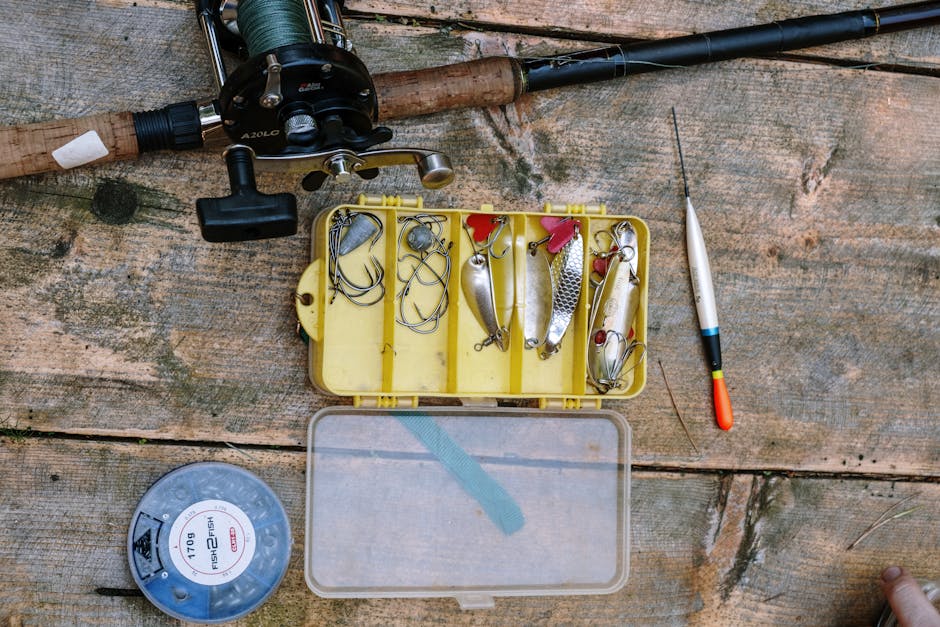
A baitcasting reel sits on top of the rod. The spool spins during the cast, releasing line directly through the guides. You control the spool speed with your thumb. More control means more precision. But if the spool spins faster than the line is leaving, you get a backlash. That tangled mess of line anglers call a "bird's nest." It will happen. A lot. Especially when you're learning.
A spinning reel hangs below the rod. The spool doesn't spin at all. Instead, a bail wraps line around a fixed spool when you crank. To cast, you flip the bail open and the line peels off the spool freely. No spool management required. No bird's nests. It's simpler by design.
This mechanical difference drives everything else about when and why you'd pick one over the other.
Get Personalized Fishing Advice
Want real-time conditions for your exact location? Tackle provides live tide data, wind forecasts, and AI-powered fishing advice tailored to where you fish.
✓ Real-time tide charts • ✓ Wind & weather forecasts • ✓ AI fish identification
When Baitcasters Win
Baitcasters shine when you need power and accuracy with heavier tackle.
Heavy cover fishing. Pitching a 3/8 oz jig into a gap between lily pads, 15 feet away, without splashing? That's baitcaster territory. Thumb control lets you feather the cast and drop the lure exactly where you want it. Spinning reels can't match that precision with heavier baits.
Big fish in tight spots. Pulling a 5-pound bass out of submerged timber on 20 lb fluorocarbon? Baitcasters handle heavy line without the casting issues spinning reels develop. The direct-drive gear system also gives you more cranking power per turn.
Frog fishing and topwater. Walking a hollow-body frog across a mat of vegetation requires steady, controlled line management. Baitcasters keep everything tight and responsive.
Crankbaits and swimbaits. Heavier moving baits in the 3/8 to 1 oz range cast farther and more accurately on baitcasting gear. The reel position on top of the rod also reduces wrist fatigue during long retrieves.
Best species: largemouth bass, catfish, pike, musky. Anything that lives in cover or fights hard.
When Spinning Reels Win
Spinning reels dominate finesse fishing and light-line applications.
Light lures. Trying to cast a 1/8 oz drop shot or a small Ned rig? A spinning reel handles it easily. Baitcasters struggle with anything under 1/4 oz because there isn't enough weight to pull line off the spool fast enough.
Skipping under docks. The sidearm skip cast is way easier on a spinning reel. The line comes off the fixed spool cleanly during that low, flat trajectory. Plenty of tournament bass anglers keep a spinning rod specifically for skipping wacky-rigged Senkos under boat docks.
Beginner-friendly. No spool management means no bird's nests. Open the bail, cast, close the bail, retrieve. Someone can learn the basics in ten minutes.
Long casts with light line. Thin braided line on a spinning reel will sail forever. If you're fan-casting a flat or fishing open water where distance matters more than precision, spinning gets you there.
Wind. Baitcasters backlash more in wind because gusts slow the lure while the spool keeps spinning. Spinning reels don't care about wind nearly as much.
Best species: panfish, trout, walleye, schooling bass, inshore saltwater (redfish, snook, speckled trout).
The Learning Curve Is Real
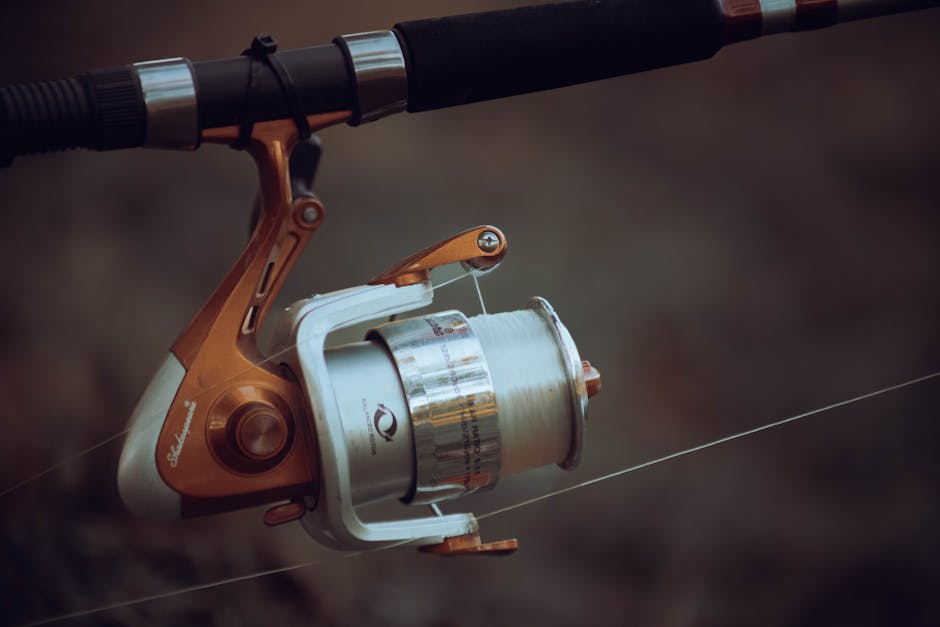
Spinning reels: you can fish productively on day one.
Baitcasters: plan to spend a few sessions just practicing casting. You'll pick bird's nests out of your spool. You'll get frustrated. But once it clicks, the control and precision are worth it.
Here's a tip most people skip: start with the brakes turned up high on your baitcaster. Way up. You'll sacrifice distance but avoid most backlashes. As your thumb develops muscle memory, dial the brakes back gradually. Don't try to bomb long casts on day one.
Also, practice with a heavier lure. A 1/2 oz weight tied to the end of your line is way more forgiving than starting with a 1/4 oz crankbait.
What About Price?
Budget spinning reels start around $30-50 and work fine for beginners. The Pflueger President ($40-60) is the classic recommendation for good reason. It's smooth and reliable.
Budget baitcasters start around $50-80, but cheap ones fight you. The braking systems aren't refined enough and you'll backlash more than necessary. If you're going baitcasting, spend at least $100. The Shimano SLX ($120-150) or Daiwa Tatula ($130-170) are solid mid-range picks that won't punish beginners.
For advanced anglers, spinning reels top out around $200-350 for high-end models. Baitcasters can run $200-500+ for premium low-profile reels with advanced braking systems.
Common Mistakes
Baitcaster mistakes:
- Not adjusting the spool tension knob. It should be set so your lure drops slowly when you press the thumb bar. If it free-falls, you'll backlash.
- Casting into the wind before you're comfortable. Wind is a baitcaster's worst enemy until your thumb learns to compensate.
- Starting with too light a lure. Stick to 3/8 oz and above while learning.
Spinning reel mistakes:
- Closing the bail by cranking instead of flipping it by hand. Cranking to close puts a twist in your line every single cast. After a hundred casts you'll have a tangled mess.
- Overloading with heavy line. A 2500-size spinning reel with 20 lb fluorocarbon will cast terribly. Match your line to the reel size.
- Ignoring line twist. If you start getting loops and tangles, let all your line out behind a moving boat (or just strip it off and re-spool).
So Which Should You Buy?
If you're new to fishing, get a spinning reel. Period. Learn to fish first, then learn baitcasting later when you have a reason to.
If you already fish and want to target bass in heavy cover, flip jigs into structure or throw heavier moving baits, add a baitcaster to your arsenal.
Most serious anglers carry both. A spinning setup for finesse and a baitcasting setup for power fishing. That's not fence-sitting. That's just using the right tool for the job.
The Tackle app can help you track which setups produce best in different conditions. Log your catches with the gear you used and you'll start seeing patterns. Maybe your spinning setup crushes it on windy days while your baitcaster is money around docks. Data beats guesswork.
FAQs
Can beginners use a baitcasting reel?
Yes, but expect a learning curve. Budget extra time for practice sessions before you hit the water seriously. Start with brakes turned high and a heavier practice lure. Most people need 4-6 outings before baitcasting feels natural.
Is a baitcaster better than a spinning reel for bass?
Depends on the technique. For power fishing (jigs, frogs, crankbaits, heavy cover), baitcasters have the edge. For finesse (drop shots, Ned rigs, wacky rigs, skipping docks), spinning reels win. Tournament pros carry both.
Why do I keep getting backlashes on my baitcaster?
Usually one of two things: your spool tension is too loose, or you're casting into the wind without enough thumb pressure. Tighten the tension knob until your lure drops slowly (not free-falls). Keep your brakes on the higher side until your thumb develops the feel.
What pound test line should I use on a baitcaster vs spinning reel?
Baitcasters handle heavier line well. 12-20 lb fluorocarbon or 30-50 lb braid is typical. Spinning reels work best with lighter line. 6-12 lb fluorocarbon or 10-20 lb braid on a 2500-3000 size reel.
Are expensive reels actually worth it?
Up to a point. A $120-150 reel is significantly better than a $40 reel. But a $400 reel vs a $150 reel? Diminishing returns. The biggest difference at higher price points is weight savings and smoother bearings. If you fish 200+ days a year, you'll appreciate it. For weekend anglers, mid-range is the sweet spot.
Sources
- Wired2Fish: Baitcaster vs Spinning Reel
- Outdoor Life: Baitcaster vs Spinning Reel
- KastKing: Baitcaster vs Spinning Reel Lure Selection
Regulations change. Always verify with official sources.

Tackle Team
The Tackle Fishing Team is a collective of anglers, data scientists, and fishing enthusiasts dedicated to making fishing more accessible and successful for everyone.
View profileSources Consulted
The following sources were consulted in creating this guide:
- Wired2Fish: Baitcaster vs Spinning Reel – www.wired2fish.com (retrieved Mar 2026)
- Outdoor Life: Baitcaster vs Spinning Reel – www.outdoorlife.com (retrieved Mar 2026)
- KastKing: Fishing Lure Selection – kastking.com (retrieved Mar 2026)
Note: Information is summarized and explained in our own words. Always verify current regulations with official sources.
Frequently Asked Questions
Can beginners use a baitcasting reel?
Yes, but expect a learning curve. Budget extra time for practice sessions before you hit the water seriously. Start with brakes turned high and a heavier practice lure. Most people need 4-6 outings before baitcasting feels natural.
Is a baitcaster better than a spinning reel for bass?
Depends on the technique. For power fishing (jigs, frogs, crankbaits, heavy cover), baitcasters have the edge. For finesse (drop shots, Ned rigs, wacky rigs, skipping docks), spinning reels win. Tournament pros carry both.
Why do I keep getting backlashes on my baitcaster?
Usually one of two things: your spool tension is too loose, or you're casting into the wind without enough thumb pressure. Tighten the tension knob until your lure drops slowly (not free-falls). Keep your brakes on the higher side until your thumb develops the feel.
What pound test line should I use on a baitcaster vs spinning reel?
Baitcasters handle heavier line well. 12-20 lb fluorocarbon or 30-50 lb braid is typical. Spinning reels work best with lighter line. 6-12 lb fluorocarbon or 10-20 lb braid on a 2500-3000 size reel.
Are expensive reels actually worth it?
Up to a point. A $120-150 reel is significantly better than a $40 reel. But a $400 reel vs a $150 reel? Diminishing returns. The biggest difference at higher price points is weight savings and smoother bearings. If you fish 200+ days a year, you'll appreciate it. For weekend anglers, mid-range is the sweet spot.
Plan Your Next Fishing Trip
Download Tackle to compare tide charts, wind conditions, and practical fishing guidance for your location before you go.
✓ Real-time tide charts • ✓ Wind & weather forecasts • ✓ AI fish identification
See local regulations — Find regulations for your area
Want weekly fishing windows delivered to your inbox?
Get personalized fishing forecasts based on weather, tides, and moon phases.
RELATED CONTENT
KEEP READING