

Walleye are the best-eating freshwater fish in North America. This guide covers every major walleye tactic so you can put fish in the boat whether you are jigging structure, trolling open basins or soaking live bait on a slip bobber.
Best for: Beginner to Intermediate
What you need: Medium-light spinning rod (6'6" to 7'), 6 to 10 lb line, jigs (1/8 to 3/8 oz), live bait (leeches, minnows or nightcrawlers)
Do this first: Find a rocky point or reef that drops from 8 to 15 feet. Pitch a 1/4 oz jig tipped with a leech or minnow to the break line. Drag it slow. That single setup catches more walleye than everything else combined.
Quick Answer: How to Catch Walleye
- Jig and minnow or jig and leech on structure transitions (rock to sand, hard bottom to mud) in 8 to 20 feet
- Fish low-light windows hard. Dawn, dusk and overcast days are prime. Night fishing produces trophy fish all summer
- Troll crankbaits or spinner harnesses over flats and basin edges when fish scatter in summer
- Use slip bobbers with live bait over precise spots like rock piles and weed edges where jigging would snag
- Walleye are bottom-oriented but feed up. Keep your bait within 2 feet of bottom most of the time
- Match your jig weight to depth and current. You should feel bottom without dragging through it
Get Personalized Fishing Advice
Want real-time conditions for your exact location? Tackle provides live tide data, wind forecasts, and AI-powered fishing advice tailored to where you fish.
✓ Real-time tide charts • ✓ Wind & weather forecasts • ✓ AI fish identification
Tackle Box Snapshot (Copy This Setup)
- Jigs: 1/8 oz (shallow/calm), 1/4 oz (all-around), 3/8 oz (deep/current). Northland Fire-Ball or VMC Moon Eye. Chartreuse, orange and glow
- Live bait: Leeches (summer), fathead minnows (spring and fall), nightcrawlers (all season on harnesses)
- Crankbaits: Rapala Shad Rap #5 and #7, Berkley Flicker Shad, Bandit Walleye Deep. Perch, firetiger and shad patterns
- Spinner harnesses: Mack's Lure Smile Blade, Erie Dearie. Colorado or Indiana blades in gold or chartreuse
- Line: 8 lb mono or 10 lb braid with 6 to 8 lb fluorocarbon leader
- Hooks: #4 to #2 octopus for live bait rigs, #6 trebles on harnesses
- Target depth: 8 to 25 feet depending on season. Focus on hard-to-soft bottom transitions
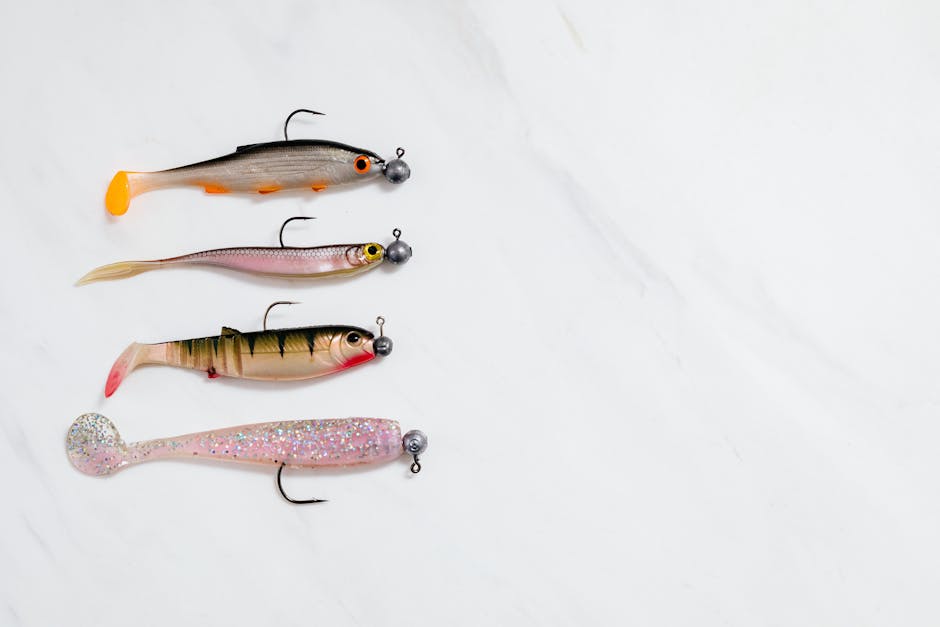
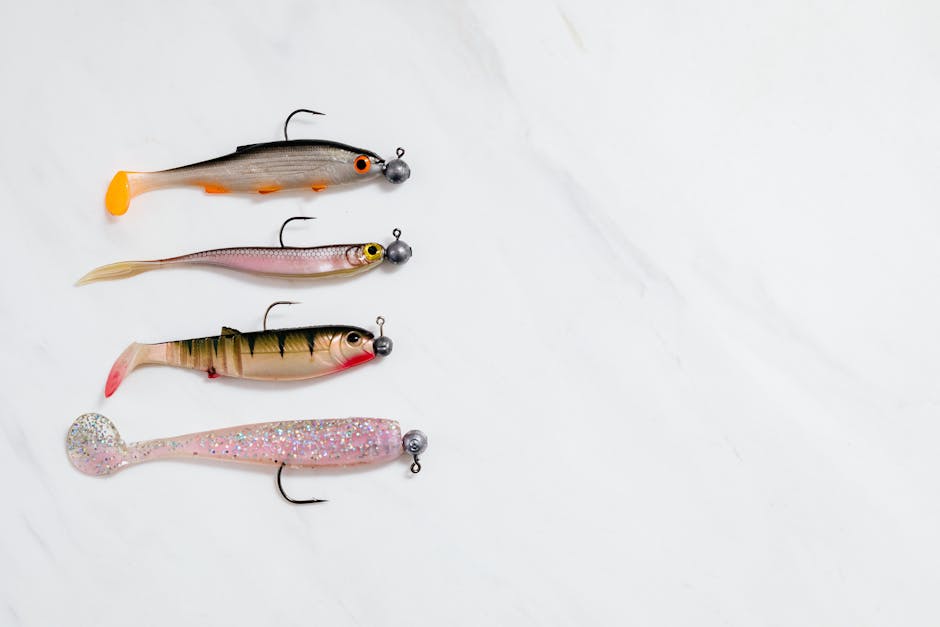 A basic walleye spread covers three approaches: jigs for structure, crankbaits for trolling and live bait rigs for finesse situations.
Step-by-Step: Catching Walleye on Jigs
Jigging is the most consistent walleye method across all seasons.
-
Find the structure. Use your electronics to locate a point, reef or river current break in 8 to 20 feet. Mark where the bottom transitions from hard to soft. That edge is the feeding zone.
-
Position your boat. Anchor or use your trolling motor to hold just off the structure. Cast onto the break and work your jig from shallow to deep. In rivers, position upstream and let current carry the jig along the break.
-
Cast and let it sink. Pitch the jig and watch your line. Walleye often hit on the fall. If you cannot feel bottom, go heavier.
-
Work it slow. Lift the rod tip 6 to 12 inches, let the jig fall on a semi-taut line. Pause 2 to 5 seconds on bottom between lifts. Walleye bites feel like a subtle tick or extra weight. Any change in what you feel means set the hook.
-
Adjust after 15 minutes. Switch bait types. Slow your cadence. Move 5 feet deeper along the break. If fish are on your graph but not biting, downsize the jig and add a longer pause.
For more on snap-and-pause cadences that also produce walleye, see our jerkbait guide. The blade baits guide also covers vertical presentations that are deadly on walleye in cold water.
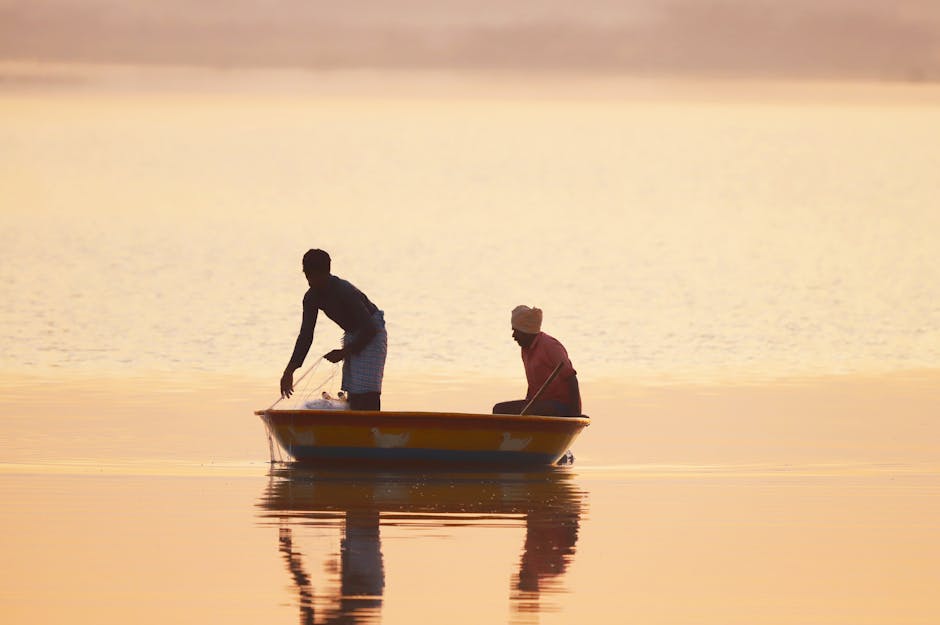
 Low-light periods are prime walleye time. Arrive 30 minutes before sunrise and fish through the first two hours for the most consistent action.
Trolling Crankbaits and Spinner Harnesses
When walleye scatter across flats and basin edges in summer, trolling lets you cover water until you intercept them.
Crankbait trolling: Rapala Shad Rap, Berkley Flicker Shad or Bandit Walleye Deep at 1.2 to 2.0 mph. Let out enough line so the crankbait reaches 1 to 3 feet above bottom. Our crankbait guide covers diving depth charts and line-length calculations.
Spinner harness trolling: A spinner harness trailing a nightcrawler is deadly on mid-summer walleye. Troll at 0.8 to 1.5 mph with a bottom bouncer that keeps the rig ticking bottom. Gold and chartreuse blades in sizes #3 to #5.
Pro tip: Use planer boards to spread lines and move bait away from the boat. This matters in clear water where walleye spook from engine noise.
Live Bait Rigging (Leeches, Minnows, Nightcrawlers)
When walleye are neutral or negative, a slow-moving live bait presentation outfishes everything else.
Lindy rig: Thread a 1/4 to 3/8 oz walking sinker on your main line. Tie a barrel swivel. Add 3 to 4 feet of 6 lb fluorocarbon leader and a #4 octopus hook. Hook a leech through the head or a minnow through the lips. Drift at 0.3 to 0.8 mph and let the sinker drag bottom while the bait floats naturally behind it.
When a walleye picks up the bait, you will feel a tap and then steady weight. Drop your rod tip, let the fish run 3 to 5 seconds, reel down and sweep set. A drop shot rig is another finesse option that keeps your bait suspended at an exact depth above bottom, which is deadly when walleye are holding tight to structure. If you prefer live bait over plastics, our fishing with worms guide covers nightcrawler rigging in detail. For more live bait options across freshwater species, check out our freshwater fishing baits guide.
Slip Bobber Fishing
Slip bobbers let you suspend bait at an exact depth over structure that would eat jigs.
Setup: Thread a bobber stop and bead onto your main line. Add a slip bobber. Tie a #4 hook on 3 to 4 feet of fluorocarbon leader below a small split shot. Set the stop so your bait hangs 6 to 18 inches off bottom.
Technique: Cast to the spot. Let the bobber settle. When it dips or slides sideways, wait 2 to 3 seconds and set the hook. Leeches in summer and minnows in spring and fall. Slip bobbers work especially well at night when walleye move shallow to feed.
Gear Setup for Walleye
Rod: 6'6" to 7' medium-light spinning rod with a fast tip. St. Croix Eyecon or Fenwick HMG are purpose-built walleye rods.
Reel: 2500 to 3000 size spinning reel with smooth drag. Shimano Stradic or Pflueger President.
Line: 8 lb mono for general use. 10 to 15 lb braid with a 6 to 8 lb fluorocarbon leader for jigging deep water or heavy current. If you are still building your first setup, our beginner fishing tips guide covers the fundamentals.
Decision Tree: Adjusting to Conditions
- If water is clear (6+ ft visibility) -> natural colors (silver, perch, shad), lighter line and longer leaders. Fish deeper. Move quiet.
- If water is stained (2-4 ft visibility) -> chartreuse, orange and firetiger. Blades and rattle baits help fish find your bait.
- If water is muddy (under 2 ft) -> glow jigs, scented baits, slow presentations tight to bottom.
- If wind is blowing into structure -> fish that windblown side. Walleye follow baitfish pushed by wave action.
- If cold front just passed -> lighter jigs, longer pauses, live bait over artificials. Fish may push 5 to 10 feet deeper.
- If post-spawn (late spring) -> females scatter to deeper flats. Males linger near spawning reefs. Target adjacent structure in 10 to 18 feet.
Spot Playbook: Reading Structure for Walleye
Points and reefs: Fish the windblown side of any point that drops from 6 to 20 feet. The tip and the first breakline off it are the primary feeding zones.
River current breaks: Walleye hold behind rocks, bridge pilings and wing dams where current slows. Cast upstream and let your jig bounce through the slack water.
Mud flats adjacent to hard bottom: The best walleye bite often happens where gravel or rock transitions to mud. Baitfish and insects concentrate on the soft side of that edge.
Weed edges: Cabbage and coontail in 10 to 15 feet create ambush points. Walleye sit just outside the weed line. Slip bobbers and spinner harnesses are the best tools here. Perch often share the same weed edges, so keep a lighter rod rigged in case you want to target them too.
For more on reading productive water, our how to read water guide covers current seams, drop-offs and transitions in detail.
 Rocky points that drop into 15-25 feet are textbook walleye structure. Focus on the first major break where rock meets sand or mud.
Seasonal Patterns
Early spring (38-48 degrees): Walleye stage near spawning areas. Rocky shorelines, river mouths and dam tailraces. Jig and minnow fished slow. Trophy season.
Late spring (48-58 degrees): Post-spawn scatter to adjacent flats. Lindy rigs with leeches start producing. Crankbaits over emerging weed flats.
Summer (65-78 degrees): Deep during the day (18-30 feet), shallow to feed at night. Trolling by day. Jigs and slip bobbers on shallow reefs after dark.
Fall (55-45 degrees): Aggressive feeding before winter. Shallow flats and baitfish schools. Jig and minnow on rock. Best all-day bite of the year.
Winter/ice (32-38 degrees): Vertical jigging with Rapala Jigging Raps or fishing spoons tipped with minnow heads. Basin edges, deep humps and river channels in 20-35 feet.
The Low-Light and Night Fishing Advantage
Walleye eyes contain a reflective layer called the tapetum lucidum that amplifies available light. This gives them a predatory edge over baitfish when light levels drop. They feed most aggressively during:
- The first and last hour of daylight
- Overcast and rainy days
- Choppy water that cuts light penetration
- Night, especially around the new moon
Night fishing tip: Use glow jigs charged with a UV light every 20 minutes. Fish shallower than daytime. Walleye push onto rock bars and shoreline points in 4 to 10 feet after dark.
Using Electronics to Find Walleye
2D sonar: Look for arches near bottom on points, humps and break lines. Walleye appear as marks within 2 feet of substrate.
Side imaging: Scan flats and basins to find isolated rock piles and weed clumps. These small features hold fish you would never find by random casting.
Mapping/GPS: Mark every spot you catch fish. Over time you build a personal map that puts you on fish faster every trip. Do not park on fish you mark. Walleye spook from boat traffic. Mark the spot, move off and approach with a cast or controlled drift.
The Tackle app lets you log catches with GPS pins, water temps and conditions so you can track which spots produce across seasons.
Mistakes That Kill the Walleye Bite
- Fishing too fast. A jig sitting still for 5 seconds catches more walleye than one bouncing every half-second.
- Ignoring transitions. Fish where bottom composition changes. Random open water is a waste of time.
- Using too heavy a jig. You want to barely maintain bottom contact, not plow through it.
- Setting the hook too hard. Walleye have thin mouths. Reel tight and sweep set.
- Fishing only during the day. Dawn and dusk outproduce noon by a wide margin.
- Not checking your bait. Leeches ball up and minnows die. Check every 10 to 15 minutes.
- Trolling the same path repeatedly. Make S-curves, change depths and cover fresh water each pass.
- Skipping the electronics. Use your sonar to find fish first, then present your bait.
Track Your Walleye Patterns
Walleye fishing rewards anglers who keep records. Water temperature, wind direction, moon phase and depth all influence where fish set up. The Tackle app makes it easy to log every trip with GPS and weather data so you can spot patterns that repeat year after year.
Ready to build your own walleye playbook? Download Tackle free and start logging.
FAQs
What is the best bait for walleye?
Leeches from late spring through early fall. Minnows in spring and late fall when water is cold. Nightcrawlers work all season on spinner harnesses. For artificials, a 1/4 oz jig in chartreuse or orange is the single most productive walleye lure ever made.
What depth do walleye live in?
Spring fish hold in 4 to 12 feet near spawning areas. Summer fish range from 15 to 30 feet during the day but move as shallow as 4 feet at night. Fall fish are in 8 to 20 feet on feeding flats. Focus on bottom transitions within those depth ranges.
What time of day is best for walleye?
Dawn and dusk are the best windows. Walleye have light-sensitive eyes built for low-light feeding. Overcast days extend the bite. Night fishing in summer produces the biggest fish on many lakes.
Do you need a boat to catch walleye?
No. Shore anglers catch walleye from river banks, dam tailraces, piers and bridge causeways. Slip bobbers and casting jigs both work well from shore. Focus on spots where current or structure brings fish within casting range.
What is the best walleye trolling speed?
For crankbaits, 1.2 to 2.0 mph. For spinner harnesses with bottom bouncers, 0.8 to 1.5 mph. Slower in cold water, faster in warm water. Use GPS for accurate speed readings because wind and current throw off your feel.
1-Minute Action Plan
- Tie on: 1/4 oz chartreuse jig with a #4 hook. Tip with a leech or minnow.
- Go to: A rocky point or reef that breaks from 8 to 15 feet. Windblown side if possible.
- Retrieve: Lift 6 to 12 inches off bottom, let it fall back, pause 3 seconds. Repeat.
- No bites after 15 minutes: Switch bait type, slow down your pause to 5 seconds or move 5 feet deeper along the break.
Where to Go Next
- Interested in the crankbaits mentioned for trolling? Our crankbait guide breaks down diving depths, color selection and retrieval techniques.
- Want to understand current breaks and transition zones? Read how to read water for a full breakdown of structure reading.
- New to freshwater fishing? Start with our beginner fishing tips for rod, reel and line basics.
Sources
Regulations vary by state and body of water. Always check current local regulations before you fish.

Tackle Team
The Tackle Fishing Team is a collective of anglers, data scientists, and fishing enthusiasts dedicated to making fishing more accessible and successful for everyone.
View profileSources Consulted
The following sources were consulted in creating this guide:
- In-Fisherman – www.in-fisherman.com (retrieved Mar 2026)
- Wired2Fish – www.wired2fish.com (retrieved Mar 2026)
- North American Fisherman – www.northamericanfisherman.com (retrieved Mar 2026)
Note: Information is summarized and explained in our own words. Always verify current regulations with official sources.
Frequently Asked Questions
What is the best bait for walleye?
Leeches from late spring through early fall. Minnows in spring and late fall when water is cold. Nightcrawlers work all season, especially on spinner harnesses. If fishing artificials, a 1/4 oz jig in chartreuse or orange is the single most productive walleye lure ever made.
What depth do walleye live in?
It depends on the season. Spring fish are in 4 to 12 feet near spawning areas. Summer fish range from 15 to 30 feet during the day but move as shallow as 4 feet at night. Fall fish are in 8 to 20 feet on feeding flats.
What time of day is best for walleye?
Dawn and dusk are consistently the best windows. Walleye have light-sensitive eyes built for low-light feeding. Overcast days extend the bite. Night fishing in summer produces the biggest fish of the year on many lakes.
Do you need a boat to catch walleye?
No. Shore anglers catch walleye regularly from river banks, dam tailraces, piers and bridge causeways. Slip bobbers and casting jigs both work well from shore. Focus on spots where current or structure brings fish within casting range.
What is the best walleye trolling speed?
For crankbaits, 1.2 to 2.0 mph depending on the lure and water temperature. For spinner harnesses with bottom bouncers, 0.8 to 1.5 mph. Slower in cold water, faster in warm water.
Plan Your Next Fishing Trip
Download Tackle to compare tide charts, wind conditions, and practical fishing guidance for your location before you go.
✓ Real-time tide charts • ✓ Wind & weather forecasts • ✓ AI fish identification
See local regulations — Find regulations for your area
Want weekly fishing windows delivered to your inbox?
Get personalized fishing forecasts based on weather, tides, and moon phases.
RELATED CONTENT
KEEP READING