

Yellow perch are one of the best-eating freshwater fish in North America and one of the most fun species to target on light tackle. They school up in big numbers, bite aggressively when you find them and fight hard enough on ultralight gear to keep things interesting.
Best for: Beginner to Intermediate What you need: Ultralight spinning rod, small jigs or hooks, live bait (minnows or worms), a basic sonar unit Do this first: Find a lake with a known perch population, spool up 4-pound monofilament on an ultralight spinning combo and buy a dozen small fathead minnows. Drop a minnow on a small jig near bottom structure and you will catch perch.
Quick Answer
- Best baits: Live minnows, nightcrawler pieces, wax worms, 1/16 to 1/8 oz jigs tipped with soft plastics
- Where to fish: Sandy or gravel bottoms near drop-offs, weed edges, rock piles and submerged humps in 10 to 30 feet of water
- Retrieve pattern: Slow lift-and-drop jigging with long pauses near the bottom
- Best conditions: Overcast days with light wind, early morning and late afternoon feeding windows
- Key rule: Perch are schooling fish. If you catch one, stay put. More are nearby.
Get Personalized Fishing Advice
Want real-time conditions for your exact location? Tackle provides live tide data, wind forecasts, and AI-powered fishing advice tailored to where you fish.
✓ Real-time tide charts • ✓ Wind & weather forecasts • ✓ AI fish identification
Understanding Yellow Perch Behavior
Yellow perch are bottom-oriented schooling fish. They roam in groups of a dozen to several hundred, cruising along the bottom looking for invertebrates, small minnows and insect larvae. Unlike bass that ambush from cover, perch move as a pack and graze across flats and along structural edges.
This schooling behavior is the single most important thing to understand. When you catch a perch, the school is right there. Work that spot hard before the group moves on. If the bite dies, the school has shifted. Move with them or wait for the next wave.
Perch have small mouths relative to their body size. Your baits and hooks need to be small. A size 6 or size 8 hook is the right starting point. Anything bigger and you will miss bites from all but the largest fish.
They feed primarily by sight. Overcast skies or a light chop on the surface diffuses the light and triggers more active feeding. Bright bluebird days push perch tighter to the bottom and make them sluggish.
Tackle Box Snapshot
- Rod: 5 to 6.5-foot ultralight spinning rod (St. Croix Panfish Series, Fenwick Eagle or Ugly Stik Elite)
- Reel: Size 1000 to 2000 spinning reel (Pflueger President, Shimano Sienna or Daiwa Regal)
- Line: 4 to 6-pound monofilament or 4-pound fluorocarbon
- Jigs: 1/32 to 1/8 oz jigheads (round head or ball head)
- Live bait: Fathead minnows, nightcrawler pieces, wax worms, spikes (maggots)
- Soft plastics: 1 to 2-inch Berkley PowerBait Atomic Tubes, Bobby Garland Baby Shad, Northland Impulse Bloodworm
- Terminal tackle: Size 6 to 8 Aberdeen hooks, small split shot, spreader rigs (also called perch rigs)
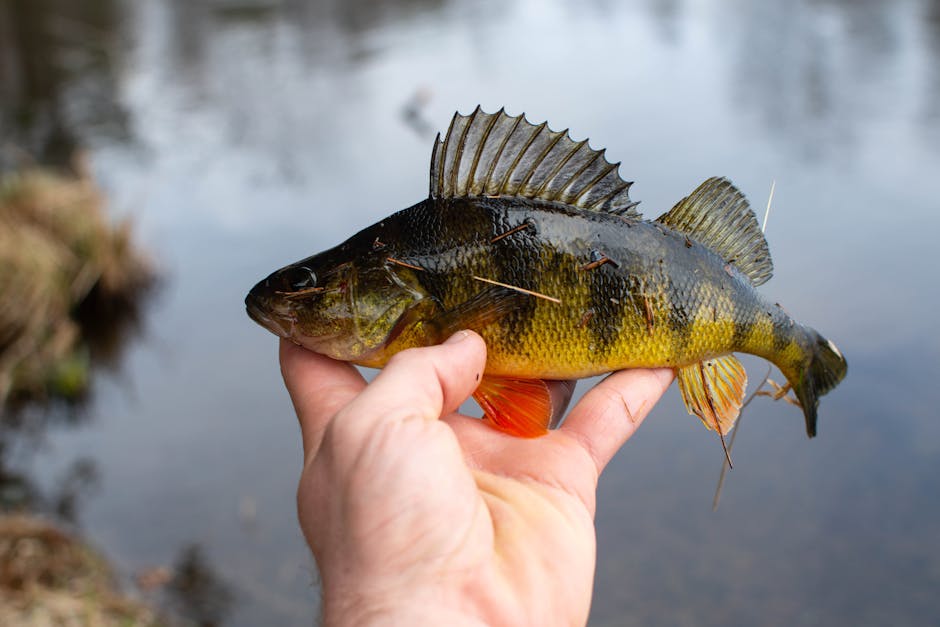 An ultralight setup with small jigs and live bait is all you need. Keep the tackle light and the hooks small for the best hookup ratio.
Step-by-Step: How to Catch Perch
-
Find the right depth. Start your search in 15 to 25 feet of water over sand, gravel or mixed-bottom areas near a structural edge. Drop-offs, humps and the edges of weed flats are prime spots. Use your sonar to look for marks tight to the bottom.
-
Set up over the school. Once you mark fish or catch your first perch, stay put. Anchor or use a drift sock to hold position. Perch reward patience when you are sitting on an active school.
-
Drop to the bottom. Lower your jig or bait rig straight down until it hits bottom. Reel up 6 to 12 inches so your bait sits just above the bottom, right in the perch feeding zone.
-
Work the jig slowly. Lift your rod tip 6 to 8 inches, then let the jig flutter back down. Pause for 3 to 5 seconds. Most bites happen on the pause or the drop. Perch hits often feel like a slight tap or just extra weight on the line.
-
Set the hook gently. Perch have soft mouths. A hard hookset will tear the hook free. A firm lift of the rod tip is all you need. Keep steady pressure during the fight.
-
If the bite dies after 15 minutes: The school has moved. Pick up and reposition 50 to 100 yards along the same structural edge. Use your electronics to relocate the group. Do not sit in dead water waiting for fish that have already left.
Finding Schools With Electronics
A basic fish finder changes everything for perch fishing. You do not need a $2,000 Livescope unit. A Garmin Striker 4 or Humminbird Helix 5 shows bottom contour and fish marks near the bottom.
Perch show up as small arcs or clusters of marks hugging the bottom. They group tighter and sit lower than bass or walleye marks. When you see a dense cluster within a foot or two of the bottom on a sand or gravel flat, drop a bait down.
The trick is covering water until you find the school, then anchoring up and fishing that spot until the bite fades. Drift fishing works well for the search phase. Let the wind push you across a flat while you jig vertically. When you hook a fish, mark the spot on your GPS, circle back and anchor.
For more on reading structure and finding fish, check out our guide on how to read water for fishing.
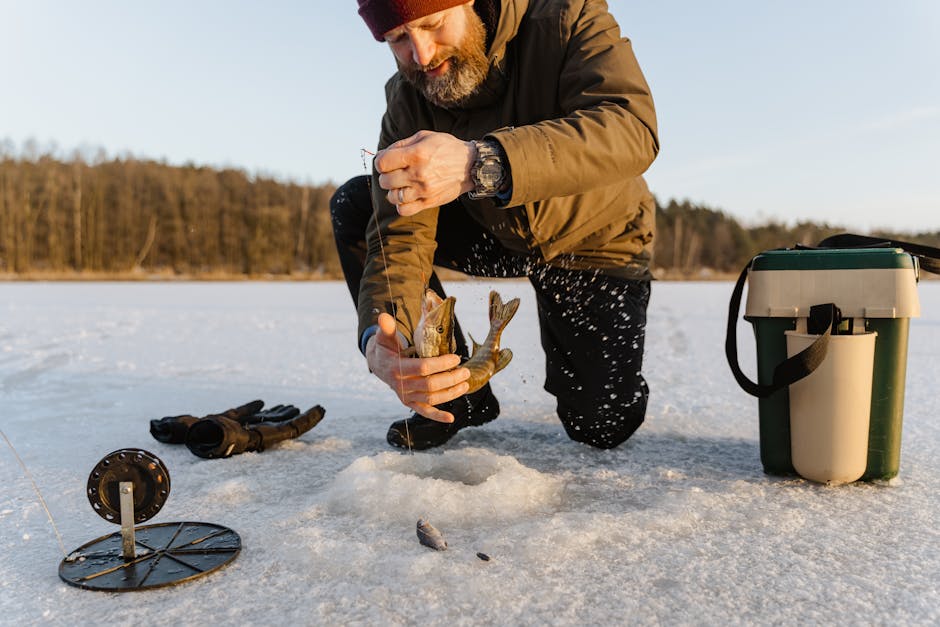 A basic sonar unit shows perch as small marks tight to the bottom. Drift until you find them, then anchor and work the school.
Best Baits and Lures for Yellow Perch
Live Bait
Nothing beats live bait for perch. A small fathead minnow hooked through the lips on a size 6 Aberdeen hook is the most effective perch bait there is. Nightcrawler pieces (not a whole worm, just a 1-inch section) run a close second. Wax worms and spikes work well in cold water, especially through the ice.
Tip your jigs with live bait for the best results. A 1/16 oz jighead with a minnow or wax worm combines the jig's movement with the scent of real food. Perch hold on longer when the bait tastes right.
For more on picking the right bait for the situation, read our post on freshwater fishing baits.
Artificial Lures
When live bait is not available or practical, small soft plastics work well. Berkley PowerBait Atomic Tubes in chartreuse and orange are a staple for Great Lakes perch anglers. Bobby Garland Baby Shad in monkey milk or electric chicken colors catch perch in stained water.
Small spoons like the Swedish Pimple and Northland Buck-Shot Rattle Spoon attract perch from a distance with flash and vibration. These are especially effective when you are trying to call fish in from a wide area.
If you want to expand your soft plastic game, our guide on how to use soft plastic lures covers rigging and color selection in detail.
Spreader Rigs: The Secret Weapon
A spreader rig (sometimes called a perch rig) is a wire or monofilament rig with two hooks extending horizontally on either side of a central line. A weight hangs below to keep it on the bottom. This rig puts two baits in the strike zone at once and can produce double-headers on a big school. Pre-made rigs are available from Eagle Claw and VMC.
Rig each arm with a minnow or a piece of crawler. Lower it to the bottom and hold still. The spreader rig does its best work sitting stationary. Perch cruise by and pick off the baits.
Seasonal Patterns for Yellow Perch
Spring
Perch move shallow after ice-out to spawn. Look for them in 4 to 10 feet of water near sandy or gravelly shorelines, especially around emerging weeds. They school heavily during the spawn and bite aggressively on minnows and small jigs. This is one of the easiest times to catch big numbers.
Summer
As water warms, perch push deeper. Find them on offshore humps, mid-lake flats and along thermocline edges in 20 to 35 feet of water. Morning and evening bites are strongest. Midday fishing can be slow unless you find a deep school in the shade of a cloud cover.
Fall
Perch go on a feeding binge before winter. They school up on hard-bottom flats in 15 to 25 feet and eat everything in sight. Fall is the best season for catching large perch in many Great Lakes tributaries. Minnows fished on spreader rigs or small jigs produce consistent limits.
Winter and Ice Fishing
Perch are one of the top ice fishing targets across the northern states and Canada. They remain active under the ice and feed throughout the day, with the best windows at first light and the last hour before dark.
Drill holes over sand and gravel flats in 15 to 30 feet. Use a small tungsten jig (1/32 to 1/16 oz) tipped with a wax worm or spike. Berkley Tungsten Jigs and Northland Mud Bug jigs are ice fishing staples. Jigging spoons like the Clam Leech Flutter Spoon draw perch in from distance.
The key to ice fishing for perch is mobility. Drill a grid of holes across a flat and move until you find the school. A portable flasher like the Vexilar FLX-28 or MarCum M5 lets you watch your jig and see fish approaching.
Great Lakes vs. Inland Lake Tactics
Great Lakes: Perch on Lake Erie, Lake Michigan, Saginaw Bay and Green Bay school in 30 to 60 feet over vast open flats. You need a boat with good electronics and enough anchor rope for deep water. Spreader rigs with minnows dominate. The fish run bigger and the schools can be massive.
Inland lakes: Perch on smaller lakes relate more to weed edges, docks, cribs and visible structure. They stay shallower, usually 8 to 25 feet. Light jigs and small soft plastics shine here. A jon boat or even shore fishing can produce good catches.
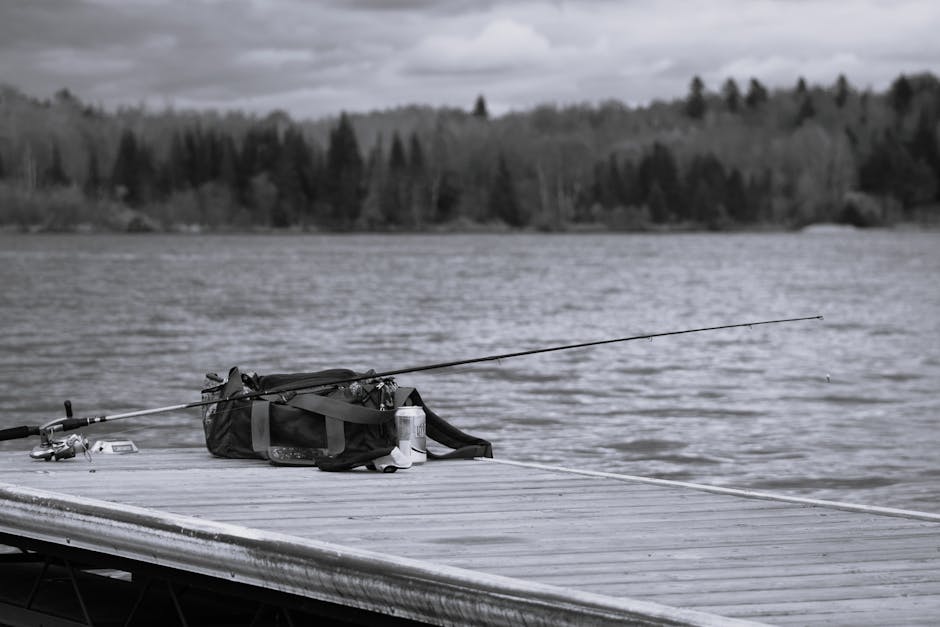 Great Lakes perch fishing often means deeper water and bigger schools. Inland lakes keep things shallower and more structure-oriented.
Mistakes That Kill the Perch Bite
- Using hooks that are too big. Perch have small mouths. Size 6 to 8 hooks are the sweet spot. Anything bigger means missed fish.
- Fishing too fast. Perch want a slow presentation near the bottom. Rapid jigging works for walleye but spooks perch.
- Leaving a spot too early. The school might be between feeding waves. Wait 20 to 30 minutes before deciding a spot is dead.
- Leaving a spot too late. On the flip side, if you have gone 30 minutes without a bite and your electronics show no marks, the school has moved. Go find them.
- Ignoring the bottom type. Perch prefer sand, gravel and rock over mud. If your sonar shows soft mud bottom, keep moving.
- Fishing too high in the water column. Perch feed on or within a foot of the bottom. Keep your bait down there.
- Using line that is too heavy. Heavy line kills the action on small jigs and makes perch wary. Stay at 4 to 6-pound test.
- Not tipping jigs with bait. A plain jig catches some perch, but a jig tipped with a minnow or wax worm catches three times as many.
If you are new to fishing and want to build a solid foundation, our fishing tips for beginners guide covers the basics of gear, technique and finding fish.
FAQs
What is the best bait for yellow perch?
Small fathead minnows are the top choice across all seasons. Hook one through the lips on a size 6 Aberdeen hook or tip a 1/16 oz jig with it. Nightcrawler pieces, wax worms and spikes also work well, especially through the ice.
What time of day is best for perch fishing?
Early morning and late afternoon produce the most consistent bites. Perch feed actively during low-light periods. Midday fishing can work in deeper water or under cloud cover, but expect slower action during bright sunny conditions.
How deep should I fish for perch?
It depends on the season. Spring perch feed in 4 to 10 feet near shore. Summer fish push to 20 to 35 feet. Fall perch settle on 15 to 25-foot flats. Through the ice, 15 to 30 feet over sand and gravel is the standard range.
Can I catch perch from shore?
Yes. Spring is the best time for shore fishing because perch move into shallow water to spawn. Fish near docks, piers, breakwalls and sandy beaches. Use a small bobber rig with a minnow or a worm set 1 to 3 feet off the bottom.
What size perch is worth keeping?
Most anglers keep perch that measure 8 inches or longer. Fish that size yield a decent fillet. Perch over 10 inches are considered nice fish, and anything over 12 inches is a trophy in most waters. Release the small ones to grow.
1-Minute Action Plan
- Rig to tie on: 1/16 oz round jighead tipped with a fathead minnow on 4-pound mono
- Two places to try first: A sand or gravel flat in 15 to 20 feet near a drop-off, or the edge of a weed bed in 10 to 15 feet
- First retrieve cadence: Lift the jig 6 inches, let it fall back, pause 3 to 5 seconds, repeat
- One adjustment if no bites: Switch to a smaller jig (1/32 oz) tipped with a wax worm and slow everything down
Want to track your perch spots and figure out which baits produce in different conditions? The Tackle app lets you log catches, save GPS waypoints and review what worked each trip so you stop guessing and start building patterns.
Keep Reading
- If you want to pick the right live bait for any freshwater species, read our freshwater fishing baits guide
- If you are just getting started, our fishing tips for beginners covers gear, knots and basic technique
- If you want to expand into soft plastic presentations for panfish, check out how to use soft plastic lures
- If you want to get better at reading structure and finding fish, our guide on how to read water breaks it down
Sources
Regulations change. Always check local rules before fishing.

Tackle Team
The Tackle Fishing Team is a collective of anglers, data scientists, and fishing enthusiasts dedicated to making fishing more accessible and successful for everyone.
View profileSources Consulted
The following sources were consulted in creating this guide:
- In-Fisherman – www.in-fisherman.com (retrieved Mar 2026)
- Wired2Fish – www.wired2fish.com (retrieved Mar 2026)
- Great Lakes Fishery Commission – www.glfc.org (retrieved Mar 2026)
Note: Information is summarized and explained in our own words. Always verify current regulations with official sources.
Frequently Asked Questions
What is the best bait for yellow perch?
Small fathead minnows are the top choice across all seasons. Hook one through the lips on a size 6 Aberdeen hook or tip a 1/16 oz jig with it. Nightcrawler pieces, wax worms and spikes also work well, especially through the ice.
What time of day is best for perch fishing?
Early morning and late afternoon produce the most consistent bites. Perch feed actively during low-light periods. Midday fishing can work in deeper water or under cloud cover, but expect slower action during bright sunny conditions.
How deep should I fish for perch?
It depends on the season. Spring perch feed in 4 to 10 feet near shore. Summer fish push to 20 to 35 feet. Fall perch settle on 15 to 25-foot flats. Through the ice, 15 to 30 feet over sand and gravel is the standard range.
Can I catch perch from shore?
Yes. Spring is the best time for shore fishing because perch move into shallow water to spawn. Fish near docks, piers, breakwalls and sandy beaches. Use a small bobber rig with a minnow or a worm set 1 to 3 feet off the bottom.
What size perch is worth keeping?
Most anglers keep perch that measure 8 inches or longer. Fish that size yield a decent fillet. Perch over 10 inches are considered nice fish, and anything over 12 inches is a trophy in most waters. Release the small ones to grow.
Plan Your Next Fishing Trip
Download Tackle to compare tide charts, wind conditions, and practical fishing guidance for your location before you go.
✓ Real-time tide charts • ✓ Wind & weather forecasts • ✓ AI fish identification
See local regulations — Find regulations for your area
Want weekly fishing windows delivered to your inbox?
Get personalized fishing forecasts based on weather, tides, and moon phases.
RELATED CONTENT
KEEP READING