

When water temperatures drop below 50 degrees and every other lure in your box stops producing, the blade bait keeps catching fish. This flat piece of vibrating metal has been the go-to for cold water anglers for decades. Guide services on the Great Lakes consider it mandatory equipment from November through March.
Blade bait fishing is not complicated. But there are details that separate anglers who catch limits from those who throw it for twenty minutes and give up.
Best for: Intermediate to Advanced | What you need: A medium or medium-light spinning rod, 6-8 lb fluorocarbon and two or three blade baits in 1/4 oz to 1/2 oz | Do this first: Tie on a 3/8 oz Silver Buddy in chrome, find a rocky point between 15 and 30 feet on your electronics and start with a 12-inch lift-and-fall.
Quick Answer: Why Blade Baits Dominate Cold Water
- Blade baits vibrate tight on the lift then flutter on the fall, triggering reaction strikes from lethargic fish that refuse to chase
- They reach depths that jerkbaits and crankbaits cannot touch, fishing effectively in 10 to 50 feet
- The compact profile mimics a dying shad better than almost any other lure in frigid conditions
- They work for largemouth bass, smallmouth bass, walleye and hybrid striped bass
- They cost between $3 and $8 each, making them one of the cheapest lures in your rotation
Get Personalized Fishing Advice
Want real-time conditions for your exact location? Tackle provides live tide data, wind forecasts, and AI-powered fishing advice tailored to where you fish.
✓ Real-time tide charts • ✓ Wind & weather forecasts • ✓ AI fish identification
What Is a Blade Bait?
A blade bait is a thin flat piece of stamped metal shaped like a minnow. It has a weighted nose, a treble hook on the belly and another on the tail. The top has multiple line tie holes drilled along the spine. Unlike a spoon that has a separate blade, the body itself is the blade. When you lift it off the bottom, the entire lure vibrates.
The design has barely changed since the Heddon Sonar hit the market in the 1960s. That original bait is still sold today. Other proven models include the Silver Buddy, Steel Shad, Damiki Vault and Reef Runner Cicada. Each has a slightly different profile and vibration pattern but they all follow the same concept: a flat metal body that vibrates when it moves and flutters when it falls.
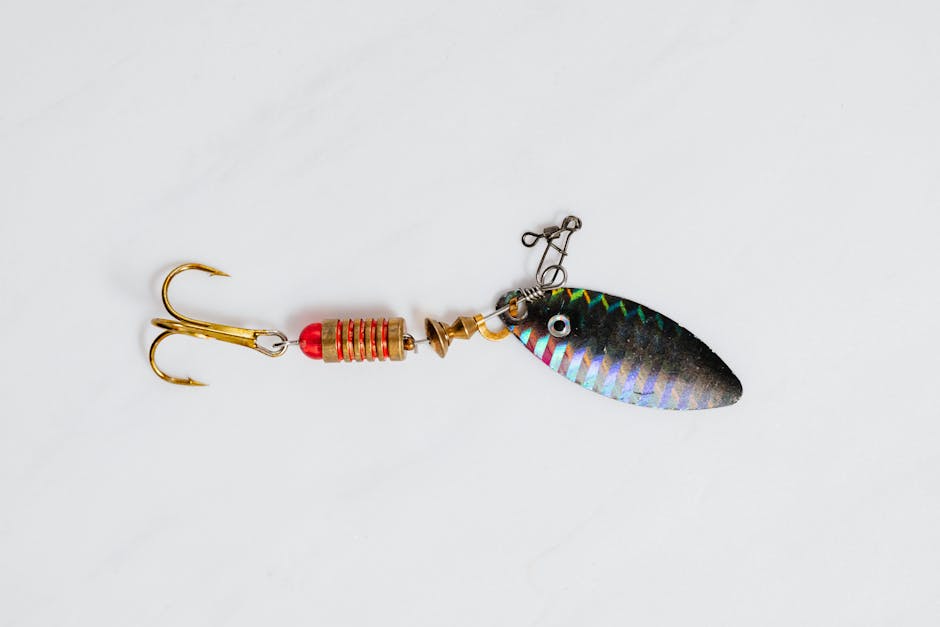 Keep three to four blade bait models in your box. Chrome and silver work in clear water. Gold and chartreuse shine in stained conditions.
Tackle Box Snapshot (Copy This Setup)
- Primary: 3/8 oz Silver Buddy in chrome or silver shad for all-around use
- Deep water: 1/2 oz Steel Shad in gold for depths beyond 25 feet or windy days
- Finesse: 1/4 oz Damiki Vault in natural shad for pressured fish in clear water
- Classic: Heddon Sonar in chrome for proven walleye and smallmouth performance
- Backup: Reef Runner Cicada in 3/8 oz for a wider wobble profile
- Line: 6-8 lb fluorocarbon only. It sinks to maintain contact and has low stretch for hooksets at depth
- Rod: 6'8" to 7' medium power spinning rod with a moderate-fast tip
- Reel: 2500-size spinning reel with a smooth drag
Step-by-Step: The Lift-and-Fall Technique
Blade bait fishing is built around one core technique. Master this and you will catch fish.
1. Position over structure. Use your electronics to find fish on rocky points, channel swings and offshore humps between 15 and 35 feet. Position your boat directly over or slightly upwind of the structure.
2. Drop to the bottom. Open the bail and let the bait fall on a controlled slack line. When your line goes slack, the bait hit bottom. Reel up until you feel the weight on your rod tip.
3. Lift with your rod tip. Lift smoothly from 9 o'clock to about 11 o'clock. That is roughly 12 to 18 inches of vertical movement. The bait vibrates on the way up and that vibration draws the strike.
4. Follow the bait down. Drop your rod tip back to 9 o'clock on a semi-slack line. The bait flutters toward bottom like a dying shad. Most strikes happen on this fall. Watch your line for any twitch or premature slack.
5. Repeat with a cadence. Lift, pause, fall, pause. Start with two-second pauses. If fish are not committing, slow to three or four seconds. If nothing bites after 15 minutes, shorten your lift to 6 inches or lengthen it to 24 inches.
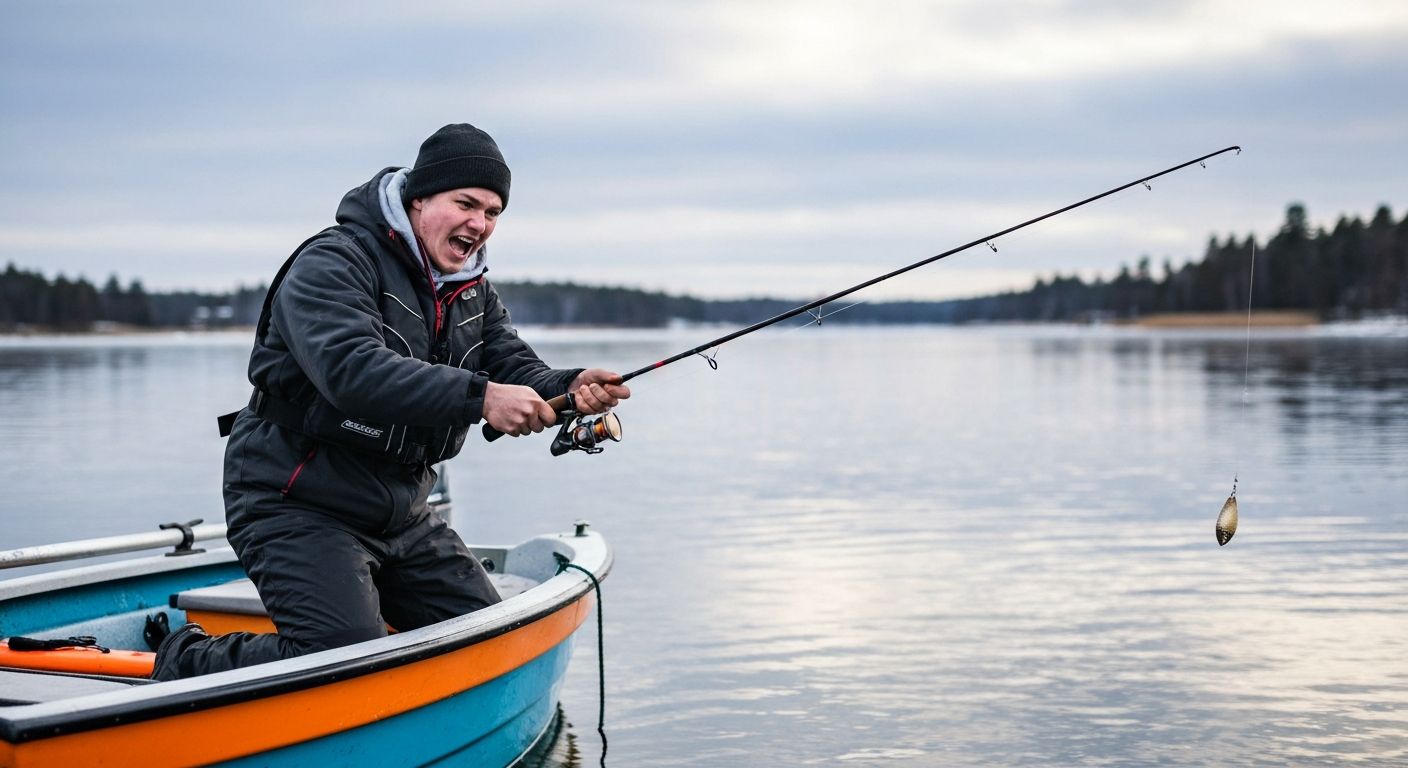 Keep your boat directly over the target. Vertical presentations give you the best feel for the bait and the cleanest hooksets at depth.
Line Tie Positions: How They Change the Action
Those multiple holes drilled along the top of a blade bait are not decorative. Each one changes the action.
Front hole (closest to the nose): Tightest and fastest vibration. The bait stays nearly vertical on the lift with a subtle flutter on the fall. Best starting position in water below 45 degrees.
Middle hole: The all-purpose position. Moderate vibration with a slightly wider wobble. Start here if you are unsure.
Rear hole (closest to the tail): Widest wobble and most aggressive action. The bait kicks harder on the lift and flutters wider on the fall. Use this when fish are active or you need to call them in from a distance.
Think of line tie positions as a volume knob. Front is quiet. Rear is loud. If you are getting follows but no commits on the middle hole, move to the front. If nothing is looking at all, move to the rear.
You can change positions without retying. Clip your snap or open the split ring and move it.
Decision Tree: Conditions and Adjustments
- If water temperature is below 45 degrees: Front line tie, 1/4 oz bait, 6-inch lifts, 3-4 second pauses
- If water temperature is 45 to 55 degrees: Middle line tie, 3/8 oz bait, 12-18 inch lifts, 2-second pauses
- If water temperature is above 55 degrees: Rear line tie, 18-24 inch lifts, faster cadence. Or consider switching to a jig head with a swimbait
- If water is clear: Chrome and silver. Lighter line (6 lb fluoro). Front or middle line tie
- If water is stained: Gold and chartreuse. Middle or rear line tie for more vibration
- If fish are on electronics but not biting: Downsize to 1/4 oz, front line tie, 6-inch lifts, 5 seconds on bottom between lifts
- If wind is pushing your boat: Upsize to 1/2 oz to maintain bottom contact
- If snagging frequently: Shorten your lift. The bait is swinging into rocks on the fall
Best Conditions: Cold Water Over Deep Structure
Late fall through early spring is prime blade bait season. When water temperatures sit between 38 and 55 degrees, fish stack on deep structure near creek channels and main lake points. They are too cold to chase a crankbait and too deep for a jerkbait. A blade bait dropped in their face forces a reaction.
Deep rocky structure is the key. Hard bottom with chunk rock, gravel, riprap and ledges. Avoid wood and brush because the exposed treble hooks snag on everything that is not clean. Stick to rock in 15 to 40 feet.
Overcast days with stable barometric pressure produce the best bites. Cloud cover keeps fish relating to bottom structure where a vertical presentation reaches them.
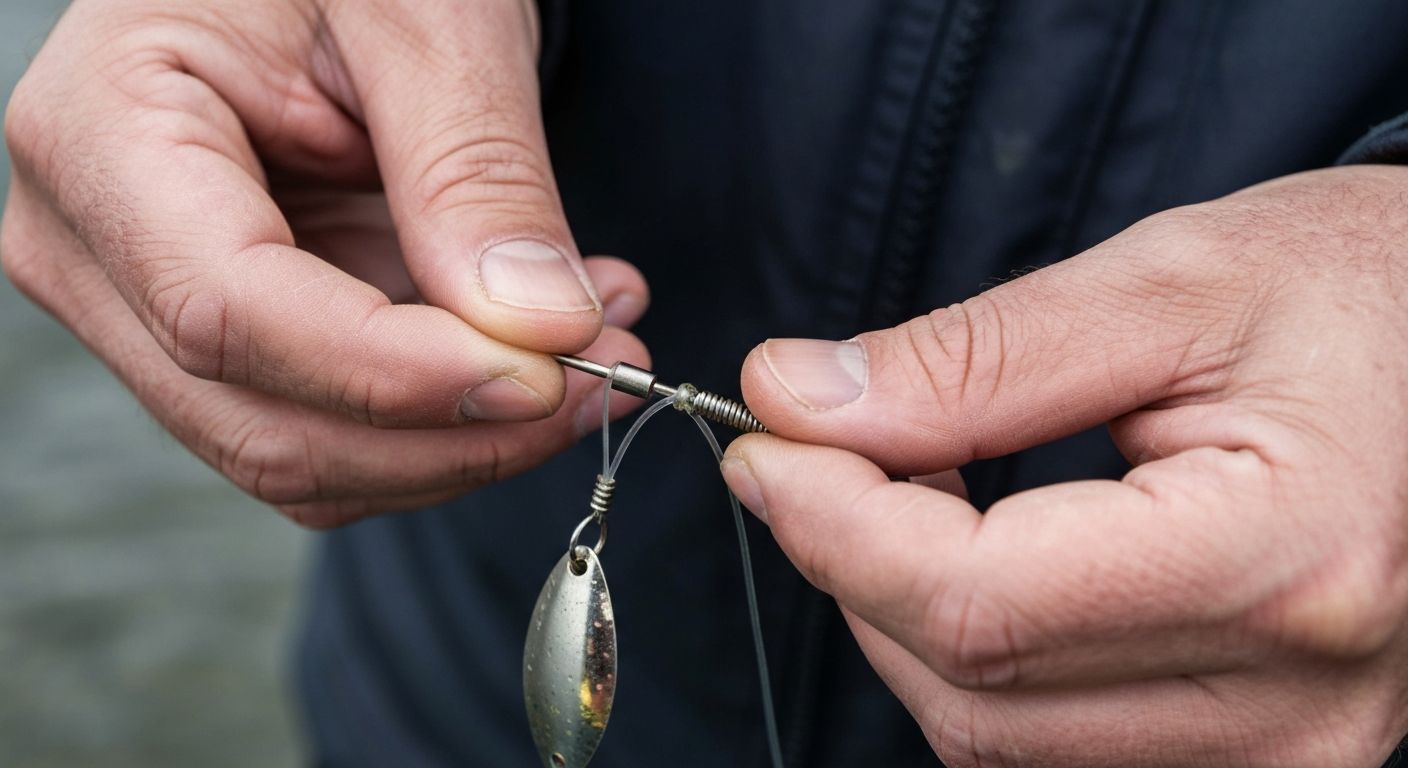 Rocky points that drop into creek channels are prime blade bait water. Look for fish stacked where the rock meets the channel edge between 15 and 35 feet.
Species Strategies: Bass, Walleye and Hybrid Stripers
Smallmouth Bass
Smallmouth are arguably the best blade bait species. They live on rocky structure year-round and react violently to tight vibrations. In cold water they stack on main lake points and boulder fields between 20 and 40 feet. A 3/8 oz Silver Buddy or Damiki Vault in natural shad is the go-to. Keep your drag set properly because a 4-pound smallmouth at 30 feet on light line will test your gear.
Largemouth Bass
Largemouth hold tighter to cover and are less likely to suspend over open rock. Focus on channel swings with isolated stumps, bridge pilings with riprap and points where hard bottom transitions to soft. A 3/8 oz Steel Shad or Heddon Sonar in shad patterns works well. Largemouth often hit on the initial fall rather than the lift. For more cold water largemouth approaches, check our full guide.
Walleye
Blade baits are a staple in the walleye world. Anglers on the Great Lakes have thrown Heddon Sonars and Silver Buddys on deep rock reefs for decades. Walleye prefer a slower cadence with longer pauses. Gold and perch colors produce well. The Reef Runner Cicada is particularly effective because of its wider wobble profile.
Hybrid Striped Bass
Hybrids school on deep structure in winter. Find them on electronics at 25 to 50 feet and drop a 1/2 oz blade bait through the school. Chrome and white mimic the shad they feed on. Vertical jigging with aggressive 18-24 inch rips and fast drops puts hybrids in the boat.
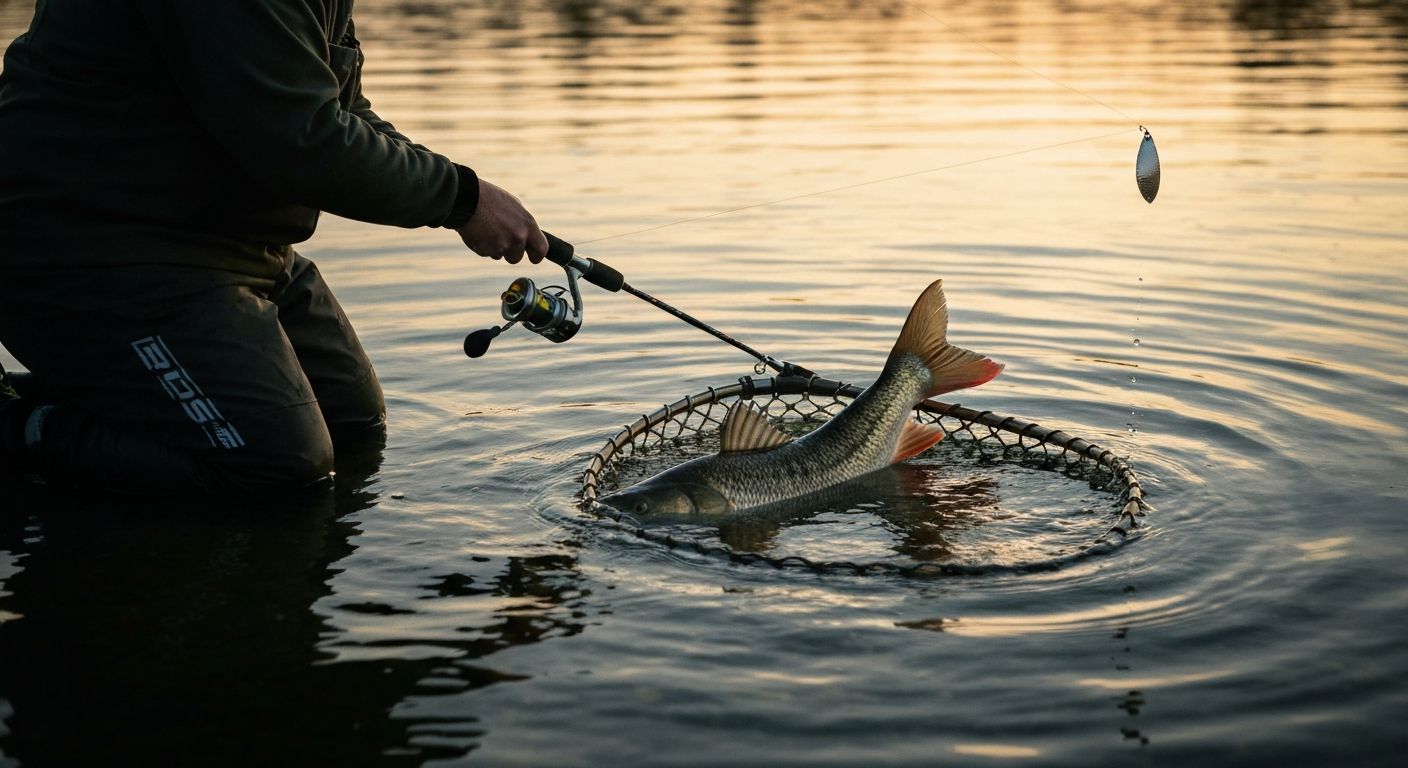 A quality snap makes it easy to switch line tie positions without retying. Notice the front hole connection for a tighter vibration pattern.
Gear Setup: Rod, Reel and Line
Rod: 6'8" to 7' medium power spinning rod with moderate-fast action. You need a tip that loads on the lift but enough backbone to set hooks at 30 feet. Too stiff rips the trebles out. Too soft cannot drive them home.
Reel: 2500-size spinning reel with smooth drag. Baitcasters create problems with this technique. You need to open the bail, let the bait fall freely and close it quickly to detect bites.
Line: 6-8 lb fluorocarbon. Non-negotiable. It sinks to maintain contact, has low stretch for sensitivity at depth and does not coil around treble hooks on the fall like braid does. Mono stretches too much to feel bites at 30 feet.
Snap: A small Owner Hyper Snap or similar quality snap lets the bait swing freely and makes switching line tie positions easy. Avoid cheap snaps that open under pressure.
5 Mistakes That Kill Your Blade Bait Bite
-
Ripping too hard. A blade bait is not a jigging spoon. A smooth 12-18 inch lift is all you need. Violent rips cause the bait to tumble and tangle your line around the hooks.
-
Using braid. Braid transmits too much shock on the lift and creates slack coils that wrap around the treble hooks on the fall. Use fluorocarbon.
-
Fishing over wood or brush. Two exposed treble hooks and no weed guard means constant snags on anything that is not clean hard bottom. Stick to rock and gravel.
-
Setting the hook too hard. Small treble hooks tear out easily. Reel down until you feel the fish and sweep the rod firmly to the side. No bass-jig hookset needed.
-
Ignoring line tie position. Most anglers clip to whatever hole the bait ships on and never change it. The difference between the front and rear hole can be the difference between zero bites and a limit.
Track Your Blade Bait Patterns
Blade bait fishing is all about repeating what works. The Tackle app lets you log water temperature, depth, line tie position and cadence for every catch so you build real patterns instead of relying on memory.
FAQs
What is the best blade bait for beginners?
The Silver Buddy in 3/8 oz chrome. Good vibration, solid hooks out of the box and about $5. Start on the middle line tie hole with the standard lift-and-fall on any rocky point in 15 to 25 feet.
Can you fish a blade bait in shallow water?
You can but it is not ideal. Blade baits work best in 10 feet or deeper where the vertical presentation has room to develop. In shallow water the bait hits bottom too quickly and the fall is too short to trigger strikes.
What is the difference between a blade bait and a lipless crankbait?
A lipless crankbait is a horizontal bait designed to be cast and retrieved. A blade bait is a vertical bait designed to be lifted and dropped. They both vibrate but in completely different ways. They complement each other rather than replace each other.
Do blade baits work in summer?
They can catch fish in summer when bass and walleye are deep on structure. However most anglers switch to jigging spoons in warm water because spoons have a wider flutter. Blade baits have their biggest advantage when water is cold.
How do you prevent blade baits from snagging?
Fish them on clean hard bottom only. Keep your lifts short so the bait stays close to the bottom instead of swinging wide on the fall. Some anglers replace stock trebles with slightly smaller hooks to reduce snags.
1-Minute Action Plan
- Tie on a 3/8 oz Silver Buddy in chrome on the middle line tie hole with 8 lb fluorocarbon
- Find a rocky point or channel swing in 15 to 30 feet on your electronics
- Position directly over the fish and drop the bait to the bottom
- Lift 12 to 18 inches with a smooth rod sweep then drop it back on semi-slack line
- Pause 2 seconds between lifts and watch your line on every fall
- If no bites after 15 minutes, switch to the front line tie and shorten your lift to 6 inches
What to Read Next
- If you want another cold water option for deep structure, read How to Use Fishing Spoons
- If you are targeting walleye specifically, check out How to Catch Walleye
- If you want to round out your smallmouth arsenal, see How to Catch Smallmouth Bass
- If you need a shallow cold water bait, read How to Use Jerkbaits
Ready to track your blade bait catches and build real patterns? Download Tackle free.
Sources
- Wired2Fish - Blade Bait Techniques
- In-Fisherman - Cold Water Blade Baits
- Bass Resource - Winter Blade Bait Fishing
Regulations change. Always check local rules before fishing.

Tackle Team
The Tackle Fishing Team is a collective of anglers, data scientists, and fishing enthusiasts dedicated to making fishing more accessible and successful for everyone.
View profileSources Consulted
The following sources were consulted in creating this guide:
- Wired2Fish – www.wired2fish.com (retrieved Mar 2026)
- In-Fisherman – www.in-fisherman.com (retrieved Mar 2026)
- Bass Resource – www.bassresource.com (retrieved Mar 2026)
Note: Information is summarized and explained in our own words. Always verify current regulations with official sources.
Frequently Asked Questions
What is the best blade bait for beginners?
The Silver Buddy in 3/8 oz chrome is the best starting point. It has a proven vibration pattern, good hook quality out of the box and costs around $5. Tie it on the middle line tie hole and start with the standard lift-and-fall on any rocky point in 15 to 25 feet.
Can you fish a blade bait in shallow water?
You can but it is not ideal. Blade baits work best in 10 feet or deeper where the vertical presentation has room to develop. In shallow water the bait hits bottom too quickly and the fall is too short to trigger strikes. Try a jerkbait for shallow cold water instead.
What is the difference between a blade bait and a lipless crankbait?
A lipless crankbait is a horizontal moving bait designed to be cast and retrieved. A blade bait is a vertical bait designed to be lifted and dropped. They both vibrate but in completely different ways. Lipless cranks cover water horizontally while blade baits work a specific spot vertically.
Do blade baits work in summer?
Blade baits can catch fish in summer when bass and walleye are deep on structure. However most anglers switch to jigging spoons in warm water because spoons have a wider flutter and cover more of the water column. Blade baits have their biggest advantage when water is cold.
How do you prevent blade baits from snagging?
Fish them on clean hard bottom only. Avoid timber, brush and heavy grass. Keep your lifts short and controlled so the bait stays close to the bottom instead of swinging wide on the fall. Some anglers replace stock treble hooks with slightly smaller trebles to reduce snags.
Plan Your Next Fishing Trip
Download Tackle to compare tide charts, wind conditions, and practical fishing guidance for your location before you go.
✓ Real-time tide charts • ✓ Wind & weather forecasts • ✓ AI fish identification
See local regulations — Find regulations for your area
Want weekly fishing windows delivered to your inbox?
Get personalized fishing forecasts based on weather, tides, and moon phases.
RELATED CONTENT
KEEP READING