

Best Time to Fish: Complete Guide for Maximum Success
Above the Fold
Discover the secrets to fishing success with this comprehensive guide designed for anglers of all skill levels.
Best for: Beginners to advanced anglers
What you need: Rod, reel, versatile lures, polarized sunglasses
DO THIS FIRST: Focus on fishing during low light conditions, such as dawn or dusk, for the best chance of success.
Get Personalized Fishing Advice
Want real-time conditions for your exact location? Tackle provides live tide data, wind forecasts, and AI-powered fishing advice tailored to where you fish.
✓ Real-time tide charts • ✓ Wind & weather forecasts • ✓ AI fish identification
Quick Answer
- Lure/Bait Choice: Use soft plastics like the Berkley Gulp! Shrimp in natural colors.
- Where to Fish: Target areas with structure such as docks or submerged vegetation.
- Retrieve Pattern: Use a slow, steady retrieve with occasional pauses.
- Best Conditions: Early morning or late afternoon with a light breeze.
- Tide and Wind: Fish during incoming tides for more activity; a light breeze adds surface disturbance.
Tackle Box Snapshot
- Lures/Bait Options:
- Berkley Gulp! Shrimp (natural colors)
- Rapala X-Rap Jerkbait (silver)
- Z-Man ChatterBait (white)
- Hook/Jig Weights by Depth:
- 1/8 oz for 1-3 feet
- 1/4 oz for 4-6 feet
- Line/Leader Setup: 10-15 lb braided line with a 20 lb fluorocarbon leader.
- Retrieve Patterns:
- Soft plastics: slow steady with pauses
- Jerkbaits: twitch-twitch-pause
- ChatterBaits: slow roll near the bottom
- Target Depth/Structure: Fish 2-6 feet near structure edges.
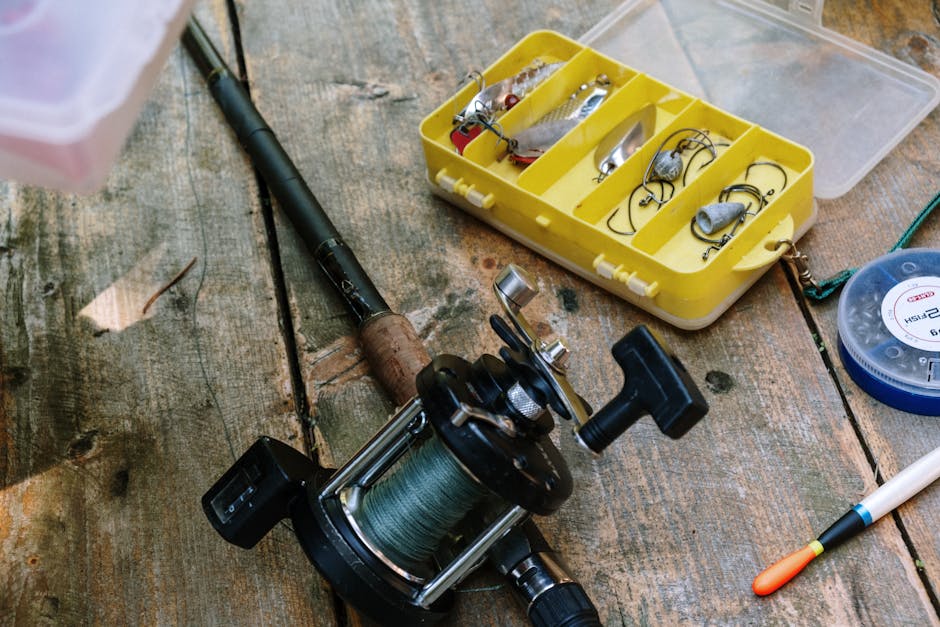 Caption describing the complete setup and scenarios it covers
Step-by-Step
- Where to Start: Begin near the edge of underwater structures or drop-offs.
- First Casts: Cast at a 45-degree angle from your position, reaching at least 30 feet.
- Retrieve Cadence: Feel for subtle taps or changes in resistance on the line.
- Hookset and Landing Tips: Use a firm upward sweep of the rod when you feel a bite.
- What to Change: If no bites after 10-15 minutes, switch to a different lure or adjust your depth.
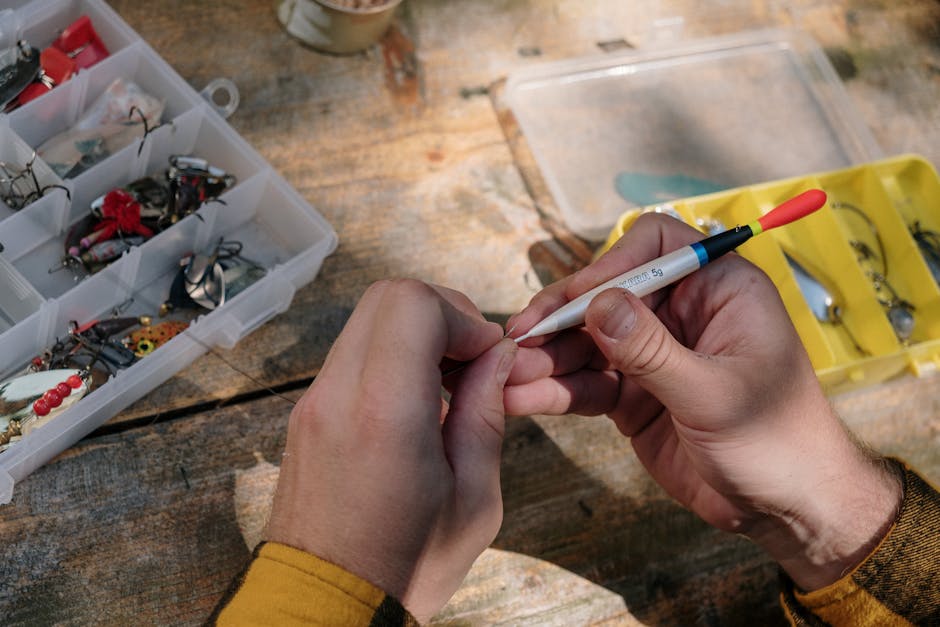 Caption explaining the technique and why it matters
Decision Tree
- If water is clear: Use natural colors and lighter lines.
- If water is stained: Opt for brighter lures and heavier lines.
- If windy: Use heavier lures for better casting and control.
- If cold front/pressure drop: Slow down your retrieve significantly. Changing weather can also affect your safety on the water, so review our fishing safety tips before heading out in rough conditions.
- If bait is present: Mimic bait size and behavior with your lure choice.
- If no bait visible: Use search baits like crankbaits to locate fish.
Spot Playbook
Focus on structures like docks, submerged trees, and rocky areas. Fish often stage near the edges of these structures, especially where currents form seams or shadows. Approach stealthily, casting from a distance to avoid spooking fish. The strike zone is typically within a few feet of the structure, especially during active feeding times.
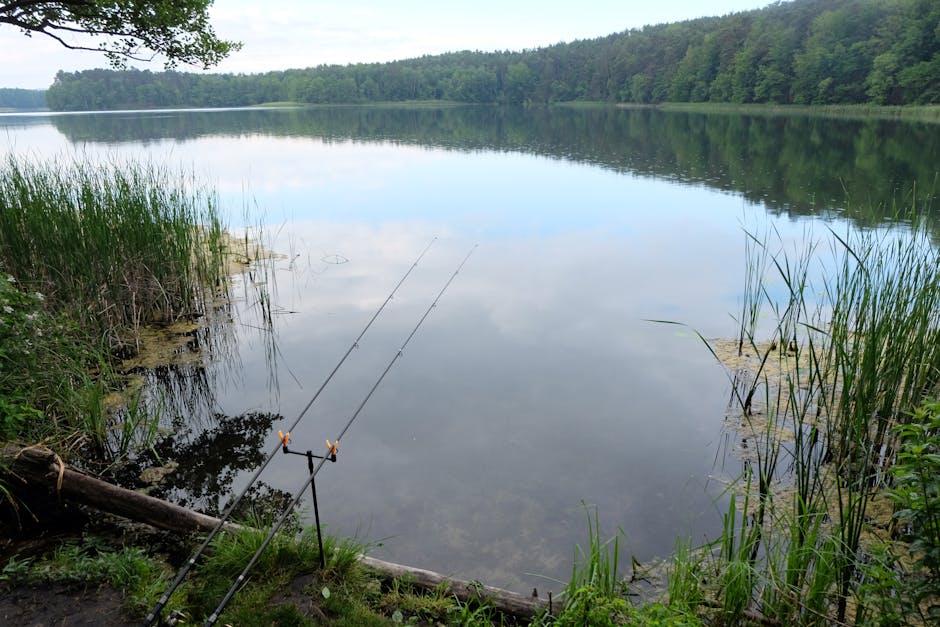 Caption with depth, conditions, and when to target this spot
Mistakes That Kill the Bite
- Too fast retrieve: Fish may not have time to strike.
- Wrong depth: Missing the fish holding zones.
- Noisy approach: Spooks fish away from the area.
- Working lure too much: Over-action can deter wary fish.
- Wrong angle to current: Reduces lure presentation effectiveness.
- Not pausing long enough: Misses natural behavior of prey.
- Changing spots too quickly: Doesn't allow fish time to investigate.
- Setting hook on topwater explosion: Premature hooksets miss the fish.
- Fishing wrong tide stage: Less active feeding times.
- Using dull hooks: Poor hook penetration leads to lost fish.
- Leader too short: Reduces stealth in clear water.
- Ignoring shadow lines: Misses potential ambush points.
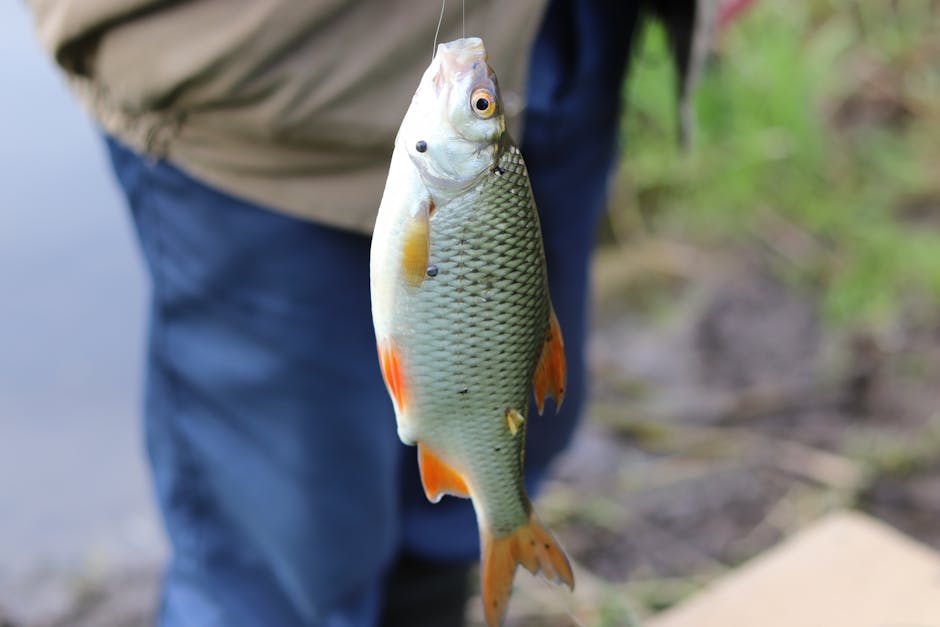 Caption highlighting successful technique or important detail
Frequently Asked Questions
What is the best way to catch fish?
Fishing with soft plastics near structures during low light conditions often yields the best results.
When is the best time to fish for fish?
Early morning and late afternoon are prime times due to lower light levels and increased fish activity.
What bait or lures work for fish?
Soft plastics, jerkbaits, and chatterbaits are effective choices, adjusted for water clarity and depth.
Where can I find fish?
Look for fish near structures such as docks, submerged vegetation, and drop-offs where they can ambush prey.
What gear do I need for fish fishing?
A medium-action rod, 10-15 lb braided line, and a selection of versatile lures like the Berkley Gulp! Shrimp.
1-Minute Action Plan
- Rig to tie on: 1/8 oz jig head with a Berkley Gulp! Shrimp.
- 2 places to try first: Dock edges and submerged vegetation.
- First retrieve cadence: Slow steady with pauses.
- One adjustment if no bites: Switch to a jerkbait and try a twitch-twitch-pause retrieve.
Ready to catch more fish? Download the Tackle app to log your catches, track patterns, and discover hot spots near you.
Next Steps: Keep Learning
- If you're fishing mangroves next, check out our best lures for snook in Florida.
- If you need the right rod setup, explore our best fishing rods for Florida.
- If you want to learn knots, see our guide on how to tie a fishing hook.
Always Check Current Regulations
Fishing regulations vary by location and change regularly. Always verify current rules with local authorities before fishing. Check local regulations for current rules.
Sources:
- Fishing Research: Tackle App

Tackle Team
The Tackle Fishing Team is a collective of anglers, data scientists, and fishing enthusiasts dedicated to making fishing more accessible and successful for everyone.
View profileSources Consulted
The following sources were consulted in creating this guide:
- Fishing Research – www.tackleapp.ai (retrieved Jan 2026)
Note: Information is summarized and explained in our own words. Always verify current regulations with official sources.
Frequently Asked Questions
What is the best way to catch fish?
Fishing with soft plastics near structures during low light conditions often yields the best results.
When is the best time to fish for fish?
Early morning and late afternoon are prime times due to lower light levels and increased fish activity.
What bait or lures work for fish?
Soft plastics, jerkbaits, and chatterbaits are effective choices, adjusted for water clarity and depth.
Where can I find fish?
Look for fish near structures such as docks, submerged vegetation, and drop-offs where they can ambush prey.
What gear do I need for fish fishing?
A medium-action rod, 10-15 lb braided line, and a selection of versatile lures like the Berkley Gulp! Shrimp.
Plan Your Next Fishing Trip
Download Tackle to compare tide charts, wind conditions, and practical fishing guidance for your location before you go.
✓ Real-time tide charts • ✓ Wind & weather forecasts • ✓ AI fish identification
See local regulations — Find regulations for your area
Want weekly fishing windows delivered to your inbox?
Get personalized fishing forecasts based on weather, tides, and moon phases.
RELATED CONTENT
KEEP READING