

Finesse Fishing Techniques: How to Catch Bass When Nothing Else Works
Every bass angler hits the wall. You have thrown every crankbait, spinnerbait and jig in the box. The fish are there on the graph. They just will not eat. That is when finesse fishing turns a zero into a limit.
Finesse techniques are not a backup plan. They are the plan for pressured water, clear lakes, post-frontal skies and educated fish. This guide covers six finesse techniques that catch bass when nothing else gets bit.
Best for: Intermediate to Advanced anglers (beginners will catch fish too)
What you need: Medium-light spinning rod, 2500 reel, 6-8 lb fluorocarbon, small soft plastics
Do this first: Tie on a 1/4 oz drop shot with a Roboworm Straight Tail in Morning Dawn. Find a dock or rock pile and shake it in place for 20 seconds. If there is a bass within 10 feet, it will eat.
What Is Finesse Fishing?
Finesse fishing means using smaller baits, lighter line and slower presentations to get bites from bass that refuse standard-size offerings. Downsize and slow down. That is the whole concept.
When bass are pressured, cold or inactive, they will not chase a fast-moving reaction bait. But a tiny worm quivering in their face for 20 seconds triggers an instinct they cannot override. Even a bass that was not planning to feed will crack when a small bait sits in the strike zone long enough.
Finesse fishing does not mean catching small fish. Five-pound largemouth eat drop shot rigs and Ned rigs regularly. Big bass are smart bass. The most natural presentation wins regardless of bait size.
Get Personalized Fishing Advice
Want real-time conditions for your exact location? Tackle provides live tide data, wind forecasts, and AI-powered fishing advice tailored to where you fish.
✓ Real-time tide charts • ✓ Wind & weather forecasts • ✓ AI fish identification
When to Go Finesse
These conditions call for spinning gear and small baits.
- Post-frontal days. High pressure and bluebird skies. Bass push tight to cover and shut down. Finesse baits parked in the strike zone get bit when nothing else will.
- Clear water. Visibility beyond 4 feet means bass inspect your bait closely. Downsize everything.
- Pressured lakes. Tournament waters where bass see dozens of lures every week. Finesse presentations look right.
- Cold water. Temps below 50 degrees slow bass metabolism. A bait that quivers in their face matches their energy.
- Midday summer. Bass retreat to deep shade. A finesse worm worked slowly picks off fish that ignore surface lures.
- Smallmouth water. Smallmouth bass live in clear rocky environments where finesse is the default approach.
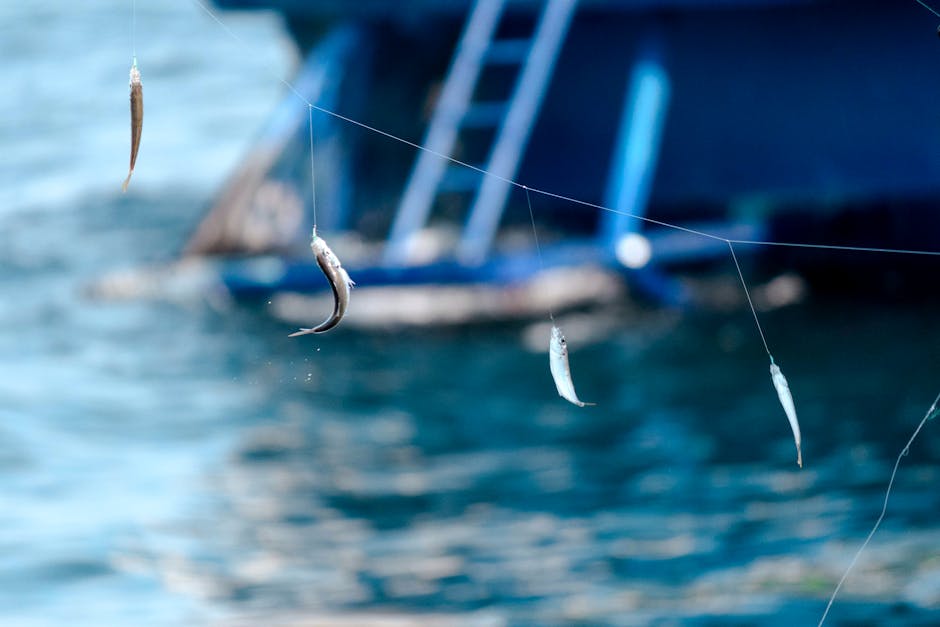 Light line, small hooks and subtle plastics. Nothing fancy but it catches fish when the big baits get ignored.
Top 6 Finesse Techniques for Bass
1. Drop Shot
The most versatile finesse technique. A hook tied above a weight on a leader suspends a soft plastic at an exact height off the bottom. You shake the bait in place without moving it from the strike zone.
When to throw it: Tough bites, deep structure, clear water, docks and ledges. Year-round.
How to fish it: Let the weight hit bottom. Give tiny quarter-inch shakes with the rod tip. Work one spot for 15 to 30 seconds before moving.
Best baits: Roboworm Straight Tail Worm in Morning Dawn, Jackall Crosstail Shad, Z-Man Finesse TRD.
Setup: Size 1 to 1/0 hook, 1/4 oz tungsten weight, 12 to 18 inch leader, 6-8 lb fluorocarbon.
Read our complete drop shot guide for the full rigging breakdown.
2. Shaky Head
A finesse jig. A small round or football-shaped jig head (1/8 to 1/4 oz) with a straight-tail worm threaded on it. Shake the rod tip to make the worm quiver on the bottom.
When to throw it: Bass on the bottom that will not commit to a full-size jig. Rock, gravel, docks and clean hard bottom.
How to fish it: Let it sink. Shake with tiny pulses for 10 seconds. Drag forward 6 inches. Shake again.
Best baits: Roboworm Straight Tail (6 inch) in Morning Dawn. Zoom Trick Worm in green pumpkin.
Setup: 1/8 to 1/4 oz shaky head jig, 7-foot medium spinning rod, 8 lb fluorocarbon.
3. Ned Rig
A small mushroom-shaped jig head with a stubby 2.75-inch soft plastic. The buoyant ElaZtech material on a Z-Man TRD stands the bait upright on the bottom. Bass that have refused everything else will eat a Ned rig.
When to throw it: Pressured lakes, clear water, smallmouth rivers and post-frontal conditions. The bail-out bait.
How to fish it: Drag it 6 to 12 inches along the bottom. Pause 5 to 10 seconds. The standing-up posture sells it during the pause.
Best baits: Z-Man TRD 2.75 inch in green pumpkin or smoky shad.
Setup: 1/8 oz Z-Man Finesse ShroomZ, 7-foot medium-light spinning rod, 6-8 lb fluorocarbon.
Get the complete technique breakdown in our Ned rig guide.
4. Wacky Rig
The easiest finesse technique to learn and one of the most effective on largemouth bass. Hook a Senko-style stick bait through the middle and let it fall. Both ends flutter on the drop. Bass eat it on the fall 90% of the time.
When to throw it: Shallow docks, seawalls and laydowns in 2 to 15 feet. Spring and fall are prime.
How to fish it: Cast past the target. Let the bait sink on slack line. Watch for a twitch or jump in the line. Most strikes happen in the first 10 seconds.
Best baits: Yamamoto Senko 5 inch in green pumpkin or watermelon with red flake.
Setup: Wacky hook with an O-ring, weightless, 7-foot medium-light spinning rod, 8 lb fluorocarbon.
Our wacky rig guide covers advanced rigging and seasonal adjustments.
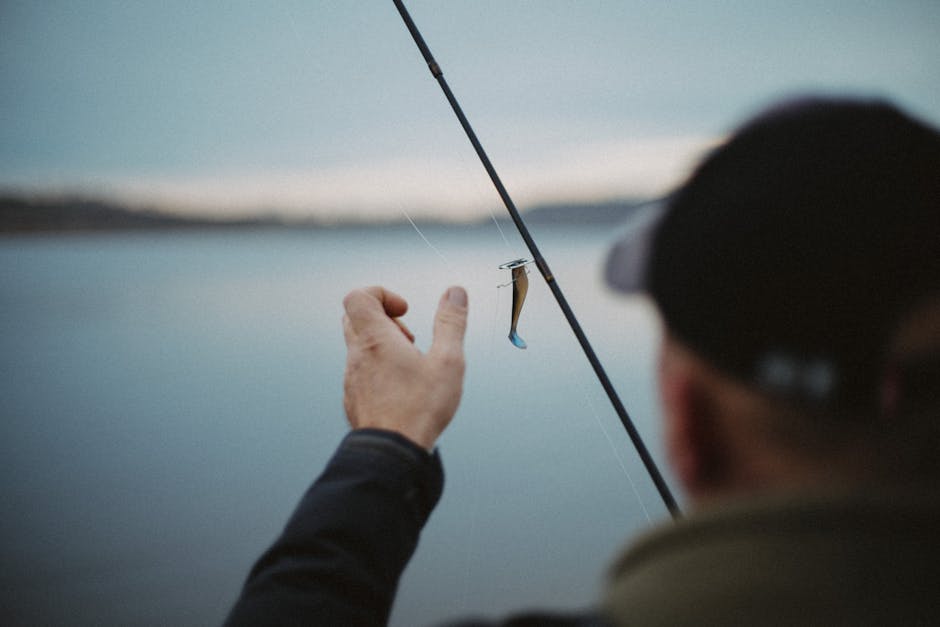 Slow and methodical wins finesse fishing. Work each piece of structure thoroughly before moving.
5. Split Shot Rig
Old school finesse that still produces. A small split shot weight crimped on the line 12 to 18 inches above a finesse worm. The weight drags on the bottom while the bait trails behind with a natural drift.
When to throw it: Clear water, gravel bottoms and flats where bass are scattered. Great in spring.
How to fish it: Drag the weight painfully slow along the bottom. The bait rises and falls over every contour.
Best baits: Roboworm Straight Tail (4 to 6 inch), small grubs.
Setup: Size 1 hook, number 1 split shot, 6 lb fluorocarbon, medium-light spinning rod.
6. Mojo Rig (Heavy Drop Shot)
A heavyweight drop shot for deep water and current. Instead of a 1/4 oz weight, you use 3/8 to 1/2 oz. Same finesse presentation but the heavier weight punches through current and holds bottom in deep structure.
When to throw it: Deep ledges (20 to 40 feet), river current and windy days.
How to fish it: Same as a drop shot. The heavier weight anchors you where a standard drop shot drifts.
Best baits: Roboworm Straight Tail (6 inch) or a 4-inch finesse swimbait.
Setup: 3/8 to 1/2 oz weight, size 1/0 hook, 15 to 24 inch leader, medium-power spinning rod, 8-10 lb fluorocarbon.
Gear Setup for Finesse Fishing
Finesse fishing lives on spinning gear. Light baits and thin lines demand a setup that can cast 1/8 oz weights and detect bites that feel like a leaf landing on your line.
Rods
A 7-foot medium-light spinning rod with a fast action tip is the workhorse. The Daiwa Steez spinning rod is the gold standard for finesse. Lightweight, sensitive and built for light hooksets. The St. Croix Legend X and Shimano Expride are excellent alternatives.
Reels
A 2500-size spinning reel with a smooth drag. The Shimano Stradic is one of the best values in finesse reels. Silky drag and great line management.
Line
Straight fluorocarbon (6-8 lb): Sinks, stays invisible and has enough sensitivity for light bites.
Braid to fluorocarbon leader: 10-15 lb braid to a 6-8 lb fluoro leader (4 to 6 feet). Better casting distance with zero stretch. The go-to for most finesse anglers.
Gin-clear water: Drop to 4-5 lb fluorocarbon. More break-offs but four times more bites.
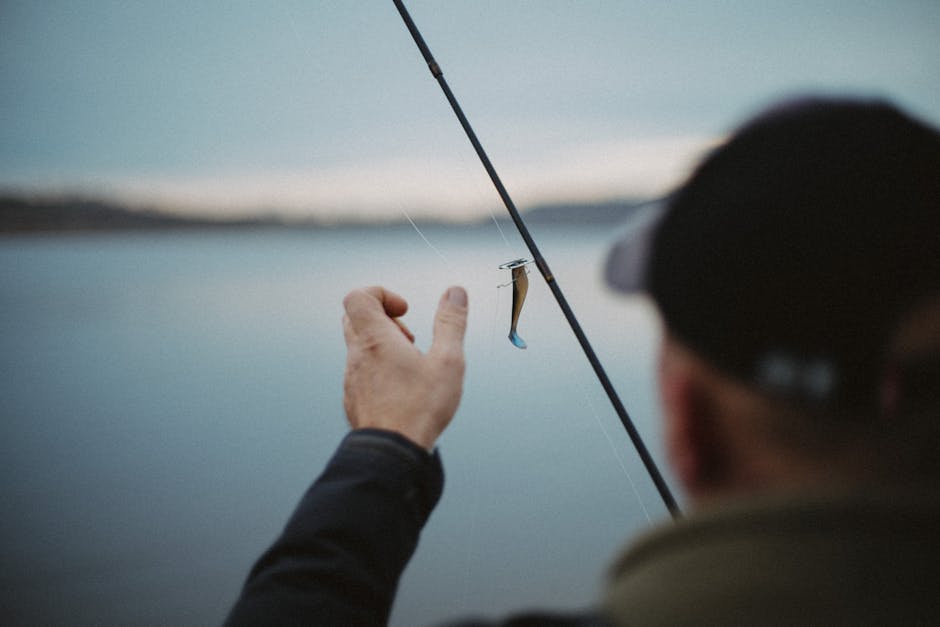 Light line is not optional. The difference between 8 lb and 6 lb fluorocarbon can double your bites on a pressured lake.
Seasonal Finesse Strategies
Spring (50-65 Degrees)
Prespawn bass stage on secondary points and channel swings. A shaky head or split shot dragged along gravel transitions picks off staging fish. Once bass move to beds, a wacky-rigged Senko triggers a territorial strike even when they are not feeding.
Summer (65-85 Degrees)
Bass split between deep offshore structure and shallow shade. For deep fish, the drop shot and mojo rig dominate on points and humps in 15 to 30 feet. For shallow shade, a Ned rig or shaky head dragged along dock pilings produces through the midday hours.
Fall (55-70 Degrees)
Bass follow shad into creek arms. A drop shot with a Jackall Crosstail Shad in a shad color imitates the real thing. Ned rigs on transition banks catch fish that are not chasing bait schools.
Winter (40-55 Degrees)
Cold water makes finesse mandatory. A drop shot worked vertically over brush piles in 25 to 40 feet is the most reliable winter technique. A Ned rig dead-sticked on rocky flats catches fish that ignore everything else.
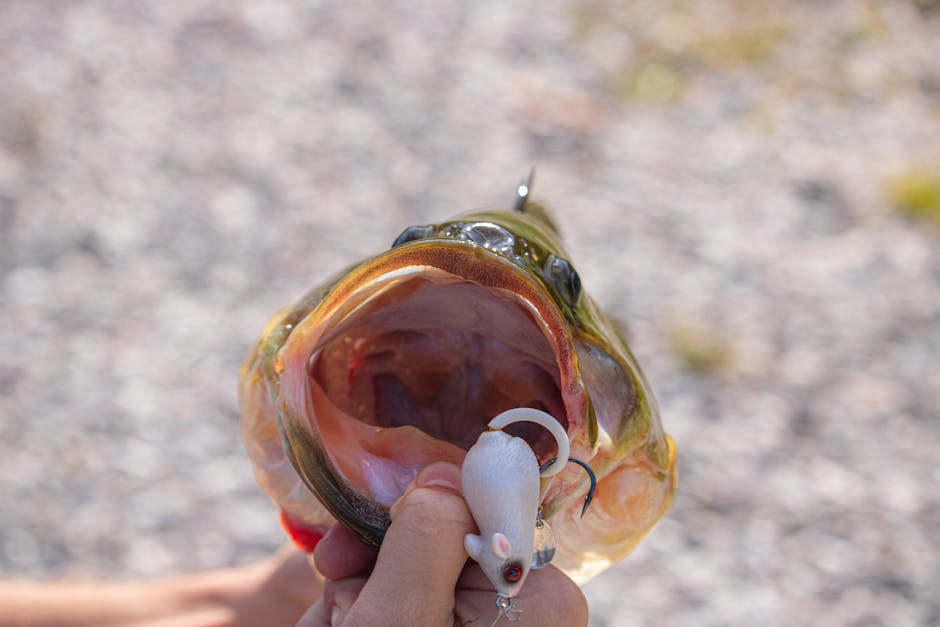 Winter bass will not chase. A drop shot or Ned rig worked slowly in deep water is often the only presentation that produces.
Mistakes That Kill Your Finesse Bite
- Using too heavy a rod. A medium-heavy baitcasting rod cannot cast 1/8 oz baits or feel subtle bites. Stay medium-light on spinning gear.
- Moving too fast. Work each piece of cover for a full minute before moving. The fish that eats on second 45 was never going to eat on second 5.
- Setting the hook too hard. Small hooks and light line snap on a power hookset. Sweep the rod with steady pressure.
- Ignoring line condition. Fluorocarbon develops abrasion from rocks. Check your line every hour. Retie if it feels rough.
- Going too big on baits. A 7-inch worm on a shaky head is not finesse. Keep plastics in the 3 to 5 inch range.
Log Your Finesse Patterns
Finesse fishing produces patterns that repeat. The depth, water temp and technique that worked on that post-frontal Tuesday will work again the next time those conditions appear. The Tackle app lets you log every finesse catch with conditions so you stop guessing and start fishing with data. Download Tackle free and build your finesse playbook.
FAQs
What is finesse fishing for bass?
Finesse fishing uses smaller baits (3 to 5 inches), lighter line (4 to 8 lb fluorocarbon) and slower presentations on spinning gear to catch bass that refuse standard-size lures. It works by keeping the bait in the strike zone longer and giving pressured fish a natural-looking meal they cannot ignore.
What is the best finesse technique for beginners?
The Ned rig is the easiest finesse technique to learn. Thread a Z-Man TRD onto a 1/8 oz mushroom head jig and drag it slowly along the bottom. The bait does all the work. Cast it, drag it, catch fish.
Can you catch big bass on finesse techniques?
Absolutely. Five-pound and larger bass eat finesse baits regularly. Big bass are educated fish. A natural-looking finesse presentation does not trigger their alarm bells. Trophy largemouth and smallmouth are caught on drop shots and Ned rigs every week on tournament circuits.
What is the difference between a drop shot and a shaky head?
A drop shot suspends the bait above the bottom on a leader. A shaky head sits the bait directly on the bottom with the hook and weight combined in one jig head. The drop shot gives more control over bait height and lets you shake in place. The shaky head is simpler to rig and excels at covering bottom structure.
Do I need a special rod for finesse fishing?
A 7-foot medium-light spinning rod with a fast action tip handles 90% of finesse techniques. You can start with any medium-light spinning rod you own. Upgrade to a dedicated finesse rod like the Daiwa Steez or St. Croix Legend X as you fish more.
1-Minute Action Plan
- Spool a 2500 spinning reel with 8 lb braid to a 6 lb fluorocarbon leader
- Rig a drop shot: 1/4 oz tungsten weight, size 1 hook, 12-inch leader, Roboworm Straight Tail in Morning Dawn
- Find a dock, rock pile or ledge in 8 to 20 feet
- Shake the bait in place for 20 seconds. Drag 6 inches. Shake again
- No bites after 15 minutes? Switch to a Ned rig and slow down further
What to Read Next
- Ready to master the number one finesse technique? Read our complete drop shot rig guide
- Want the simplest bail-out bait in fishing? Check out how to fish a Ned rig
- Need the best fall-rate presentation? Our wacky rig guide covers everything
- Chasing bronze backs? See how to catch smallmouth bass for species-specific tactics
- Targeting the most popular freshwater fish? Our largemouth bass guide has you covered
Sources
- Wired2Fish - Finesse Bass Fishing
- Bass Resource - Finesse Techniques
- Tactical Bassin - Finesse Fishing
- In-Fisherman - Light Line Tactics
Regulations vary by state and body of water. Always check current local rules before fishing.

Tackle Team
The Tackle Fishing Team is a collective of anglers, data scientists, and fishing enthusiasts dedicated to making fishing more accessible and successful for everyone.
View profileSources Consulted
The following sources were consulted in creating this guide:
- Wired2Fish – www.wired2fish.com (retrieved Mar 2026)
- Bass Resource – www.bassresource.com (retrieved Mar 2026)
- Tactical Bassin – www.tacticalbassin.com (retrieved Mar 2026)
- In-Fisherman – www.in-fisherman.com (retrieved Mar 2026)
Note: Information is summarized and explained in our own words. Always verify current regulations with official sources.
Frequently Asked Questions
What is finesse fishing for bass?
Finesse fishing uses smaller baits (3 to 5 inches), lighter line (4 to 8 lb fluorocarbon) and slower presentations on spinning gear to catch bass that refuse standard-size lures. It works by keeping the bait in the strike zone longer and giving pressured or inactive fish a natural-looking meal they cannot ignore.
What is the best finesse technique for beginners?
The Ned rig is the easiest finesse technique to learn. Thread a Z-Man TRD onto a 1/8 oz mushroom head jig and drag it slowly along the bottom. The bait does all the work. You do not need to master a complicated retrieve or a specific rod action. Cast it, drag it, catch fish.
Can you catch big bass on finesse techniques?
Absolutely. Five-pound and larger bass eat finesse baits regularly. Big bass are educated fish in most lakes. A natural-looking finesse presentation does not trigger their alarm bells the way a loud reaction bait does. Trophy largemouth and smallmouth are caught on drop shots and Ned rigs every week on tournament circuits.
What is the difference between a drop shot and a shaky head?
A drop shot suspends the bait above the bottom on a leader. A shaky head sits the bait directly on the bottom with the hook and weight combined in one jig head. The drop shot gives more control over bait height and lets you shake in place. The shaky head is simpler to rig and excels at covering bottom structure like rock and gravel.
Do I need a special rod for finesse fishing?
A 7-foot medium-light spinning rod with a fast action tip handles 90% of finesse techniques. The key is a sensitive tip that loads on light hooksets and a backbone strong enough to fight fish on 6-8 lb line. You can start with any medium-light spinning rod you own. Upgrade to a dedicated finesse rod like the Daiwa Steez or St. Croix Legend X as you fish more.
Plan Your Next Fishing Trip
Download Tackle to compare tide charts, wind conditions, and practical fishing guidance for your location before you go.
✓ Real-time tide charts • ✓ Wind & weather forecasts • ✓ AI fish identification
See local regulations — Find regulations for your area
Want weekly fishing windows delivered to your inbox?
Get personalized fishing forecasts based on weather, tides, and moon phases.
RELATED CONTENT
KEEP READING