

How to Use a Ned Rig: The Finesse Bait That's Almost Cheating
The Ned rig is the simplest, most frustratingly effective bass bait ever invented. A tiny mushroom-shaped jig head. A stubby soft plastic. Nothing fancy. Yet this little rig catches fish when everything else in your tackle box gets ignored. Tournament pros call it almost cheating.
If you fish pressured water, clear lakes or tough post-frontal conditions, the Ned rig will change your life.
Best for: Beginner to Advanced | Works at every skill level
What you need: Mushroom head jig (1/16-1/4 oz), 3-4 inch soft plastic stick bait, spinning rod, 6-8 lb fluorocarbon
Do this first: Tie on a 1/8 oz Z-Man Finesse ShroomZ with a Z-Man TRD in green pumpkin. Cast it to a rocky bank. Drag it slow. You'll be hooked before the bass is.
What Is a Ned Rig?
A Ned rig is a small mushroom-shaped jig head (1/16 to 1/4 oz) paired with a short soft plastic, usually 3 to 4 inches long. Named after Ned Kehde, a Midwest angler from Kansas who spent decades quietly catching ridiculous numbers of bass on tiny jigs while everyone else threw big baits and caught less.
The idea is dead simple. Small. Subtle. Slow. The flat-bottomed mushroom head lets the bait stand upright on the bottom while the buoyant plastic waves gently in the current like a tiny creature feeding on the lake floor. Bass that have seen every crankbait and spinnerbait in the catalog will eat a Ned rig without hesitation.
If you've been throwing soft plastic lures and getting refused, the Ned rig is your next move.
Get Personalized Fishing Advice
Want real-time conditions for your exact location? Tackle provides live tide data, wind forecasts, and AI-powered fishing advice tailored to where you fish.
✓ Real-time tide charts • ✓ Wind & weather forecasts • ✓ AI fish identification
Quick Answer: Why the Ned Rig Works
- The mushroom head stands the bait up off the bottom, mimicking a feeding baitfish or crawfish
- Buoyant ElaZtech plastic waves and quivers with the slightest current
- The small profile doesn't spook pressured bass the way bigger baits do
- It catches fish in gin-clear water, post-frontal conditions and 100-boat tournament lakes
- Smallmouth bass treat it like kryptonite. Spotted bass and largemouth crush it too
- It's the bail-out bait when nothing else gets bit
Some tournament pros won't throw it because they feel like they're not really fishing. Others quietly win events with it.
Tackle Box Snapshot (Copy This Setup)
- Jig head: Z-Man Finesse ShroomZ, 1/8 oz (green pumpkin or black)
- Soft plastic: Z-Man TRD 2.75" (green pumpkin, watermelon red or smoky shad)
- Rod: 6'6" to 7' spinning rod, medium-light power, fast action
- Reel: 2500 size spinning reel
- Line: 6-8 lb fluorocarbon straight, or 10 lb braid to 6 lb fluoro leader
- Target depth: 2 to 25 feet
- Retrieve: Slow drag along bottom with long pauses
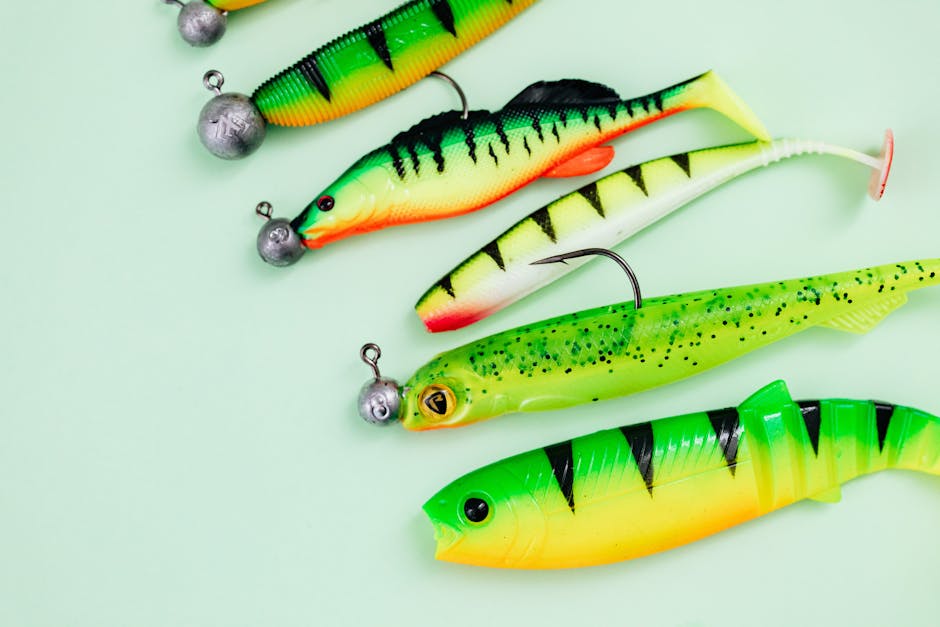 One jig head weight and two plastic colors get you through a full day of Ned rig fishing.
How to Rig It
Thread the soft plastic onto the mushroom jig head. Push it about three-quarters of the way on so the tail section has room to wave freely. The nose should sit flush against the mushroom head. That's it. The simplest rig in fishing.
Compared to a drop shot rig with its leader lengths and hook positioning, the Ned rig takes five seconds to set up. Less hardware means more natural movement.
Step-by-Step: Fishing the Ned Rig
-
Cast to structure. Points, rock piles, dock pilings, riprap and drop-offs. Let the bait sink on semi-slack line. Watch your line closely because bites on the fall are common.
-
Drag it slow. Use your rod tip to drag the bait 6 to 12 inches. Then stop. Let it sit 5 to 10 seconds. The standing-up posture does all the selling during that pause.
-
Feel for the tick. Ned rig bites are subtle. A light tap, the line goes slack, or the bait just feels heavier. If something feels different, reel down and set the hook.
-
Set the hook gently. Light wire hooks and light line mean a firm sweep, not a violent snap. Reel tight and lean into the fish.
-
Adjust after 15 minutes with no bites. Slow down even more. Try dead sticking (cast and let it sit 30 seconds). Go lighter on the jig head. The answer is almost always to do less.
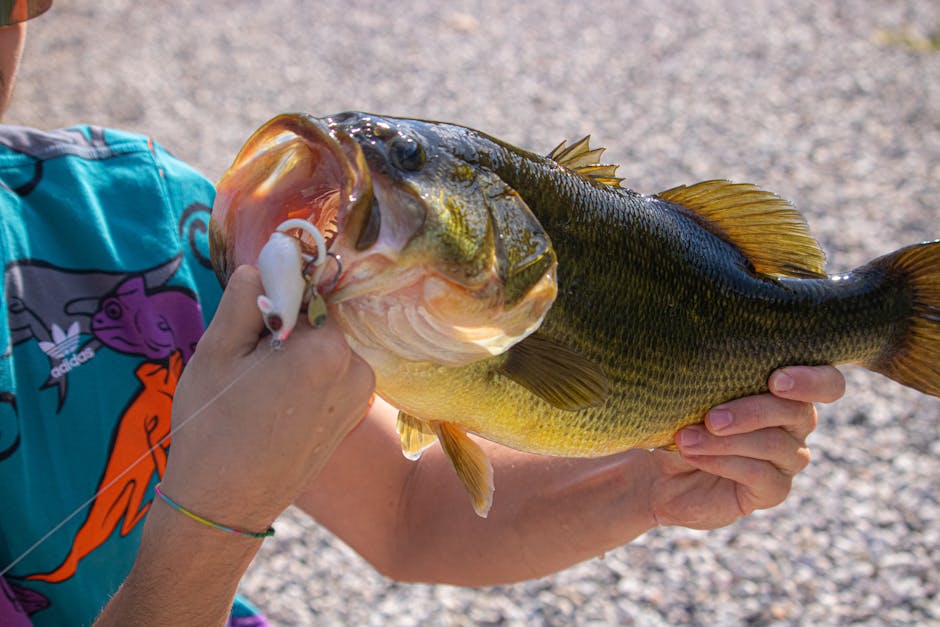 Keep the rod tip low during the drag retrieve. Most Ned rig bites feel like slight heaviness, not a hard thump.
Best Jig Heads for Ned Rigging
Z-Man Finesse ShroomZ is the standard. Flat mushroom bottom stands the bait upright on hard surfaces. Most anglers start here and never leave.
VMC Ned Rig Jig has a different head shape and quality hook. Good alternative.
Z-Man Finesse BulletZ is the weedguard version for grass, wood and light cover.
Owner Ultrahead works well with bigger 3.5 to 4 inch plastics that need a stronger hook.
Weight selection: 1/16 oz for shallow calm water. 1/8 oz is the all-purpose choice (80% of situations). 1/5 to 1/4 oz for deep water, wind or current.
Best Soft Plastics for the Ned Rig
Z-Man TRD (The Real Deal) is the original Ned bait. The 2.75-inch profile and ElaZtech material make it the standard.
Z-Man Finesse TRD is the slimmed-down version for short-striking fish and spotted bass.
Strike King Ned Ocho brings a Senko-style ribbed body with extra water displacement.
Z-Man Hula StickZ adds a silicone skirt for more movement. Good in stained water.
Berkley PowerBait MaxScent TRD uses scent technology that makes fish hold on longer. Less durable than ElaZtech.
Why Z-Man ElaZtech Dominates
Three things set ElaZtech apart. First, it's buoyant, so the tail floats up off the bottom giving the bait that signature standing posture. Second, it's insanely durable. One TRD can last 50 or more fish because the material stretches up to 10 times its length without tearing. Third, the soft texture makes bass hold on longer, giving you extra time to set the hook.
The downside: ElaZtech reacts with standard soft plastics and can melt them. Keep Z-Man baits in their original bags.
Decision Tree: Adjust to Conditions
- Clear water → Green pumpkin TRD, 1/8 oz head, 6 lb fluoro, slow drag
- Stained water → Black/blue or junebug, Hula StickZ for vibration, 1/5 oz
- Post-cold front → Finesse TRD on 1/16 oz head, dead stick 30 seconds between moves
- Windy → 1/4 oz to maintain bottom contact, drag with the wind
- Deep (15-25 ft) → 1/4 oz, vertical presentation, shake in place
- Heavy pressure → Smallest profile, natural colors, painfully slow
Spot Playbook: Where Bass Eat a Ned Rig
The Ned rig shines on hard bottom. Rocky points, gravel banks, riprap walls and clay transitions are prime. The mushroom head slides over hard surfaces without hanging up.
Dock pilings are outstanding. Pitch tight and let it sink next to the wood. Bass holding in the shade eat it on the fall or as it sits.
Drop-offs produce big fish. Drag the bait along a ledge until it falls over the edge. That falling action triggers reaction strikes from fish on the break.
Grass edges work with the BulletZ weedguard head. Cast parallel and drag right along the edge.
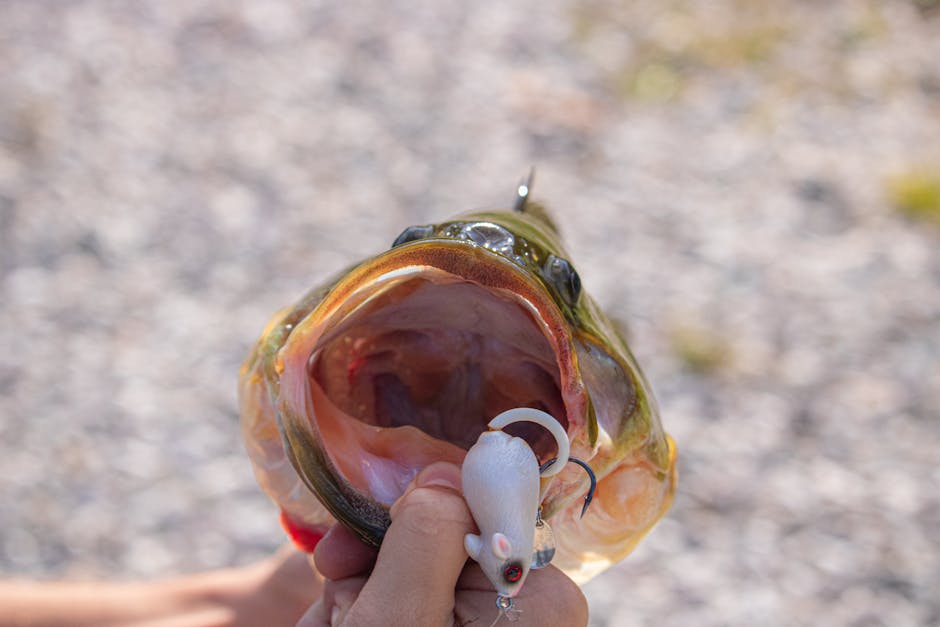 Hard bottom with scattered rock is Ned rig paradise. The mushroom head stands the bait up perfectly on gravel and chunk rock.
Five Retrieval Techniques
Slow drag: Drag 6 to 12 inches, pause 5 to 10 seconds, repeat. Your bread and butter.
Shake in place: Tiny rod tip shakes while the bait stays put. The tail quivers without the head moving. Deadly over known fish.
Dead stick: Cast it out and don't touch it for 30 seconds. Pressured bass will eat a motionless Ned rig on the bottom. Watch your line.
Swim: Slow steady retrieve just above bottom. Rod tip at 10 o'clock. Good for covering water.
Hop: Small rod tip lifts that bounce the bait an inch or two off bottom. Mimics a fleeing crawfish on rocky substrate.
5 Mistakes That Kill the Bite
-
Using too heavy of gear. A medium-heavy rod and 15 lb line kills the action and you can't cast a 1/8 oz jig 30 feet. Stay medium-light.
-
Reeling too fast. If you think you're slow enough, cut your speed in half. This is a commitment bait, not a search bait.
-
Not letting it sit long enough. The pause is where 60% of bites happen. Let the bait stand up and do its job.
-
Wrong plastic material. Standard plastics sink flat. The whole point is the standing-up posture from buoyant material.
-
Setting the hook too hard. Light wire hooks on light line. Reel down and sweep firmly. You don't need to drive the hook through a cinder block.
The Ned rig is NOT just for small fish. Five-pound largemouth eat them regularly. Big bass are smart bass. A tiny bait sitting on the bottom doesn't trigger their alarm bells. This is similar to why a simple wacky rig catches giants. The most natural presentation wins.
Track What Works
What color produced on that clear gravel point? Which weight kept bottom contact on the windy bank? Log your catches with conditions in the Tackle app and you'll build a Ned rig playbook specific to your home waters.
Ready to catch the fish that ignore everything else? Download Tackle free and put your finesse game to work.
1-Minute Action Plan
- Tie on a 1/8 oz Z-Man Finesse ShroomZ with a green pumpkin TRD
- Find a rocky point, gravel bank or dock in 5 to 15 feet of water
- Cast and let it sink. Drag 6 inches. Pause 10 seconds. Repeat
- If no bites after 15 minutes, switch to dead sticking (cast and wait 30 seconds before moving)
- Watch your line on every pause. The bite is subtle
Next Steps
- If you want another finesse option for tough days, learn how to fish a drop shot rig
- If you want the best fall-rate bait in fishing, see our wacky rig guide
- If you're new to finesse plastics, start with our guide on how to use soft plastic lures
FAQs
What size Ned rig is best for bass?
A 1/8 oz mushroom head with a 2.75-inch Z-Man TRD covers about 80% of situations. Go lighter (1/16 oz) in shallow calm water and heavier (1/4 oz) when it's deep or windy. Bait size rarely changes. Stick with 2.75 to 3.5 inches.
Can you fish a Ned rig in heavy cover?
Yes, but you need a weedguard jig head like the Z-Man Finesse BulletZ. A standard exposed-hook mushroom head will snag on wood and grass constantly. The weedguard version lets you fish docks, laydowns and grass edges without losing rigs every cast.
Does the Ned rig work in deep water?
Absolutely. Use a 1/4 oz head and fish it vertically over structure in 15 to 25 feet. Drop it straight down, let it hit bottom, then shake in place or drag slowly. Smallmouth and spotted bass on deep structure eat Ned rigs year-round.
Why do Z-Man plastics melt other soft plastics?
ElaZtech is a non-PVC material that reacts chemically with standard PVC soft plastics. Store them together and they'll fuse and ruin both baits. Always keep Z-Man plastics in their original resealable bags, separate from everything else.
Is the Ned rig only for spinning gear?
For the most part, yes. The light jig head weights (1/16 to 1/4 oz) are too light for most baitcasting setups to cast effectively. A 2500 size spinning reel on a medium-light rod gives you the best casting distance and sensitivity. Some BFS (bait finesse system) reels can handle it, but spinning gear is the standard.
Sources
Regulations change. Always check local rules before fishing.

Tackle Team
The Tackle Fishing Team is a collective of anglers, data scientists, and fishing enthusiasts dedicated to making fishing more accessible and successful for everyone.
View profileSources Consulted
The following sources were consulted in creating this guide:
- Wired2Fish – www.wired2fish.com (retrieved Mar 2026)
- Bass Resource – www.bassresource.com (retrieved Mar 2026)
- Tactical Bassin – www.tacticalbassin.com (retrieved Mar 2026)
Note: Information is summarized and explained in our own words. Always verify current regulations with official sources.
Frequently Asked Questions
What size Ned rig is best for bass?
A 1/8 oz mushroom head with a 2.75-inch Z-Man TRD covers about 80% of bass fishing situations. Go lighter (1/16 oz) in shallow calm water and heavier (1/4 oz) when it's deep or windy. The bait size rarely changes. Stick with 2.75 to 3.5 inches.
Can you fish a Ned rig in heavy cover?
Yes, but you need a weedguard jig head like the Z-Man Finesse BulletZ. A standard exposed-hook mushroom head will snag on wood and grass constantly. The weedguard version lets you fish docks, laydowns and grass edges without losing rigs every cast.
Does the Ned rig work in deep water?
Absolutely. Use a 1/4 oz head and fish it vertically over structure in 15 to 25 feet. Drop it straight down, let it hit bottom, then shake in place or drag slowly. Smallmouth and spotted bass on deep structure eat Ned rigs year-round.
Why do Z-Man plastics melt other soft plastics?
ElaZtech is a non-PVC material that reacts chemically with standard PVC soft plastics. If you store them together in the same bag or tackle tray they'll fuse and ruin both baits. Always keep Z-Man plastics in their original resealable bags, separate from everything else.
Is the Ned rig only for spinning gear?
For the most part, yes. The light jig head weights (1/16 to 1/4 oz) are too light for most baitcasting setups to cast effectively. A 2500 size spinning reel on a medium-light rod gives you the best casting distance and sensitivity. Some BFS (bait finesse system) reels can handle it, but spinning gear is the standard.
Plan Your Next Fishing Trip
Download Tackle to compare tide charts, wind conditions, and practical fishing guidance for your location before you go.
✓ Real-time tide charts • ✓ Wind & weather forecasts • ✓ AI fish identification
See local regulations — Find regulations for your area
Want weekly fishing windows delivered to your inbox?
Get personalized fishing forecasts based on weather, tides, and moon phases.
RELATED CONTENT
KEEP READING