

The wacky rig might be the most disrespected technique in bass fishing. It looks too simple. A hook through the middle of a worm. That's it. But this dumb-looking setup catches fish when nothing else will. Tournament pros keep one tied on at all times for a reason.
If you've been struggling to get bites or you're brand new to bass fishing, the wacky rig is your best friend. Let's break down everything you need to know.
What Is a Wacky Rig?
A wacky rig is a hook pushed straight through the middle of a soft plastic stick bait so both ends hang down and dangle freely. That's the whole rig. No weight. No swivel. No leader setup. Just a hook through the egg sack (the thickest part near the center) of the worm.
When it hits the water, both ends of the worm flutter and wiggle independently as it sinks. It looks like a dying baitfish or a struggling worm drifting through the water column. Bass absolutely crush it.
Unlike a Texas rig where the worm falls headfirst, a wacky rig falls horizontally with maximum wobble. The slow fall keeps the bait in the strike zone longer. That's why it outperforms power fishing techniques on tough days.
Get Personalized Fishing Advice
Want real-time conditions for your exact location? Tackle provides live tide data, wind forecasts, and AI-powered fishing advice tailored to where you fish.
✓ Real-time tide charts • ✓ Wind & weather forecasts • ✓ AI fish identification
Why the Wacky Rig Works So Well
The falling action is unlike anything else in your tackle box. Both ends of the worm move independently, creating a subtle pulsing motion that bass can't ignore. Even heavily pressured tournament fish that have seen every lure in the catalog will eat a wacky rig.
It works because it's slow. It's natural. And it stays in front of the fish longer than a bait ripping by at full speed. When the water is clear and the fish are spooky, finesse wins. The wacky rig is the king of finesse.
How to Rig It
Find the balance point of your worm by laying it across your finger. The spot where it balances evenly is where your hook goes. Push the hook straight through the worm at that center point. Both ends should hang down at roughly equal lengths.
That's it. You're fishing.
For a more in-depth look at rigging soft plastic lures, check out our full guide. But honestly, the wacky rig is the one setup that takes zero practice to get right.
Best Worms for Wacky Rigging
Not all soft plastics work well on a wacky rig. You want a dense stick bait with enough weight to cast on spinning gear and enough salt content to sink at a tantalizing pace.
Yamamoto Senko 5" is the undisputed GOAT. The salt-impregnated body gives it the perfect fall rate and that legendary shimmy. If you only buy one worm, this is it.
YUM Dinger is the budget alternative that gets the job done. Similar shape and fall to the Senko at about half the price. Great for burning through packs when you're losing worms to short strikes.
Strike King Ocho has a round body with ridges that push more water. Good when you want a little extra vibration on the fall.
Gary Yamamoto 4" Senko is the finesse version. Downsize to this when bass are short-striking the 5-inch or when you're targeting spotted bass and smaller fish.
Berkley PowerBait MaxScent General uses scent technology that makes fish hold on longer. The extended bite time gives you an extra second to set the hook.
Color tip: Green pumpkin and watermelon work almost everywhere. Use black and blue in stained water. Natural translucent colors shine in super clear water.
Hook Options
Your hook choice changes how the rig fishes. Here are the main options:
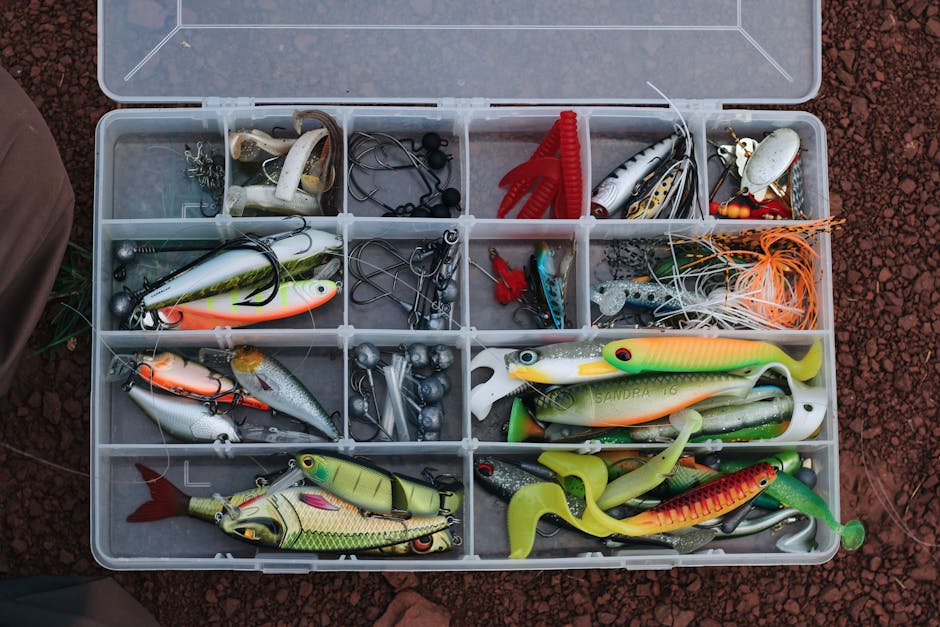
Standard wacky hook (size 1 or 1/0, octopus style): The default choice. Light wire, wide gap, exposed point. VMC Wacky Hooks and Gamakatsu Split Shot/Drop Shot hooks are both excellent. Fish it weightless in open water.
Wacky jig head (1/16 to 1/8 oz): A small jig head designed for wacky rigging. Gets the bait down faster in deeper water or on windy days. The weight also makes both ends of the worm flap harder during the fall.
Wide gap weedless hook: Has a wire guard that protects the hook point. Use this when you're fishing around docks, laydowns or vegetation where a standard hook would snag constantly.
The O-Ring Trick (Save Your Worms)
Here's the problem with wacky rigs. You hook straight through the softest part of the worm. One or two fish and the worm tears in half. At $8 a pack for Senkos, that adds up fast.
The fix is simple. Slide a small rubber O-ring onto the center of the worm, then push your hook under the O-ring instead of through the worm body. The O-ring holds the hook in place while the worm stays intact. One worm can last 10 to 30 fish this way.
You can use a dedicated wacky rigging tool to stretch the O-ring over the worm. Or use the old-school hack: cut the bottom off a chapstick tube, slide the worm through the tube, roll the O-ring off the tube and onto the worm. Works perfectly.
Weighted vs Weightless
Weightless is the standard approach. The bait falls slowly at about 1 foot per 3 seconds. Perfect for water under 8 feet. Use weightless when you're fishing docks, shoreline cover, spawning flats and anywhere bass are holding shallow.
Weighted (jig head or nail weight) gets the bait down to 10 to 25 feet. The heavier fall also creates a more aggressive flapping action from both ends of the worm. Use a weighted wacky when it's windy, when fish are deeper or when you need to punch through baitfish schools to reach bass holding below them.
A 1/16 oz jig head covers most situations. Move to 1/8 oz for water deeper than 15 feet or heavy wind.
Best Situations for a Wacky Rig
Dock fishing: Skip the wacky rig under docks where bass hide in the shade. The slow fall right in front of their face is almost impossible for them to resist.
Spawning beds: Drop a wacky worm directly onto a bed. The intruding worm drives bedding bass crazy. They'll pick it up just to move it off the nest.
Clear water: When bass can see everything and get picky, the natural action of a wacky rig fools them when louder baits get ignored.
Post-cold front: After a front pushes through and shuts the bite down, a wacky rig's slow presentation can still draw strikes from lockjaw fish.
Pressured fish: Tournament lakes where bass see hundreds of lures a week. The wacky rig looks different from everything else hitting the water.
Suspended bass: Fish hanging in the water column around shade lines, brush piles or standing timber. The horizontal fall keeps the bait at their depth longer.
How to Fish It: The Retrieve
The retrieve is dead simple. Cast it out. Let it fall on semi-slack line. Watch your line closely because most bites happen on the fall. If you see the line jump, twitch or move to the side, set the hook.
Once it hits bottom, give it one or two small twitches with your rod tip. Then let it fall again. Repeat this all the way back to the boat.
Don't overthink it. The worm does all the work. Your job is to watch the line and be ready. Similar to the patience needed for a ned rig, the less you do the more bites you'll get.
Rod, Reel and Line Setup
Rod: Spinning rod, 6'6" to 7' in medium-light or medium power. You need a rod with enough tip sensitivity to detect light bites but enough backbone to fight fish out of cover.
Reel: 2500 size spinning reel. Nothing fancy needed.
Line: 6 to 8 lb fluorocarbon straight through, or 10 to 15 lb braid with a 6 to 8 lb fluorocarbon leader. Fluorocarbon sinks and is nearly invisible underwater, which matters in clear water finesse situations. Braid gives you better sensitivity to feel those subtle ticks on the fall.
Why Tournament Pros Always Have One Tied On
Every serious tournament angler keeps a wacky rig rod on the deck. It's the cleanup hitter. When the main pattern dies or the bite gets tough after a front, the wacky rig fills the livewell. It's not flashy. It won't win a big-fish award. But it catches limits when you need them most.
Pros like Aaron Martens (one of the greatest finesse anglers ever) made careers out of throwing wacky rigs on pressured fisheries. The technique is proven at every level from local club tournaments to the Bassmaster Classic.
5 Mistakes That Cost You Fish
-
Reeling too fast. This is not a search bait. Let it fall. Let it sit. The slower you go the more bites you get.
-
Ignoring the line. Most wacky rig bites don't feel like anything. The line just does something weird. If you're not watching your line you're missing fish.
-
Using too heavy a rod. A stiff heavy-action rod will rip the hook out of soft-biting fish and kill the natural action of the worm. Stay medium-light to medium.
-
Skipping the O-ring. Hooking straight through the worm works, but you'll burn through a pack in 30 minutes. The O-ring saves money and keeps your bait looking fresh.
-
Only fishing it shallow. A weighted wacky rig on a jig head catches bass in 15 to 25 feet of water. Don't limit yourself to the bank.
Track What Works
The wacky rig is simple to fish but the details matter. Which color worked in stained water? What size jig head produced in 12 feet on that windy day? The Tackle app helps you log every catch with conditions so you build a personal playbook that gets better every trip.
Ready to start catching more bass? Download Tackle free and put your wacky rig knowledge to work.
FAQs
Can you use a wacky rig in heavy cover?
Yes but you need a weedless hook with a wire guard. A standard exposed hook will snag on every branch and grass clump. The weedless version sacrifices a small amount of hookup rate but lets you fish docks, laydowns and sparse vegetation without losing rigs.
What size hook for a wacky rig?
Size 1 or 1/0 for a 5-inch Senko. Size 2 for 4-inch worms. The hook should be proportional to the worm so it doesn't overpower the natural action. Octopus-style and wide-gap hooks are both solid choices.
How deep can you fish a wacky rig?
Weightless, it's most effective in 1 to 8 feet. With a 1/16 oz jig head you can reach 10 to 15 feet. With a 1/8 oz head or a nail weight, 20 to 25 feet is very doable. Anything deeper than that and you're better off with a different technique.
Does the wacky rig work for smallmouth bass?
Absolutely. Smallmouth love finesse presentations and a wacky rig is one of the best ways to catch them. Use a 4-inch Senko or smaller stick bait in natural colors. Smallmouth on clear northern lakes eat wacky rigs all day long.
What's the difference between a wacky rig and a neko rig?
A neko rig adds a nail weight to one end of the worm so it falls head-down and stands up off the bottom. A wacky rig has no weight in the worm so it falls horizontally. Both use a hook through the middle. The neko rig is better for dragging bottom. The wacky rig is better for the fall.
Sources
Regulations change. Always check local rules before fishing.

Tackle Team
The Tackle Fishing Team is a collective of anglers, data scientists, and fishing enthusiasts dedicated to making fishing more accessible and successful for everyone.
View profileSources Consulted
The following sources were consulted in creating this guide:
- Wired2Fish – www.wired2fish.com (retrieved Mar 2026)
- Bass Resource – www.bassresource.com (retrieved Mar 2026)
- Tactical Bassin – www.tacticalbassin.com (retrieved Mar 2026)
Note: Information is summarized and explained in our own words. Always verify current regulations with official sources.
Frequently Asked Questions
Can you use a wacky rig in heavy cover?
Yes but you need a weedless hook with a wire guard. A standard exposed hook will snag on every branch and grass clump. The weedless version sacrifices a small amount of hookup rate but lets you fish docks, laydowns and sparse vegetation without losing rigs.
What size hook for a wacky rig?
Size 1 or 1/0 for a 5-inch Senko. Size 2 for 4-inch worms. The hook should be proportional to the worm so it doesn't overpower the natural action. Octopus-style and wide-gap hooks are both solid choices.
How deep can you fish a wacky rig?
Weightless, it's most effective in 1 to 8 feet. With a 1/16 oz jig head you can reach 10 to 15 feet. With a 1/8 oz head or a nail weight, 20 to 25 feet is very doable. Anything deeper than that and you're better off with a different technique.
Does the wacky rig work for smallmouth bass?
Absolutely. Smallmouth love finesse presentations and a wacky rig is one of the best ways to catch them. Use a 4-inch Senko or smaller stick bait in natural colors. Smallmouth on clear northern lakes eat wacky rigs all day long.
What's the difference between a wacky rig and a neko rig?
A neko rig adds a nail weight to one end of the worm so it falls head-down and stands up off the bottom. A wacky rig has no weight in the worm so it falls horizontally. Both use a hook through the middle. The neko rig is better for dragging bottom. The wacky rig is better for the fall.
Plan Your Next Fishing Trip
Download Tackle to compare tide charts, wind conditions, and practical fishing guidance for your location before you go.
✓ Real-time tide charts • ✓ Wind & weather forecasts • ✓ AI fish identification
See local regulations — Find regulations for your area
Want weekly fishing windows delivered to your inbox?
Get personalized fishing forecasts based on weather, tides, and moon phases.
RELATED CONTENT
KEEP READING