

Fly Fishing for Beginners: How to Start Without Overthinking It
Fly fishing looks intimidating from the outside. The Latin names for bugs, the guys in $400 waders who talk about "presentations." But the basics are simple. You can catch fish on your first outing if you stop overthinking it and start with the right setup.
Best for: Complete beginners to fly fishing
What you need: 5-weight fly rod and reel combo, weight-forward floating line, a handful of basic flies, polarized sunglasses
Do this first: Buy the Orvis Clearwater 5-weight combo. Tie on a size 14 Elk Hair Caddis. Find a small stream with visible trout. Cast 20 feet upstream and let it drift. That is the whole game.
Quick Answer: What Fly Fishing for Beginners Looks Like
- Start with a 5-weight rod. It handles most freshwater situations from panfish to trout.
- Use a weight-forward floating line. It is the easiest to cast and covers 90 percent of beginner scenarios.
- Learn one cast: the basic overhead cast. You do not need a double haul or a roll cast on day one.
- Fish dry flies first. Watching a trout eat off the surface is the most exciting way to learn.
- Target small streams and creeks. They are more forgiving than big rivers and the fish are less pressured.
- Go in the morning or evening when insects are active and trout are feeding on top.
Get Personalized Fishing Advice
Want real-time conditions for your exact location? Tackle provides live tide data, wind forecasts, and AI-powered fishing advice tailored to where you fish.
✓ Real-time tide charts • ✓ Wind & weather forecasts • ✓ AI fish identification
What Fly Fishing Is (and What It Is Not)
Fly fishing is a method of casting where the weight of the line carries the fly to the target instead of the weight of the lure. That is the core difference between fly fishing and spin fishing. In spin fishing, you throw a heavy lure and the line follows. In fly fishing, you throw the line and the fly follows.
That distinction changes how you cast, how you present your bait and what kind of water you can fish effectively. Fly fishing excels in moving water where trout, smallmouth and panfish feed on insects drifting in the current.
It is not just for trout. People fly fish for bass, carp, redfish and tarpon. But trout in a stream is the best place to learn because the feedback loop is fast. You can see the fish, watch your fly drift and know immediately whether your presentation worked.
A solid beginner setup runs $200 to $350. You do not need a $900 rod to catch fish.
Gear You Actually Need (Skip Everything Else)
The fly fishing industry loves selling you things. Ignore most of it. Here is what you need to start.
Rod and Reel:
- Orvis Clearwater 9-foot 5-weight combo ($198). This is the best value in beginner fly fishing. The rod casts well, the reel holds up and it comes with a matched line. One purchase and you are ready to fish.
- If the Clearwater is out of stock, the Redington Crosswater combo ($129) is a solid backup.
Line and Leader:
- Weight-forward floating line (included with most combos). If you need a replacement or upgrade, the Cabela's Prestige Plus fly line is a solid value.
- 9-foot tapered leader in 4X or 5X
- Redington Classic Tippet in 4X and 5X. Buy two spools. You will go through tippet faster than anything else.
Flies (Start With These 6):
- Elk Hair Caddis, size 14 (dry fly, works everywhere)
- Parachute Adams, size 14 (dry fly, general mayfly imitation)
- Woolly Bugger, size 8, in black and olive (streamer, your search bait)
- Pheasant Tail Nymph, size 16 (nymph, bread-and-butter subsurface fly)
- Zebra Midge, size 18 (nymph, tiny but deadly in tailwaters)
Other Essentials:
- Polarized sunglasses (you cannot read water without them)
- Nippers or small scissors for cutting tippet
- Floatant (keeps dry flies riding on top)
- A small fly box
Skip for now: Waders, vest, net, strike indicators, split shot, multiple fly lines. You can add all of that later once you know you like the sport.
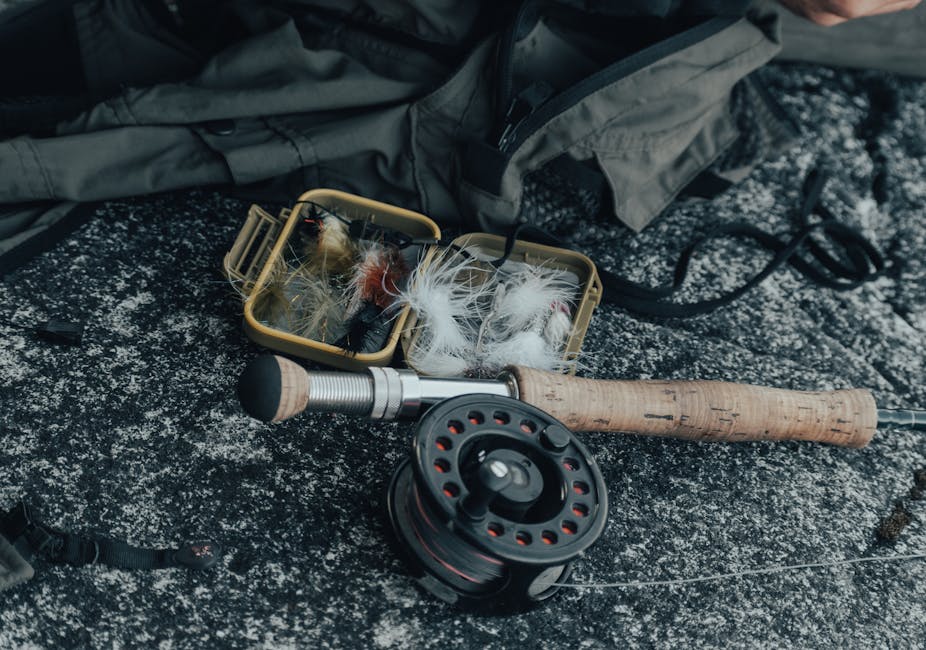 This is all you need to start. One rod combo, a few flies and a spool of tippet will get you on the water faster than buying everything at once.
Basic Casting Technique (The Only Cast You Need)
The overhead cast is the foundation. Every other cast builds on it. If you can throw 20 to 30 feet of line with reasonable accuracy, you can catch fish.
1. Start with 15 to 20 feet of line out. Strip line off the reel and let it pile at your feet. Thumb on top of the grip.
2. Lift the line off the water. Raise the rod smoothly from 9 o'clock to 1 o'clock. This is the backcast. Let the line straighten behind you. Most beginners fail here because they start forward before the line unfurls.
3. Pause. This is the part everyone skips. Wait until you feel the line tug gently on the rod tip. That means the backcast has loaded the rod.
4. Drive forward. Accelerate from 1 o'clock to 10 o'clock and stop sharply. The stop sends the line shooting forward. Think of flicking paint off a brush.
5. Let the line settle. Lower the rod tip as the line unrolls. Your fly should land softly, not slap the surface.
Common casting mistakes:
- Breaking your wrist (keep it stiff, move from the elbow)
- Starting forward too early (the line collapses behind you)
- Throwing too hard (casting is about timing, not muscle)
- Aiming at the water instead of above it (cast at eye level and let gravity do the work)
If you want to sharpen your accuracy after you have the basic stroke, our guide on how to cast accurately breaks it down further.
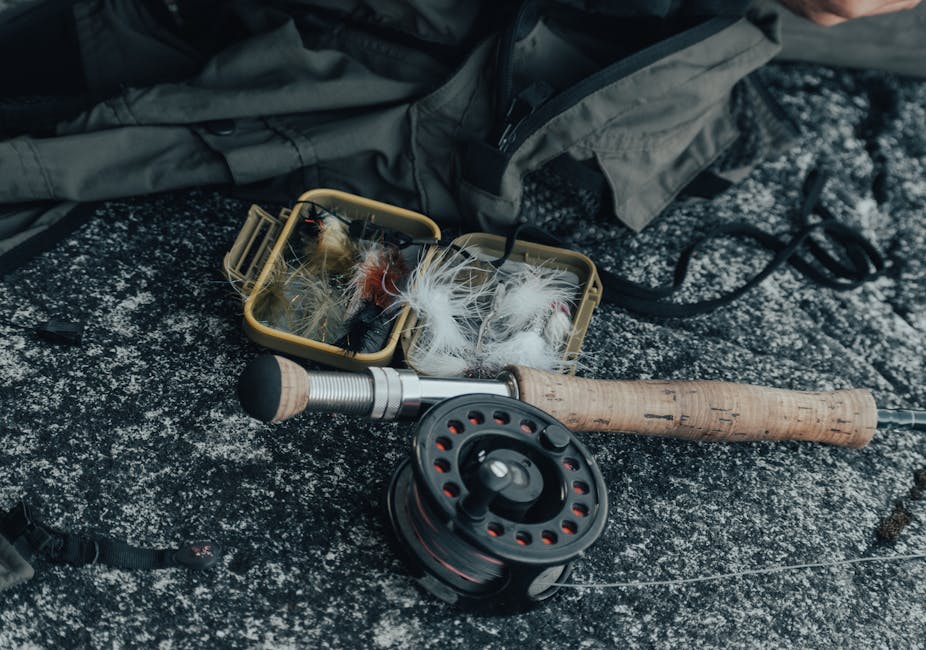 Notice the rod stopping at 1 o'clock on the backcast. That pause lets the line straighten before the forward stroke begins.
Choosing Your Flies: Dry, Nymph and Streamer
Flies fall into three categories. Each one imitates a different stage of insect life or a different food source. You do not need to be an entomologist. You just need to know which category to use and when.
Dry Flies (Floating on the Surface)
Dry flies sit on top of the water and imitate adult insects. This is the most visual and exciting form of fly fishing because you watch the trout rise and eat your fly.
When to use them: When you see insects on the water or fish rising to the surface. Morning and evening hatches are prime time. An Elk Hair Caddis or Parachute Adams in size 12 to 16 covers most situations.
Nymphs (Below the Surface)
Nymphs imitate the larval stage of aquatic insects. Trout eat nymphs more than any other food source. Some estimates say 80 percent of a trout's diet comes from subsurface feeding.
When to use them: When you do not see surface activity. Dead-drift a Pheasant Tail or Zebra Midge near the bottom with a strike indicator (a small bobber). Set the indicator at 1.5 times the water depth.
Streamers (Imitating Baitfish)
Streamers are bigger flies that imitate minnows, crayfish and leeches. You strip them through the water with short pulls instead of dead-drifting.
When to use them: When the water is high or stained, when dry flies are not producing or when you want to target bigger fish. A black Woolly Bugger in size 8 is the most versatile streamer ever tied.
Rule of thumb: Start with a dry fly. If nothing is rising after 20 minutes, switch to a nymph. If the water is off-color or fast, go straight to a streamer. If you want to skip the fly shop and source your own, read our guide on catching flies for bait.
Reading Water for Trout (Where to Put Your Fly)
Casting technique means nothing if you are throwing into empty water. Trout hold in predictable spots. Learn to read a stream and you will know where fish are before you make a single cast.
Current seams. Where fast water meets slow water, a visible line forms on the surface. Trout sit on the slow side and pick off food drifting by. This is the single best place to put a fly in any stream.
Pocket water. The calm spots behind and in front of large rocks. Even a small pocket can hold a feeding trout. Most anglers walk right past them.
Pool tailouts. The smooth water at the downstream end of a deep pool. Insects collect here before dropping over the riffle. Trout know this.
Undercut banks. Where the current has carved under the stream bank. Bigger trout hide here during the day and ambush food that drifts close.
Riffles. The shallow, choppy sections of a stream. Riffles hold dissolved oxygen and attract insects. Small trout feed aggressively here and they are the easiest targets for beginners.
For a deeper breakdown of reading structure in any water type, check out our guide on how to read water for fishing.
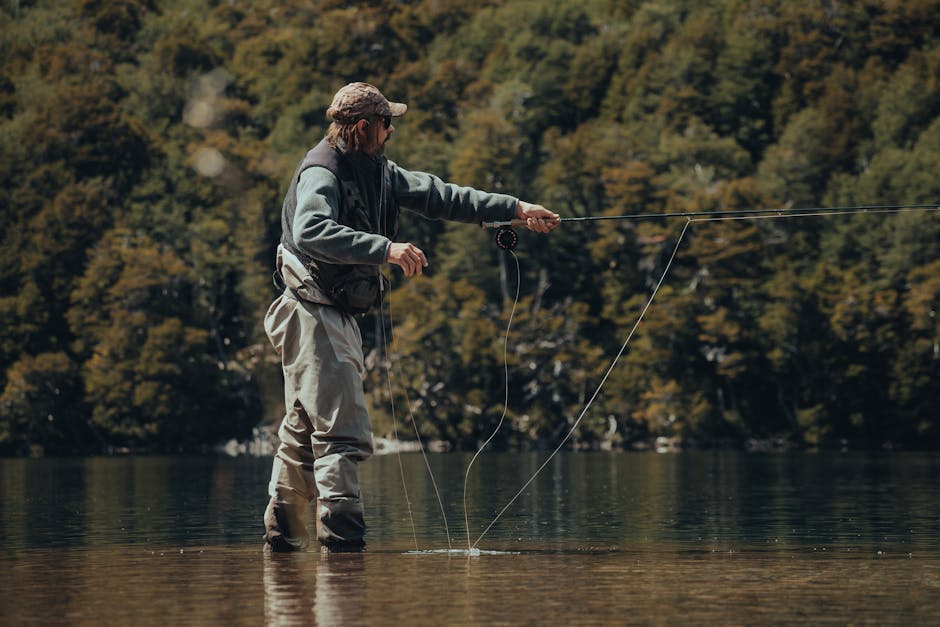 Look for the line where fast current meets calm water. That seam is where trout sit and wait for food to drift past.
Mistakes That Kill the Bite
- Lining the fish. Casting your fly line over a trout spooks it instantly. Cast upstream and to the side so only the tippet passes over the fish.
- Dragging the fly. If your dry fly skates across the surface, the current is pulling your line. Mend upstream to fix it.
- Wading too fast. Stomping through a stream pushes a pressure wave ahead of you. Move slowly and stay low.
- Using tippet that is too thick. Trout in clear water refuse flies on heavy line. Drop to 5X or 6X in gin-clear streams.
- Casting too far. Most trout in small streams are caught within 25 feet. Short casts are more accurate and easier to mend.
- Ignoring the drift. A perfect cast with a bad drift catches nothing. Focus on drag-free float over distance.
- Changing flies too often. The problem is rarely the fly. It is the presentation. Fix your drift before you open the fly box.
Your First Fly Fishing Trip: A Plan That Works
Stop researching and go. Here is a simple plan for your first outing.
Where to go: Find a small stream with public access that holds stocked or wild trout. State fish and wildlife websites list stocked waters. Tailwaters below dams also work well because they hold consistent water temperatures year-round.
When to go: Weekday mornings or evenings. Weekends mean more pressure. Spring and early summer bring more frequent hatches.
What to bring:
- Your rod combo rigged with a 9-foot tapered leader in 5X
- Six to eight flies (the six listed above cover it)
- Polarized sunglasses
- Floatant
- Nippers
- Water and a snack
The first hour:
- Walk the bank before you wade. Look for rising fish or insects on the water.
- Pick a current seam or a riffle.
- Tie on an Elk Hair Caddis and apply floatant.
- Cast 15 to 20 feet upstream. Strip in slack as the fly drifts back.
- If a trout rises, pause for half a second before lifting to set the hook. Do not yank.
If nothing happens after 20 minutes, switch to a Pheasant Tail Nymph with a strike indicator and bounce it along the bottom.
The Tackle app is a good way to log what worked and what did not after each session. After a few trips you will start seeing patterns in which flies produce and which water types hold fish near you.
If you are brand new to fishing in general, our fishing tips for beginners covers the fundamentals that apply to every method.
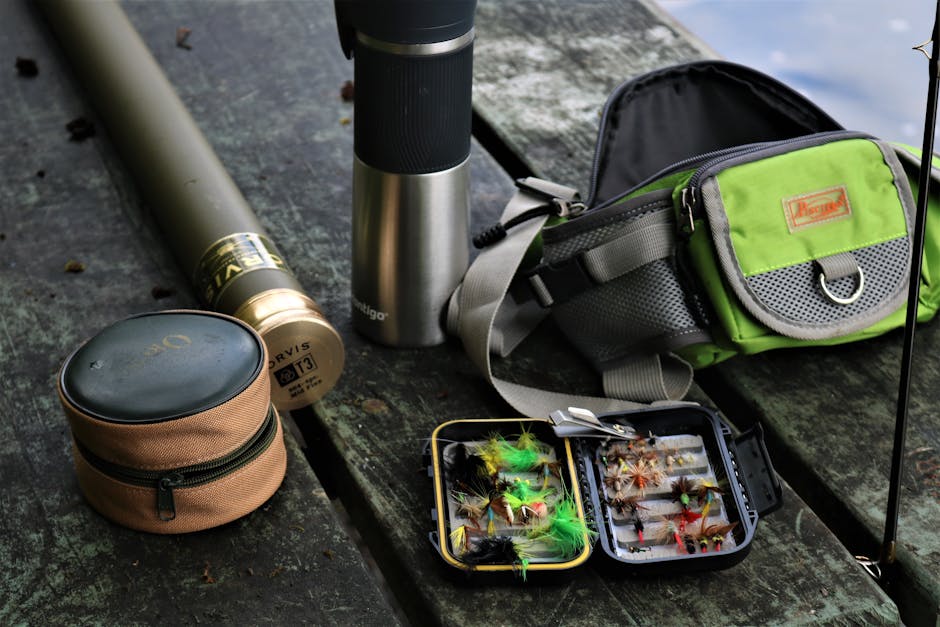 Small streams are the best classroom. Short casts, visible fish and forgiving currents make everything easier when you are learning.
FAQs
Is fly fishing hard to learn?
The basics take a few hours. You can learn to cast 20 to 30 feet in an afternoon. Reading water and matching flies takes longer, but you will catch fish while you learn. Start on small water and the learning curve flattens fast.
How much does it cost to start fly fishing?
A complete beginner setup runs $200 to $350. The Orvis Clearwater combo at $198 includes rod, reel and line. Add flies ($15 to $25), tippet ($5 per spool) and a leader ($4). You can fish for under $250.
What is the best fly rod weight for beginners?
A 5-weight rod. It handles trout, panfish and small bass. It casts well in wind and loads easily at short distances. A 9-foot length gives you reach without being unwieldy. If you only buy one rod, make it a 5-weight.
Can you fly fish in lakes and ponds?
Yes. Strip streamers like Woolly Buggers along weed edges, drop-offs and near inlets. You can also fish nymphs under an indicator in stillwater. The casting mechanics are the same. For more on targeting trout in lakes, read our guide on how to catch rainbow trout.
What is the difference between fly fishing and regular fishing?
In spin fishing, the weight of the lure pulls the line off the reel. In fly fishing, the weight of the line carries the nearly weightless fly. The casting motion is completely different. Fly fishing excels at imitating insects on the surface, something spin tackle cannot do. Our how to catch trout guide covers both approaches.
1-Minute Action Plan
- Rig to tie on: Elk Hair Caddis, size 14, on 5X tippet
- Two places to try first: A visible current seam and the tailout of the nearest pool
- First cast: 15 to 20 feet upstream, let the fly dead-drift back toward you
- If no bites after 15 minutes: Switch to a Pheasant Tail Nymph with a small strike indicator, drifted through the same water at depth
What to Read Next
- Want the full rundown on trout tactics beyond fly fishing? Read how to catch trout
- Targeting rainbows specifically? Our how to catch rainbow trout guide covers gear, bait and seasonal patterns
- Need help reading structure in any water type? Check out how to read water for fishing
- Just starting out and want a broader foundation? Start with fishing tips for beginners
Always Check Current Regulations
Fishing regulations vary by location and change regularly. Always verify current rules with your state fish and wildlife agency before you head out.
Sources

Tackle Team
The Tackle Fishing Team is a collective of anglers, data scientists, and fishing enthusiasts dedicated to making fishing more accessible and successful for everyone.
View profileSources Consulted
The following sources were consulted in creating this guide:
- Orvis Fly Fishing Learning Center – www.orvis.com (retrieved Mar 2026)
- Trout Unlimited – www.tu.org (retrieved Mar 2026)
- Field & Stream – www.fieldandstream.com (retrieved Mar 2026)
Note: Information is summarized and explained in our own words. Always verify current regulations with official sources.
Frequently Asked Questions
Is fly fishing hard to learn?
The basics take a few hours to pick up. You can learn to cast 20 to 30 feet in an afternoon. Start on small water with a simple setup and the learning curve flattens fast. You will catch fish while you learn.
How much does it cost to start fly fishing?
A complete beginner setup runs $200 to $350. The Orvis Clearwater combo at $198 includes a rod, reel and line. Add flies, tippet and a leader and you can be fishing for under $250.
What is the best fly rod weight for beginners?
A 5-weight rod is the standard recommendation. It handles trout, panfish and small bass. A 9-foot length gives you enough reach without being unwieldy. If you only buy one rod, make it a 5-weight.
Can you fly fish in lakes and ponds?
Yes. Use streamers like Woolly Buggers stripped along weed edges, drop-offs and near inlets. You can also fish nymphs under an indicator in stillwater. The casting mechanics are the same as stream fishing.
What is the difference between fly fishing and regular fishing?
In spin fishing, the weight of the lure pulls the line off the reel. In fly fishing, the weight of the line carries the nearly weightless fly to the target. This changes the casting motion completely and makes fly fishing ideal for imitating insects on the surface.
Plan Your Next Fishing Trip
Download Tackle to compare tide charts, wind conditions, and practical fishing guidance for your location before you go.
✓ Real-time tide charts • ✓ Wind & weather forecasts • ✓ AI fish identification
See local regulations — Find regulations for your area
Want weekly fishing windows delivered to your inbox?
Get personalized fishing forecasts based on weather, tides, and moon phases.
RELATED CONTENT
KEEP READING