

Rainbow trout are the most widely stocked freshwater fish in North America. They live in cold mountain streams, tailwaters below dams and thousands of lakes that get regular truck deliveries from state hatcheries. Whether you are sight-casting to a wild fish behind a boulder or soaking PowerBait on a stocked pond, rainbow trout reward anglers who pay attention to the details.
Best for: Beginner to Intermediate | What you need: Ultralight spinning rod or 5-weight fly rod, 4-6 lb monofilament or fluorocarbon, PowerBait, spinners and small spoons | Do this first: Find your state's stocking schedule online, locate the nearest recently stocked lake or stream and fish it within 48 hours of a plant.
Quick Answer: How to Catch Rainbow Trout
- Stocked rainbow trout hold near where they were planted and respond best to PowerBait, salmon eggs and worms fished on the bottom
- Wild rainbow trout in rivers hold behind rocks, along current seams and in pocket water where food funnels to them
- Small inline spinners like the Mepps Aglia and Rooster Tail are the most versatile lure for both stocked and wild fish
- Ultralight spinning gear with 4-6 lb line is the best all-around setup for rainbow trout in any water
- Early morning and late afternoon produce the most consistent action in warmer months
Get Personalized Fishing Advice
Want real-time conditions for your exact location? Tackle provides live tide data, wind forecasts, and AI-powered fishing advice tailored to where you fish.
✓ Real-time tide charts • ✓ Wind & weather forecasts • ✓ AI fish identification
Wild vs Stocked Rainbow Trout: Why It Matters
This is the single biggest factor most trout anglers ignore. A rainbow trout that grew up in a concrete raceway eating pellets does not behave like a fish that spent its life dodging herons and reading current.
Stocked Rainbows
Hatchery fish arrive disoriented. They spent months in a raceway eating food pellets that floated down from above. When the truck dumps them into a lake or stream, they stay grouped near the release point for the first few days. They respond to scent-based baits like Berkley PowerBait, Pautzke salmon eggs and nightcrawlers. They sit in open water near the bank rather than relating to structure. They will not chase food the way a wild trout will.
Wild Rainbows
Wild fish hold in current where energy expenditure is low and food delivery is high. That means behind boulders, in the seam where fast water meets slow water, under overhanging banks and at the head and tail of pools. They feed primarily on aquatic insects and small baitfish. A heavy footstep on the bank or a sloppy cast will shut a wild rainbow down for 20 minutes. Flies and small lures that match the natural food base outproduce bait in most river situations.
Tackle Box Snapshot (Copy This Setup)
Spinning Gear (Lakes and Streams)
- Rod: 5'6" to 6'6" ultralight spinning rod, fast action
- Reel: 1000 to 2500 size spinning reel
- Line: 4-6 lb monofilament or fluorocarbon mainline
- PowerBait rig: Size 16 treble hook, sliding egg sinker (1/4 oz), barrel swivel, 18-inch fluorocarbon leader
- Spinners: Mepps Aglia #1 and #2 (gold and silver), Rooster Tail 1/16 oz
- Spoons: Acme Kastmaster 1/8 oz and 1/4 oz (gold, chrome), Thomas Buoyant 1/6 oz
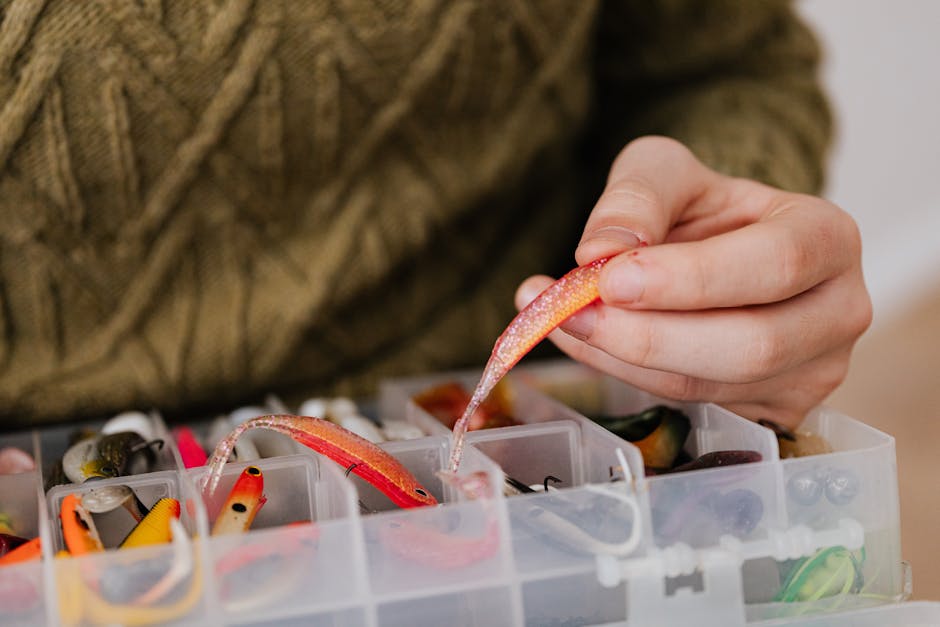
- Bait: Berkley PowerBait (chartreuse, rainbow, salmon egg red), Pautzke Balls O'Fire salmon eggs, nightcrawlers
Fly Fishing Gear (Rivers and Streams)
- Rod: 9' 5-weight fly rod, medium action
- Reel: 5-weight fly reel with disc drag
- Line: Weight-forward floating line, 9-foot 5X tapered leader
- Nymphs: Pheasant Tail #14-18, Hare's Ear #12-16, Zebra Midge #18-22
- Dries: Elk Hair Caddis #14-18, Parachute Adams #14-18
- Streamers: Woolly Bugger #8-10 (black, olive)
- Indicator: Thingamabobber or yarn indicator for nymph rigs
 Keep both PowerBait and spinners rigged when fishing stocked lakes. Start with PowerBait on the bottom and throw spinners along the shoreline while you wait.
Step-by-Step: Catching Rainbow Trout
1. Scout and position. At a stocked lake, find the stocking point (usually a boat ramp or parking area near shore) and set up within casting distance. At a river, approach from downstream and stay low. Look for current seams, boulders and deeper pockets. Our guide to reading water breaks down every type of structure trout use.
2. Match your method to the water. Stocked lake? Rig PowerBait with a sliding sinker, cast it out 30 to 50 feet, set your rod in a holder and wait. River fishing? Tie on a Mepps Aglia and cast upstream at a 45-degree angle. Let the current swing the spinner through the strike zone.
3. Work the retrieve or drift. For spinners, reel just fast enough to keep the blade turning. For PowerBait, keep your bail open so a trout can run without feeling resistance. For nymphing, cast upstream, mend your line for a dead drift and watch your indicator for any pause.
4. Set the hook. With spinners and spoons, trout usually hook themselves. Keep your rod tip up and reel steadily. With bait rigs, wait until the fish takes line and the rod loads. A sweeping sideways hookset pulls the hook into the corner of the mouth better than jerking straight up.
5. Adjust after 15 minutes. No bites on PowerBait? Change colors. Sometimes salmon egg red or garlic white outproduces chartreuse. In a river with no strikes on a spinner? Downsize from a #2 Mepps to a #1 or switch to a 1/8 oz Kastmaster.
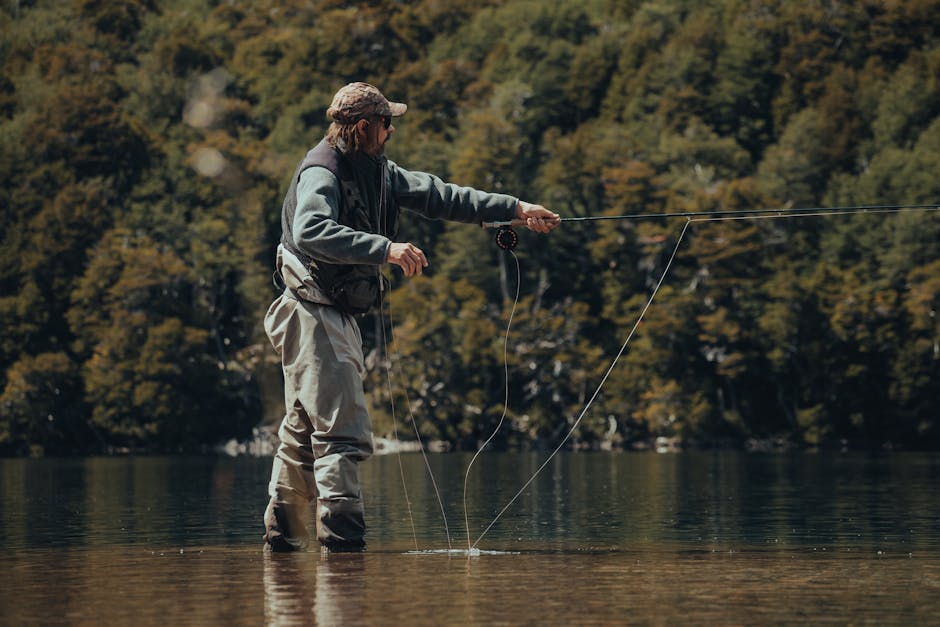 In clear streams, stay back from the bank and make longer casts. Wild rainbow trout spook at shadows and vibrations.
Decision Tree: Conditions and Adjustments
- If water is clear (visibility 4+ feet): Use 4 lb fluorocarbon, downsize lures, natural colors (brown, olive, silver)
- If water is stained: Brighter lures (gold spinners, chartreuse PowerBait), increase to 6 lb line
- If water temperature is below 45F: Slow down. PowerBait on the bottom or dead-drift nymphs deep
- If water temperature is 50-65F: Prime time. Trout chase spinners, spoons and flies aggressively
- If water temperature is above 65F: Fish early morning or find spring-fed tributaries. Stressed trout have poor survival after release
- If recently stocked (within 48 hours): PowerBait near the stocking point. These fish are hungry and confused
- If stocked 5+ days ago: Fish spread out. Switch to spinners and small spoons near structure
- If wind is blowing into the bank: Fish that shoreline. Wind pushes food toward the bank and trout follow
Stream Fishing: Reading Current and Drift Techniques
River fishing comes down to understanding where fish hold. Every rock, log and depth change creates a break in the current. Trout sit in those breaks facing upstream, waiting for food to drift to them.
The three highest-percentage spots are the head of a pool (where fast water dumps into deeper water), the tailout (where the pool shallows before the next riffle) and the soft seam along the main current edge.
Nymphing
Nymphing catches more river trout than any other fly method because trout eat subsurface insects roughly 80% of the time. Rig a Pheasant Tail or Hare's Ear 12 to 18 inches below a strike indicator. Cast upstream, mend so the indicator drifts drag-free and watch for any hesitation. Half the time you think you snagged bottom, it is a fish.
Spinner and Spoon Drifting
Cast an inline spinner or small spoon upstream at a 45-degree angle and let the current carry it downstream while you reel slowly. Most strikes come during the swing when the lure crosses through the strike zone. For more on how to use spoons effectively, check our dedicated guide.
Lake Fishing: PowerBait Rigs and Trolling
The PowerBait Bottom Rig
Thread a 1/4 oz sliding egg sinker onto your mainline. Tie a barrel swivel to stop the sinker. Tie 18 inches of 4 lb fluorocarbon to the other side. Tie a size 16 treble hook at the end and mold a pea-sized ball of PowerBait around it. Cast out and wait. The sinker holds bottom while the buoyant PowerBait floats the hook up where trout can find it.
Trolling
For bigger lakes, slow trolling with small spoons or spinners behind a boat or kayak covers water fast. Use a Kastmaster, Thomas Buoyant or small Rapala at 1 to 1.5 mph. Let out 75 to 100 feet of line and troll along drop-offs and weed edges. For a deeper look at freshwater baits that work across species, check our full breakdown.
 Early morning on stocked lakes is prime time. Trout cruise the shallows before the sun pushes them deeper.
Seasonal Patterns and Stocking Schedules
Spring: The best season in most states. Water temperatures hit the sweet spot (50-60F) and state agencies run their heaviest stocking schedules. Check your state's fish and wildlife website for stocking reports. Many publish weekly schedules with exact locations and dates.
Summer: Fishing shifts to early morning, late evening and higher elevation. Lowland ponds can exceed 65F and stress trout. Mountain streams and tailwaters below cold-water dams fish well all summer. Prime dry fly season on rivers.
Fall: Underrated. Cooling water pushes fish into feeding mode. Stocking programs resume after a summer break. You will often have water to yourself.
Winter: Everything slows down. Fish PowerBait on the bottom or nymph deep runs with small flies. Trout eat in winter but they will not move far for a meal. Put it right on their nose.
Gear Setup: Spinning vs Fly Rod
Ultralight Spinning
The most versatile rainbow trout setup. A 5'6" to 6'6" ultralight paired with a 1000 to 2500 size reel and 4-6 lb line handles PowerBait rigs, spinners and small spoons. If you own one trout rod, make it this. If you are just getting started, our beginner fishing tips guide covers rod selection and rigging.
Fly Rod
A 9-foot 5-weight casts nymphs, dries and small streamers with enough backbone to fight a 20-inch rainbow in current. Steeper learning curve than spinning but the dead-drift presentation is almost impossible to replicate with spinning gear.
Mistakes That Kill Your Trout Fishing
-
Using line that is too heavy. Stepping down from 8 lb to 4 lb fluorocarbon can double your bites. Lighter line also gives lures more natural movement.
-
Fishing old stockers like fresh stockers. A trout in a lake for two weeks does not sit at the stocking point anymore. It has moved to structure. Adjust your approach as the days pass.
-
Standing on top of the fish. If you are at the edge of a pool looking down, every fish has already spooked. Approach from downstream, stay low and cast from a distance.
-
Reeling spinners too fast. The blade should barely turn. Slow down until you feel a faint pulse through the rod tip.
-
Ignoring water temperature. When water hits 65F and above, trout stress levels spike. A trout fought to exhaustion in 70F water has poor survival odds after release.
-
Setting the hook too early on bait. Trout mouth bait before committing. Wait until the rod loads or line moves steadily before you set.
-
Never changing PowerBait colors. Carry rainbow, salmon egg, garlic white and spring green. Switch every 20 minutes if nothing is biting.
Start Logging Your Trout Catches
The Tackle app lets you log every trip with the bait, conditions and spot that produced fish. Which PowerBait color hits best after a fresh stock? What water temperature triggers the morning bite? The app connects those dots so you stop guessing.
FAQs
What is the best bait for stocked rainbow trout?
Berkley PowerBait in chartreuse or rainbow is the top producer at stocked lakes across the country. The scent matches the pellet food hatchery trout were raised on. Mold a pea-sized ball onto a size 16 treble hook and fish it on a sliding sinker rig on the bottom.
What is the best lure for rainbow trout in a stream?
A Mepps Aglia #1 or #2 in gold. Cast upstream at a 45-degree angle, let it swing through the current and reel just fast enough to keep the blade spinning. Inline spinners trigger reaction strikes from trout that are not actively feeding.
How do you tell the difference between stocked and wild rainbow trout?
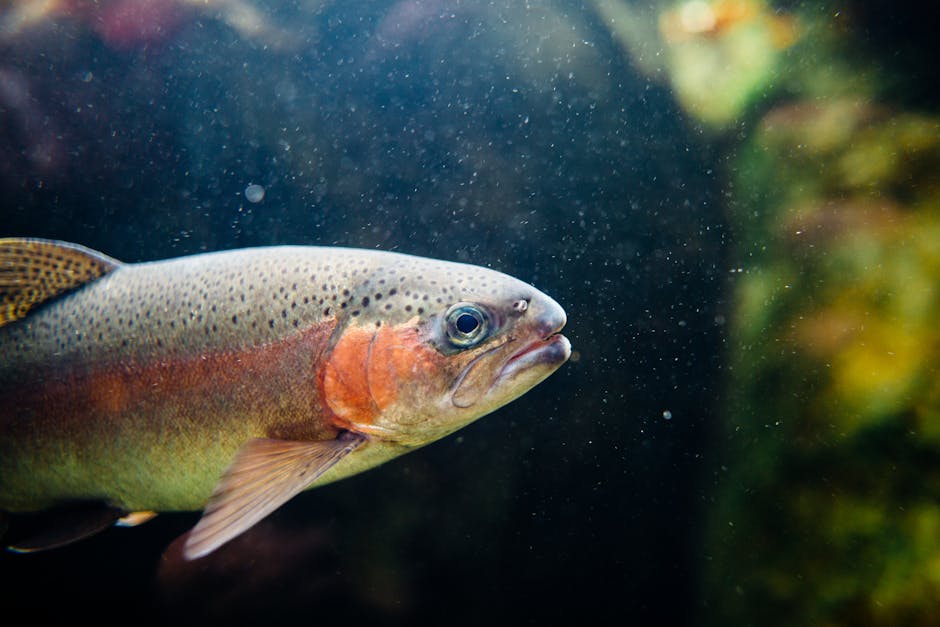
Stocked trout have worn or missing fins from rubbing against concrete raceways. Their coloring is duller and more silvery. Wild rainbows have vibrant pink lateral stripes, intact fins with sharp edges and darker spotting patterns.
What time of day is best for rainbow trout?
The first two hours after sunrise and the last hour before sunset. Trout feed aggressively during low-light conditions. In stocked lakes, mid-morning can also be strong because hatchery fish are used to being fed on a schedule.
Can you catch rainbow trout year-round?
Yes. Rainbow trout remain active in cold water down to the mid-30s. Winter fishing requires slower presentations but trout still eat. Some of the biggest rainbows come in January and February when pressure drops and surviving fish have grown.
1-Minute Action Plan
- Check your state stocking schedule and find the nearest lake stocked in the last 48 hours
- Rig an ultralight spinning rod with 4 lb fluorocarbon and a PowerBait bottom setup
- Cast to 30-50 feet off the stocking point and let it sit with the bail open
- While waiting, throw a 1/16 oz Rooster Tail along the shoreline with a second rod
- If no bites in 20 minutes, change PowerBait color and move 50 yards down the bank
What to Read Next
- If you want a broader look at trout species and tactics, read How to Catch Trout
- If you are building your bait collection for lakes and streams, check Freshwater Fishing Baits
- If you are new to fishing and want a strong foundation, start with Fishing Tips for Beginners
Ready to track your trout catches and find patterns? Download Tackle free.
Sources
- Trout Unlimited - Conservation and Fishing Resources
- In-Fisherman - Trout Fishing Techniques
- Field & Stream - Trout Fishing Guide
Fishing regulations vary by state and change regularly. Always check your local fish and wildlife agency for current seasons, limits and special rules before fishing.

Tackle Team
The Tackle Fishing Team is a collective of anglers, data scientists, and fishing enthusiasts dedicated to making fishing more accessible and successful for everyone.
View profileSources Consulted
The following sources were consulted in creating this guide:
- Trout Unlimited – www.tu.org (retrieved Mar 2026)
- In-Fisherman – www.in-fisherman.com (retrieved Mar 2026)
- Field & Stream – www.fieldandstream.com (retrieved Mar 2026)
Note: Information is summarized and explained in our own words. Always verify current regulations with official sources.
Frequently Asked Questions
What is the best bait for stocked rainbow trout?
Berkley PowerBait in chartreuse or rainbow is the top producer at stocked lakes across the country. The scent and flavor match the pellet food hatchery trout were raised on. Mold a pea-sized ball onto a size 16 treble hook and fish it on a sliding sinker rig on the bottom.
What is the best lure for rainbow trout in a stream?
A Mepps Aglia #1 or #2 in gold. Cast it upstream at a 45-degree angle, let it swing through the current and reel just fast enough to keep the blade spinning. Inline spinners trigger reaction strikes from trout that are not actively feeding.
How do you tell the difference between stocked and wild rainbow trout?
Stocked trout usually have worn or missing fins from rubbing against concrete raceways. Their coloring tends to be duller and more silvery. Wild rainbows have vibrant pink lateral stripes, intact fins with sharp edges and darker spotting patterns.
What time of day is best for rainbow trout?
The first two hours after sunrise and the last hour before sunset are the most productive windows. Trout feed aggressively during low-light conditions. In stocked lakes, mid-morning can also be strong because hatchery fish are used to being fed on a schedule.
Can you catch rainbow trout year-round?
Yes, in most places. Rainbow trout remain active in cold water down to the mid-30s. Winter fishing requires slower presentations and patience but trout still eat. Some of the biggest rainbows come in January and February when pressure drops and surviving fish have grown.
Plan Your Next Fishing Trip
Download Tackle to compare tide charts, wind conditions, and practical fishing guidance for your location before you go.
✓ Real-time tide charts • ✓ Wind & weather forecasts • ✓ AI fish identification
See local regulations — Find regulations for your area
Want weekly fishing windows delivered to your inbox?
Get personalized fishing forecasts based on weather, tides, and moon phases.
RELATED CONTENT
KEEP READING