

Trout are one of the most rewarding freshwater fish you can target. They fight hard, live in beautiful places and keep you honest. Sloppy technique gets punished. Good preparation gets rewarded. This guide covers everything from picking the right bait to reading water so you can catch trout no matter where you fish. If you want to target rainbows specifically, check our how to catch rainbow trout guide for stocking and river tactics.
Best for: Beginners to intermediate anglers
What you need: Light spinning rod, 4 to 6 pound line, a handful of inline spinners or live bait, polarized sunglasses
Do this first: Find moving water with a gravel bottom and cast upstream. Let your bait drift naturally with the current. That single approach will catch more trout than anything else you try.
Quick Answer: How to Catch Trout Right Now
- Use inline spinners (Rooster Tails, Panther Martins) in sizes 1/8 to 1/4 oz for the most versatile approach
- Fish early morning or late evening when trout feed most actively
- Target current seams, undercut banks and shaded pools in rivers and streams
- In lakes, fish near inlets, drop-offs and along shorelines with structure
- Use 4 to 6 pound monofilament or fluorocarbon line on a light spinning setup
- Match your bait to what trout are eating. If you see insects hatching, go with flies or small soft plastics. If not, worms and PowerBait work great
Get Personalized Fishing Advice
Want real-time conditions for your exact location? Tackle provides live tide data, wind forecasts, and AI-powered fishing advice tailored to where you fish.
✓ Real-time tide charts • ✓ Wind & weather forecasts • ✓ AI fish identification
Tackle Box Snapshot (Copy This Setup)
Baits and Lures (pick 3 to 5):
- Rooster Tail spinner, 1/8 oz, in white or rainbow trout pattern
- Panther Martin spinner, 1/6 oz, gold blade with black body
- Berkley PowerBait in chartreuse or rainbow for stocked trout
- Live nightcrawlers, pinched in half on a #8 or #10 hook
- Rapala Original Floating Minnow, size 5, in brook trout or silver
Terminal Tackle:
- Hooks: Size 8 to 12 bait holder hooks
- Split shot: BB to 3/8 oz for drift fishing
- Small snap swivels (to prevent line twist with spinners)
Line and Leader:
- Main line: 4 to 6 pound Berkley Trilene XL monofilament
- Leader (for clear water): 2 to 4 pound Seaguar Red Label fluorocarbon, 18 to 24 inches
Target Depth and Structure:
- Rivers: Pools behind boulders, current seams, undercut banks (2 to 6 feet)
- Lakes: Near inlets, along drop-offs, weed edges (5 to 15 feet in warmer months)
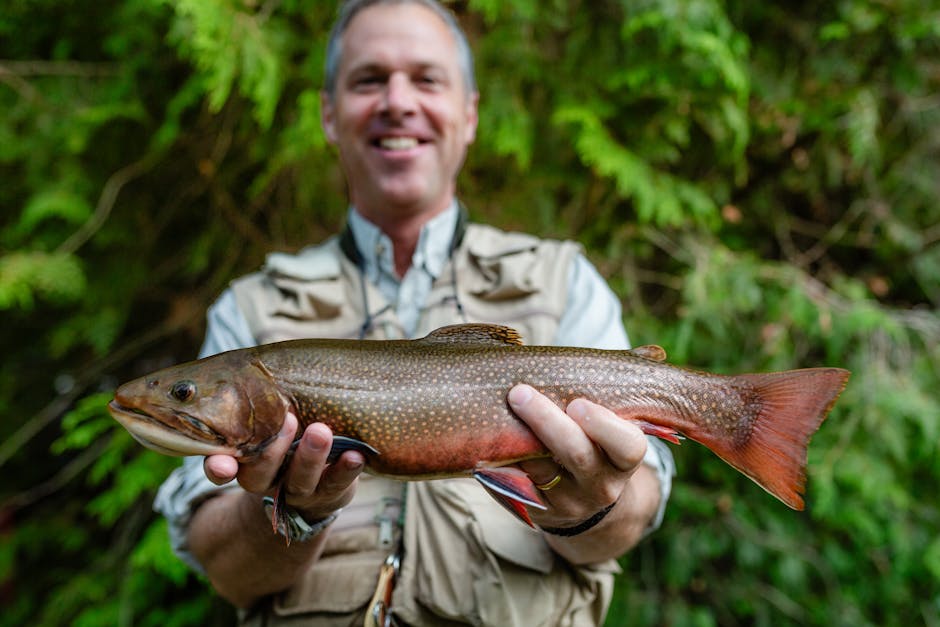 This core setup handles most trout situations. Inline spinners for active fish, PowerBait for stocked trout and live bait when nothing else works.
Know Your Trout: Rainbow, Brown and Brook
Before you pick a technique, it helps to know which species you are targeting. Each one behaves differently.
Rainbow Trout
The most common and most stocked trout in North America. Rainbows are aggressive feeders and will hit spinners, spoons and live bait without much hesitation. They prefer cool, well-oxygenated water between 55 and 65 degrees. Rainbows fight hard and jump often. They are the most forgiving trout for beginners.
Brown Trout
Brown trout are smarter and more cautious than rainbows. They tend to be nocturnal feeders and are harder to fool in clear water. Big browns are predatory and eat minnows, crayfish and even small mice. If you want a trophy, target brown trout at dawn or dusk with larger lures and bait. They hold tight to cover and structure.
Brook Trout
Brookies are technically char, not trout, but anglers group them together. They live in the coldest, cleanest water, often small mountain streams and spring-fed creeks. Brook trout rarely grow large (8 to 12 inches is typical) but they are aggressive and beautiful. Light tackle and small lures are the way to go. If you need help choosing a rod for this kind of fishing, check out the fishing rod selection guide. And if you want to try the fly rod approach, our fly fishing for beginners guide walks through the basics.
Step-by-Step: How to Catch Trout in Moving Water
1. Read the water first. Before you cast, stand back and look for current breaks, deeper pools and shaded banks. Trout sit in spots where they can eat without fighting the current. That means behind rocks, in eddies, along seams where fast water meets slow water and under overhanging trees. Our guide on how to read water goes deep on this.
2. Approach quietly. Trout spook fast. Stay low, move slowly and avoid casting your shadow over the water. Wade gently if you need to get into position. Heavy footsteps on the bank send vibrations through the ground that trout can feel.
3. Cast upstream. Throw your bait or lure upstream and let it drift down naturally toward the fish. Trout face into the current waiting for food to come to them. A natural drift is the most effective presentation for almost every technique.
4. Keep your line tight but not taut. You want enough slack for a natural drift but enough contact to feel a bite. Mend your line by flipping it upstream to avoid drag. When a trout hits, you will feel a tap or see your line twitch sideways.
5. Set the hook and fight smart. A quick upward snap of the rod tip sets the hook. Keep your rod tip up and let the fish run against your drag. Don't horse it in. Trout have soft mouths and hooks pull free if you are too aggressive.
Adjust after 15 minutes with no bites: Move to a new spot, downsize your bait or switch from artificial to live bait. Trout that see too many casts over their heads will shut down.
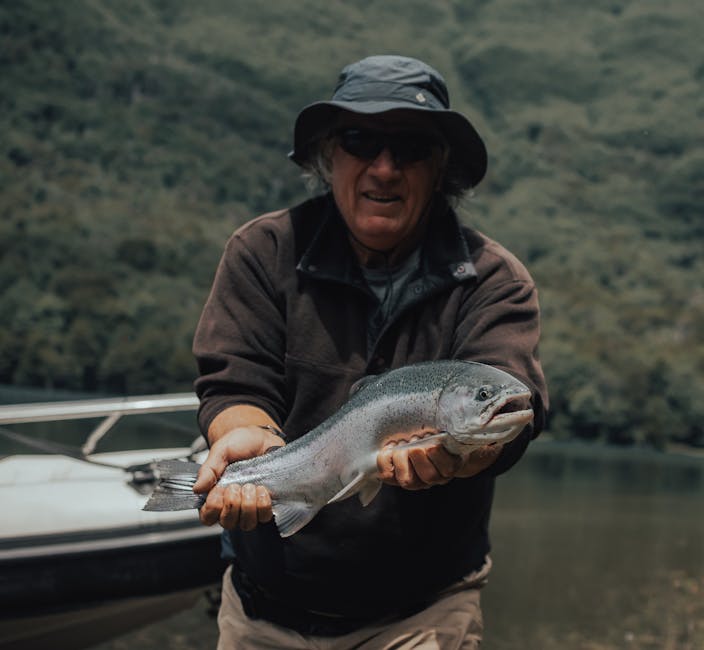 Cast upstream and let your bait drift naturally. Trout face into the current waiting for food to come to them.
Decision Tree: Adjust for Conditions
If the water is clear -> Use lighter line (2 to 4 pound fluorocarbon leader), natural colors and smaller baits. Stay farther from the bank and make longer casts.
If the water is stained or muddy -> Switch to brighter lures (chartreuse, orange, gold blades). Add rattles or use spinners that create vibration. Trout rely on their lateral line in dirty water.
If it is cold (water below 50 degrees) -> Slow everything down. Use bait rigs with PowerBait or worms and let them sit. Trout metabolism drops in cold water and they will not chase fast-moving lures.
If it is warm (water above 65 degrees) -> Fish early morning, late evening or find spring-fed tributaries with cooler water. Trout get stressed in warm water and feed less.
If there is a hatch happening -> Match the size and color of the insects on the water. Small soft plastics, wet flies or bead-head nymphs in the same color profile will outperform everything else.
If you are fishing a stocked lake -> PowerBait on the bottom near the stocking point is your best bet. Stocked trout are not wild. They are trained to eat pellets and PowerBait mimics that.
Spot Playbook: Where Trout Hold
Rivers and Streams:
- Current seams: Where fast water meets slow water. Trout sit on the slow side and pick off food drifting by.
- Tail-outs: The shallow, smooth water at the end of a pool before it drops into the next riffle. Trout feed here at dawn and dusk.
- Undercut banks: The water erodes underneath the bank creating a cave. Big trout hide here during the day.
- Boulder pockets: The calm water behind and in front of large rocks. Even small pockets hold fish.
Lakes and Reservoirs:
- Inlets and outlets: Flowing water brings food and oxygen. Trout stack up near these.
- Drop-offs and ledges: Where shallow flats meet deeper water. Trout cruise these edges.
- Weed edges: Aquatic vegetation holds insects and baitfish. Fish the outside edge.
- Shaded banks: Overhanging trees drop insects and create cooler water. Morning shade holds trout longer.
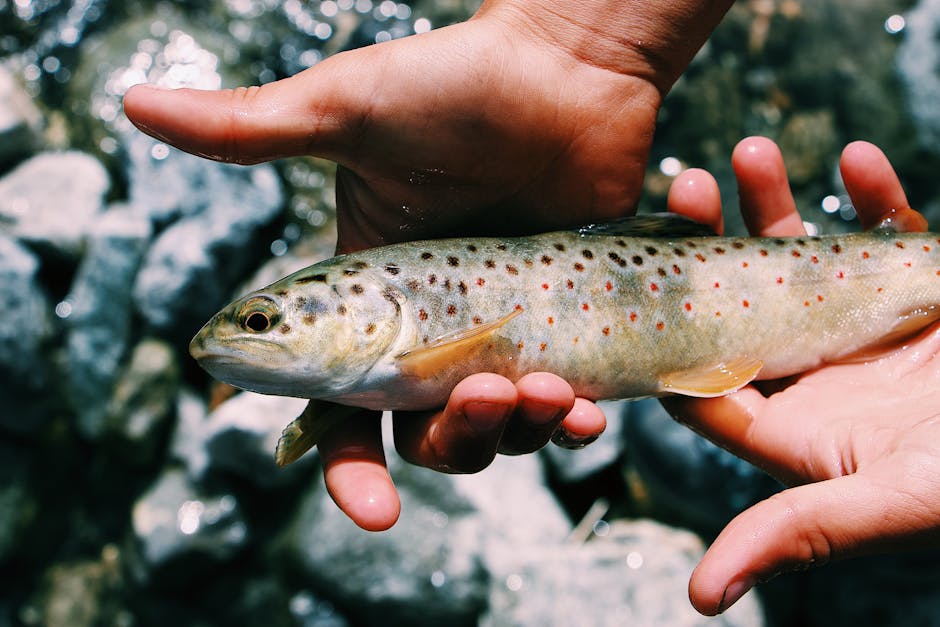 Look for the seam where fast current meets calm water. That transition zone is where trout spend most of their time feeding.
Mistakes That Kill the Bite
- Standing too close to the water. Trout can see you before you see them. Stay back from the bank and keep a low profile.
- Using line that is too heavy. Trout have good eyesight in clear water. Anything over 6 pound test will get you fewer bites in most stream situations.
- Fishing the same spot too long. If you make 10 casts without a bite, move. Trout that are going to eat usually commit on the first few good drifts.
- Reeling too fast with spinners. The blade should barely turn. Trout in cold water will not chase a lure screaming through the pool.
- Ignoring water temperature. Trout stop feeding actively above 68 degrees and below 38 degrees. If you are between those numbers, you are in the zone. Outside of it, adjust your approach or find different water.
- Slamming the car door at the bank. Sound travels. This is not a joke. Trout in small streams will go into hiding from loud noises on the bank.
- Forgetting to check your hook point. Dragging bait across rocks dulls hooks fast. Carry a small hook file or swap hooks every few snags.
If you are new to fishing and want more foundation before hitting the water, our fishing tips for beginners covers the basics you need.
Track Your Best Trout Water
Every trout stream fishes differently depending on the season, water level and recent weather. The Tackle app lets you log catches by location with water temperature, conditions and what you were throwing. After a few trips, you start seeing patterns that turn guesswork into a game plan.
Seasonal Trout Tactics
Spring (water 45 to 58 degrees): Prime time. Trout are active after winter and feeding hard. Worms, spinners and small jerkbaits all work. Fish midday when water temperatures peak. Stocked trout are fresh and eager.
Summer (water 58 to 70 degrees): Fish early and late. Avoid fishing when water temperatures hit 68 or above. Move to higher elevation streams or deeper lake spots. Small lures and finesse presentations beat big baits. For more on bait selection, see our freshwater fishing baits guide.
Fall (water 48 to 60 degrees): Brown trout spawn in fall and get aggressive. Big streamers, minnow-pattern lures and live minnows produce trophy fish. Brook trout also spawn in fall. Fish are bulking up for winter and feed throughout the day. In the Pacific Northwest and Great Lakes tributaries, this is also prime salmon season with many of the same river-reading skills applying.
Winter (water 33 to 45 degrees): Slow and low. Tiny jigs, small worms and PowerBait on the bottom. Fish the warmest part of the day (noon to 3 PM). Trout are still eating but they are not going to chase anything. Patience matters more than technique.
FAQs
What is the best bait for trout?
Live nightcrawlers are the most consistent trout bait across all conditions. For stocked trout, Berkley PowerBait in chartreuse or rainbow colors outperforms everything else. For lures, a 1/8 oz Rooster Tail spinner in white or gold is hard to beat. Our inline spinners guide covers size, blade and color selection for trout and other species.
What time of day is best for trout fishing?
Early morning (first light to about 9 AM) and late evening (last two hours of daylight) are peak feeding times. In spring and fall, midday fishing can be productive when water temperatures climb into the 50 to 60 degree range.
Can you catch trout from shore?
Absolutely. Most stream and small river trout fishing is done from the bank or by wading. On lakes, fish near inlets, along rocky shorelines or where streams enter the lake. You do not need a boat for trout. A good pair of waders and polarized sunglasses will put you in range.
What pound test line should I use for trout?
Four to six pound monofilament is the standard for most trout fishing. In very clear water or when targeting pressured fish, drop to a 2 to 4 pound fluorocarbon leader. In heavy current or around structure where you might hook a big brown, bump up to 6 or 8 pound test.
Do trout bite in cold weather?
Yes, but slowly. Trout feed year-round. In water below 45 degrees, they move to deeper, slower water and eat smaller meals. Use small baits, fish them near the bottom and give trout extra time to commit. Bites will be subtle, more like a light pull than a sharp strike.
1-Minute Action Plan
- Rig to tie on: 1/8 oz Rooster Tail spinner, white or gold
- Two places to try first: A current seam behind a large rock and the tail-out of the nearest deep pool
- First retrieve: Cast upstream at a 45-degree angle, reel just fast enough to feel the blade spin
- If no bites after 10 casts: Switch to a live worm with a split shot and drift it through the same spots
What to Read Next
- Fishing small creeks with light gear? Check out our soft plastic lures guide for finesse tactics that work on trout
- Want to understand how current and structure affect where fish hold? Read how to read water for fishing
- Still picking out your first setup? Start with the best fishing rods for beginners
Get Better With Every Trip
The best trout anglers are not lucky. They are observant. They notice water temperature trends, track which baits work in which conditions and remember the spots that produce. The Tackle app makes all of that automatic. Log your catches, build a personal playbook and stop guessing.
Download Tackle free and start fishing smarter.
Sources
- Trout Unlimited - Trout Fishing Resources
- In-Fisherman - Trout Fishing Tactics
- Field & Stream - Trout Fishing Tips
Regulations change. Always check local rules before fishing.

Tackle Team
The Tackle Fishing Team is a collective of anglers, data scientists, and fishing enthusiasts dedicated to making fishing more accessible and successful for everyone.
View profileSources Consulted
The following sources were consulted in creating this guide:
- Trout Unlimited – www.tu.org (retrieved Mar 2026)
- In-Fisherman – www.in-fisherman.com (retrieved Mar 2026)
- Field & Stream – www.fieldandstream.com (retrieved Mar 2026)
Note: Information is summarized and explained in our own words. Always verify current regulations with official sources.
Frequently Asked Questions
What is the best bait for trout?
Live nightcrawlers are the most consistent trout bait across all conditions. For stocked trout, Berkley PowerBait in chartreuse or rainbow colors outperforms everything else. For lures, a 1/8 oz Rooster Tail spinner in white or gold is hard to beat.
What time of day is best for trout fishing?
Early morning (first light to about 9 AM) and late evening (last two hours of daylight) are peak feeding times. In spring and fall, midday fishing can be productive when water temperatures climb into the 50 to 60 degree range.
Can you catch trout from shore?
Absolutely. Most stream and small river trout fishing is done from the bank or by wading. On lakes, fish near inlets, along rocky shorelines or where streams enter the lake. You do not need a boat for trout.
What pound test line should I use for trout?
Four to six pound monofilament is the standard for most trout fishing. In very clear water or when targeting pressured fish, drop to a 2 to 4 pound fluorocarbon leader. In heavy current or around structure, bump up to 6 or 8 pound test.
Do trout bite in cold weather?
Yes, but slowly. Trout feed year-round. In water below 45 degrees, they move to deeper, slower water and eat smaller meals. Use small baits, fish them near the bottom and give trout extra time to commit.
Plan Your Next Fishing Trip
Download Tackle to compare tide charts, wind conditions, and practical fishing guidance for your location before you go.
✓ Real-time tide charts • ✓ Wind & weather forecasts • ✓ AI fish identification
See local regulations — Find regulations for your area
Want weekly fishing windows delivered to your inbox?
Get personalized fishing forecasts based on weather, tides, and moon phases.
RELATED CONTENT
KEEP READING