

How to Use Inline Spinners: The Ultimate Multi-Species Lure
Inline spinners are a practical starting lure for moving water, ponds, and open freshwater. Start with a size that matches the water you are fishing, retrieve slowly enough to feel the blade turn, and adjust only after you have covered a few likely pieces of structure.
This guide covers inline spinner fishing from blade selection to stream and lake techniques.
Best for: Beginners to Intermediate anglers
What you need: Light to medium spinning rod, 4 to 8 pound line, a handful of inline spinners in two or three sizes
Do this first: On a stream, start with a 1/16 to 1/8 oz inline spinner. Cast across or slightly upstream, then reel only fast enough to feel a steady blade pulse.
Quick Answer: Inline Spinner Fishing Basics
Do inline spinners need a swivel? Not always. Start with a direct tie when you want the lightest, least-visible connection, especially in clear water. Add a small swivel or snap swivel upstream of the lure if repeated casts begin to twist your line. Check the lure maker's rigging guidance for the model you are using; designs and hardware vary.
Stream trout: Use a 1/16 to 1/8 oz spinner with 4 to 6 pound monofilament. Start with a direct tie; add a small swivel upstream only if line twist develops. Cast across or slightly upstream and retrieve just fast enough to keep the blade pulsing.
Lake or pond bass: Use a 1/4 oz spinner with 6 to 8 pound mono or fluorocarbon. A small snap swivel upstream is a practical option when you are making repeated casts. Count the lure down beside a weed edge or point, then use a steady retrieve that keeps it below the surface.
Panfish: Use a 1/32 to 1/16 oz spinner with 2 to 4 pound line. Tie direct to keep the setup light. Retrieve slowly past dock pilings, shallow weeds, or shaded banks while keeping the blade turning.
Clear or pressured water: Use a 1/16 to 1/8 oz spinner with a 3 to 4 pound fluorocarbon leader. Start with a direct tie and a slower retrieve; only add a small swivel upstream if line twist outweighs the extra hardware for the conditions.
These are starting setups, not fixed rules: change size, line, or connection when the current, depth, cover, and local regulations call for it.
Get Personalized Fishing Advice
Want real-time conditions for your exact location? Tackle provides live tide data, wind forecasts, and AI-powered fishing advice tailored to where you fish.
✓ Real-time tide charts • ✓ Wind & weather forecasts • ✓ AI fish identification
Tackle Box Snapshot (Copy This Setup)
Lures (pick 3 to 5):
- Mepps Aglia, size 2, gold blade (the all-around standard)
- Worden's Rooster Tail, 1/8 oz, white with silver blade (trout and panfish)
- Blue Fox Classic Vibrax, size 3, silver with blue bell (bass and deeper water)
- Panther Martin, 1/8 oz, gold body with yellow spots (stained water specialist)
- Joe's Flies Short Striker, 1/8 oz, black and yellow (stream trout with a fly-tipped treble)
Terminal Tackle:
- Small swivels or snap swivels (size 12 or 14) to add upstream only when line twist becomes a problem
Line:
- Streams: 4 to 6 pound monofilament
- Lakes: 6 to 8 pound mono or fluoro
- Clear water leader: 3 to 4 pound fluorocarbon, 18 inches
Target Depth and Structure:
- Streams: Current seams, tail-outs, undercut banks (2 to 5 feet)
- Lakes: Weed edges, rocky points, drop-offs (3 to 12 feet)
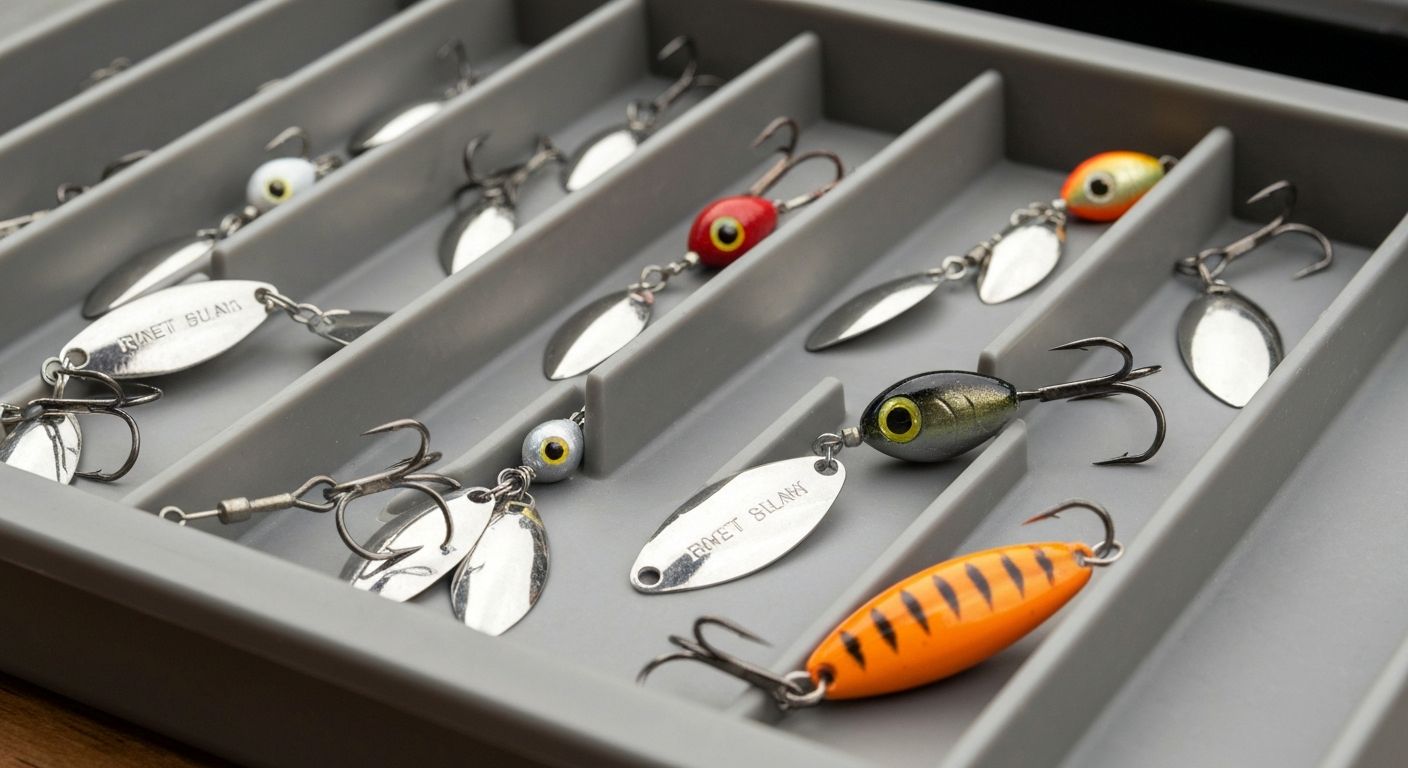 This spread covers inline spinner fishing from small creeks to open lakes. The Mepps Aglia and Rooster Tail alone handle most freshwater situations.
How Inline Spinners Work
A metal blade spins around a straight wire shaft. Below the blade sits a weighted body and a treble hook, sometimes dressed with bucktail or hackle. When you retrieve, water pressure forces the blade to rotate. That rotation produces flash, sends vibration fish detect through their lateral line and triggers the chase instinct.
Unlike spinnerbaits that ride on a safety-pin wire frame, inline spinners produce action at very slow retrieves. The blade engages almost immediately. That makes them deadly in cold water and small streams where you need to keep the lure in the strike zone.
The trade-off is line twist. The blade spinning in one direction can add twist over time. Add a small swivel or snap swivel upstream when twist becomes a problem; use a direct tie when the lighter connection is the better fit for the conditions. Some models have hardware intended to reduce twist, but check the maker's guidance for the model you are using.
Blade Types and What They Do
Most inline spinners use one of three blade styles.
French Blades
Oval shape, spins at roughly 45 degrees from the shaft. Balanced mix of flash and vibration. The Mepps Aglia is the most famous example.
When to use: This is your default. French blades work in streams and lakes, clear and stained water, fast current and slack water. If you carry one blade type, make it French.
Colorado Blades
Round and deeply cupped. Spins wide and slow with maximum vibration. Creates the most water displacement, so the lure runs shallower at any given speed.
When to use: Stained or muddy water where fish hunt by feel. Night fishing. Cold water. The Panther Martin uses a convex blade that behaves similarly.
Willow Blades
Long and narrow. Spins tight and fast with maximum flash but minimal vibration. Lets the lure sink deeper and run faster.
When to use: Clear water where you need flash without heavy vibration. Deeper runs in lakes where you want 6 to 10 feet of depth.
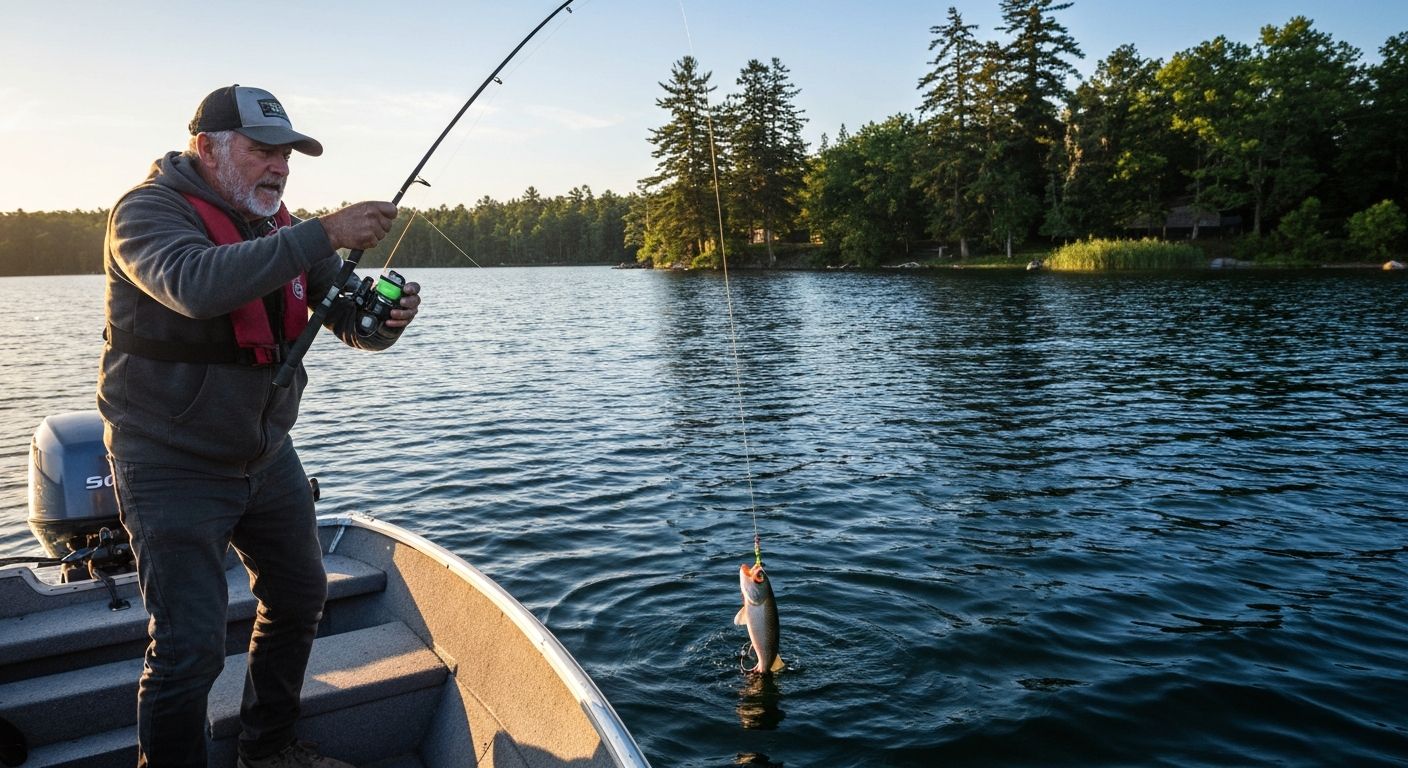 French blades are the all-around choice. Switch to Colorado in dirty water for more thump and willow in clear water for deeper flash.
Size and Weight Selection
Picking the right size matters more than picking the right color.
1/32 to 1/16 oz (sizes 0 to 1): Brook trout in small streams. Bluegill and crappie around shallow structure. Use 2 to 4 pound line.
1/8 oz (size 2): The workhorse. Stream trout, stocked trout, smallmouth and large panfish. Start here. Use 4 to 6 pound line.
1/4 oz (size 3 to 4): Lakes and larger rivers. Largemouth bass, bigger smallmouth and walleye. Casts farther and runs deeper. Use 6 to 8 pound line.
3/8 to 1/2 oz (size 5): Pike and lake trout. Add a steel leader for pike. Check our pike fishing guide for leader details.
General rule: Match spinner size to the forage. Baitfish 1 to 2 inches? Throw a 1/8 oz. Three inches or bigger? Go up to 1/4 oz.
Step-by-Step: Stream and River Techniques
1. Read the water before you cast. Look for current seams, pools behind boulders, undercut banks and shaded areas. Trout and smallmouth sit where they can eat without fighting the current. Start downstream and work up so you approach fish from behind.
2. Cast across and slightly upstream. Throw the spinner at a 45-degree angle upstream. This gives the blade time to engage as the current sweeps the lure downstream and across. The spinner enters the fish's view moving naturally with the flow.
3. Reel just fast enough to feel the blade. The moment you feel a steady pulse through the rod tip, you are at the right speed. In fast current, you barely need to turn the handle. In slow pools, speed up slightly. If the spinner surfaces, slow down.
4. Let the current swing the lure. As the spinner sweeps downstream on a tight line, it swings across the current in an arc. This swing is when most strikes happen. The lure changes direction, which triggers reaction strikes. Keep your rod tip low and pointed at the lure.
5. Adjust after 10 casts with no bites. Move upstream to the next structure. Downsize the spinner or switch blade colors. Gold in stained water. Silver in clear. If trout follow but will not commit, add a brief pause to let the blade flutter.
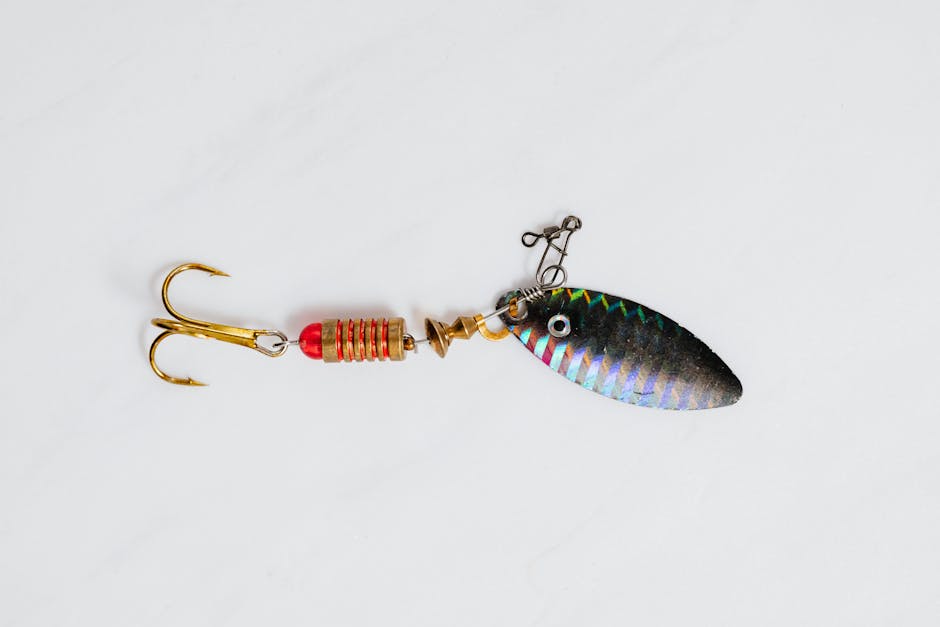 Cast at a 45-degree angle upstream and let the current swing the spinner across. Most strikes come during the swing when the lure changes direction.
Lake and Pond Techniques
Lakes require a different approach because there is no current doing the work for you. You control speed, depth and direction entirely with your retrieve.
Fan cast from shore. Cast parallel to the bank first, then work your way out in a fan pattern. Inline spinners are search baits. They find active fish by covering water.
Count down for depth. After the cast lands, count one second per foot before you start reeling. Want the spinner at 5 feet? Count to five. This gets the lure into the zone where bass and bigger panfish hold.
Retrieve along structure. Cast past weed edges, rocky points and docks. Bring the spinner back parallel to the cover for as long as possible. A lure that tracks 15 feet along a weed line gets more looks than one that crosses it in 2 feet.
Vary the retrieve. A steady reel works most of the time. But adding a half-second pause lets the spinner flutter and drop, which triggers fish that follow without committing. Bass respond well to that sudden change.
Fish points and drop-offs. Cast from shallow to deep across a point and let the spinner follow the contour down. Predators patrol these transitions between flats and deeper water.
Decision Tree: Adjust for Conditions
If the water is clear -> Silver or nickel blades with natural colors. Downsize by one weight class. Add a fluorocarbon leader.
If the water is stained or muddy -> Gold or copper blades. Chartreuse or firetiger body colors. Upsize for more vibration. Panther Martins shine here.
If the water is cold (below 50 degrees) -> Slow everything down. Use the lightest spinner that keeps the blade turning. Fish will not chase a fast-moving lure in cold water.
If fish follow but will not commit -> Downsize the spinner. Add a brief pause during the retrieve. Sometimes switching from silver to gold blade is all it takes.
If you keep snagging bottom -> Reel faster or switch to a lighter spinner. Angle your rod tip up to lift the lure.
If wind is pushing a bank -> Fish that bank. Wind pushes baitfish against the shoreline and activates predators.
Species-Specific Tips
Trout
Inline spinners might be the single best lure category for trout fishing. Use sizes 0 to 2 (1/16 to 1/8 oz) in streams with 4 pound line. Gold blades for mornings and overcast days. Silver on bright days. The Joe's Flies Short Striker adds a wet fly to the treble, giving you spinner flash with a natural insect profile.
Bass (Largemouth and Smallmouth)
Smallmouth hammer inline spinners in rivers. Use size 3 to 4 (1/4 oz) Blue Fox Classic Vibrax or Mepps Aglia Long in crawfish or firetiger. Cast to rocky banks and gravel bars. Largemouth hit them along weed edges. For heavier cover, a spinnerbait gives better weed protection, but in open water the inline spinner draws more strikes.
Panfish (Bluegill and Crappie)
Downsize to 1/32 or 1/16 oz for bluegill and crappie. Retrieve slowly along weed edges, dock pilings and shaded banks. Bluegill cannot resist a tiny gold spinner ticking past their faces. Use 2 to 4 pound line and an ultralight rod.
Pike
Inline spinners are a staple for pike fishing. Use size 5 (3/8 to 1/2 oz) Mepps Aglia or Mepps Musky Killer with a 12-inch steel leader. Cast parallel to weed edges at a medium pace. The bucktail-dressed Mepps in white or yellow has been a top pike producer for decades. For even more blade action, try a large Rooster Tail spinner in a flashy color.
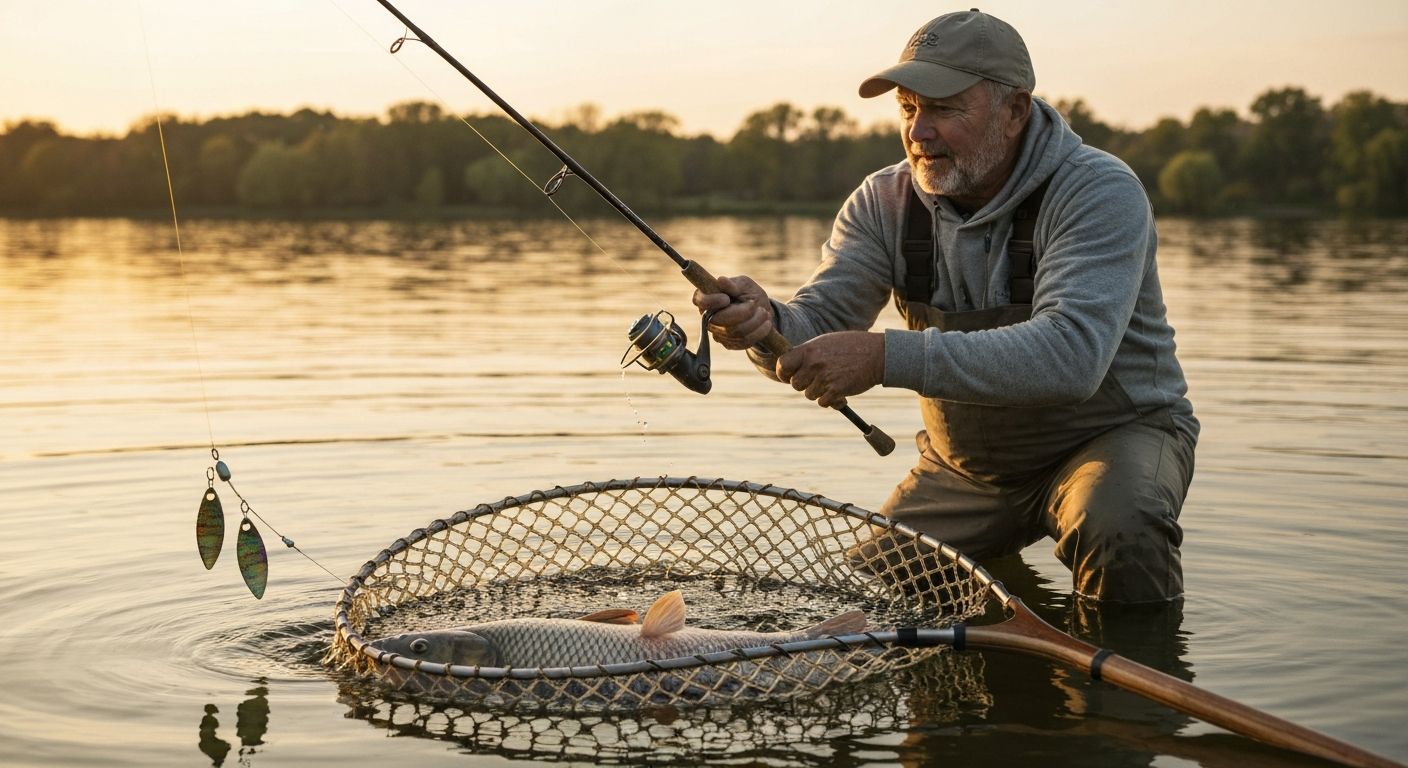 Inline spinners work across species because the flash-and-vibration combination triggers a universal feeding response. Match the size to your target and fish the edges.
Mistakes That Kill the Bite
-
Reeling too fast. The number one mistake with inline spinners. You want the blade barely spinning, not helicoptering. Slow down until you can just feel the pulse in the rod tip.
-
Ignoring line twist. A swivel is optional, but repeated casts can add twist. If you see coils or casting problems, add a small swivel or snap swivel upstream; otherwise a direct tie can keep the connection lighter.
-
Fishing in a straight line. Angle your casts, work the swing and cover water from multiple directions. Do not just cast and reel straight back every time.
-
Wrong size for the target. A 1/4 oz spinner in a tiny brook trout stream is overkill. A 1/16 oz in a deep lake will not reach fish. Match size to the water.
-
Casting downstream in current. Casting downstream means the spinner races back at you faster than you can reel. You lose blade contact and depth control. Cast across or upstream.
-
Skipping the follow-through. Fish often follow a spinner to your feet. Do not rip the lure out of the water the moment it gets close. Let it swing and hang in the current for a few seconds. That final pause converts followers into biters.
Log What Produces
Which blade color works in your favorite stream at different water levels? What size produces at your local pond in spring versus fall? The Tackle app lets you log catches by lure and conditions so you build a playbook over time.
Download Tackle and start tracking what works.
FAQs
What is the best inline spinner for trout?
The Mepps Aglia in size 2 with a gold blade is the most proven inline spinner for trout across all conditions. The Worden's Rooster Tail in 1/8 oz is a close second and adds a hackle tail that gives extra action in slow water. For stained water, a Panther Martin with its unique blade design puts out more vibration.
How fast should I reel an inline spinner?
Just fast enough to feel the blade spinning through your rod tip. In moving water, the current does most of the work and you barely need to turn the handle. In still water, a slow and steady retrieve is best. If the spinner breaks the surface, slow down. If you cannot feel the blade, speed up slightly.
Do inline spinners work in lakes?
Absolutely. Fan cast from shore and use a count-down method to control depth. Target weed edges, rocky points, drop-offs and inlet areas. Size up to 1/4 oz for better casting distance and deeper running depth. Blue Fox Classic Vibrax spinners are built for open-water lake fishing.
What is the difference between an inline spinner and a spinnerbait?
An inline spinner has a blade that rotates around a straight wire shaft with an exposed treble hook. A spinnerbait has blades on a bent safety-pin wire frame with a weighted jig head and skirted hook underneath. Inline spinners run lighter and work better for trout and panfish. Spinnerbaits handle heavy cover better and are more popular for bass fishing in weeds and timber.
Can I use inline spinners for bass?
Yes. Smallmouth bass in rivers are especially responsive to inline spinners. Use a size 3 to 4 (1/4 oz) in crawfish or minnow colors. Largemouth bass hit them in open water and along weed edges. For heavy cover situations, switch to a spinnerbait. But in clear water and around rocks, an inline spinner outfishes most lures.
1-Minute Action Plan
- Rig to tie on: 1/8 oz Mepps Aglia, gold blade, with a snap swivel 12 inches up the line
- Two places to try first: A current seam in the nearest stream and the weed edge of your closest pond
- First retrieve: Cast across the current at 45 degrees, reel just fast enough to feel the blade pulse
- If no bites after 10 casts: Downsize to a 1/16 oz spinner or switch from gold to silver blade
What to Read Next
- Want to master the most popular inline spinner? Read our Rooster Tail spinner guide
- Chasing trout? Check out how to catch trout for seasonal patterns
- Targeting pike? Our pike fishing guide covers leader setup and lure sizing
- Prefer safety-pin style blades for heavy cover? See how to use spinnerbaits
- After panfish? Read how to catch bluegill for light tackle tactics
Regulations change. Always check local rules before fishing.
Sources
- In-Fisherman - Inline Spinner Techniques
- Trout Unlimited - Spinner Fishing for Trout
- Field & Stream - Best Inline Spinners

Tackle Team
The Tackle Fishing Team is a collective of anglers, data scientists, and fishing enthusiasts dedicated to making fishing more accessible and successful for everyone.
View profileSources Consulted
The following sources were consulted in creating this guide:
- Mepps Lure Selection Guide – www.mepps.com (retrieved Sep 2026)
- Yakima Bait Rooster Tail Collection – www.yakimabait.com (retrieved Sep 2026)
Note: Information is summarized and explained in our own words. Always verify current regulations with official sources.
Frequently Asked Questions
What is the best inline spinner for trout?
The Mepps Aglia in size 2 with a gold blade is the most proven inline spinner for trout across all conditions. The Worden's Rooster Tail in 1/8 oz is a close second and adds a hackle tail that gives extra action in slow water. For stained water, a Panther Martin with its unique blade design puts out more vibration.
How fast should I reel an inline spinner?
Just fast enough to feel the blade spinning through your rod tip. In moving water, the current does most of the work and you barely need to turn the handle. In still water, a slow and steady retrieve is best. If the spinner breaks the surface, slow down. If you cannot feel the blade, speed up slightly.
Do inline spinners work in lakes?
Absolutely. Fan cast from shore and use a count-down method to control depth. Target weed edges, rocky points, drop-offs and inlet areas. Size up to 1/4 oz for better casting distance and deeper running depth. Blue Fox Classic Vibrax spinners are built for open-water lake fishing.
What is the difference between an inline spinner and a spinnerbait?
An inline spinner has a blade that rotates around a straight wire shaft with an exposed treble hook. A spinnerbait has blades on a bent safety-pin wire frame with a weighted jig head and skirted hook underneath. Inline spinners run lighter and work better for trout and panfish. Spinnerbaits handle heavy cover better and are more popular for bass fishing in weeds and timber.
Can I use inline spinners for bass?
Yes. Smallmouth bass in rivers are especially responsive to inline spinners. Use a size 3 to 4 (1/4 oz) in crawfish or minnow colors. Largemouth bass hit them in open water and along weed edges. For heavy cover situations, switch to a spinnerbait. But in clear water and around rocks, an inline spinner outfishes most lures.
Do inline spinners need a swivel?
A swivel is not required, but it helps when line twist becomes a problem. For most bank and stream setups, add a small snap swivel or barrel swivel about 12 inches above the spinner. If trout are pressured or the water is very clear, tie direct to lighter line and replace twisted line after the trip.
What is the best inline spinner setup?
Start with a light or medium-light spinning rod, 4 to 8 pound monofilament or fluorocarbon, and a 1/16 to 1/8 oz spinner for streams or a 1/4 oz spinner for lakes. Cast across current or along weed edges, then reel just fast enough to feel the blade pulse through the rod tip.
Plan Your Next Fishing Trip
Download Tackle to compare tide charts, wind conditions, and practical fishing guidance for your location before you go.
✓ Real-time tide charts • ✓ Wind & weather forecasts • ✓ AI fish identification
See local regulations — Find regulations for your area
Want weekly fishing windows delivered to your inbox?
Get personalized fishing forecasts based on weather, tides, and moon phases.
RELATED CONTENT
KEEP READING