

Northern pike hit hard, fight dirty and grow big enough to straighten cheap hooks. If you want a fish that makes your hands shake when it appears next to the boat, pike are the one.
This guide covers what you need to put more pike in the net. Lures, live bait, seasonal patterns, gear setup, handling and the mistakes that cost anglers fish.
Best for: Beginner to Intermediate anglers
What you need: Medium-heavy to heavy rod, braided line, steel leader, large lures or live bait
Do this first: Tie on a steel leader. Pike have rows of razor-sharp teeth that will slice through fluorocarbon and mono in a heartbeat. No leader, no fish. Start there.
Quick Answer: How to Catch Pike
- Target weed edges, rocky points, shallow bays and river current breaks
- Use large lures: 5 to 8-inch spinnerbaits, spoons, swimbaits or jerkbaits
- Retrieve at medium speed with erratic pauses to trigger reaction strikes
- Always use a steel or titanium leader (12 to 18 inches)
- Fish shallow in spring and fall. Move to weed edges and deeper structure in summer
- Match lure size to the baitfish in your water. Pike eat big meals
Get Personalized Fishing Advice
Want real-time conditions for your exact location? Tackle provides live tide data, wind forecasts, and AI-powered fishing advice tailored to where you fish.
✓ Real-time tide charts • ✓ Wind & weather forecasts • ✓ AI fish identification
Tackle Box Snapshot (Copy This Setup)
- Rod: 7 to 7.5-foot medium-heavy or heavy power, fast action
- Reel: Baitcaster with 6.3:1 to 7.1:1 gear ratio (or a large spinning reel for open water)
- Line: 50 to 65-pound braided line (PowerPro or Sufix 832)
- Leader: 12 to 18-inch steel leader or titanium leader, 30-pound minimum
- Lures: Mepps Musky Killer spinner, Dardevle red and white spoon, Storm WildEye Swim Shad (6-inch), Rapala Super Shad Rap, Heddon Super Spook Jr.
- Live bait: 6 to 10-inch suckers or large golden shiners on a quick-strike rig
- Terminal: Size 2/0 to 4/0 treble hooks, snap swivels for quick lure changes
- Target depth: 2 to 15 feet depending on season
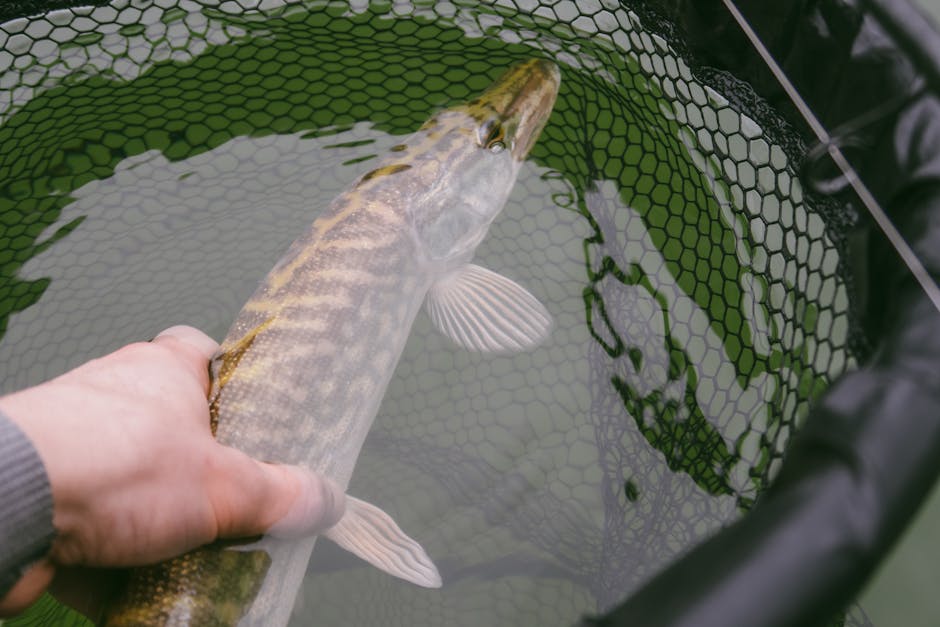 This spread covers pike in every season. Large spoons and spinnerbaits for active fish. Swimbaits and jerkbaits for when they need convincing.
Step-by-Step: How to Catch Pike
Step 1: Find the Right Water
Pike live in lakes, rivers and reservoirs across the northern US and Canada. Look for water with healthy weed growth and baitfish like perch, suckers and shiners. Pike need weeds. Weeds hold baitfish. Baitfish hold pike. Cabbage weeds, coontail or milfoil all signal pike water.
Use a water-reading approach to identify structure before your first cast.
Step 2: Position Your Boat or Casting Angle
Don't park on top of the spot. Pike spook in shallow water. Stay 30 to 50 feet off the weed edge and cast parallel to it. Work the outside edge first, then the inside, then the pockets. If bank fishing, cast along the weed line rather than straight out.
Step 3: Work the Lure With Pauses
Pike are ambush predators. They want something that looks hurt or confused. Reel at a medium pace and throw in sharp pauses every 3 to 5 cranks. Twitch the rod tip during pauses. The stop-and-go triggers their instinct to strike before the prey escapes. A steady retrieve works sometimes, but an erratic one works more often.
Step 4: Set the Hook and Manage the Fight
When a pike hits, you will know. Set the hook with a firm sweep, not a bass-fishing snap. Pike have bony mouths and treble hooks need pressure to penetrate. Keep your rod tip up and let the drag work. Pike will run and headshake. Do not give them slack. If the fish jumps, bow your rod toward it to keep tension without ripping the hooks free.
Step 5: Adjust If Nothing Hits
After 15 minutes with no strikes, change something. Switch from a spinnerbait to a spoon or slow down your retrieve. Move shallower or deeper. If pike follow but will not commit, downsize or add a longer pause. A figure-eight at boatside can trigger them to eat at the last second.
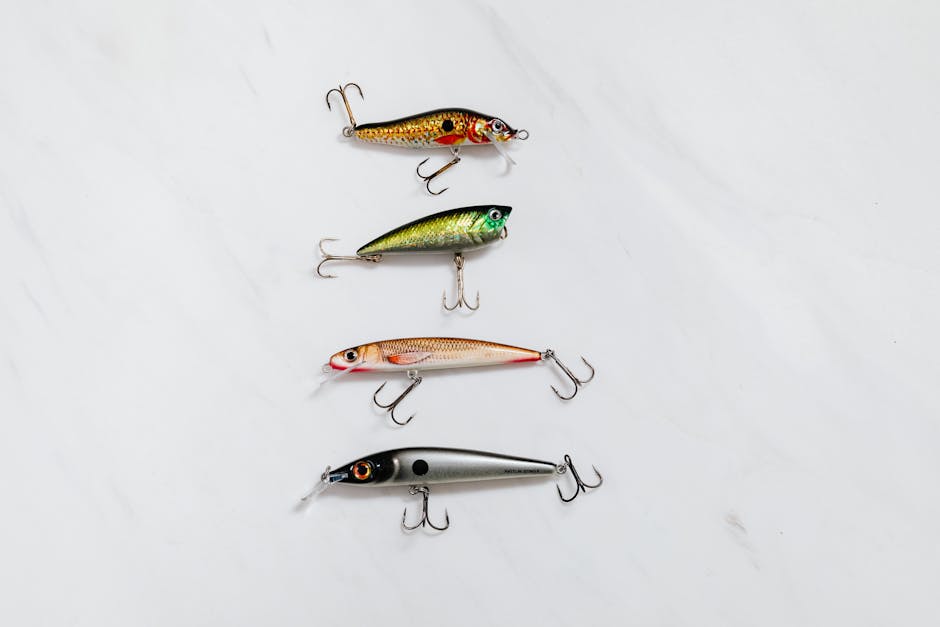 Cast parallel to weed edges and work the outside first. Pike patrol these transitions looking for baitfish that stray from cover.
Best Lures for Pike
Spinnerbaits
Large spinnerbaits in the 3/4-ounce to 1-ounce range are pike magnets. Flash and vibration pull pike from heavy cover at a distance. Willow leaf blades for clear water. Colorado blades for stained. White, chartreuse and firetiger produce consistently.
Spoons
The Dardevle red and white spoon has been catching pike since your grandfather was fishing. The wobble mimics a dying baitfish. Cast it out, let it sink a few seconds, then retrieve with a steady wobble. Eppinger Dardevle, Johnson Silver Minnow and Williams Wabler are proven. Spoons cover water fast.
Swimbaits
Soft plastic swimbaits in the 5 to 8-inch range are devastating on big pike. Storm WildEye Swim Shad, Keitech Swing Impact FAT and Berkley PowerBait Hollow Belly all work. Rig them on a jighead with a screw lock. The natural swimming action fools pike that have seen hardware.
Jerkbaits
Suspending jerkbaits like the Rapala X-Rap work best in cold water. The jerk-jerk-pause cadence suspends the bait in the strike zone. Pike often hit on the pause. Use 5 to 6-inch sizes in perch or firetiger patterns.
Topwater
Nothing beats watching a pike explode on a surface lure. Heddon Super Spook, Whopper Plopper 130 and large buzzbaits all draw savage strikes. Fish topwater early morning, late evening or on overcast days. Walk-the-dog or steady retrieve. Either works.
Live Bait for Pike
When artificials are not getting it done, live bait puts pike in the net.
Suckers (6 to 10 inches): The gold standard for trophy pike. Hook a sucker through the back on a quick-strike rig with two treble hooks. Fish it under a slip bobber set 3 to 6 feet deep along weed edges. When the bobber goes down, wait 3 to 5 seconds, then set the hook. Quick-strike rigs hook the pike in the mouth, which makes healthy releases possible.
Large golden shiners: Same rig, same approach. Shiners are more active and cover more water than suckers. In saltwater, bucktail jigs are the go-to for trophy fish and they work on pike and musky too when tipped with a minnow.
Dead bait: In cold water and through the ice, dead smelt and cisco work well. Pike scavenge more than most anglers realize. Set a dead bait on the bottom near a weed edge and be patient.
Conditions and Adjustments
- If water is clear: Downsize lures to 4 to 5 inches. Use natural colors like perch, silver or shad. Longer leaders. Faster retrieve to not give them time to inspect.
- If water is stained or muddy: Upsize to 6 to 8 inches. Bright colors: chartreuse, firetiger, orange belly. Use spinnerbaits or rattling lures that put out vibration.
- If it is windy: Fish the windblown shoreline. Wind pushes baitfish against structure and pike follow. Spinnerbaits and spoons shine in chop.
- If a cold front moves through: Slow everything down. Switch to jerkbaits or live bait. Pike will hold tighter to cover and move less. Longer pauses between twitches.
- If pike are following but not eating: Add a figure-eight at boatside. Downsize your lure. Switch to a darker color. Sometimes a subtle change is all it takes.
Spot Playbook: Where Pike Live
Pike relate to specific structure throughout the year. Understanding where they stage is the difference between catching one and catching ten.
Weed edges: The number one pike spot. Pike sit on the outside edge of weed beds and ambush baitfish moving between open water and cover. Target where weeds meet sand or rock.
Rocky points: Points funnel baitfish and create current. Pike set up on the downwind side and pick off prey as it gets pushed past. Cast from deep to shallow across the point.
Shallow bays: In spring, pike stack up in shallow bays with emerging weeds. Bays warm faster than the main lake. Pike spawn here and stick around to feed on panfish and minnows.
River current breaks: Pike hold behind rocks, fallen trees and bridge pilings where current creates slack water. Cast upstream and let your lure sweep into the pocket.
Drop-offs near weeds: In summer, pike suspend on the first drop-off next to a weed flat. They go deep during midday and push shallow to feed in low light.
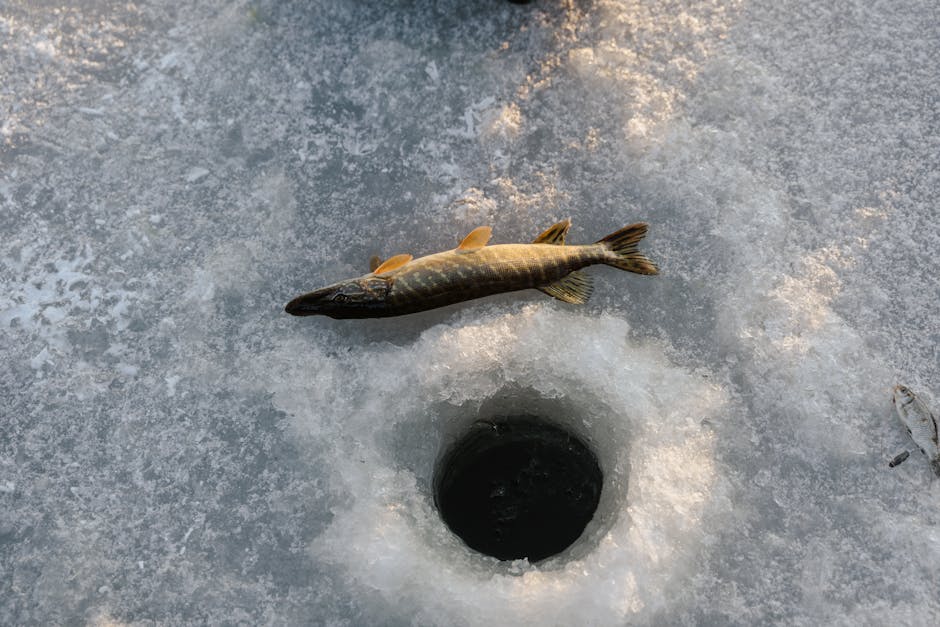 Weed edges like this are pike highways. Focus on irregular features: points in the weed line, inside turns and gaps where baitfish funnel through.
Seasonal Patterns
Spring (Post-Ice to 60F)
Pike spawn in shallow, marshy bays when water hits 40 to 50 degrees. After spawning, they stay shallow for weeks feeding hard to recover. Target 2 to 6 feet deep in dark-bottom bays. Spinnerbaits and jerkbaits fished slowly produce big fish. This is trophy season.
Summer (60F to 75F)
As water warms, pike shift to weed edges and deeper structure. They avoid water above 75 degrees. Focus on the deepest healthy weeds, usually 8 to 15 feet. Topwater at dawn is electric. During midday, slow roll swimbaits along deep weed edges or fish live bait under a bobber.
Fall (Cooling Water to Ice-Up)
Fall is the feeding frenzy. Pike eat hard to bulk up for winter and push back into shallower water as temperatures drop. Big lures and fast retrieves work. Cover water quickly. Pike roam more in fall than any other season.
Ice Fishing
Set tip-ups with live suckers or shiners in 5 to 12 feet near weed edges and drop-offs. Dead smelt on a dead stick works too. Pike stay active under the ice all winter. Use a flasher to find weed growth and set your baits at the edge.
Fight and Handling: Do It Right
Pike demand respect when you bring them boatside. They have teeth that will send you to the emergency room and gill plates sharp enough to slice a finger open.
Landing: Use a large rubber-mesh landing net. Cradle the fish. Do not lift it by the gill plate or jam fingers into the mouth. Keep them in the net until you are ready.
Handling: Grip the pike behind the gill plates and support the belly with your other hand. Never hold a pike vertically by the jaw. Their weight can damage internal organs.
Gill plate caution: The gill rakers are extremely sharp. Use long-nose pliers (10 to 12 inches) to remove hooks from outside the mouth. A jaw spreader helps on larger fish. Do not put fingers inside without one.
Release technique: Support the fish horizontally in the water until it kicks away on its own. Do not hold pike out of the water for more than 30 seconds. Large pike are breeding stock and take years to reach trophy size. Handle them well.
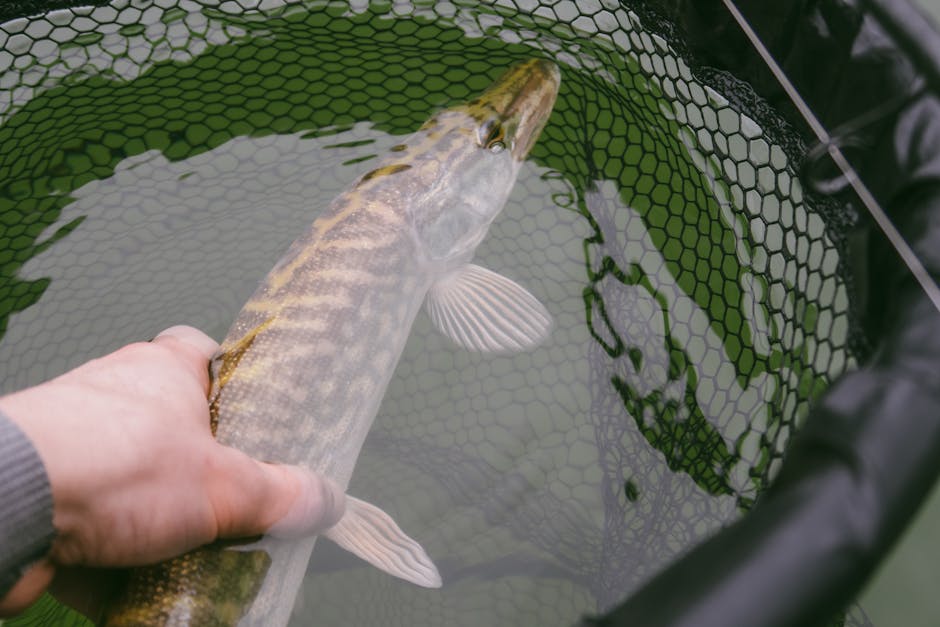 Support pike horizontally with both hands. The gill plate grip gives control. Minimize air time and get them back in the water quickly.
Mistakes That Kill the Bite
- No steel leader. Pike have teeth designed to shred. Without a leader, you lose the fish and the lure. Every time.
- Lures too small. Pike eat prey up to one-third their body length. A 3-inch crankbait is not worth chasing. Go 5 inches minimum.
- Fishing too deep in spring. Pike are shallow after the spawn. If you are at 15 feet in April, you are fishing under them.
- Setting the hook too hard. A violent hookset rips treble hooks out of bony mouths. Sweep firmly and let steady pressure do the work.
- Not using a figure-eight. Pike follow lures to the boat constantly. Always finish your retrieve with a wide figure-eight next to the boat.
- Fishing the same spot too long. If the spot does not produce in 15 minutes, move. Cover water until you find active fish.
- Grabbing pike by the eyes or gills. This kills fish and injures anglers. Learn the gill-plate grip or use a net.
- Ignoring wind. Wind positions baitfish and activates pike. The windy side holds the fish.
- Straight steady retrieve. Vary your speed. Add pauses and twitches. A lure that changes pace triggers more strikes.
- Fishing only one depth. Pike move through the water column all day. If the weed tops are dead, try the edges. Then the drop-off.
Log Your Pike Trips
Pike behavior changes week to week as water temperature shifts and baitfish move. Logging which lures, depths and spots produce helps you pattern fish faster. Tackle lets you track it all by location so you build a playbook for every lake you fish.
Download Tackle and start logging what works.
FAQs
What is the best lure color for pike?
It depends on water clarity. In clear water, go with natural patterns like perch, silver shad or white. In stained or muddy water, switch to chartreuse, firetiger or anything with orange. Red and white (the classic Dardevle pattern) works in almost all conditions and is a safe starting point.
What pound test line do I need for pike?
Use 50 to 65-pound braided line as your main line. Braid has no stretch for solid hooksets in bony mouths and it cuts through weeds. Always add a 12 to 18-inch steel or titanium leader at the end. The leader handles the teeth. The braid handles everything else.
Can I catch pike on a spinning rod?
Yes. A 7-foot medium-heavy spinning rod paired with a 4000-size reel works well for pike. You lose some casting accuracy compared to a baitcaster, but spinning gear handles lighter lures better and is easier for beginners to learn. Spool it with 40 to 50-pound braid.
When are pike most active?
Pike feed most aggressively during low-light periods: early morning, late evening and overcast days. In spring and fall, they feed throughout the day because water temperatures stay in their comfort zone (55 to 65 degrees). In summer, the first and last two hours of daylight are your best windows.
Do pike taste good?
Pike are excellent eating when prepared correctly. The Y-bones are the challenge. Learn the 5-fillet method (plenty of videos online) to remove boneless fillets. Pike meat is white, mild and flaky. Pan-fried pike is a northern tradition for good reason. Keep smaller pike (under 24 inches) for eating and release the big ones.
1-Minute Action Plan
- Tie on a steel leader and a 3/4-ounce white spinnerbait or red and white Dardevle spoon
- Find the nearest weed edge in 4 to 8 feet of water
- Cast parallel to the weed line and retrieve at medium speed with 2-second pauses every 5 cranks
- Finish every retrieve with a figure-eight at the boat or shoreline
- If no strikes after 15 minutes, switch to a 6-inch swimbait and slow your retrieve by half
Next Steps
- If you want to master pike spinnerbaits, read our spinnerbait techniques guide
- If you want to add swimbaits to your pike arsenal, check out how to use swimbaits
- If you are new to fishing, start with our beginner fishing tips
- If you want to learn more about reading structure, see how to read water
- If spoons are your thing, read how to use fishing spoons
Sources
Regulations vary by state and province. Always check current local regulations before fishing.

Tackle Team
The Tackle Fishing Team is a collective of anglers, data scientists, and fishing enthusiasts dedicated to making fishing more accessible and successful for everyone.
View profileSources Consulted
The following sources were consulted in creating this guide:
- In-Fisherman – www.in-fisherman.com (retrieved Mar 2026)
- Field & Stream – www.fieldandstream.com (retrieved Mar 2026)
- Outdoor Life – www.outdoorlife.com (retrieved Mar 2026)
Note: Information is summarized and explained in our own words. Always verify current regulations with official sources.
Frequently Asked Questions
What is the best lure color for pike?
It depends on water clarity. In clear water, go with natural patterns like perch, silver shad or white. In stained or muddy water, switch to chartreuse, firetiger or anything with orange. Red and white works in almost all conditions and is a safe starting point.
What pound test line do I need for pike?
Use 50 to 65-pound braided line as your main line. Braid has no stretch for solid hooksets in bony mouths and it cuts through weeds. Always add a 12 to 18-inch steel or titanium leader at the end.
Can I catch pike on a spinning rod?
Yes. A 7-foot medium-heavy spinning rod paired with a 4000-size reel works well for pike. You lose some casting accuracy compared to a baitcaster, but spinning gear handles lighter lures better and is easier for beginners to learn.
When are pike most active?
Pike feed most aggressively during low-light periods: early morning, late evening and overcast days. In spring and fall, they feed throughout the day. In summer, the first and last two hours of daylight are your best windows.
Do pike taste good?
Pike are excellent eating when prepared correctly. The Y-bones are the challenge. Learn the 5-fillet method to remove boneless fillets. Pike meat is white, mild and flaky. Keep smaller pike under 24 inches for eating and release the big ones.
Plan Your Next Fishing Trip
Download Tackle to compare tide charts, wind conditions, and practical fishing guidance for your location before you go.
✓ Real-time tide charts • ✓ Wind & weather forecasts • ✓ AI fish identification
See local regulations — Find regulations for your area
Want weekly fishing windows delivered to your inbox?
Get personalized fishing forecasts based on weather, tides, and moon phases.
RELATED CONTENT
KEEP READING